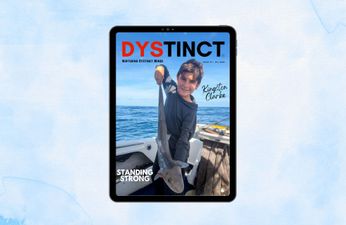
Evidence Matters

Issue 31: School and Beyond: Tales from a Churchill Fellowship | Dr Helen Ross Paid Members Public
Drawing on insights from her Churchill Fellowship, Dr Helen Ross reflects on what schools, universities, workplaces and families can teach us about creating lasting change for neurodivergent young women.

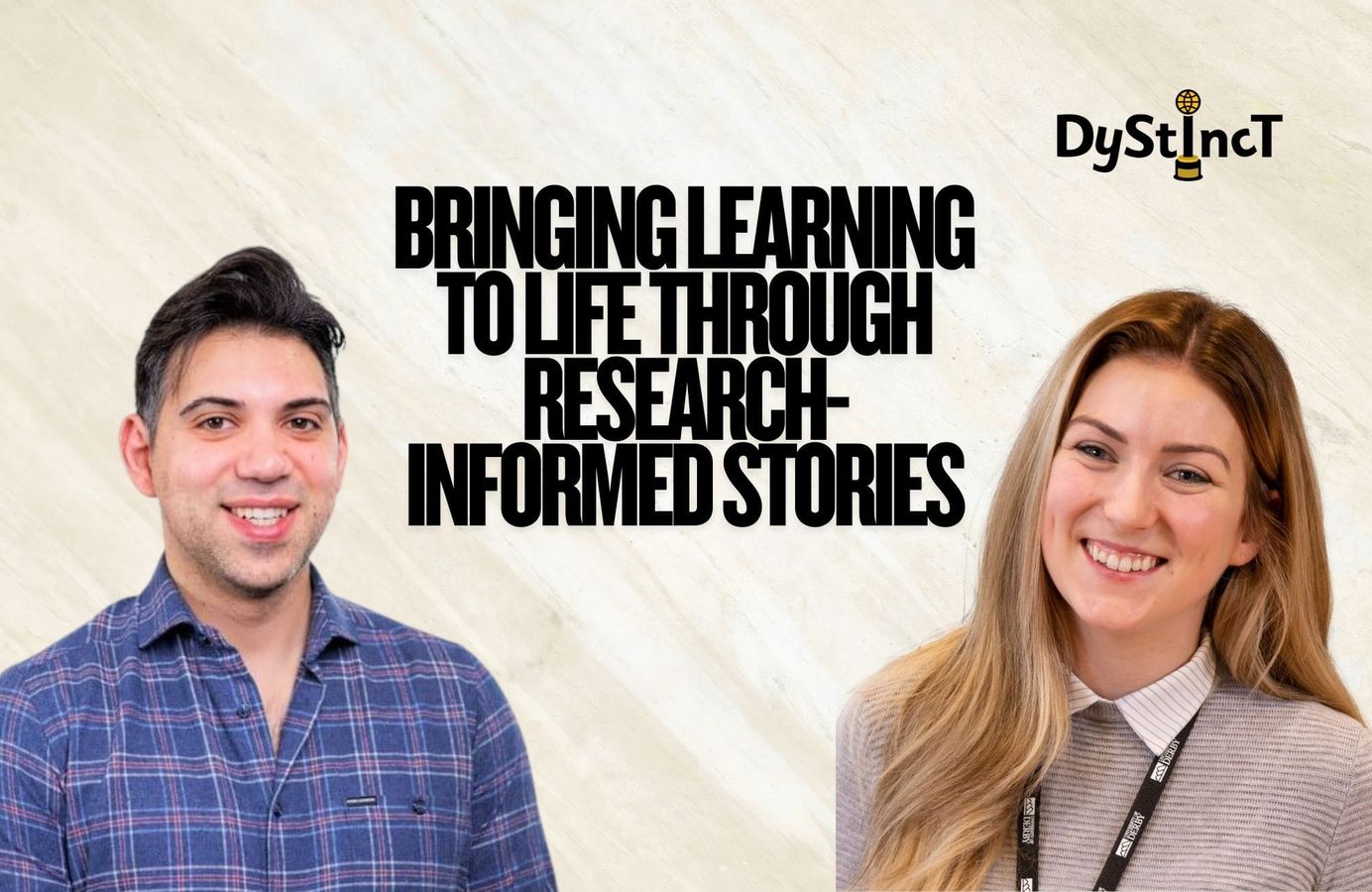
Issue 31: Bringing Learning to Life Through Research-Informed Stories | Dr Dominic Petronzi & Rebecca Petronzi Paid Members Public
Dr Dominic and Rebecca introduce the Learning through Evidence-informed Narrative Storybooks (LENS) approach, demonstrating how research can be transformed into engaging, accessible storybooks that help children explore complex topics through narrative, discussion, and practical activities.



Issue 31: Dyslexic Burnout: An Occupational Therapist Perspective | Stephanie Paid Members Public
Occupational Therapist Stephanie explores dyslexic burnout through an occupational therapy lens, explaining why it occurs, how it affects everyday life and practical ways to reduce its impact.

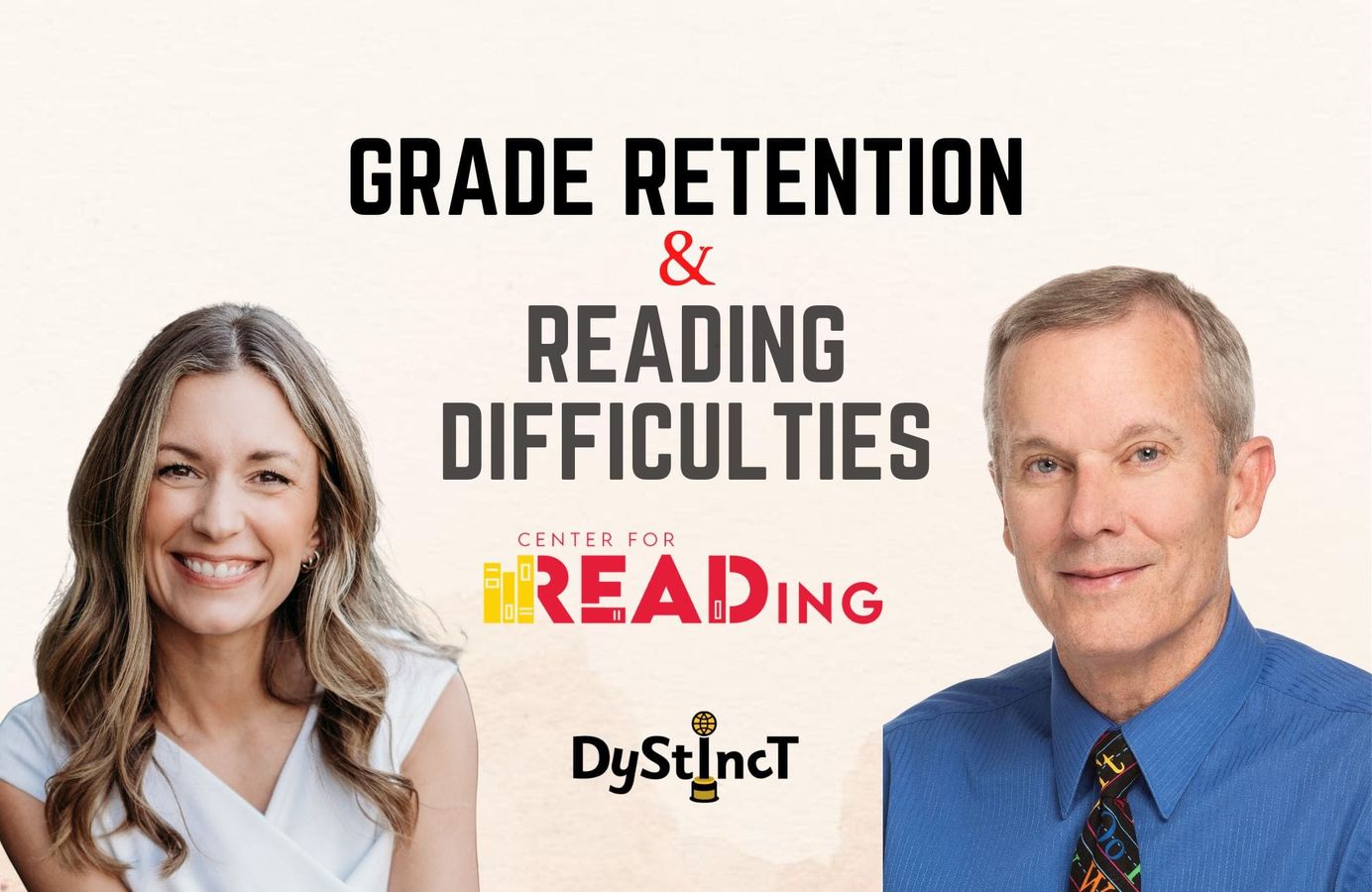
Issue 31: Grade Retention and Reading Difficulties | David P. Hurford & Alex C. Fender Paid Members Public
Dr David P. Hurford and Alex C. Fender examine the evidence behind grade retention, explaining why it often does more harm than good. They argue that early identification, Structured Literacy and timely intervention offer a far more effective path to reading success.



Issue 30: Evidence-Based Screening is the Future for Effective Early Intervention | Georgie Cooney Paid Members Public
Georgie Cooney examines the UK’s new SEND White Paper, reflecting on her experience as a SENCO to highlight how early, evidence-based screening and practical support systems could transform identification, intervention, and outcomes for children with additional needs.


Issue 30: The Bridge Across the Cliff: Turning Neurodivergent "Symptoms" into Career Superpowers | Adam Kleckner Paid Members Public
Adam Kleckner, a workforce strategist, explores how neurodivergent traits often labelled as deficits in school can become powerful career advantages when reframed through a strength-based “talent scout” mindset.

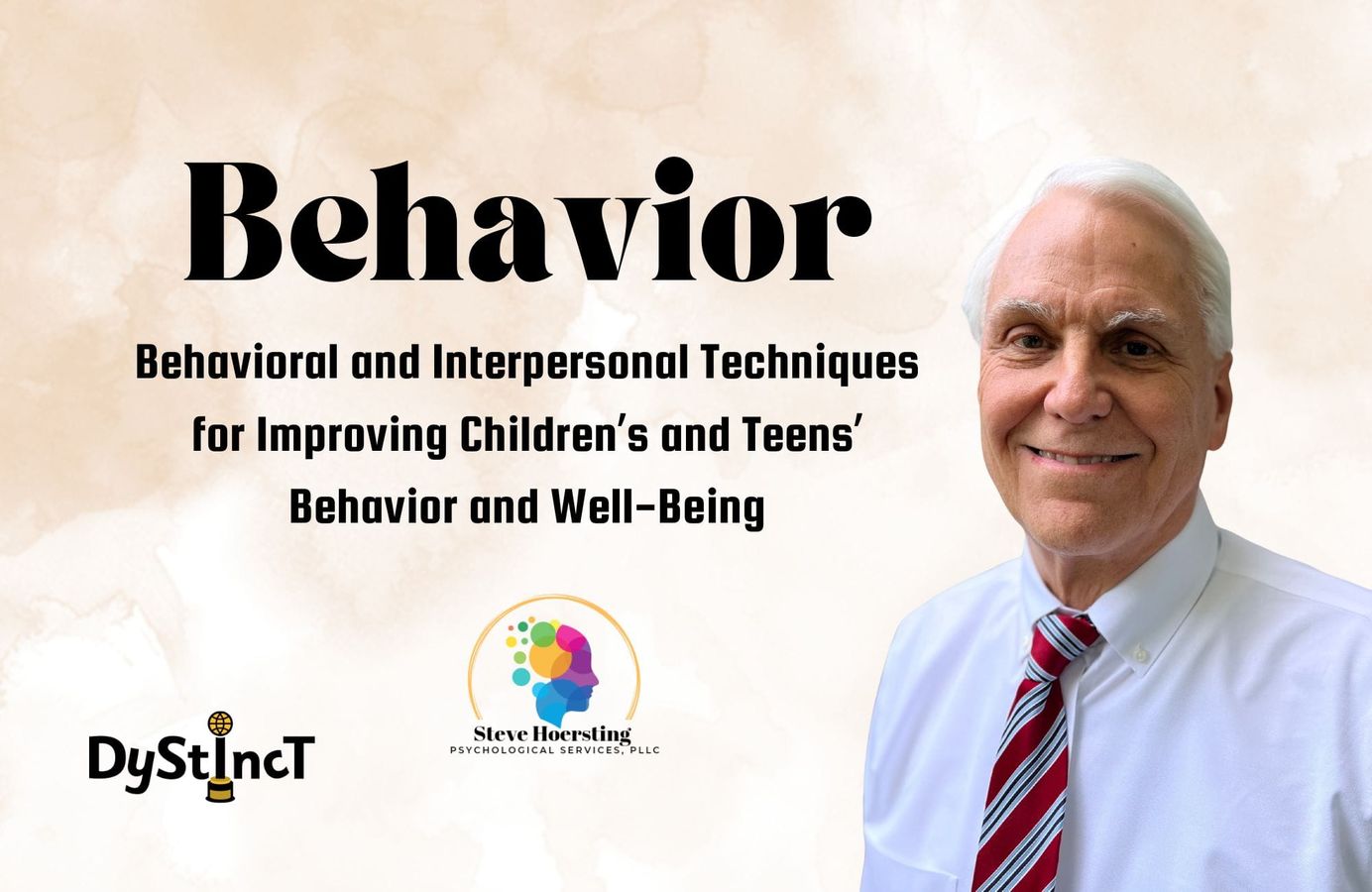
Issue 30: Behavioral and Interpersonal Techniques for Improving Children’s and Teens’ Behavior and Well-Being | Steve Hoersting Paid Members Public
Steve Hoersting outlines how combining behavioural and interpersonal strategies supports children’s and teens’ development, emphasising the role of positive reinforcement, executive function support, and strong relationships in improving behaviour and emotional well-being.


Issue 30: Why It’s Not Just About Legibility: The Hidden Costs of Handwriting Difficulties in Secondary School | Kelli Fetter Paid Members Public
Kelli Fetter explains how handwriting difficulties in secondary school are not just about legibility but create a hidden cognitive bottleneck that impacts learning, highlighting the need for a balanced approach combining skill-building and targeted accommodations to support student success.