Issue 26: Do You Know What It Takes to Create a Literate Brain? | Lori Josephson | Calling All Neurons!
Lori Josephson introduces her new book, Calling All Neurons!, which fills a critical gap by making the Science of Reading accessible to older students and adults through colourful neuron characters, engaging visuals, and practical insights that show creating a literate brain is a team effort.

Table of Contents
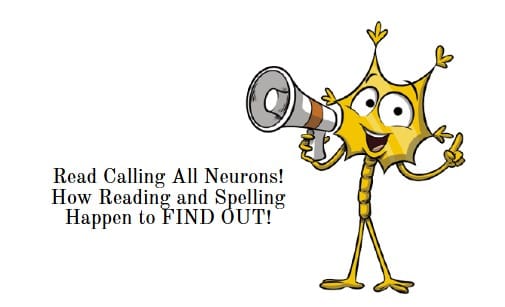
What is Calling All Neurons! How Reading and Spelling Happen?
What is Calling All Neurons! How Reading and Spelling Happen?
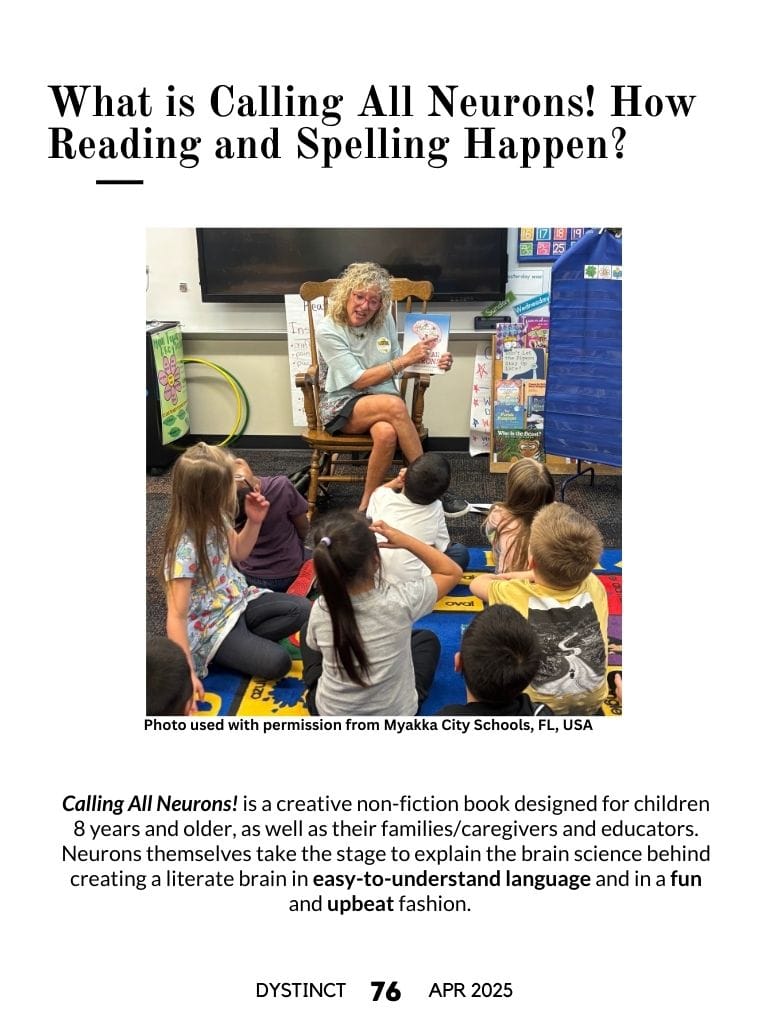
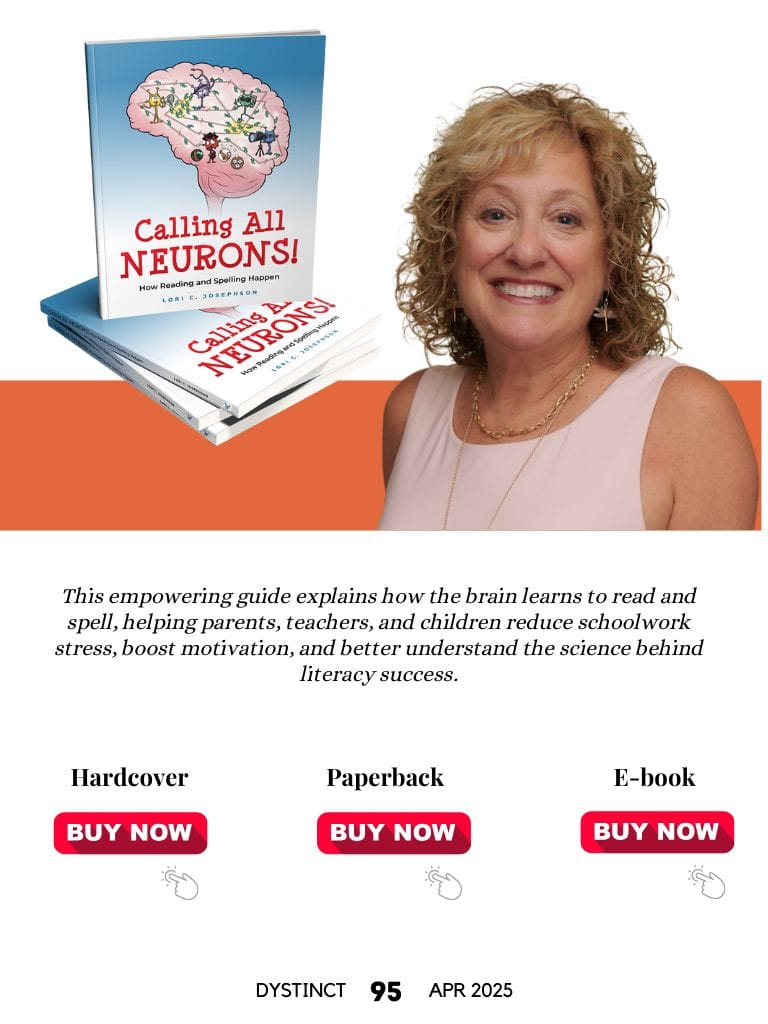
Calling All Neurons! is a creative non-fiction book designed for children 8 years and older, as well as their families/caregivers and educators. Neurons themselves take the stage to explain the brain science behind creating a literate brain in easy-to-understand language and in a fun and upbeat fashion.
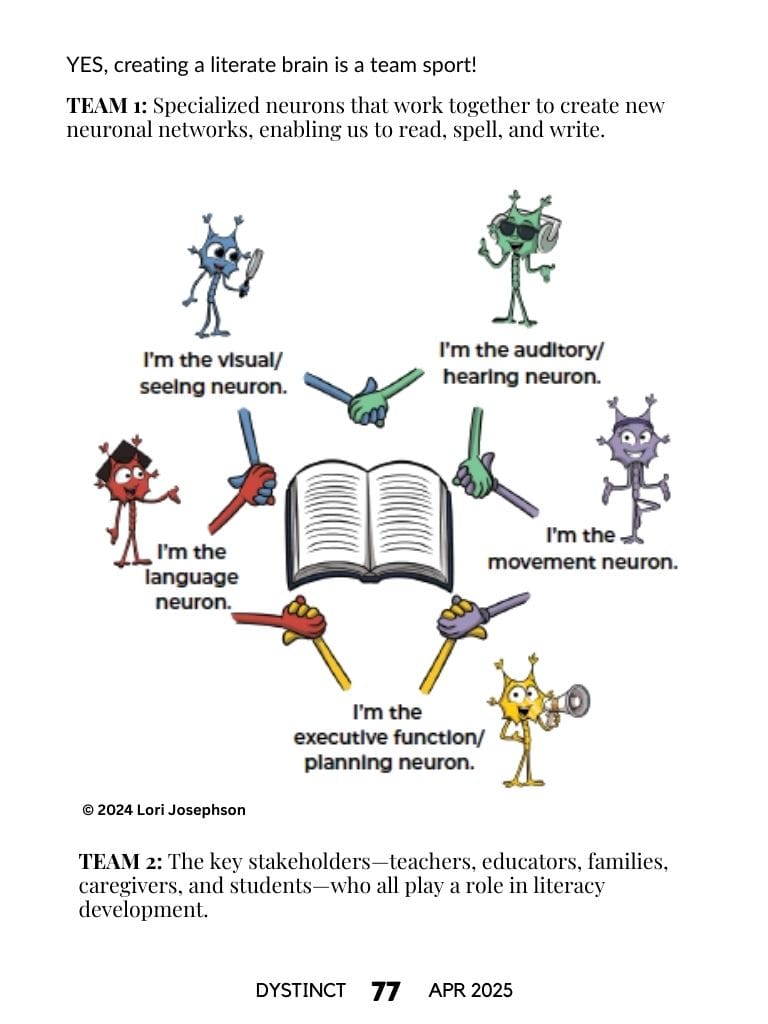
YES, creating a literate brain is a team sport!
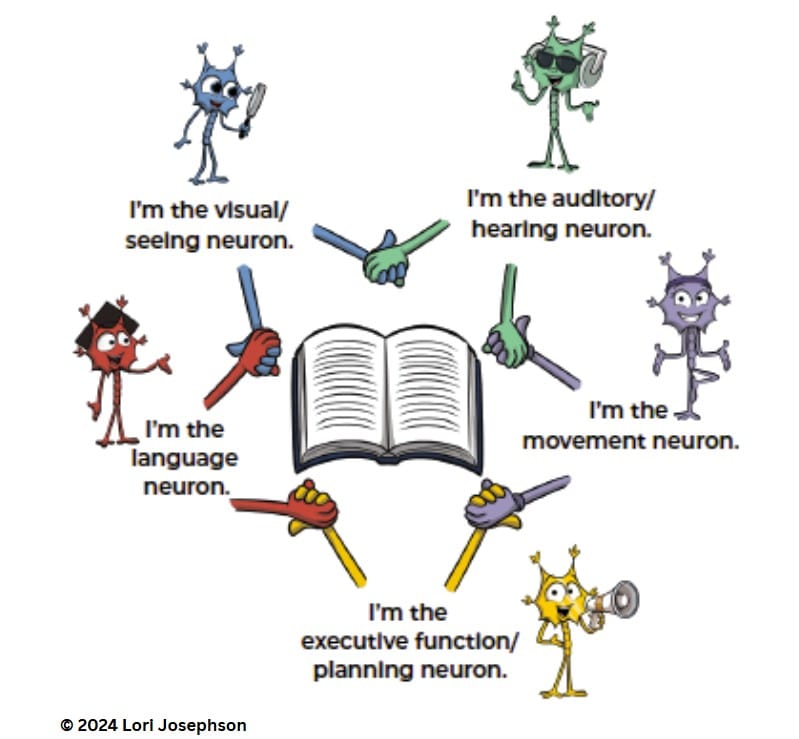
TEAM 1: Specialized neurons that work together to create new neuronal networks, enabling us to read, spell, and write.
TEAM 2: The key stakeholders—teachers, educators, families, caregivers, and students—who all play a role in literacy development.
Calling All Neurons! first discusses early oral receptive and expressive language development as a prerequisite to developing literacy. It then goes on to explain the processes of learning phonological awareness, phonemic awareness, sound/symbol relationships, early and more advanced decoding and encoding (spelling), orthographic mapping, word automaticity, reading fluency, comprehension, and morphology.
Calling All Neurons! includes a piece about dyslexia. Attaining literacy may take individuals with dyslexia longer to master the code of English, but human brains ‘work’ in the very same ways, whether or not that brain has dyslexia. Are these words 'speaking' to you?
These processes are based upon the vast body of knowledge now known as The Science of Reading. If you are unfamiliar with any of these terms, Calling All Neurons! is for you, especially if you are the parent, caregiver or teacher of a school-aged child.
A vast, interdisciplinary body of scientifically-based research about reading and issues related to reading and writing.
This research has been conducted over the last five decades across the world, and it is derived from thousands of studies conducted in multiple languages. The science of reading has culminated in a preponderance of evidence to inform how proficient reading and writing develop; why some have difficulty; and how we can most effectively assess and teach and, therefore, improve student outcomes through prevention of and intervention for reading difficulties.
The Science of Reading is derived from researchers from multiple fields:
- Cognitive Psychology
- Communication Sciences
- Developmental Psychology
- Education
- Implementation Science
- Linguistics
- Neuroscience
- School Psychology
In addition to explaining the process of attaining literacy, Calling All Neurons! includes a Guide which explains how to use the book for families/caregivers and educators, a Glossary of important terms relating to literacy, links providing more information about dyslexia (inclusive of a self-test courtesy of The International Dyslexia Association), and links to access additional information on my website (6 major syllable patterns, most common prefixes, Latinate roots, Greek combined forms), Readers can also access printable coloring pages and bookmarks on my website- lorijosephson.com.
Why I Wrote Calling All Neurons!
Why I Wrote Calling All Neurons!
The now out-of-print book, How You Talk by Paul Showers, came across my desk way back in 1996. This book explained the process of how humans acquire oral language in a child-friendly way using the scientific terms of the human articulatory system. My immediate thought at the time was to one day write a book that would extend this process to attaining literacy. Do the math and realize the seed for my book was planted 29 years ago!
Of course, many books have been written over the years explaining the process of a literate brain since that time. Some of them include: Reading in the Brain: The New Science of How We Read (Stanislaus Dehaene 2010), Language at the Speed of Sight: How We Read, Why So Many Can't, and What Can Be Done About It (Mark Seidenberg 2017), Overcoming Dyslexia (Sally Shaywitz 2005, 2nd edition 2020), and all of Maryanne Wolf's wonderful books (Reading, Fluency and the Brain [edited by Dr. Wolf] 2001, Proust and the Squid 2008, Tales of Literacy for the 21st Century (2016), Reader Come Home: The Reading Brain in a Digital World (2019).
Several books for very young emergent readers explaining 'how the brain learns to read', most notably one by Denise Eide, called How Your Brain Learns to Read, published in 2022.
But….no books existed explaining this process to older students, nor to adults who may not have had the time or expertise to read the lengthy and sometimes dense books explaining this process, as I listed in the paragraph above.
This book is appropriate and beneficial for:
- students aged 8 and above, whether or not they struggle to attain literacy; younger students benefit from an adult explanation of some of the illustrations and activities; older struggling readers who need to understand and know the same information in order to attain literacy
- siblings of students who may be struggling to attain literacy, since academic roadblocks negatively affect the entire family system
- parents/caregivers and even other extended family members
- educators, who oftentimes are so busy with day-to-day teaching responsibilities that they simply are pressed for time, but need the same information found in professional books
- educators who wish to share the 'literacy process' with their charges as a means to 'empower' their students
Additionally, although overall world literacy rates have increased, the negative effects of learning loss due to the recent pandemic (yes, it's been 5 years!) remain. In a UNICEF article dated January 24, 2022, Robert Jenkins, UNICEF Head of Education states, "More than 635 million students remain affected by full or partial school closures…students need intensive support to recover lost education…schools must also go beyond places of learning to rebuild children's mental and physical health." Jenkins also notes the severity of learning loss in both literacy and numeracy skills in low and middle-income countries, as well as in the United States.
The most recent NAEP (2024) scores (known as the United States' National Report Card) continue to indicate that two-thirds of the US's 4th and 8th graders are not able to read at a 'proficient' level (decoding and understanding words read with solid academic performance). Little progress has been made in decades. At a minimum, this is alarming, and it hurts me to share these statistics with readers.
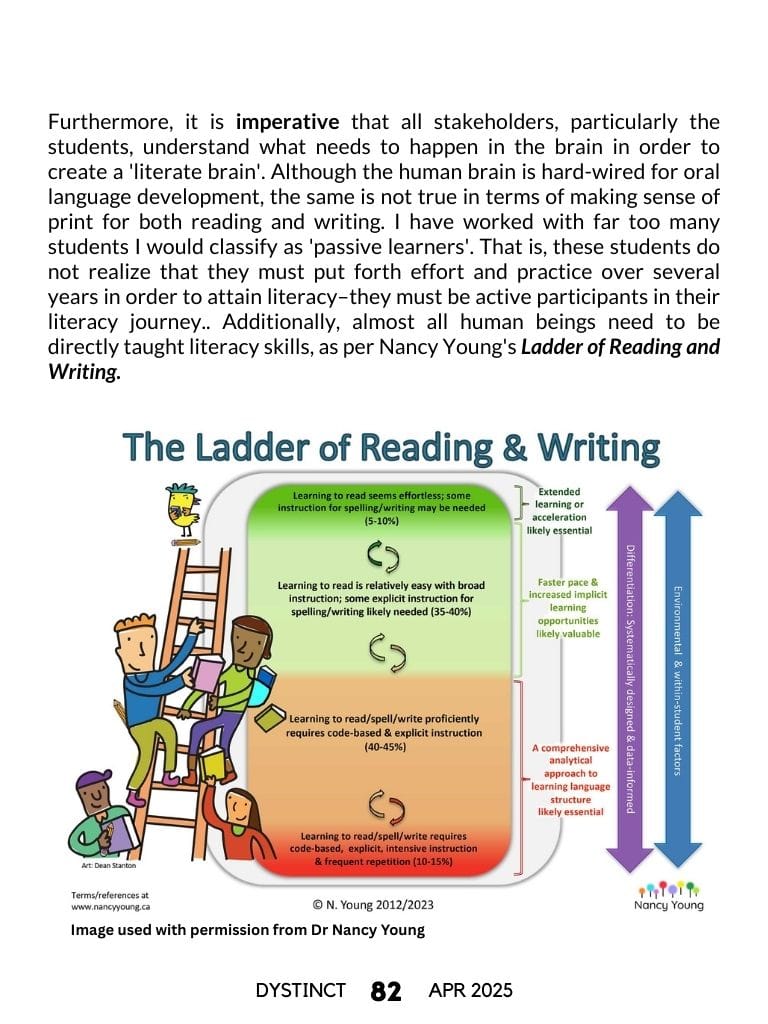
Furthermore, it is imperative that all stakeholders, particularly the students, understand what needs to happen in the brain in order to create a 'literate brain'. Although the human brain is hard-wired for oral language development, the same is not true in terms of making sense of print for both reading and writing. I have worked with far too many students I would classify as 'passive learners'. That is, these students do not realize that they must put forth effort and practice over several years in order to attain literacy–they must be active participants in their literacy journey.. Additionally, almost all human beings need to be directly taught literacy skills, as per Nancy Young's Ladder of Reading and Writing.
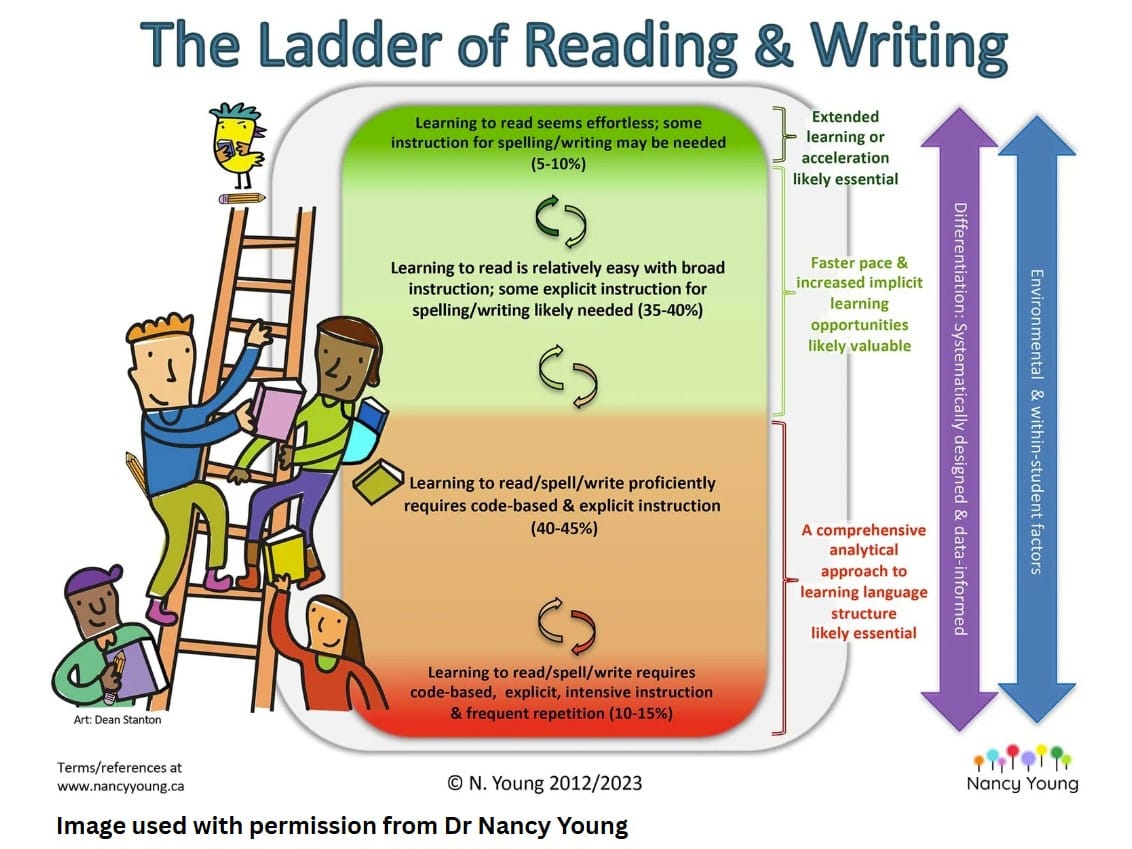
My big 'AHA Moment" occurred as I watched the Science of Reading unfold and develop—it turns out that ALL human brains attain literacy in the very same way!
When working directly with struggling students, many of whom were diagnosed with dyslexia, I always took the time to explain the brain processes needed in order to become literate, inclusive of a hand-drawn brain placed on the first page of each student's 'Literacy Notebook'. This picture was very impactful for my students, as we referred to it over and over again.
Years ago, I thought my explanations and what were referred to as 'multisensory' methods of teaching were specialized for those who had dyslexia. My big 'AHA Moment" occurred as I watched the Science of Reading unfold and develop—it turns out that ALL human brains attain literacy in the very same way! The updated term now used is 'Structured Literacy'.
What's a Neuron and the Creation of New Neuronal Networks?
What's a Neuron and the Creation of New Neuronal Networks?
A neuron is the basic working unit of the brain. Neurons are specialized nerve cells that send information to other nerve cells, muscles, and glands. Not only are human beings hard-wired for oral language, but also for seeing, hearing, movement, facial recognition, and executive function (decision-making, planning, self-regulation).
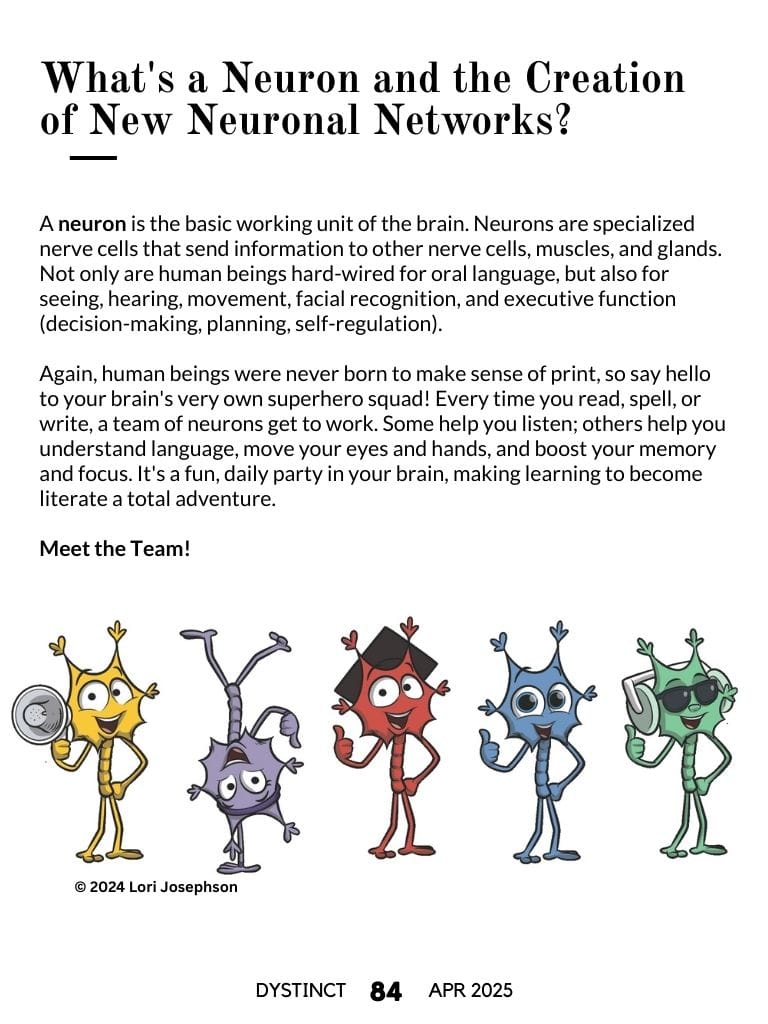
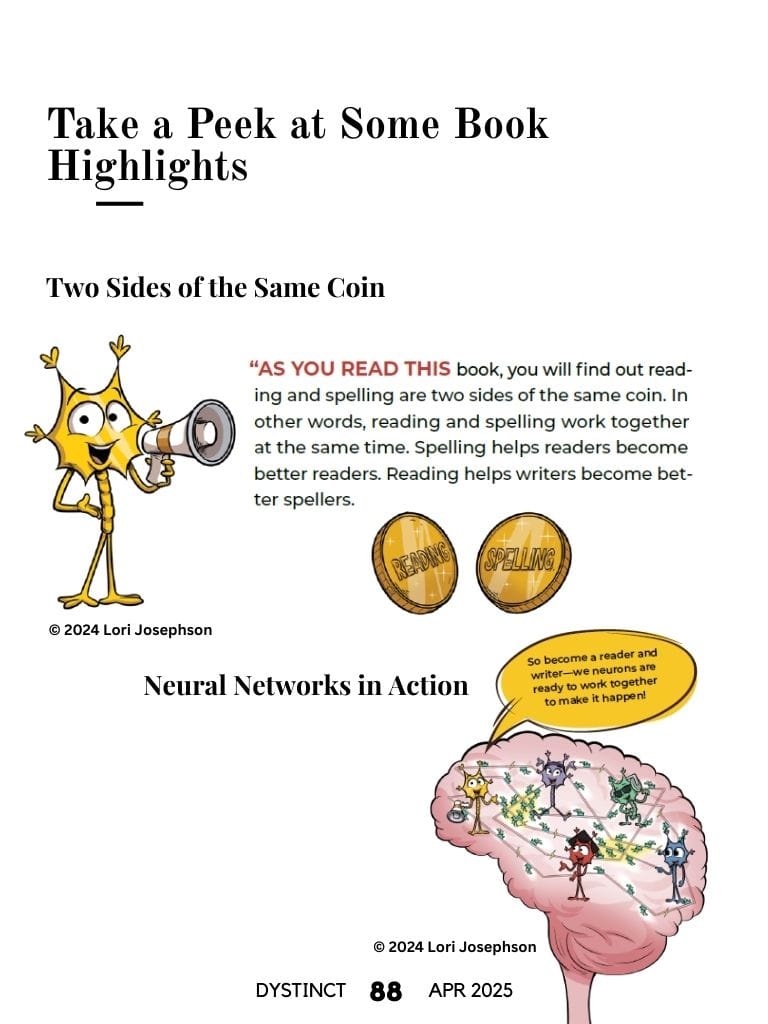
Again, human beings were never born to make sense of print, so say hello to your brain's very own superhero squad! Every time you read, spell, or write, a team of neurons get to work. Some help you listen; others help you understand language, move your eyes and hands, and boost your memory and focus. It's a fun, daily party in your brain, making learning to become literate a total adventure.
Meet the Team!
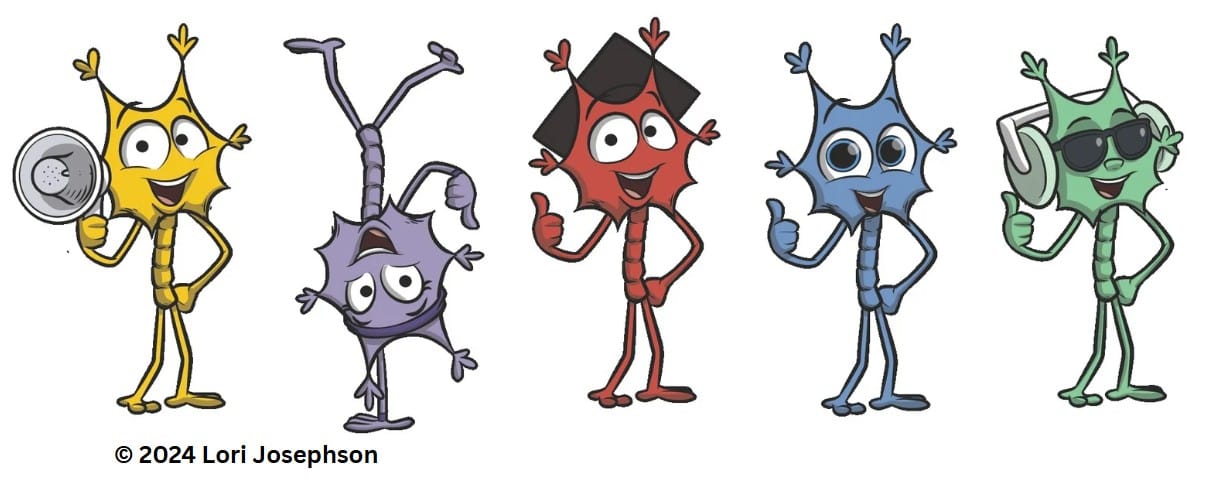
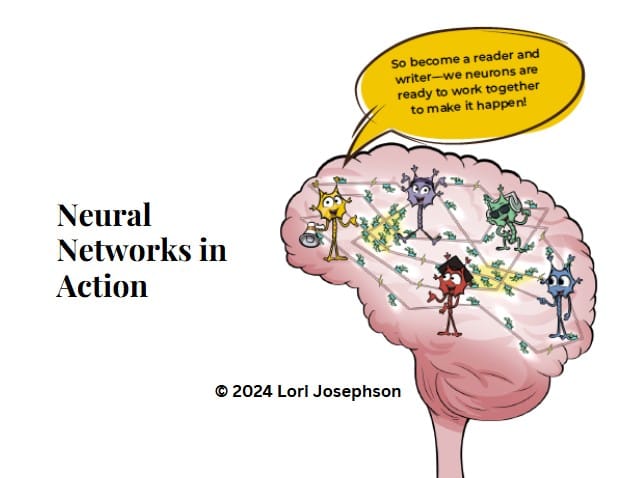
These specialized neurons work together by sending electric and chemical messages to form 'new neuronal networks', enabling human beings to read, spell, write, speak, and understand written language. According to Dr. Maryanne Wolf, the newest part of the brain aiding in this process is the cerebellum, referred to as 'the little brain' at the base of the neck. The cerebellum influences the timing and processing speed of word recognition, which ultimately leads to reading fluency. Ultimately, these new neural networks communicate more quickly and efficiently with the specialized language neurons, literally doing the 'heavy lifting' as reading, spelling, and writing become more automatic over time. Again, most humans require direct instruction in order to create and activate these networks.
To truly 'see' and understand this critical process, watch Stanislaus Dehaene's video entitled How the Brain Learns to Read (2014) on Youtube.
What Makes Calling All Neurons! Unique?
What Makes Calling All Neurons! Unique?
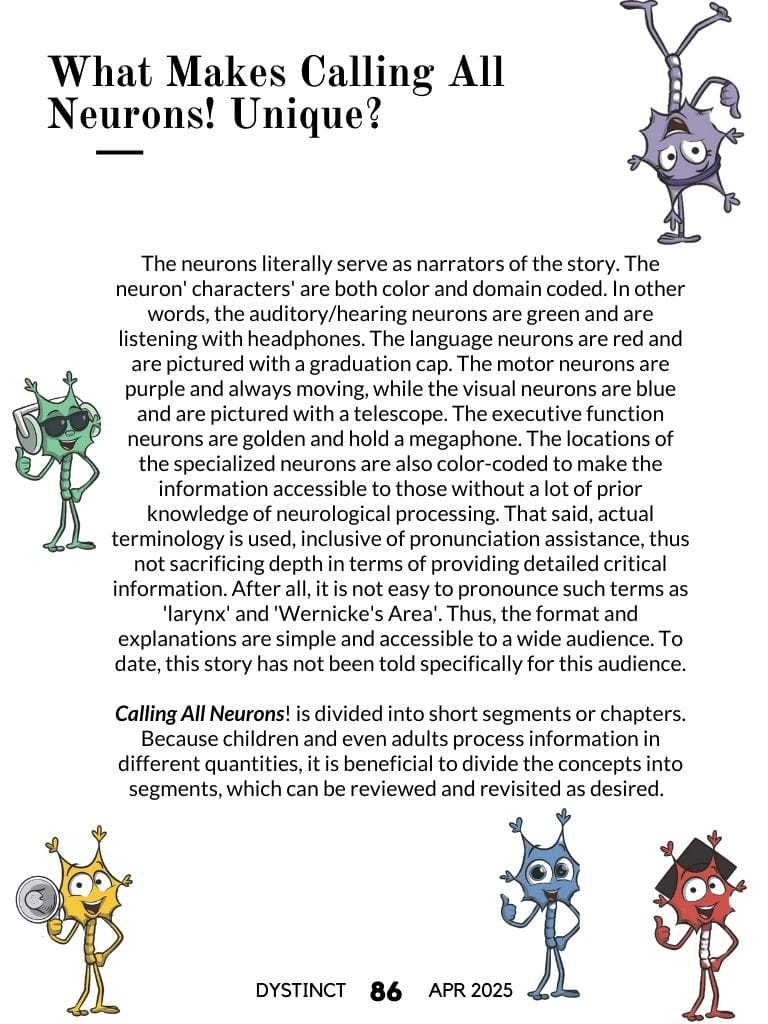
The neurons literally serve as narrators of the story. The neuron' characters' are both color and domain coded. In other words, the auditory/hearing neurons are green and are listening with headphones. The language neurons are red and are pictured with a graduation cap. The motor neurons are purple and always moving, while the visual neurons are blue and are pictured with a telescope. The executive function neurons are golden and hold a megaphone. The locations of the specialized neurons are also color-coded to make the information accessible to those without a lot of prior knowledge of neurological processing. That said, actual terminology is used, inclusive of pronunciation assistance, thus not sacrificing depth in terms of providing detailed critical information. After all, it is not easy to pronounce such terms as 'larynx' and 'Wernicke's Area'. Thus, the format and explanations are simple and accessible to a wide audience. To date, this story has not been told specifically for this audience.
Calling All Neurons! is divided into short segments or chapters. Because children and even adults process information in different quantities, it is beneficial to divide the concepts into segments, which can be reviewed and revisited as desired.
QR codes are used throughout the book. Videos explaining sound blending and sound segmentation feature live children demonstrating these very critical processes for beginning readers and spellers. Additional Resources are provided with QR codes to my website, with access to printable bookmarks and coloring pages for students making the neurons come alive. As opposed to a printed list of references (bibliography), a QR code takes readers to my website's My Favorite Resources page, which features books, websites, articles, infographics, podcasts, and activities parents can use with their kids all concerned with fostering language and literacy. Thus, the bibliography is continuously evolving, as is the knowledge base about brain function.
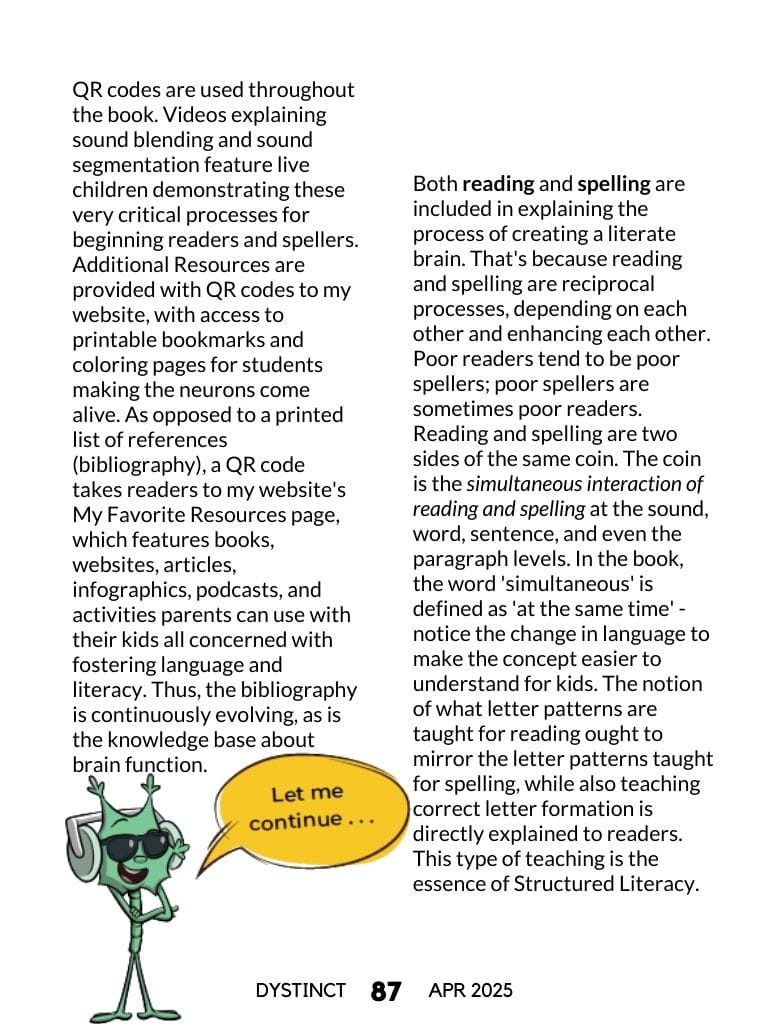
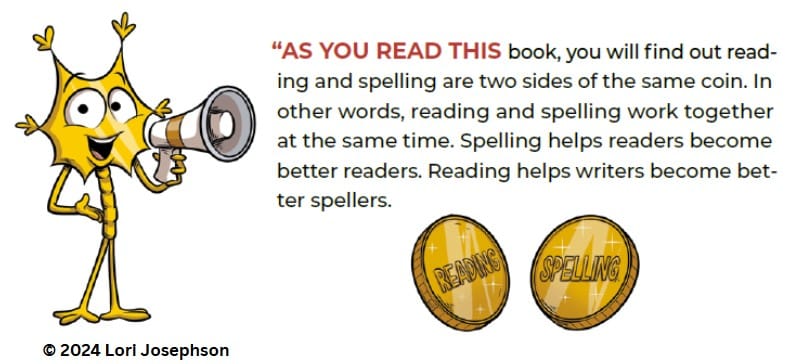
Both reading and spelling are included in explaining the process of creating a literate brain. That's because reading and spelling are reciprocal processes, depending on each other and enhancing each other. Poor readers tend to be poor spellers; poor spellers are sometimes poor readers. Reading and spelling are two sides of the same coin. The coin is the simultaneous interaction of reading and spelling at the sound, word, sentence, and even the paragraph levels. In the book, the word 'simultaneous' is defined as 'at the same time' - notice the change in language to make the concept easier to understand for kids. The notion of what letter patterns are taught for reading ought to mirror the letter patterns taught for spelling, while also teaching correct letter formation is directly explained to readers. This type of teaching is the essence of Structured Literacy.
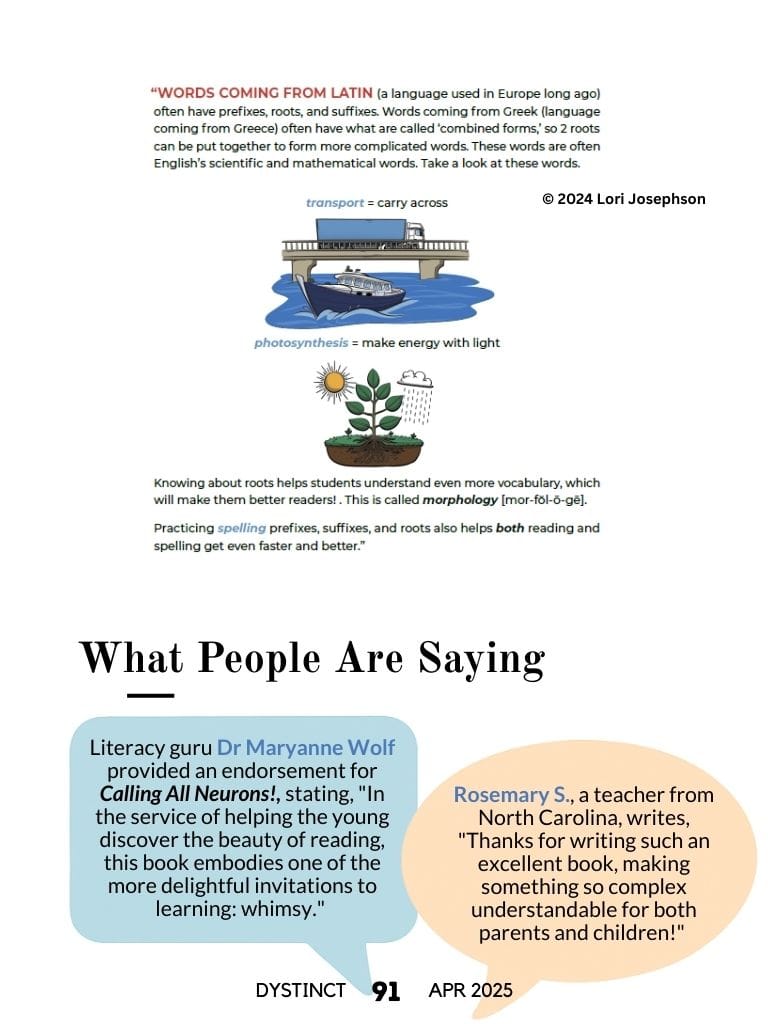
Take a Peek at Some Book Highlights
Take a Peek at Some Book Highlights
Two Sides of the Same Coin
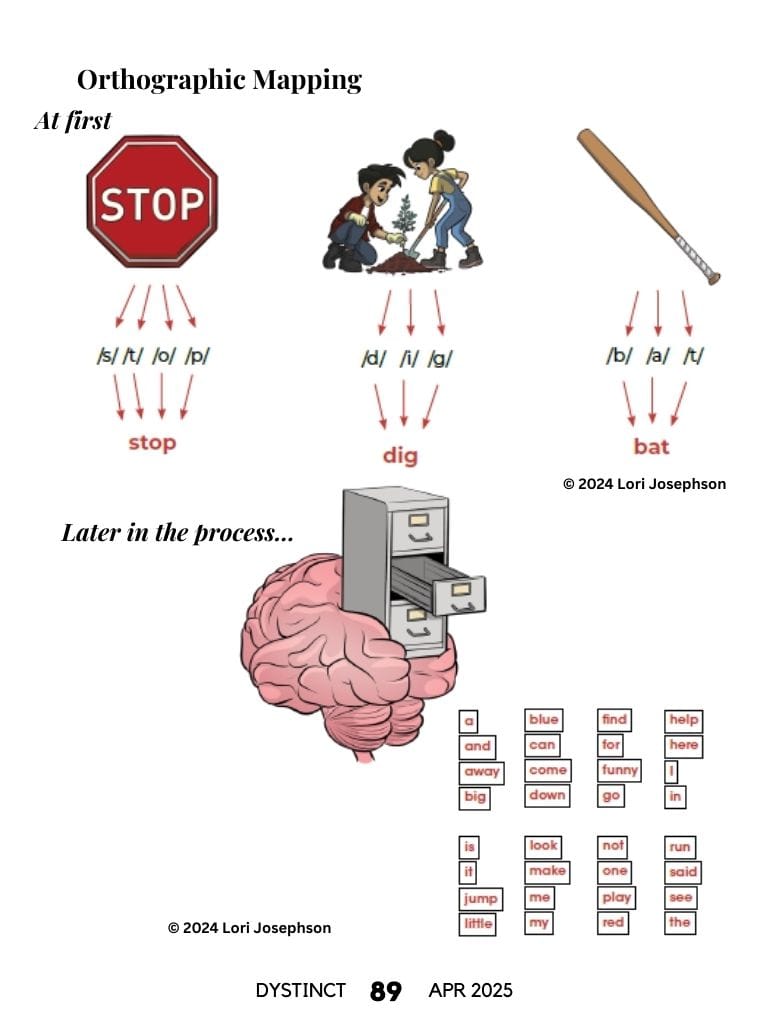
Orthographic Mapping
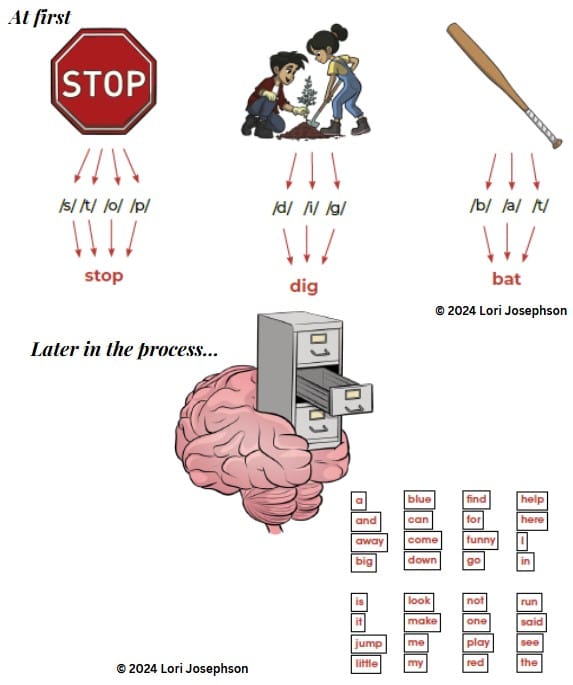
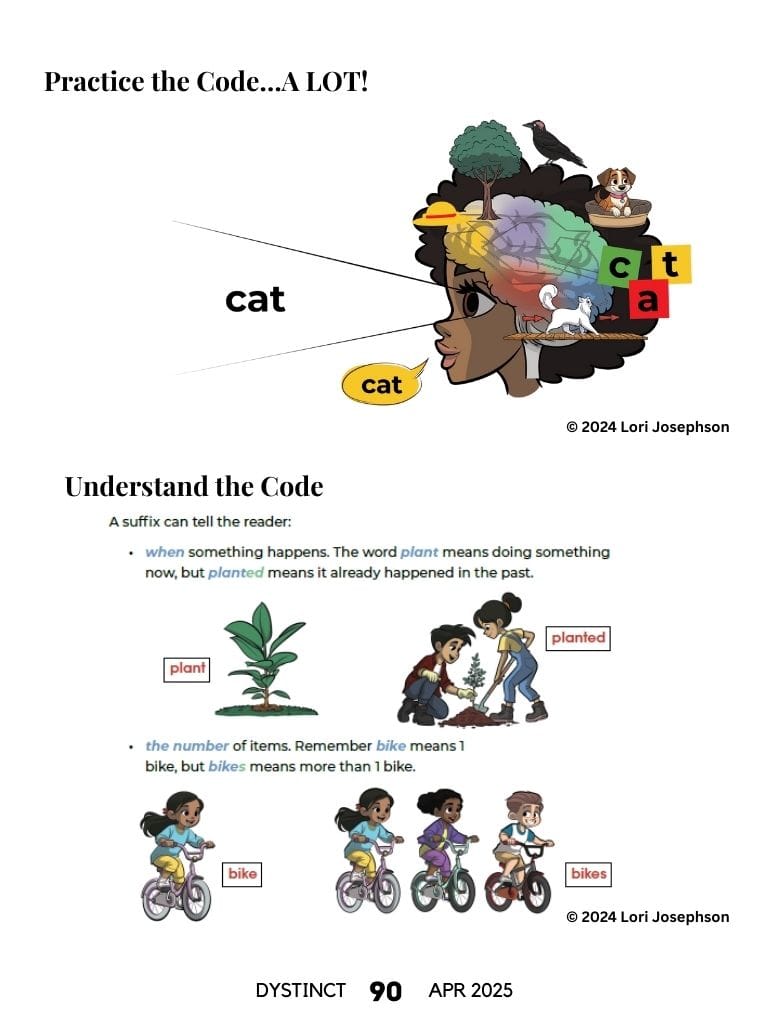
Practice the Code…A LOT!
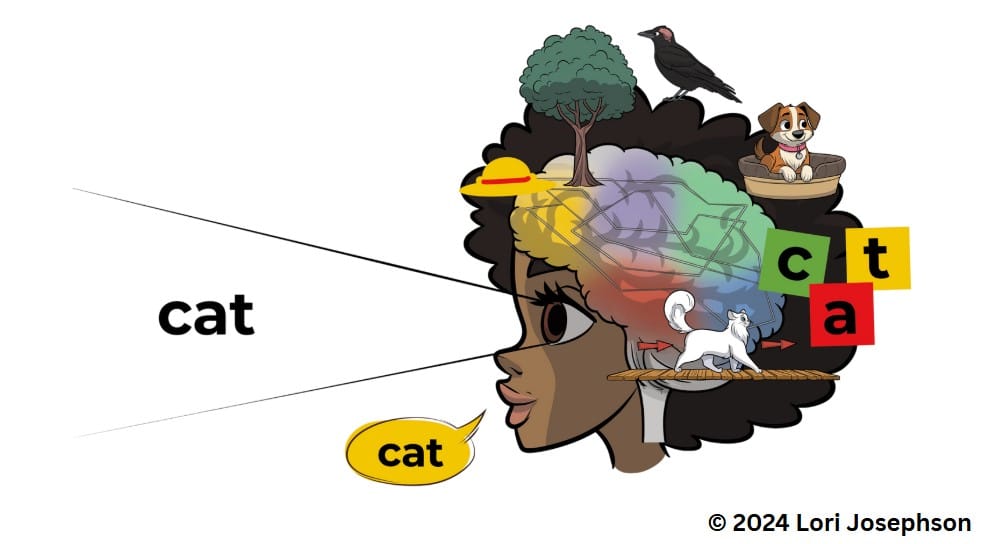
Understand the Code
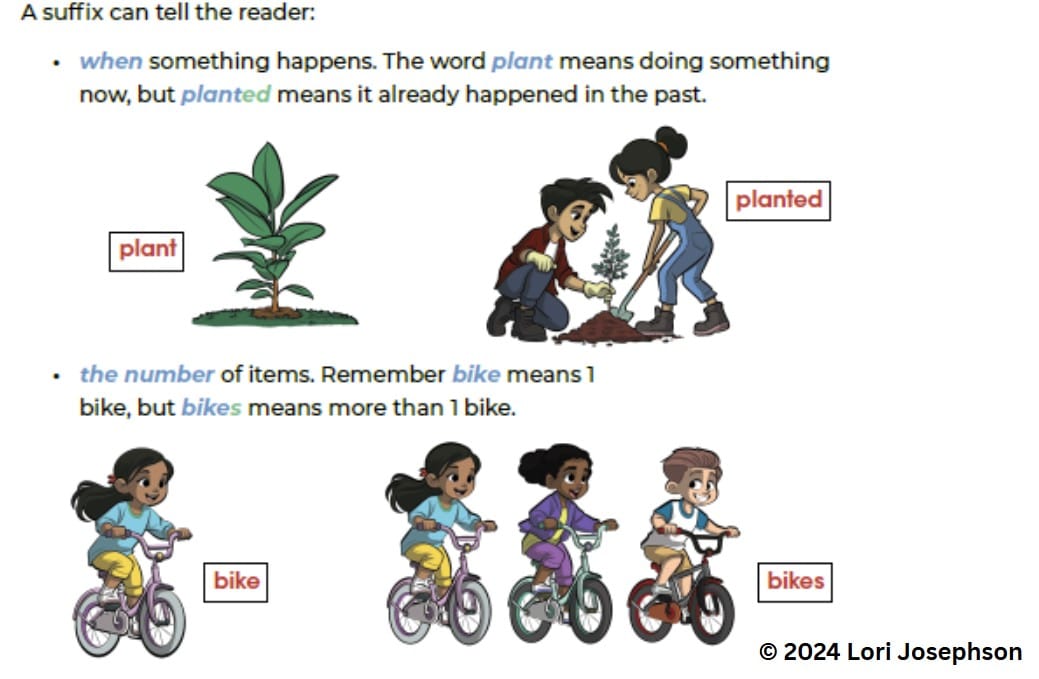
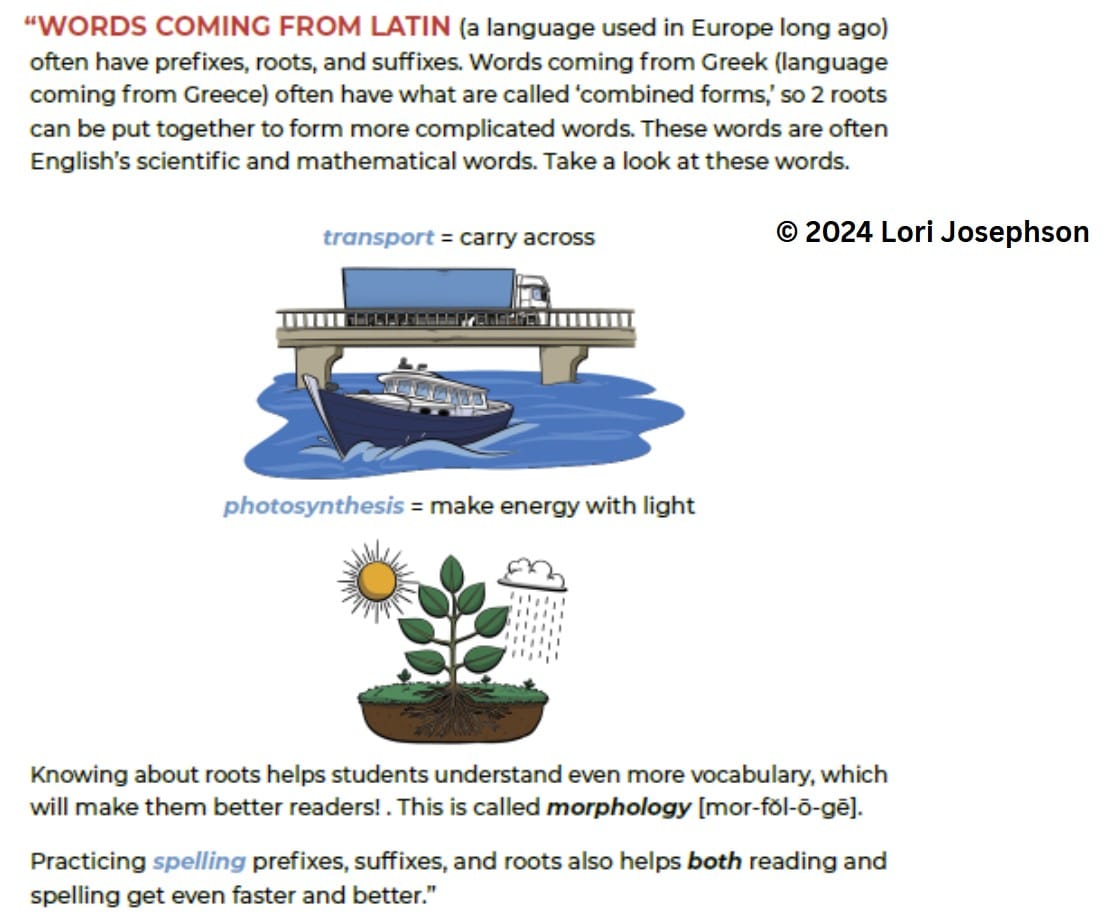
What People Are Saying
What People Are Saying
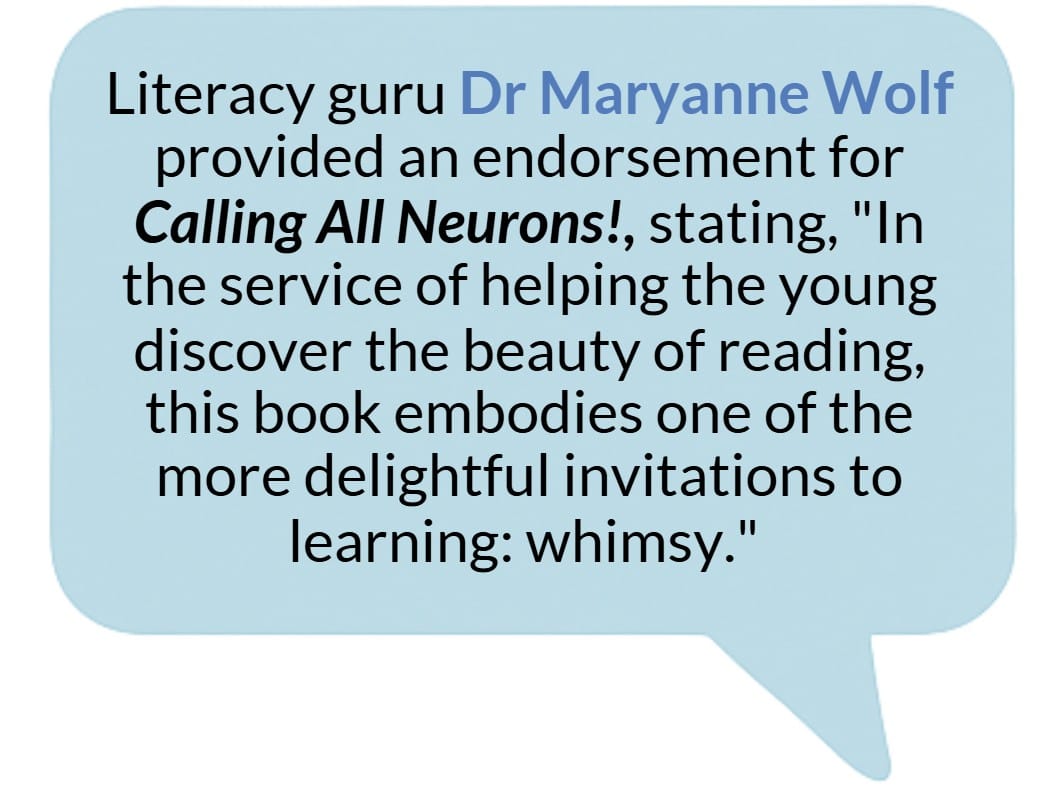
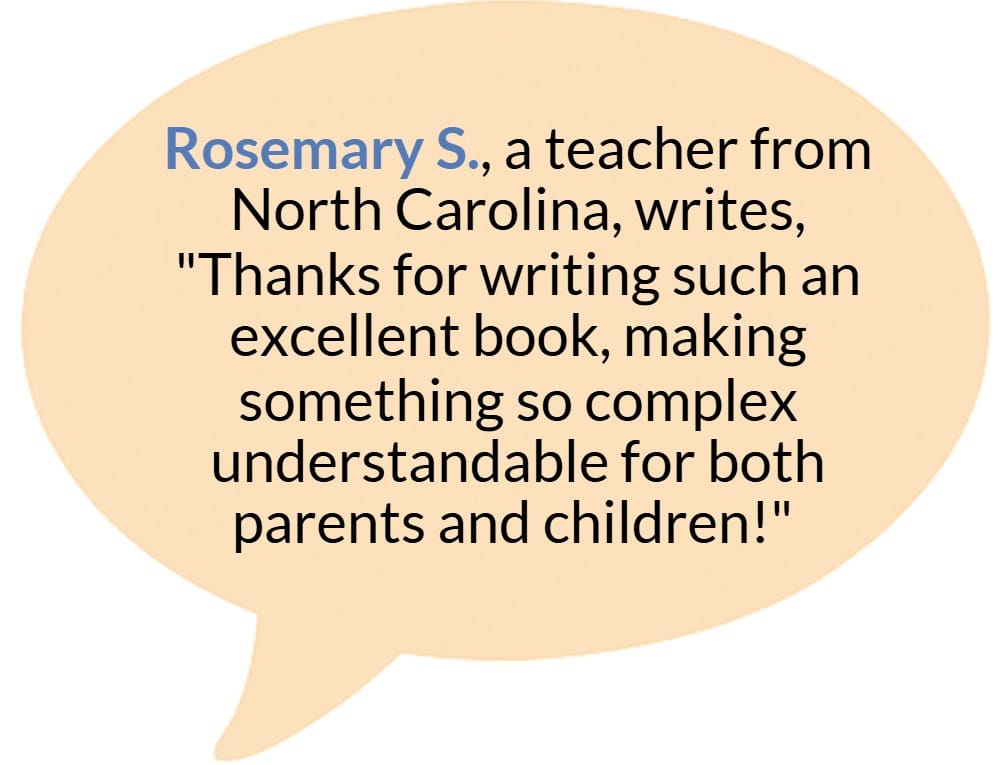
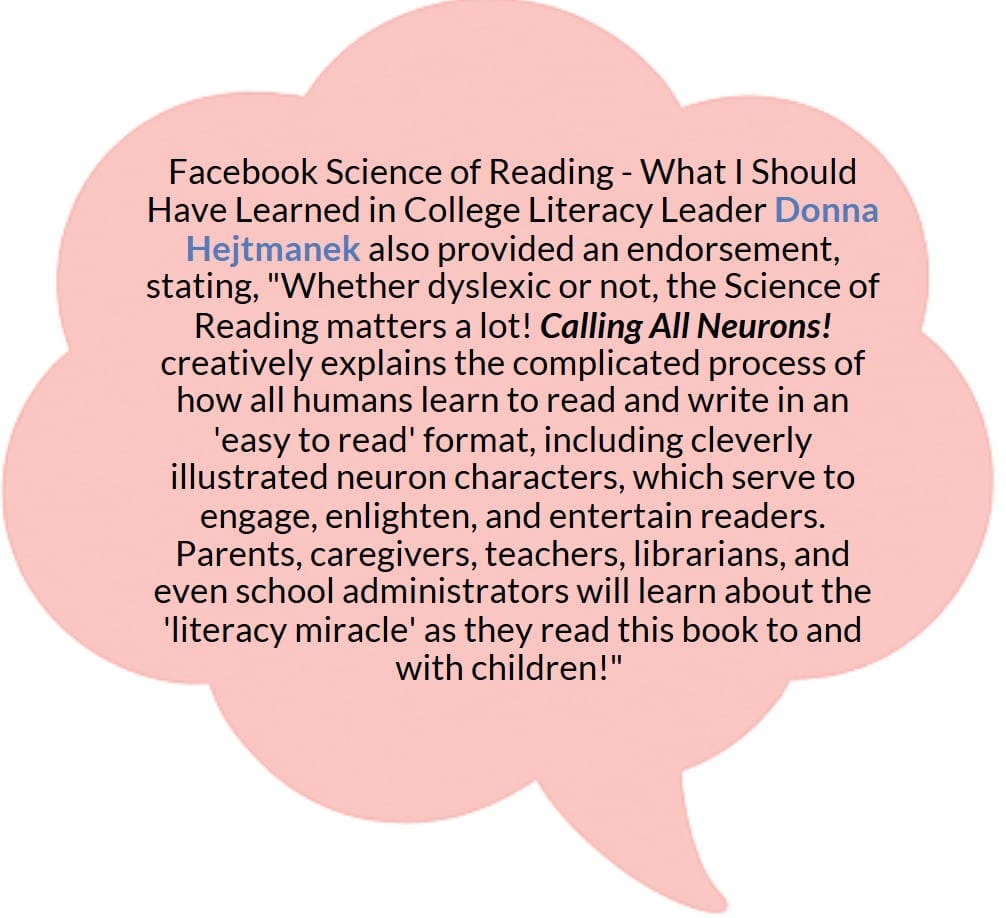
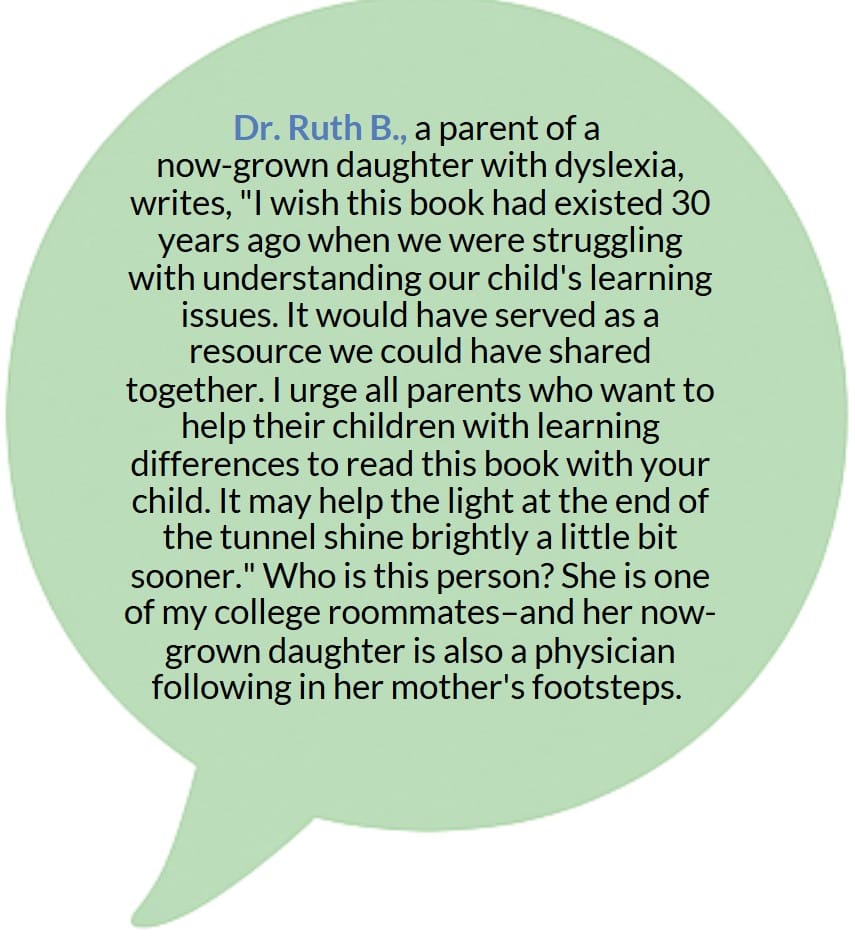
I am both humbled and honored to share this book with the greater community of students, families/caregivers, and educators.
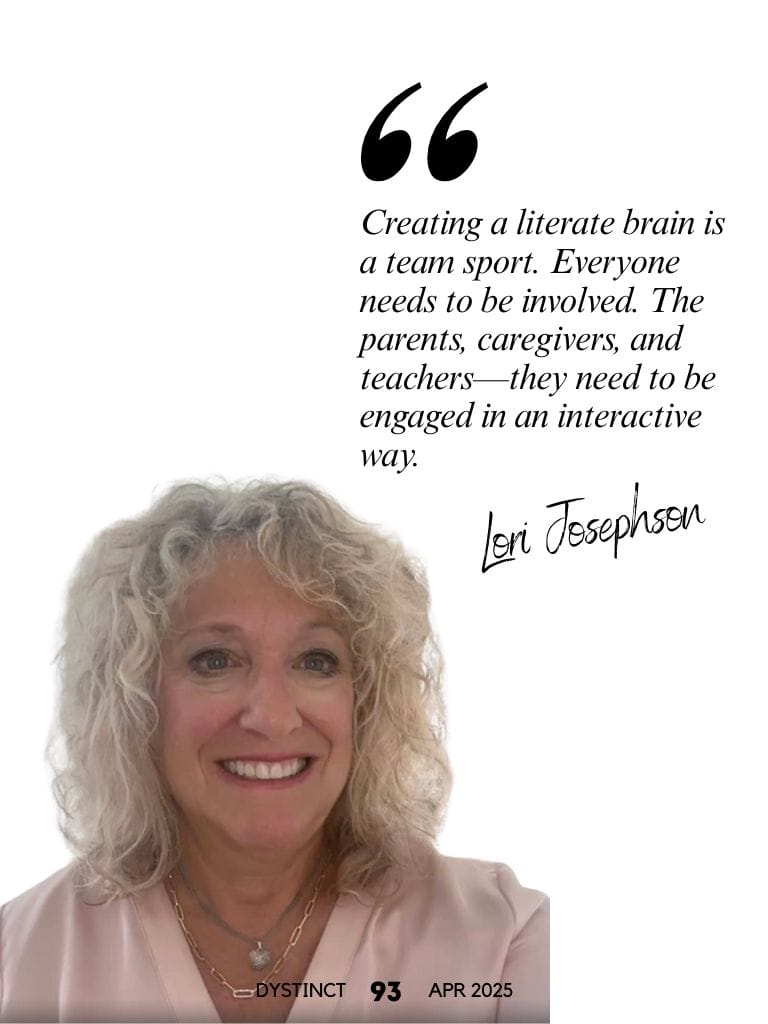
Lori Josephson
Author, Educational Consultant, Dyslexia Specialist & Moderator - Group Expert for Facebook Page Science of Reading-What I Should Have Learned in College | lorijosephson.com | linkedin | x | facebook | instagram
Lori Josephson
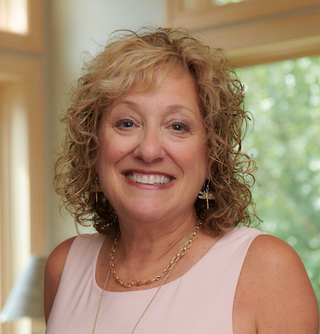
Lori Josephson is an Author | Dyslexia Specialist | Educational Consultant who is a Fellow of the Orton-Gillingham Academy, a retired Wilson Language Trainer, and holds a Master's Degree in Special Education-Learning Disabilities. She has had the privilege of teaching hundreds of struggling students how to make sense of print and text, as well as the honor of working with thousands of teachers training them how to teach and reach their students using methods based upon the complex brain processes involved in attaining literacy, the body of knowledge referred to as the Science of Reading. Her recently published book, Calling All Neurons! How Reading and Spelling Happen, explains how the human brain attains literacy in a fun, easy-to-understand manner where specialized neurons take the stage to provide this explanation. Lori serves as a Moderator of the wildly popular Facebook Group, Science of Reading-What I Should Have Learned in College and is on the Advisory Council of The Northern Ohio Branch of The Dyslexia Association.
BUY BOOK
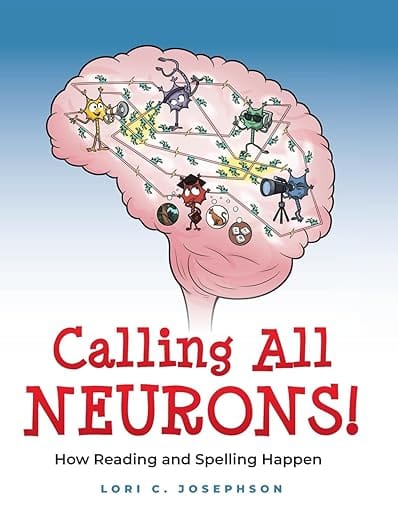
Calling All Neurons!: How Reading and Spelling Happen
This book is for you if:
- You want to reduce the stress and anxiety that accompanies kids' schoolwork.
- You want to know how you can assist your child(ren) and/or student(s) on their literacy journey.
- You want to increase your child(ren)'s and/or students' motivation for reading.
- You want to easily explain and discuss the process of 'how the brain learns to read and spell' to your child(ren) and/or student(s).
Every human being undertakes a process in order to learn "the code of English." This book explains how the brain learns to read and spell. It serves to motivate children, parents, and teachers to be active learners.
Only 32% of children read proficiently at grade level according to national testing. If you suspect dyslexia or other learning disabilities, this book explains the complex process of learning to read and spell to children. In easy-to-understand language, this book's teachings are based on the Science of Reading theories that have been developed over the past five decades.
Extracts from Dystinct Magazine
Extracts from Dystinct Magazine