Issue 29: The Story behind the Neurodiversity Tartan | Chloe Jackson
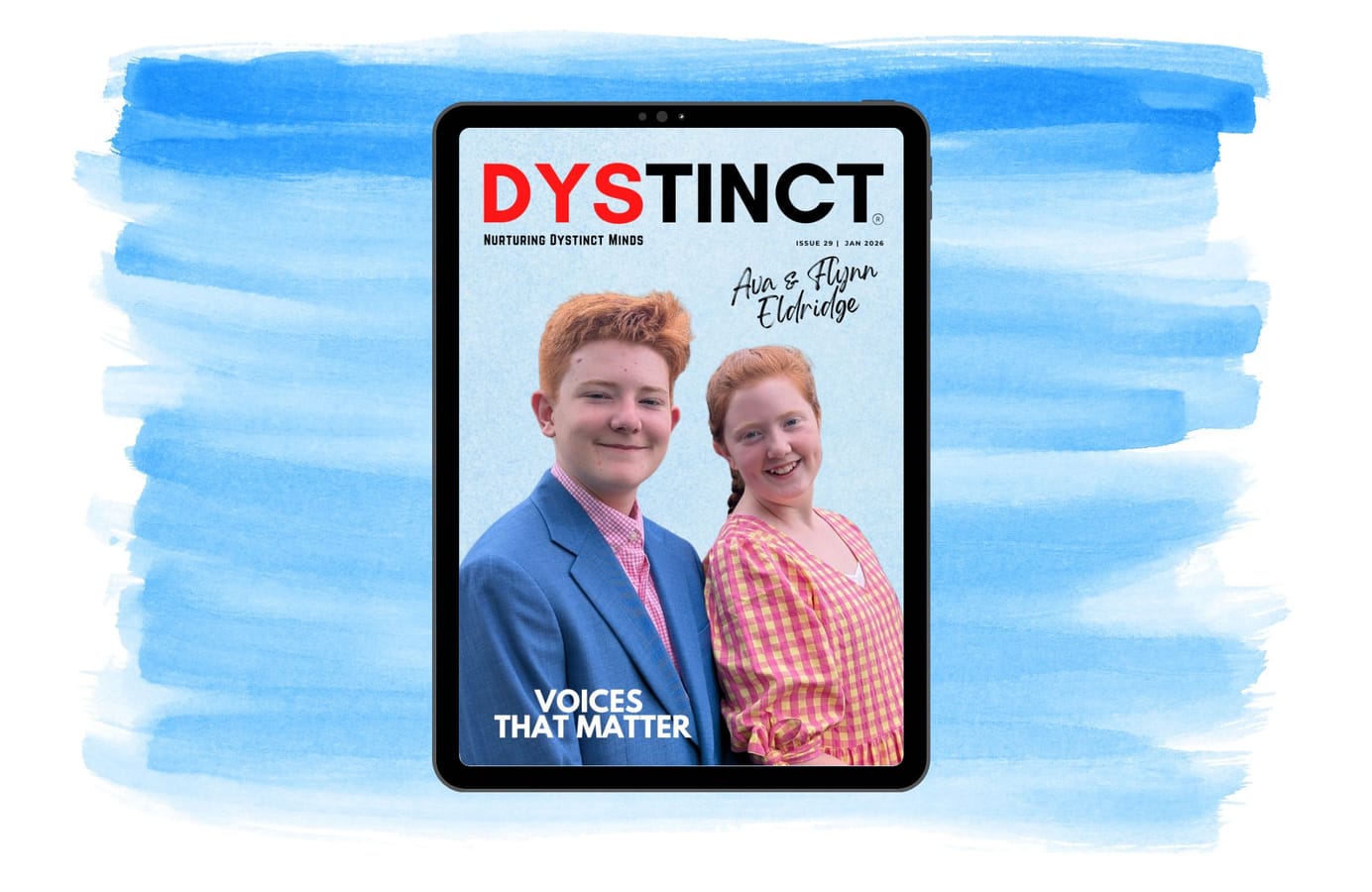
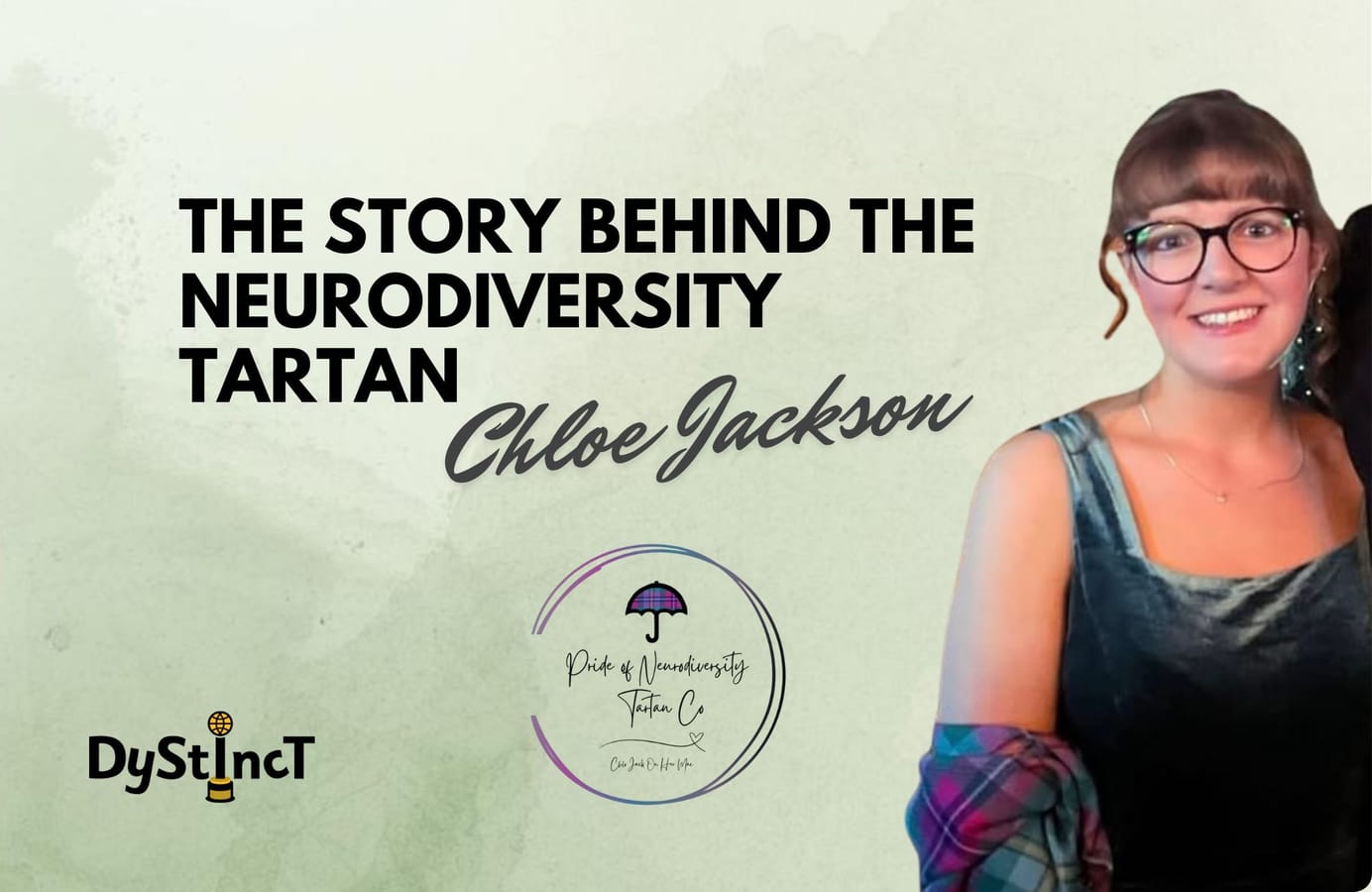
Ava and Flynn Eldridge share how nurse and neurodiversity advocate Chloe Jackson turned her lived experience of dyslexia, ADHD, and autism into the Neurodiversity Tartan, using colour and culture to celebrate difference and foster pride and belonging.


Table of Contents
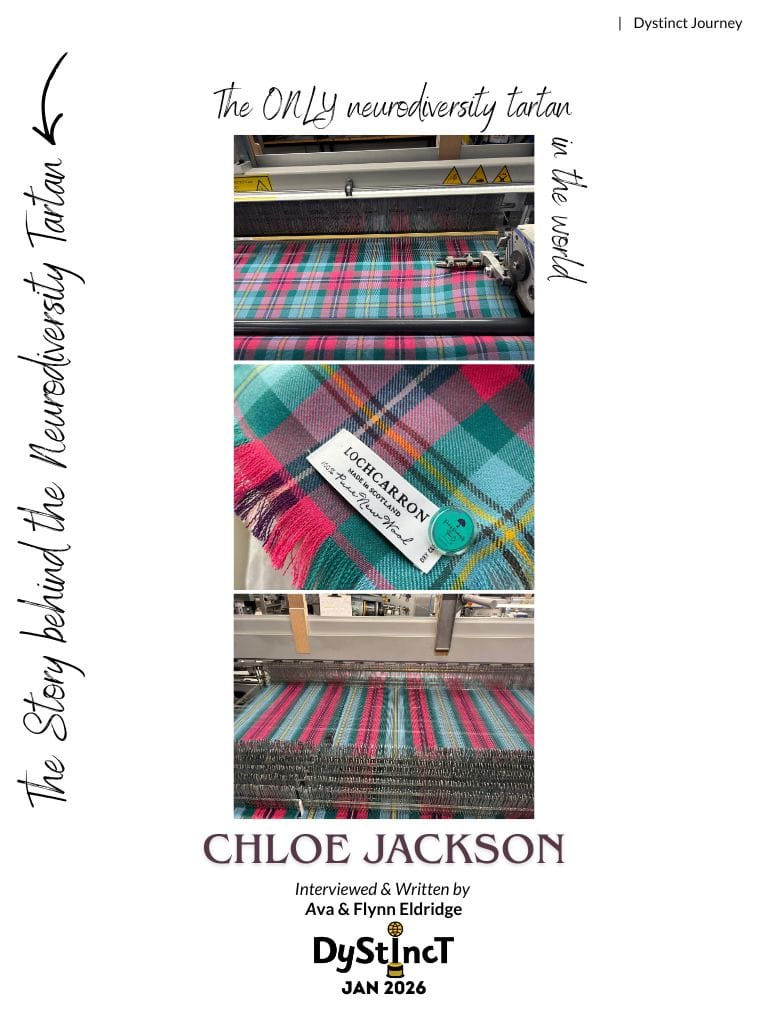
Chloe Jackson is a 30-year-old registered nurse who lives in Aberdeen and grew up in Stonehaven, south of Aberdeen, in Scotland. Chloe has loved fundraising and supporting charities since she was five years old. Family is one of the most important things to Chloe, along with her puppies. Chloe loves going to the sea, being by the beach, music (including vinyl), different crafts, blogging, podcasting, baking and cooking. Chloe has done a lot of voluntary work supporting neurodiversity, including founding a neuro-inclusive choir called “Umbrella A Cappella,” and she is a Royal College of Nursing Learning Representative, supporting the organisation of events and conferences that help neurodivergent and neurotypical nurses understand neurodiversity. Chloe has achieved a lot, and one of her biggest achievements is developing the Neurodiversity Tartan.
Chloe always knew she was different. Chloe attended mainstream school and hated school with a passion. Chloe had little to no friends at school; feeling isolated and alone, she was bullied all the way through primary and secondary school, with secondary school being the worst. She can still remember the feelings and emotions that she felt and the trauma that she endured. She faced painful misunderstandings, discrimination, humiliation and disbelief from teachers and class members. Chloe didn't achieve her academic potential because she was consumed by emotions and distractions from bullying by teachers and people whom she thought were her friends.
Teachers made Chloe feel that she was not good enough, not clever enough, and that she would not get anywhere in life. There was little understanding, awareness, empathy and patience when she was at school. Chloe was diagnosed with dyslexia, dyspraxia and dyscalculia officially during her first degree in her early 20’s, then diagnosed with ADHD and Autism when she was 27 years old. Two of Chloe’s beloved puppies died within six weeks of each other, and this led Chloe to realise that she might have ADHD, as her much-loved puppies were one of her “eye sparkles”, the term she uses for areas of hyperfocus. Chloe realises now that many neurodivergent people could have had different outcomes, and that school systems are not equipped to support neurodivergent individuals. Advocating for neurodivergent people has since become an additional “eye sparkle”.
There was very little understanding, awareness, empathy and patience when I was at school.
If I had one wish for neurodivergent people it is that they receive the belief of at least one meaningful teacher in their life that adapts to the needs of their learning; this understanding and belief can be the making of an individual.
Chloe is grateful for a little plaque that her mum gave her before school exams. It said, “Nothing is impossible if you just believe.” Chloe’s Mum and Dad, and a select few teachers, nurtured and encouraged her to follow her dreams. Chloe went on to achieve many higher education qualifications in different subjects. Chloe has a BSc, an Honours degree and a Master's degree. Chloe never dreamed of graduating once, never mind 4 times, and maybe another 1 or 2 graduations to come! Chloe wants neurodivergent people to believe that they have so much to offer the world and that they just need to believe in themselves. It just takes a select few people, even one person, to instil belief and give strength to go on to achieve true potential. This support is priceless!
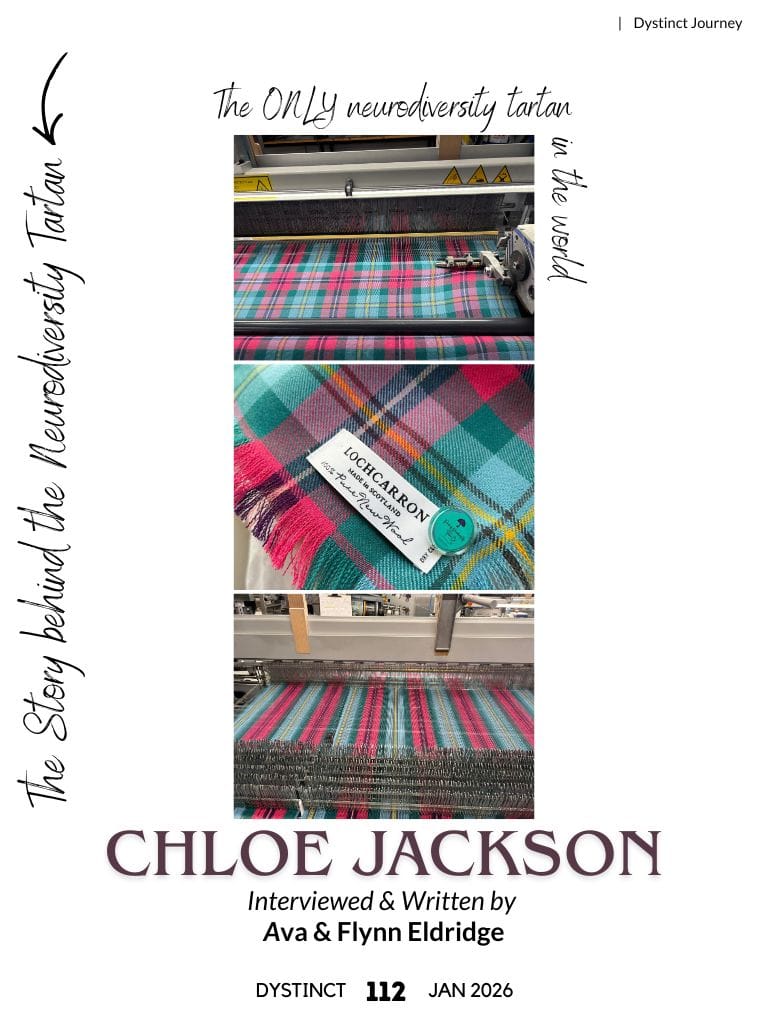
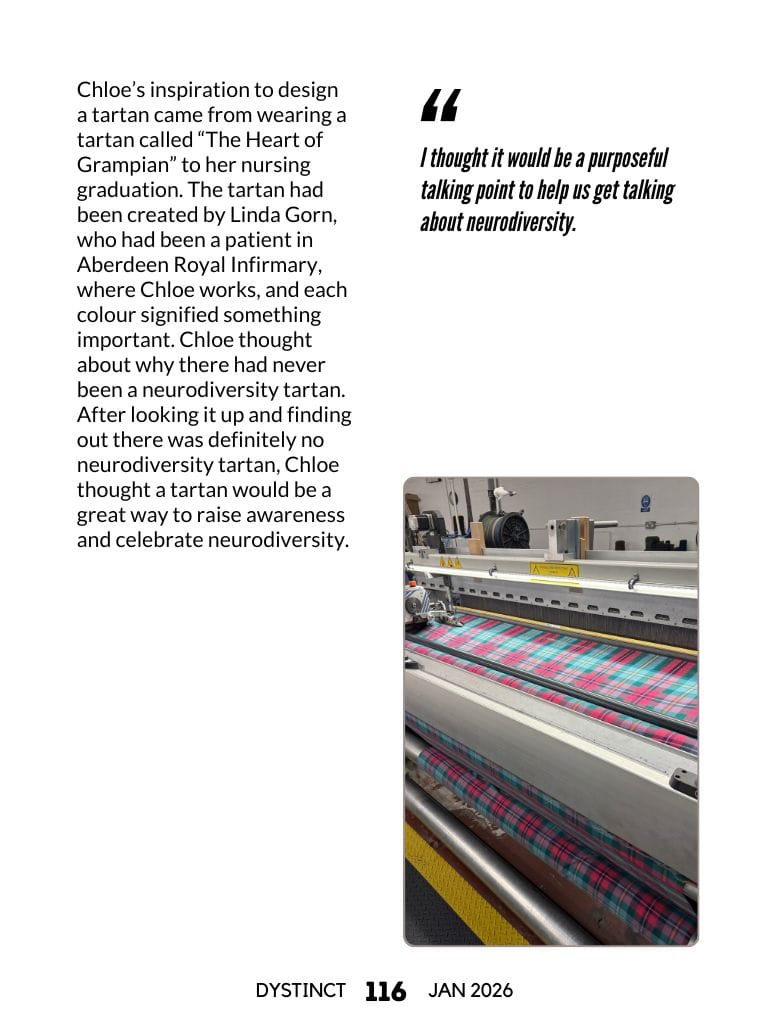
Chloe’s inspiration to design a tartan came from wearing a tartan called “The Heart of Grampian” to her nursing graduation. The tartan had been created by Linda Gorn, who had been a patient in Aberdeen Royal Infirmary, where Chloe works, and each colour signified something important. Chloe thought about why there had never been a neurodiversity tartan. After looking it up and finding out there was definitely no neurodiversity tartan, Chloe thought a tartan would be a great way to raise awareness and celebrate neurodiversity.
I thought it would be a purposeful talking point to help us get talking about neurodiversity.
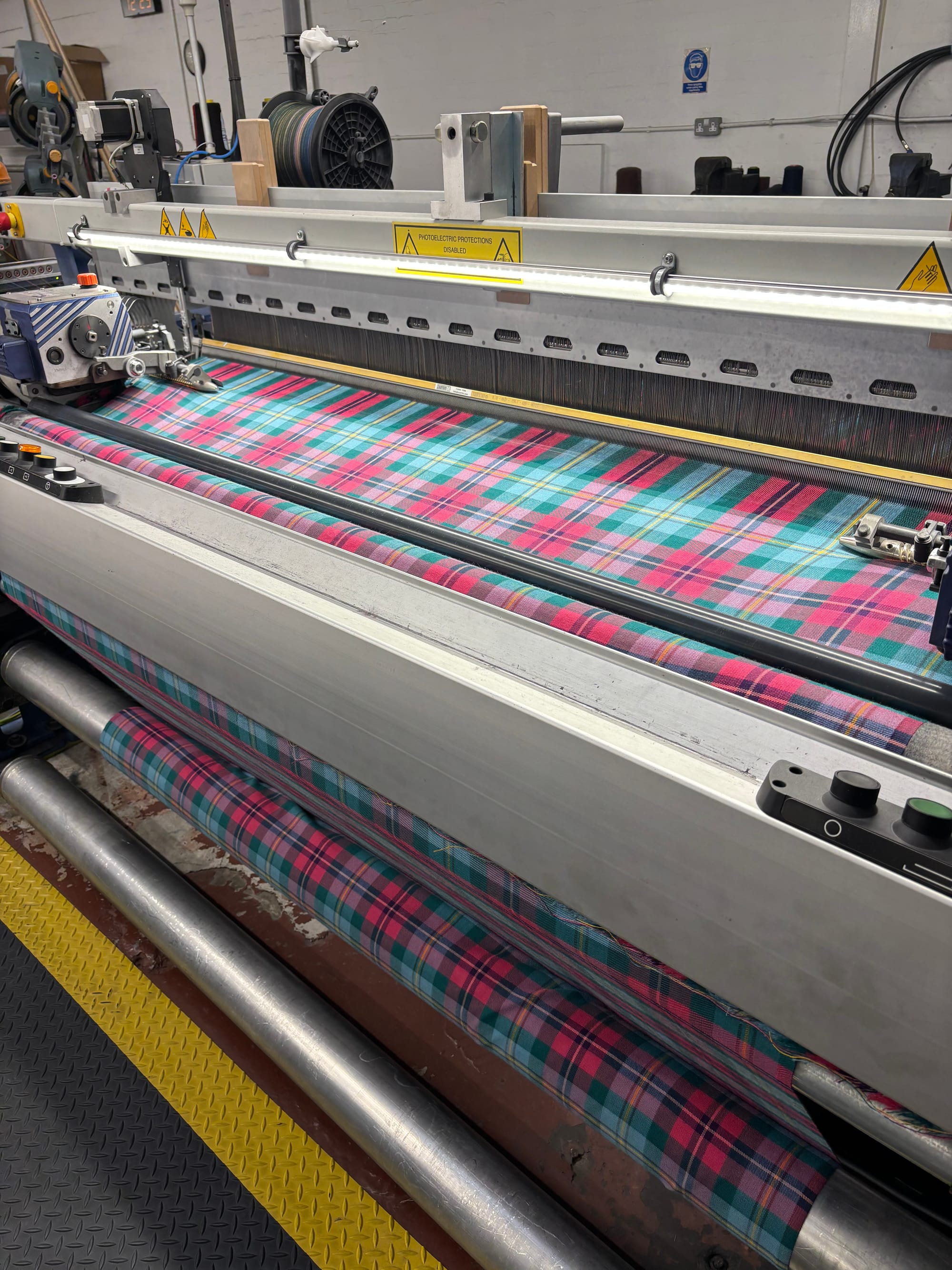
The tartan has proven to do what it was designed for. It sparks positive conversations with people about neurodiversity to educate them. It has also brought a lot of comfort to those who have had a new diagnosis.
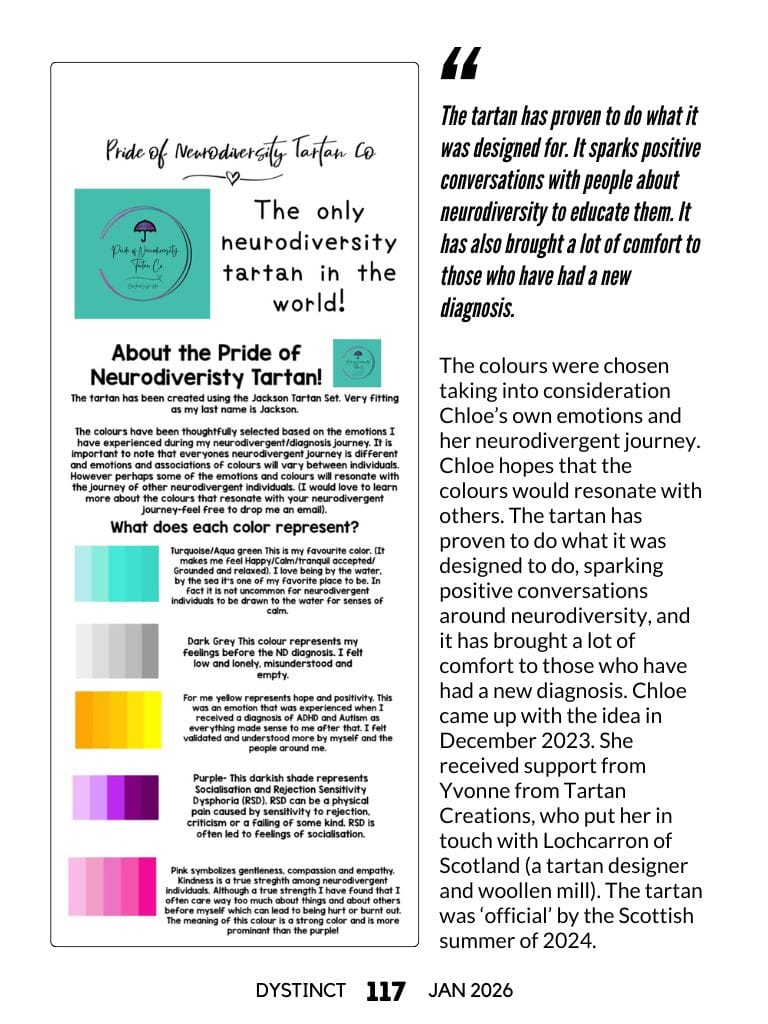
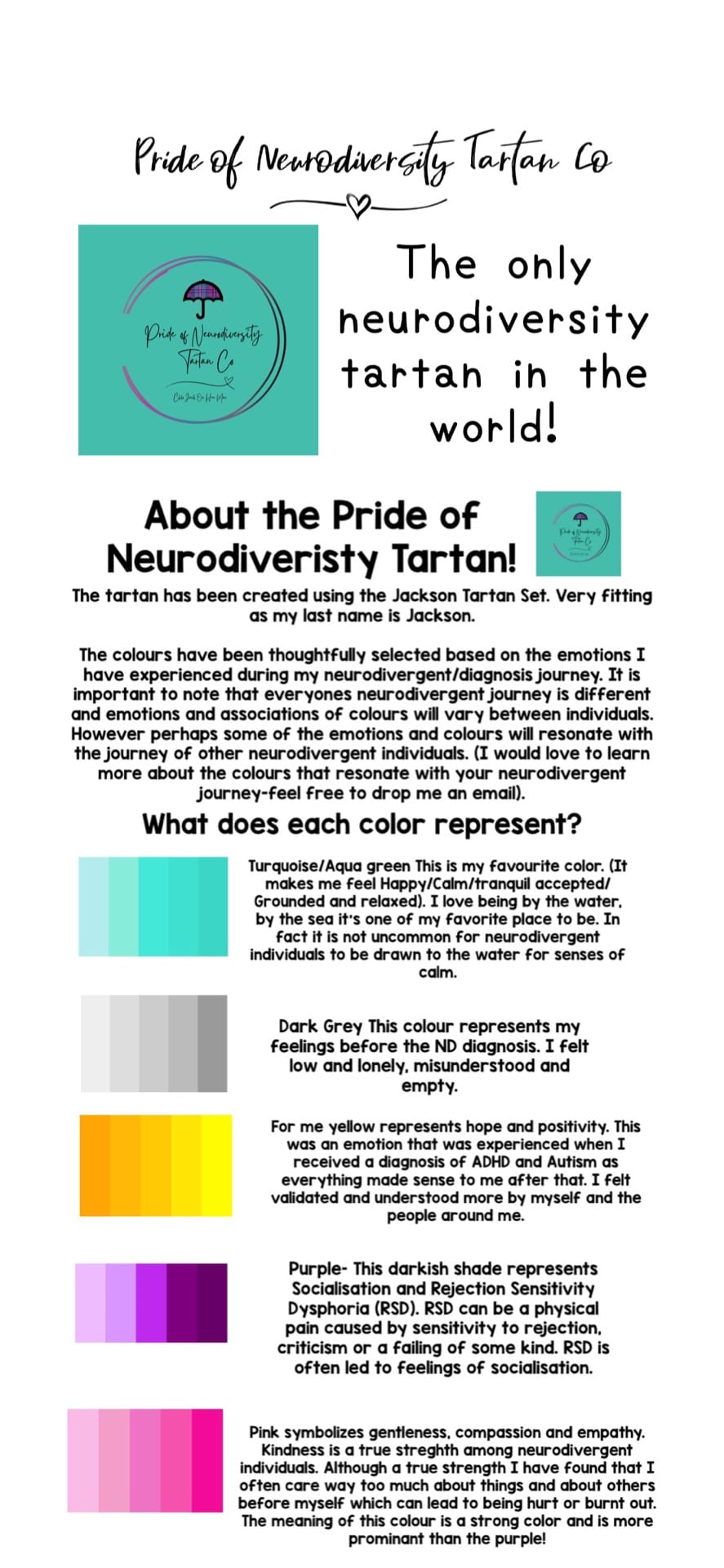
The colours were chosen taking into consideration Chloe’s own emotions and her neurodivergent journey. Chloe hopes that the colours would resonate with others. The tartan has proven to do what it was designed to do, sparking positive conversations around neurodiversity, and it has brought a lot of comfort to those who have had a new diagnosis. Chloe came up with the idea in December 2023. She received support from Yvonne from Tartan Creations, who put her in touch with Lochcarron of Scotland (a tartan designer and woollen mill). The tartan was ‘official’ by the Scottish summer of 2024.
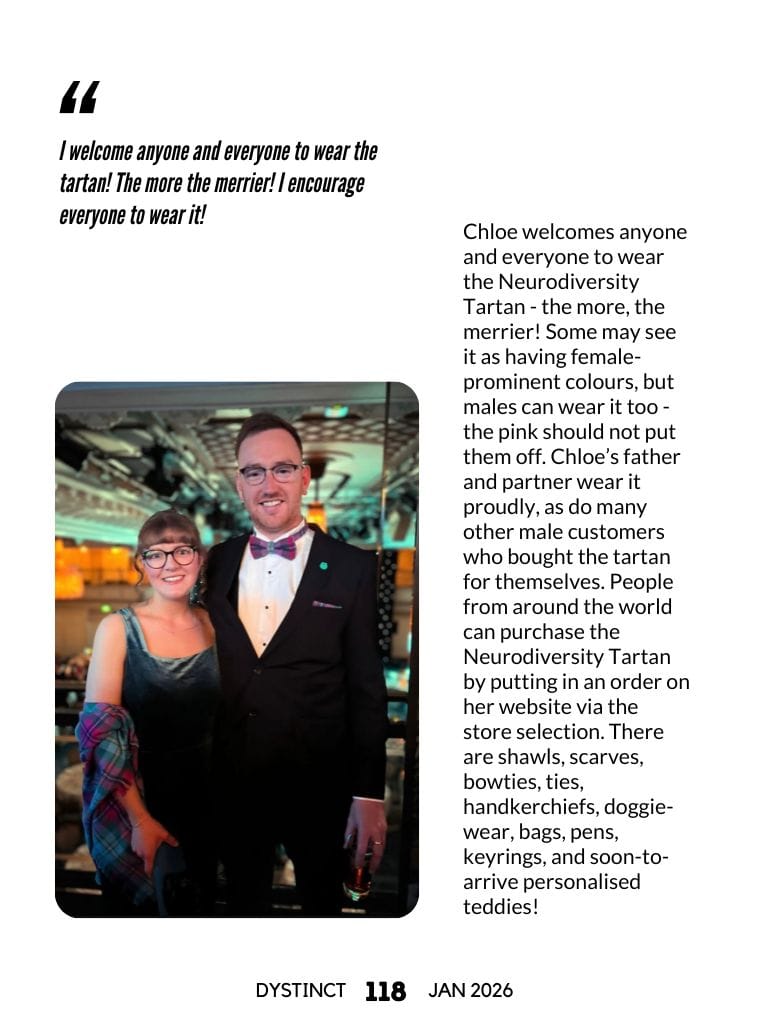
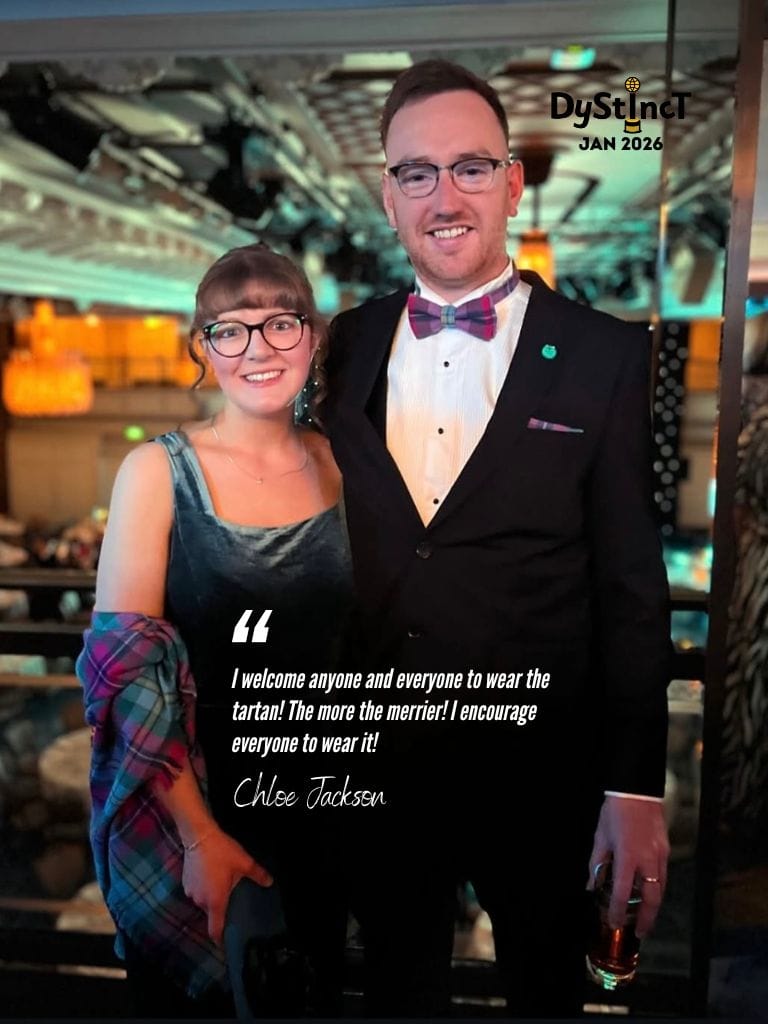
Chloe welcomes anyone and everyone to wear the Neurodiversity Tartan - the more, the merrier! Some may see it as having female-prominent colours, but males can wear it too - the pink should not put them off. Chloe’s father and partner wear it proudly, as do many other male customers who bought the tartan for themselves. People from around the world can purchase the Neurodiversity Tartan by putting in an order on her website via the store selection. There are shawls, scarves, bowties, ties, handkerchiefs, doggie-wear, bags, pens, keyrings, and soon-to-arrive personalised teddies!
Chloe has demonstrated grit and resilience, leaving school, where she was perceived as going nowhere, to prove that she is an amazing person with so much to give. She is an entrepreneur, a successful student, and an advocate. In 2024, Chloe Jackson was recognised as the RCN Scotland Student Nurse of the Year for her efforts in advocating for and supporting neurodivergent nurses. Chloe continues to give and give, happy knowing her difference, even after a challenging school life where ‘different’ had a price.
The word equity is how I describe reasonable adjustments; I didn’t get extra time just for the sake of it. I would have far rather not have had additional support and be able to do what others can, but I need the support, to be at the same level as everyone else and I am not ashamed of that. All of my diagnoses have enabled me to receive the support that I need to manage and be successful. We all learn in different way and at a different pace.
Chloe Jackson
neurodiversitytartan.co.uk | facebook | instagram | wordpress | spotify
Chloe Jackson
Extracts from Dystinct Magazine
Extracts from Dystinct Magazine