Issue 30: The Dystinct Journey of Aden Hynes
Aden Hynes shares that being written off at school did not define his future; instead, it pushed him to find his strengths in creativity, leading him to build a successful sculpture business.


Table of Contents
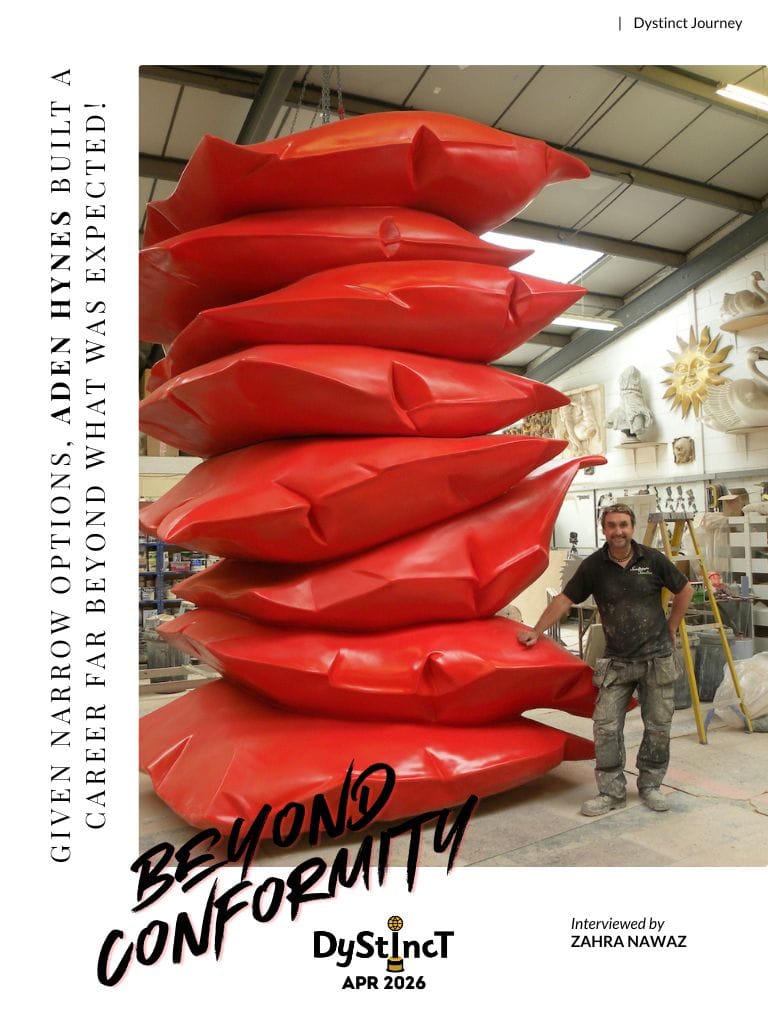
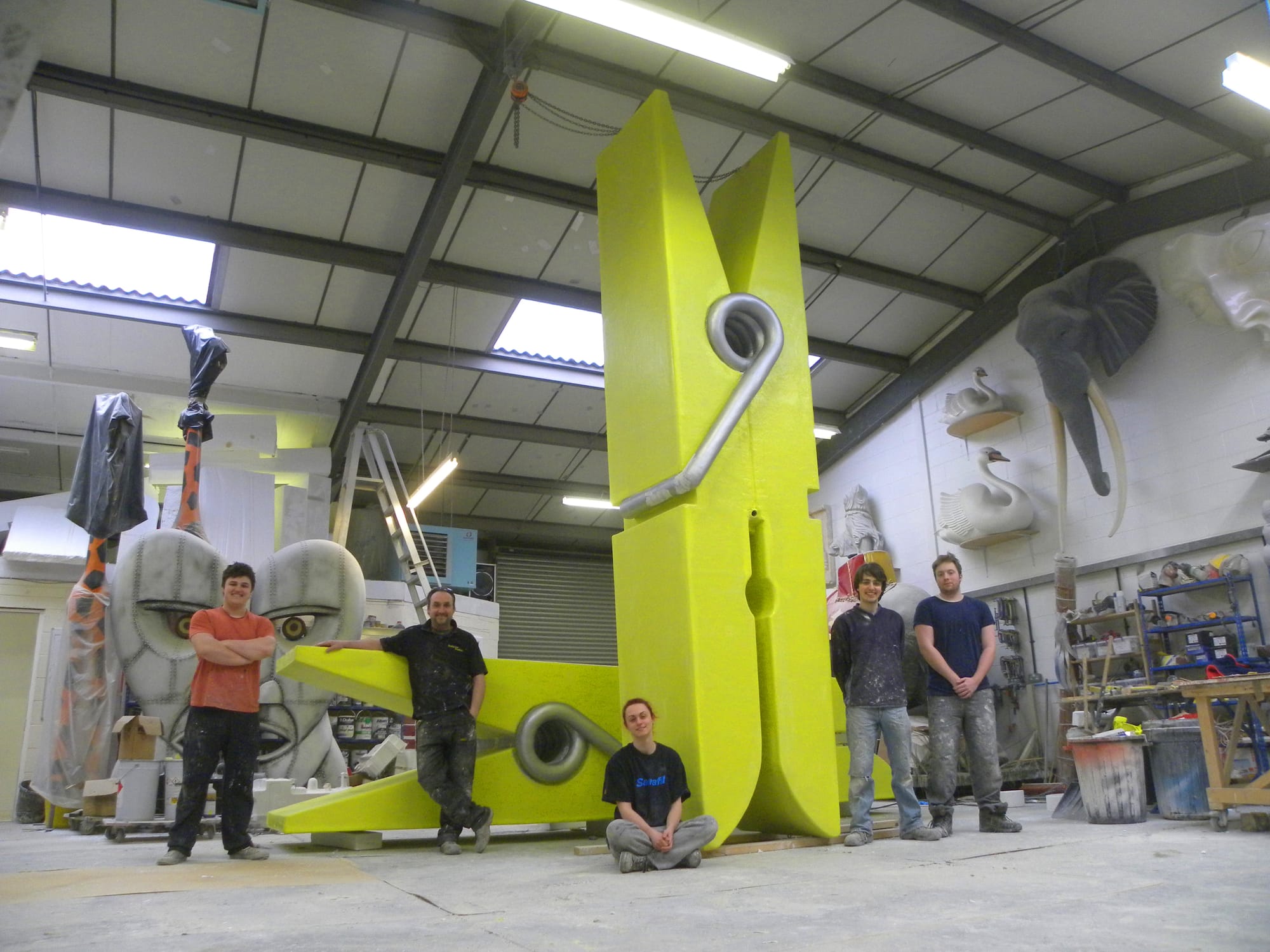
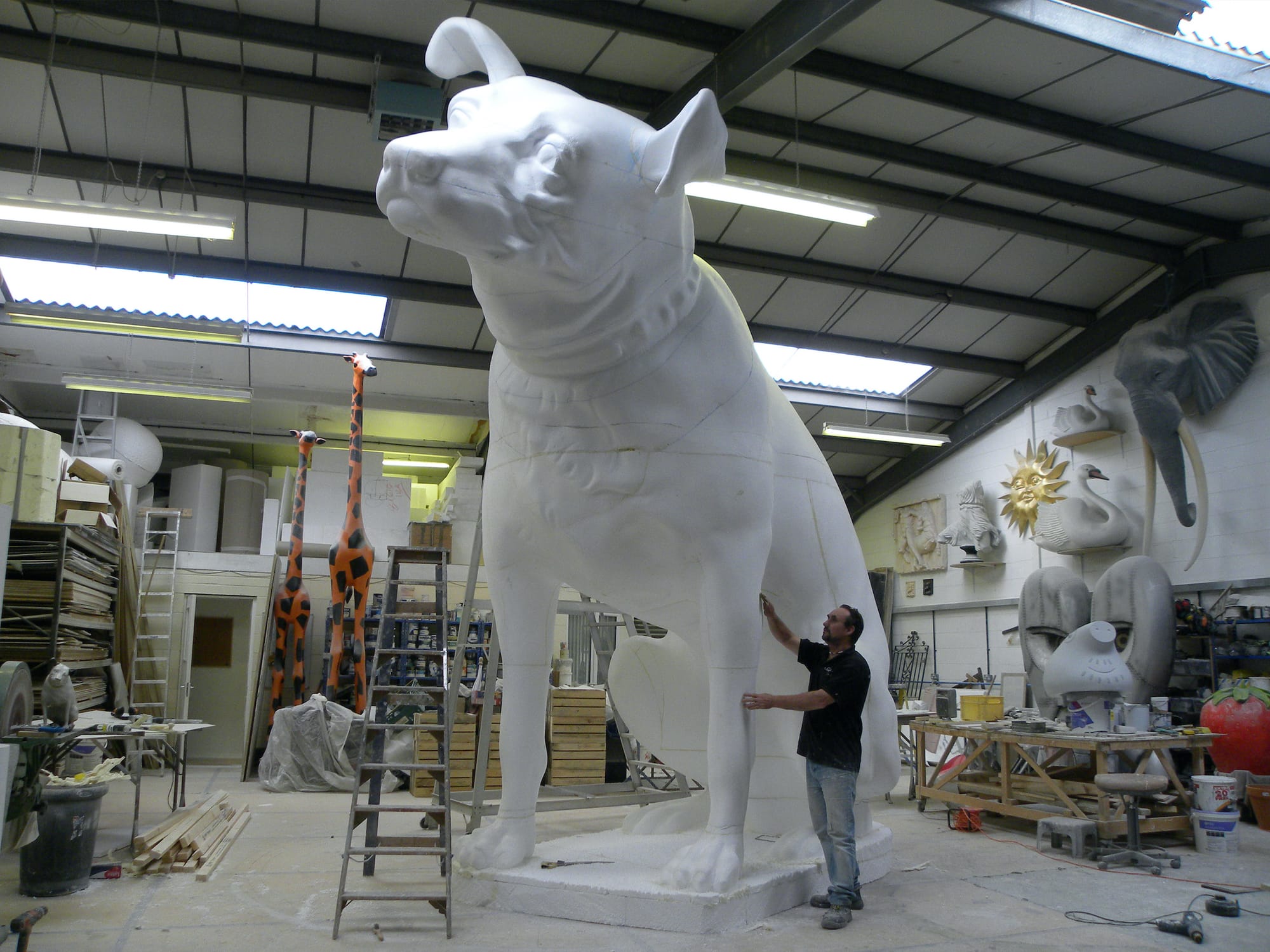
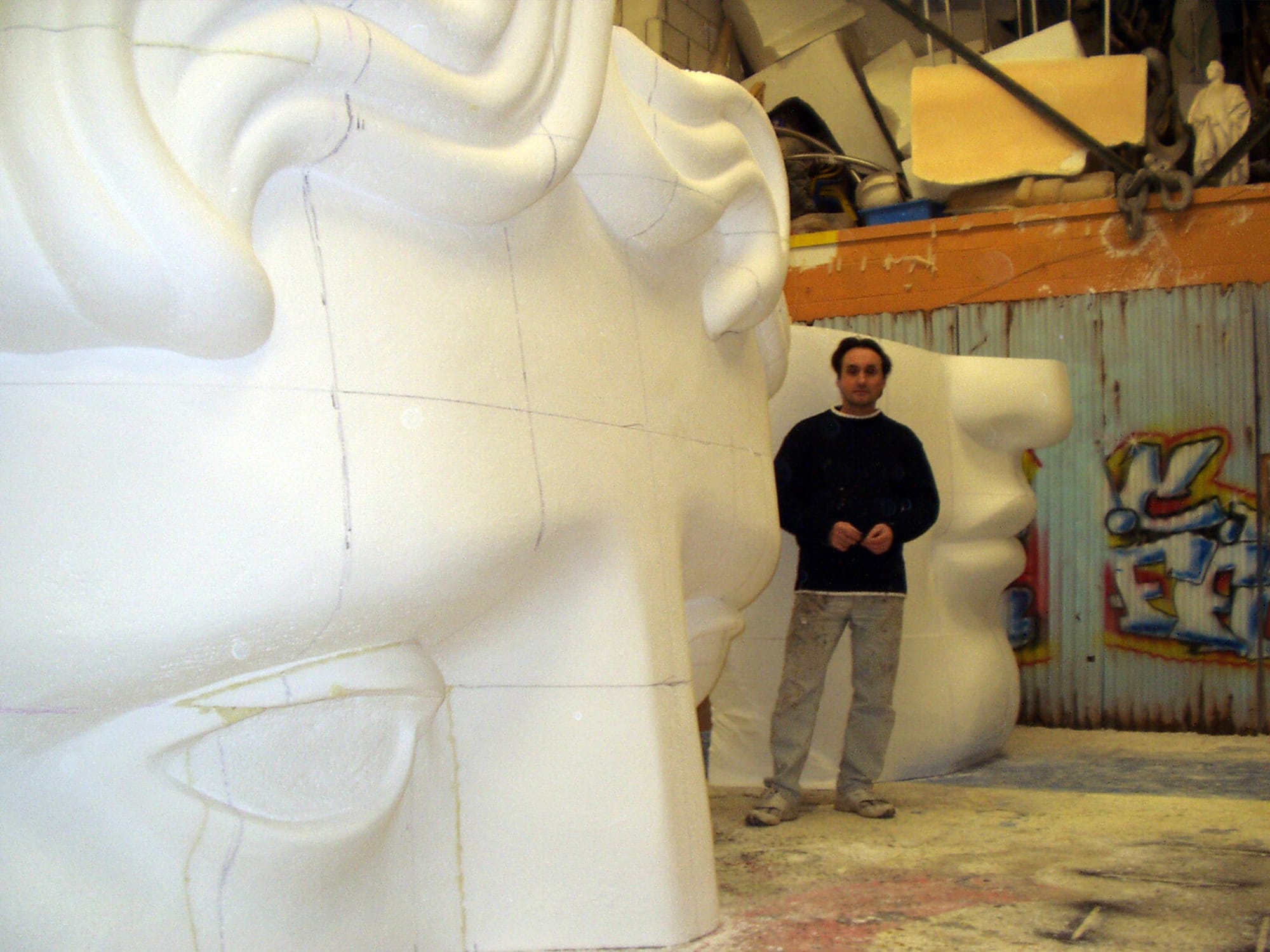
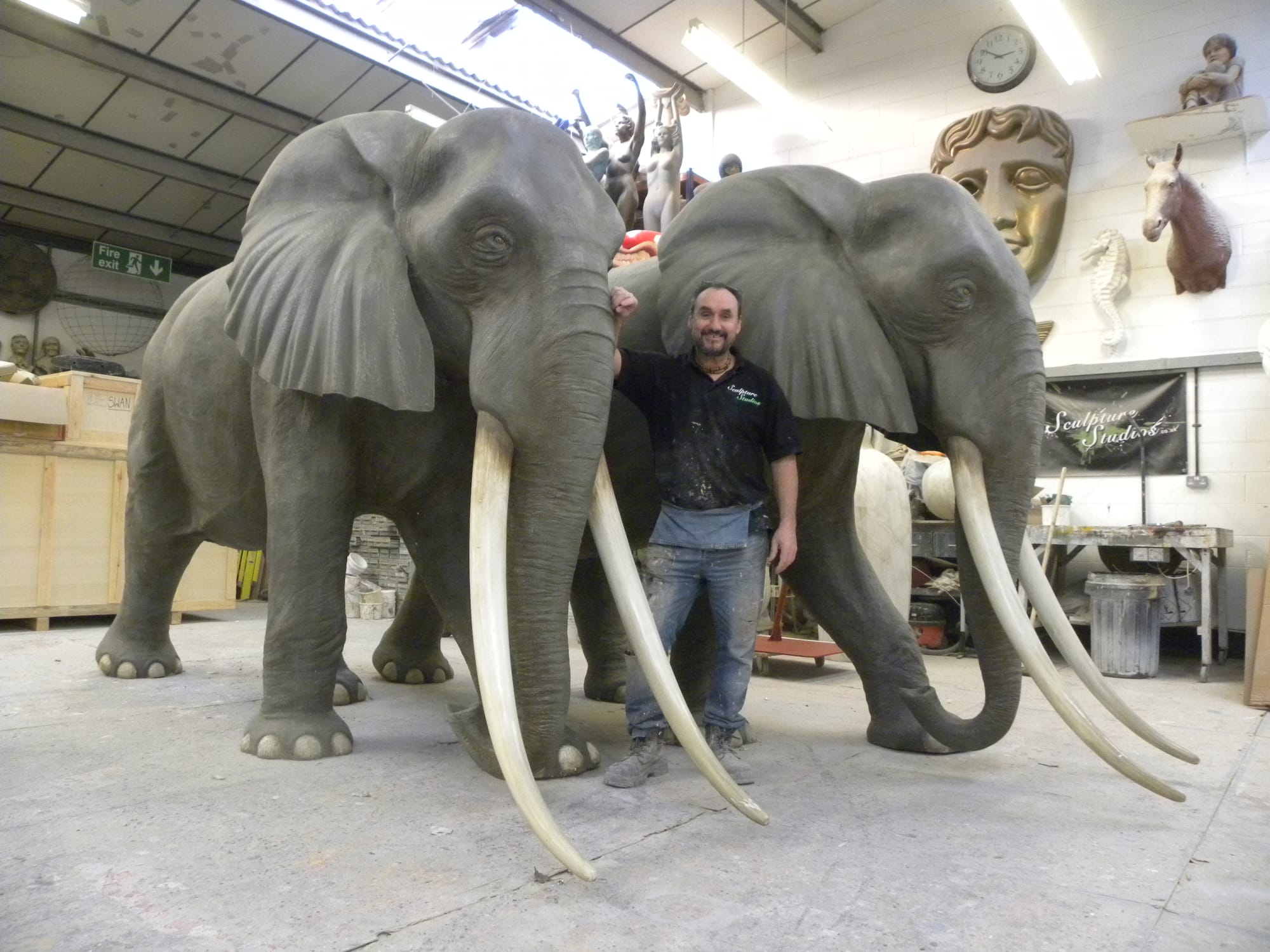
Aden Hynes runs Sculpture Studios in Basildon, a business he has built over nearly four decades. Known for his ability to turn ideas into striking, large-scale sculptures and installations, his work spans a wide range of commercial projects, grounded in years of hands-on experience. He has built his business on instinct, creativity, and sheer hard work, a path he might never have taken had he followed the advice of his school careers adviser, who once suggested he become a window cleaner.
Dystinct Journey
Dystinct Journey
Choosing his own path did not come out of nowhere. For most of his school years, Aden had already grown used to being made to feel different. One memory that has stayed with him from the start of secondary school is being assigned to a form tutor class. He remembers an assembly of around 200 students, all waiting to be placed into their classes, as names were called one by one. The top sets went first, then the next, and the next, until the hall slowly emptied, leaving Aden still sitting there with around 25 others. “Everyone got called apart from us. We were just told to follow Mr Taylor. We were never called by name.” They were then placed in what was known as the “thicky class” and told they were the year's lowest achievers. “Not the best start. You feel judged before you’ve even got going,” Aden shares.
Being placed in the “thicky class” also meant very little was expected of them. Aden recalls a lack of consistency, with no real sense of direction or support. “Our class never really had a proper form teacher,” he shares. “We always seemed to have stand-in teachers or substitutes, who weren’t really bothered with us. They knew we couldn’t read or write well, and rather than getting involved, they would just tell us to do something until break time.” It reinforced the feeling that they had already been written off.
We were informed that we were the lowest achievers in our year, not the best start to a new school. It made us feel singled out and judged before we’d even got started at secondary school.
At the same time, that lack of attention meant the students began looking out for each other. “Our class bonded quite quickly, probably more than the other classes.” Even students outside the class showed unexpected kindness. He remembers being pulled out of lessons for one-to-one reading support, something that felt exposing at the time. “I thought it was going to be with a teacher. But when I realised it was another student in the same year as me, it made it all the more embarrassing.” Paired with a boy he describes as a “loudmouth” and a “show-off,” Aden braced himself for the worst. “I thought by lunchtime he would have told the whole school my secret.” Instead, the opposite happened. “He didn’t. Over time, he became a friend and actually helped me out,” shares Aden.
There was very little about the academic work at school that held Aden’s attention. But what did begin to stand out during those years was his love for art. Aden fondly remembers Mrs Westerman, the Head of the Art Department, as someone who saw something in him that others had not. “She was a large, enthusiastic blond woman, a wonderful teacher,” he shares. “I always liked art, and she encouraged me to draw, use clay, collage, and so on.”
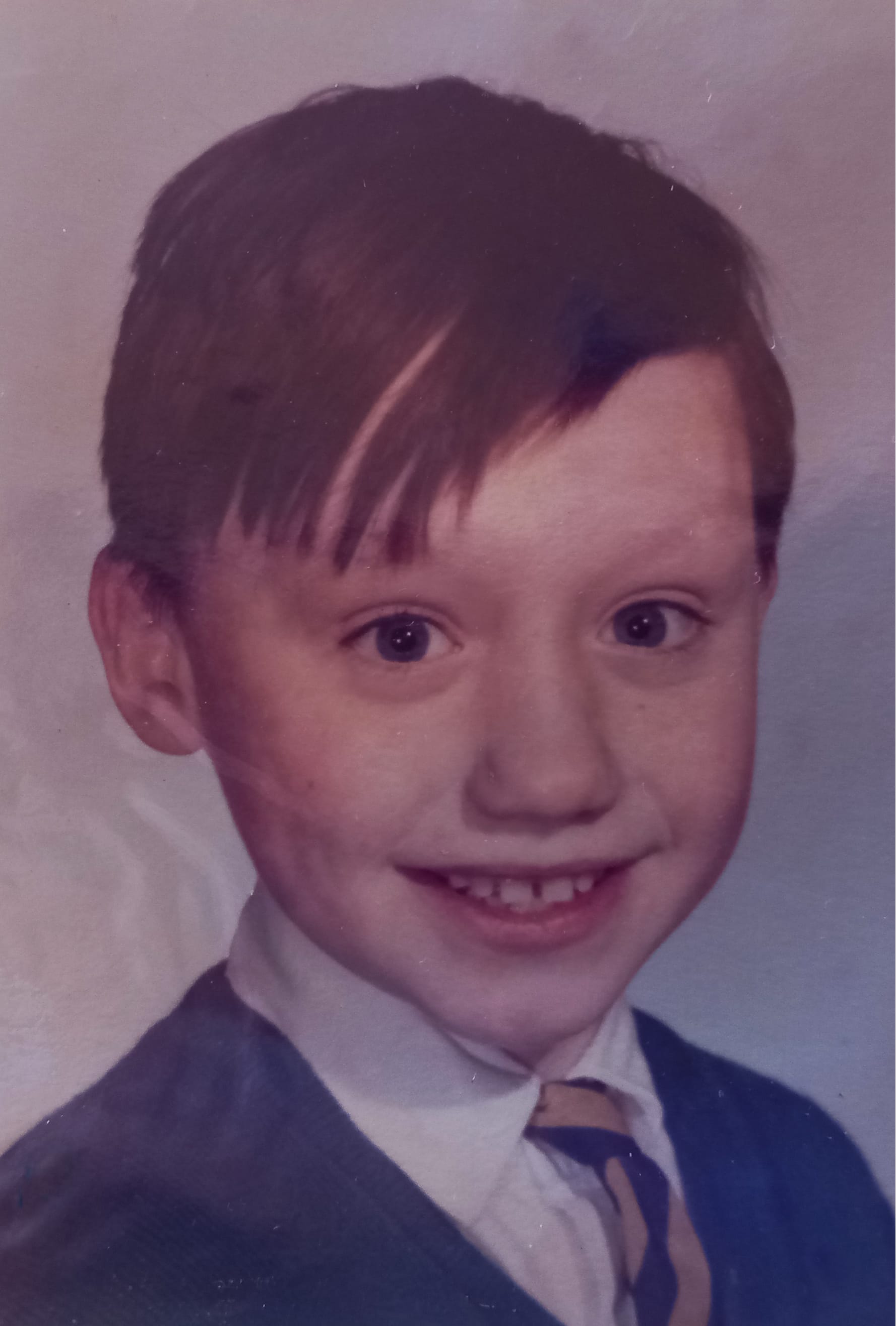
At a time when many students would skip school, Mrs Westerman offered an alternative. “She used to say,’ Don’t bunk off school, come to art instead, miss the lesson you don’t like, then go back to the next one.’ So, I spent a lot of time in her class,” he shares. More than anything, it was the attention she gave him that made the difference. “No other teacher ever spent as much time with me as she did. She gave me tips and advice and just encouraged me to turn up.”
When Mrs Westerman announced that students could display their work in an art room exhibition, he decided to put everything into it. He created five very large paintings, along with collages and clay sculptures, and put them up without giving it much more thought. A few days later, the work was acknowledged in assembly, and a winner was announced. He had won. “It was the first time I had ever won anything. I was so happy.”
Not every adult he encountered at school saw the same potential, or the same possibilities for his future. Aden recalls a moment that could easily have shaped his future differently. He remembers lining up with his classmates outside the careers adviser’s office, waiting to be called in one by one. When it was his turn, he walked into the room and sat down. “He didn’t even look up. He just said, ‘Sit down, Mr Hynes.’” Asked what he wanted to do for a living, Aden admits he did not know. The adviser then asked what his father did. “I said he was a window cleaner.” The response was immediate. “Good, be a window cleaner.” When Aden pushed back and said that was not what he wanted, the suggestion shifted slightly, but the tone did not. “He then said I could work on a production line in a local factory.” The conversation ended there. “Sorted. Call the next person in on your way out.”
Feeling unseen and brushed aside, he headed to the one place at school that was his safe space, the art room. “It wasn’t what I wanted. I had friends working in London doing all sorts of things other than cleaning windows. I knew I could do most things with a little practice,” Aden reflects. Looking back, he sees it as another example of people at school who put in very little effort to understand the children they were meant to help. “Much like the substitute teachers, it just felt like someone coming in to tick a box,” he shares.
Without Mrs Westerman’s intervention, I honestly don’t know where I would be now.
It was Mrs Westerman who offered a different way forward. When Aden told her what had happened, her response was immediate. “She said, ‘Have you thought about going to art college?’” he recalls. Rather than following the usual route, she encouraged him to go straight into a foundation course. “She said, don’t bother with sixth form, save a year and go straight into a two-year foundation course in art.” It was a suggestion that shifted everything. “That sort of encouragement felt like a push in the right direction,” he shares. “Someone actually considered my talents for a change.” Looking back now, the significance of that moment is not lost on him. “Without her intervention, I honestly don’t know where I would be now. Most likely something still practical, but maybe just something more trade based.”
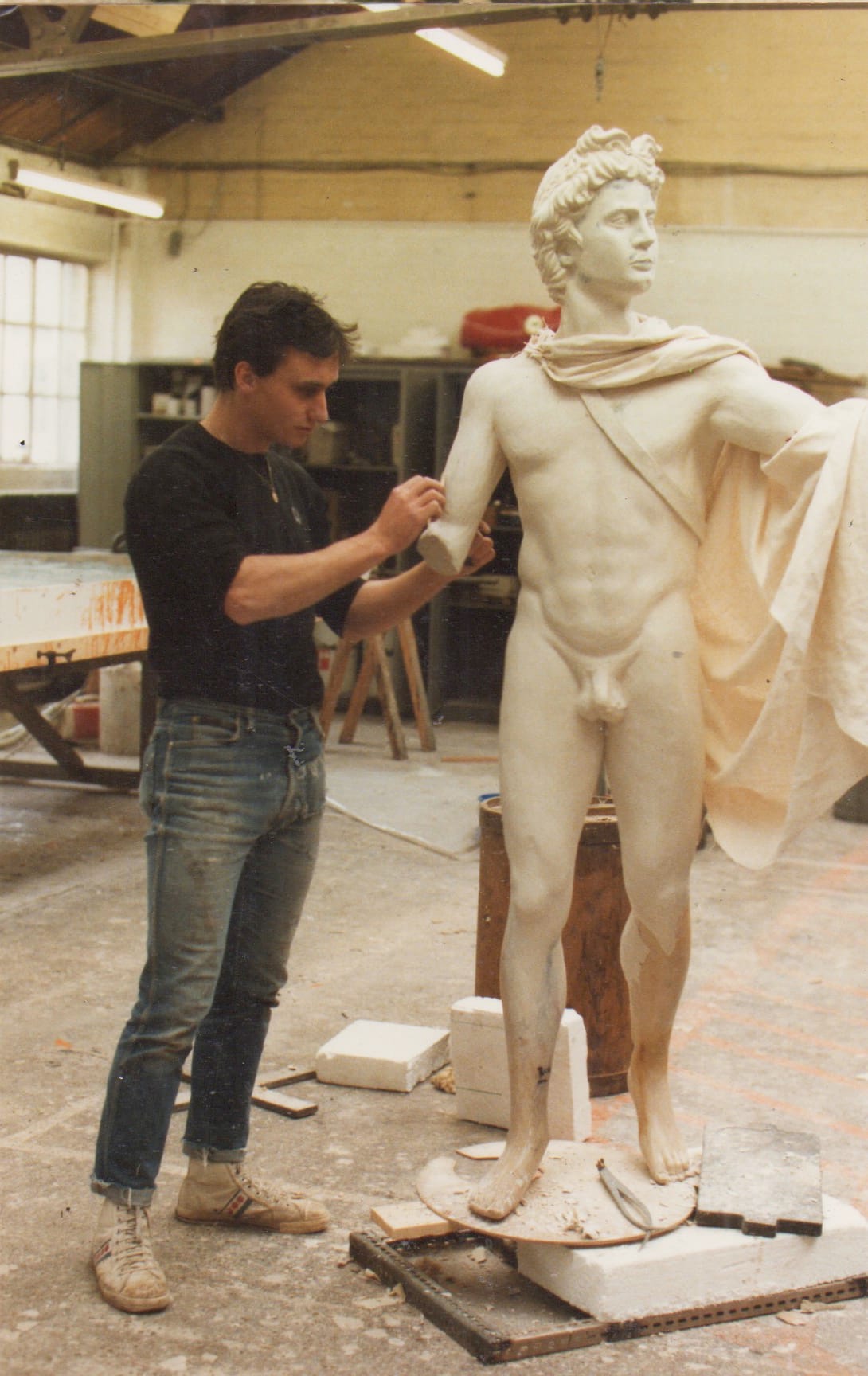
Taking Mrs Westerman’s advice, Aden went on to art college. “It was scary at first, but exciting too. I didn’t know what to expect.” The first year saw him rotate through different departments, from life drawing to photography and pottery, before finding his place. “I soon discovered sculpture was my favourite. So, in the second year, I specialised in that. I loved it.” He went on to complete A-levels in Fine Art and Sculpture, before continuing his studies at Maidstone College of Art, where he completed a degree specialising in Fine Art Sculpture and graduated with a BA Hons in Fine Art.
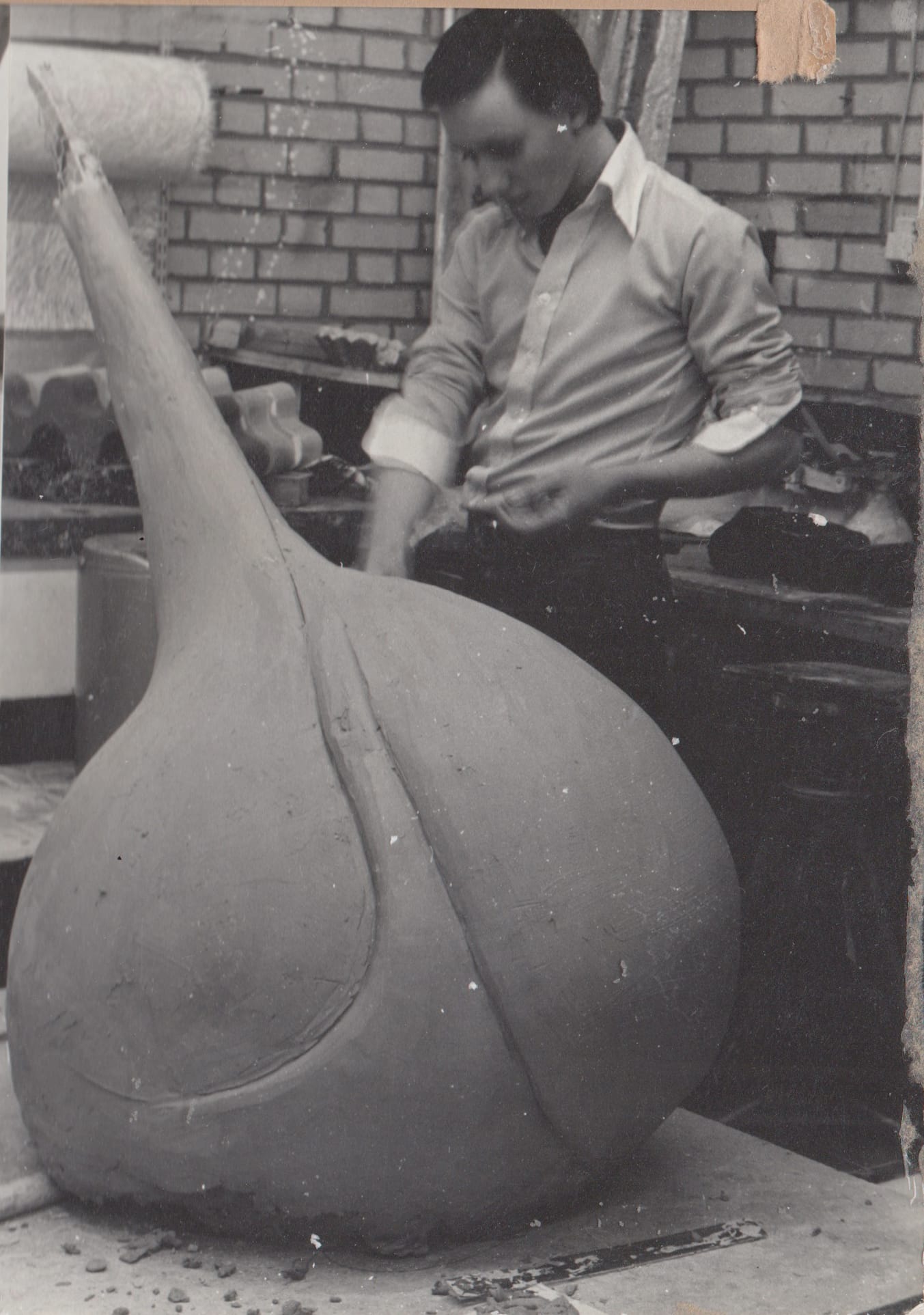
Leaving university, he still did not have a clear sense of what came next. “After university, friends and family would say, ‘Now what, clever clogs? What are you going to do now?’” Aden recalls. Those around him seemed to know what they wanted. “One of my flatmates became an illustrator for children’s books, and another went into graphic design,” he shares.
At home, it was no different. His three older sisters and two brothers had good jobs and were doing well for themselves. Now it was his turn. It was not about competing with them, but about finding his own way. “I mainly felt like I wanted to be able to support myself.” At that point, any job felt like a step forward. “Any job would be better than none, just to get some money coming in while I looked for something more suitable, rather than simply sitting around.”
I never doubted my practical abilities, or even my people skills. I knew what I could do. I just needed to find the right place to use those skills.
The world he was being prepared for did not quite feel like his own. “Talking about art over cheese and wine wasn’t really my thing.” What he did have, though, was a strong sense of his own ability. “I never doubted my practical skills, or even my people skills. I knew what I could do. I just needed to find the right place to use those skills.”
Keen to start earning, Aden set about finding work in any way he could. He spent his days walking around building sites, deliberately dressing down in worn workwear to present himself as a labourer. He would then switch his approach, wearing semi-formal clothes when visiting factory receptions, and a suit when applying for roles in shops across the town centre. His practical strategy paid off. “I had a few different job offers to choose from,” he shares. As he needed to earn as much as possible in a short space of time, he often chose the toughest option. “I mainly worked on building sites as a hod carrier,” he says. “It was the hardest work, but the pay reflected that.”
At the same time, he had not lost sight of what he really wanted to do. An informal interview and brief tour at the BBC gave him a clearer sense of direction. “I realised that applying for model-making departments might be the most suitable direction,” he shares. He began walking across London, carrying a large portfolio from one studio to another. “It was a little too large to comfortably carry around all day. But that’s what was done back in the day, before everything was electronic.” He left his name in as many places as he could and waited for the phone to ring. But the calls never came.
Rather than giving up, Aden changed his approach. He began calling them back, offering his time for free just to get his foot in the door. “I said I’d do a trial period, so they could see if they liked me and found me useful.” It was a strategy that required persistence, but it worked. “From that, I got offered placements as a freelance sculptor,” he shares, working across prop-making departments and theatre workshops. It marked the start of his career in the industry at some of the most recognised names in the field.
My mum would say that not everybody is going to like you or even be on your side. She reinforced the thicker-skin aspect: shrug it off, be positive, and play the numbers game.
Offering a trial period got me a foot in the door. My first real step into professional freelance sculptural work, at some of the best locations and with the best names in the business.
It was not without its challenges. Cold calling often meant introducing himself on the spot. “Sometimes it was just met with a sharp ‘f*** off, mate,’” he shares. It was a steep learning curve. “I realised you needed a thick skin for that kind of thing.” What kept him going was advice from home. “My mum used to say not everyone is going to like you or be on your side. You’ve just got to shrug it off and keep going. Play the numbers game.” And that is exactly what he did.
One of Aden’s first major opportunities came at the Royal Opera House. There was a job opening for a machinist, sewer/seamstress, and he applied despite having no experience. “I didn’t know a thing about sewing machines,” he says. “I just wanted to get my foot in the door.” Placed in a large room with around 25 women sewing curtains and costumes for the stage, he did his best to blend in. “After a few minutes, one of them came over and said, ‘You haven’t got a clue, have you?’” he recalls. “I said, not a Scooby.” Instead of turning him away, she helped him get started. “She took me under her wing and showed me the basics. I soon learned.”
He used that opportunity to look beyond the role he had been given. Moving between departments, he introduced himself and made it known what he could do. “Quite often, they hired internally,” he shares. Starting as a seamstress, as he puts it, became a way in. Before long, he had moved into work that felt more natural, ending up as a sculptor and set builder in the same building.
It was here that Aden began to feel like he belonged. He was creating props, sets and scenery, work that felt aligned with what he had trained for and enjoyed. “It was the first time I felt like I was in something I was meant to be,” he shares. There was a sense of satisfaction in not only doing something he enjoyed but also being paid for it. “It felt like a win-win.” It was also a moment of pride for his family, particularly his mum, who had supported him through his journey. “My mum was very proud, not just of my education, but that I was now working under my own steam in something I was good at and enjoying.”
I felt very happy that I was actually doing something I loved, and getting paid at the same time, win win.
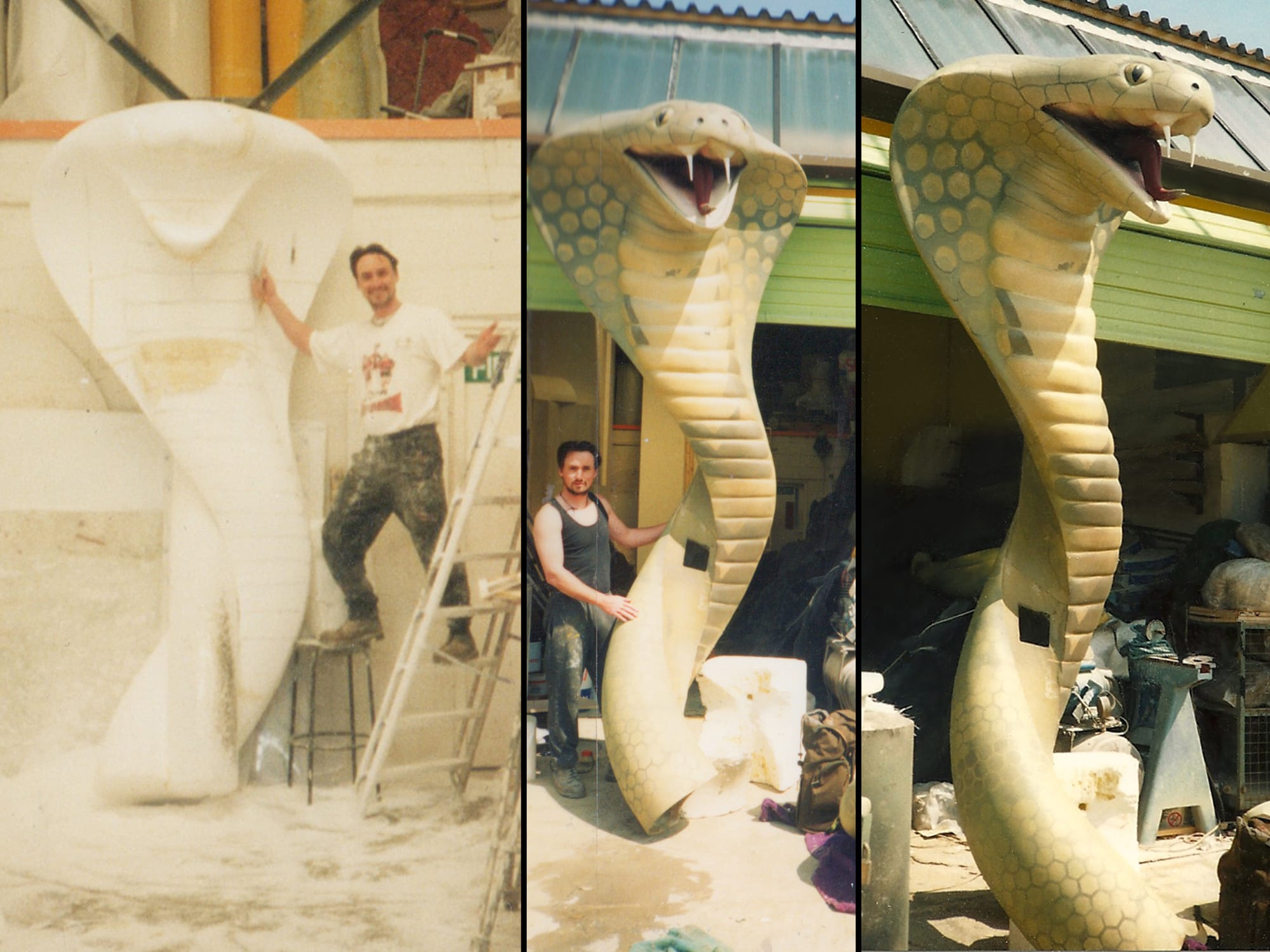
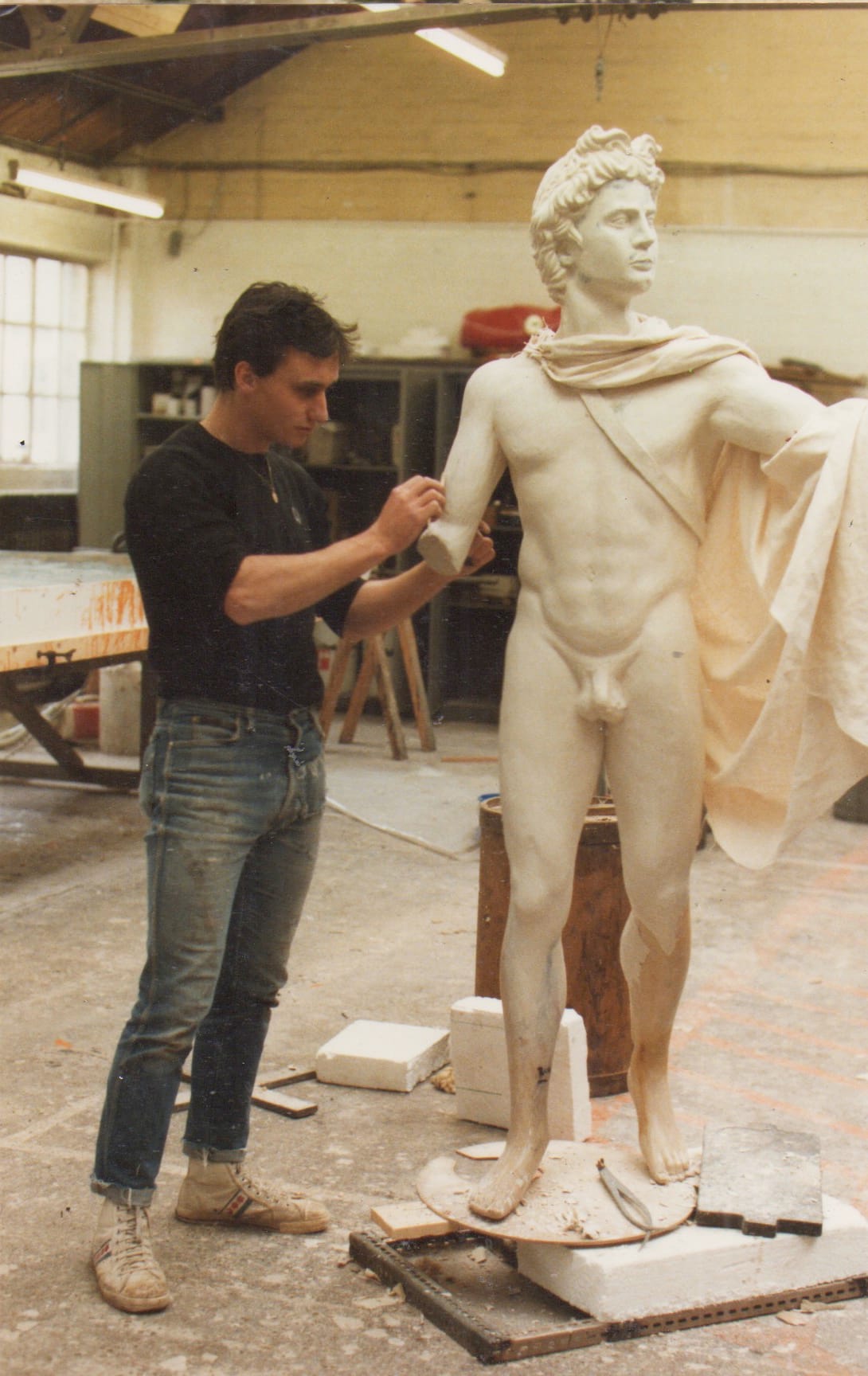
Over the next seven years, Aden built a career across film, television and theatre, moving between roles and locations. He applied for a range of positions, from mould maker and model maker to sculptor, set builder and scenic artist, taking every opportunity to expand his skill set. “I wanted to learn as much as I could,” he shares. It gave him a wide range of experience, even if at the time he did not fully recognise where it might lead. Much of what he learned during those years would later prove invaluable.
But freelance work came with its own challenges. As each project came to an end, so did the security it provided. “You’d finish a job and think, right, what next?” Sometimes there was nothing lined up, and that uncertainty was part of the reality of working that way.
Stepping away from freelance work felt like a natural progression when Aden married Sue and began thinking about starting a family. The demands of freelance work, long hours away, and constant travel no longer felt sustainable. “I was travelling to London and other places all over the country,” he shares. “It took me away from home for hours or days on end. I had too many friends who were divorced or didn’t see their kids much. I didn’t want that.” Together, he and Sue made a plan. They saved enough for her to stop working, and for him to take on a studio space closer to home in Basildon.
The new studio was only a short walk away, allowing him to be present for the moments that mattered: school events, evenings at home, and everyday routines. “I could be home for tea, and if I needed to, I could go back later and finish a job,” he shares. Even with that clarity, the early days brought some uncertainty. Securing the space was one thing, but keeping work coming in consistently was another. “That was probably the only time I doubted it,” he admits.
Rather than positioning himself as competition, Aden reached out to the very companies he had previously worked with. He offered his services in a different way, as someone they already knew and trusted. At first, many wanted him back on-site, preferring to keep projects in-house. “They wanted me to work in their space so they could keep an eye on things,” he shares. As a result, he found himself turning down work that would have taken him away from his own studio.
Over time, that approach began to pay off. Trust grew, and more work started to be sent directly to his studio. It allowed him to take greater control of his projects and begin building something of his own. With his own space, he was no longer tied to one job at a time. He could manage multiple projects, bring in extra help when needed, and start shaping the business in a way that worked for him. It was no longer just about finding work, but about creating it.
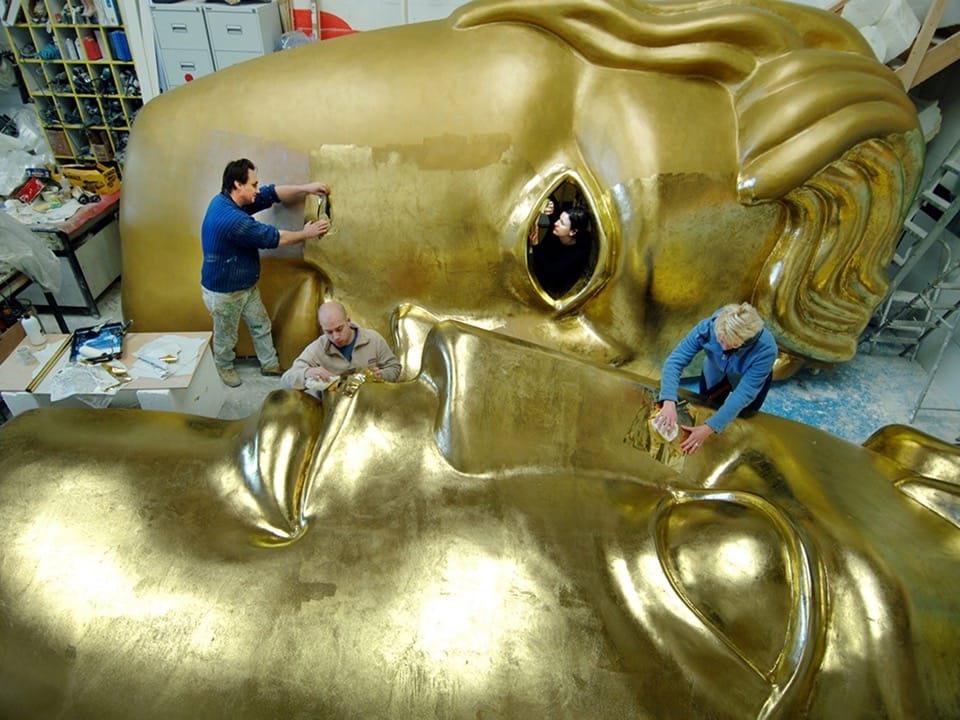
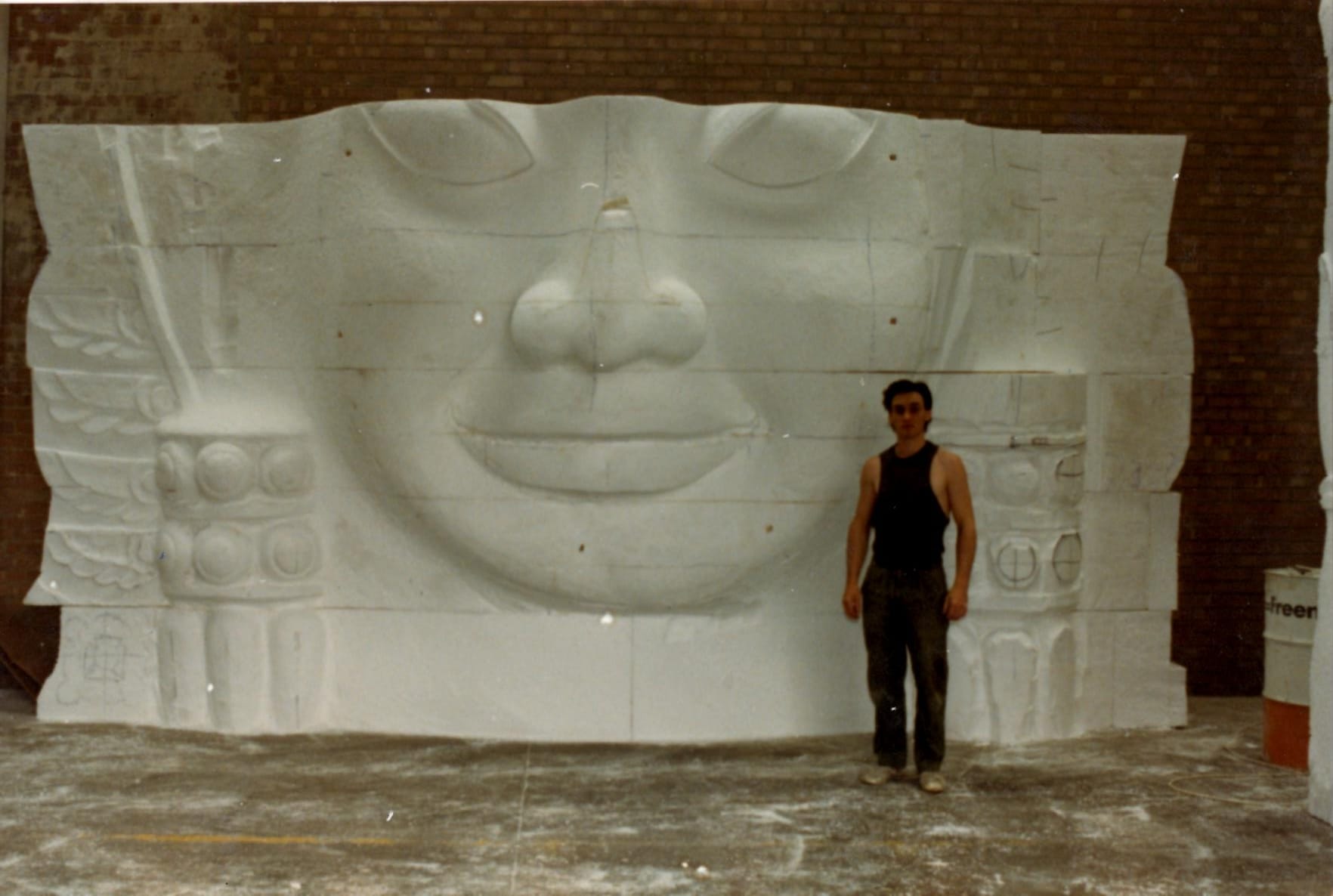
One of the first projects he took on under his own name was a commission for Chessington World of Adventures. The opportunity came his way through a contact he had worked with during his freelance years. The project involved creating a large dragon head for the Dragon Falls / Dragon River log flume ride, along with Buddha faces standing 20 feet tall, positioned on either side of the ride’s largest drop. “It was one of the first jobs I felt really proud of,” he shares.
Despite building a steady flow of work, the business side of things was something art school had not prepared him for. Much of what he learned came from experience, watching how others operated during his freelance years and carrying those lessons into his own studio. “A lot of it was about knowing how much to agree to, what not to promise, and managing clients’ expectations,” he shares. There were constant learning curves, trial and error, and a growing understanding of what it took to keep things going. Money, in particular, became a key lesson. “Getting paid on time, getting paid up front, making sure clients are committed.” It was not just about having work, but making sure the business could sustain itself. “You can be the busiest person in the world, but if no money is coming in, it’s simply not sustainable.”
Art school never really taught me anything about business at all. They were only ever interested in fine art, and crying over a pile of sand in a conceptional way.
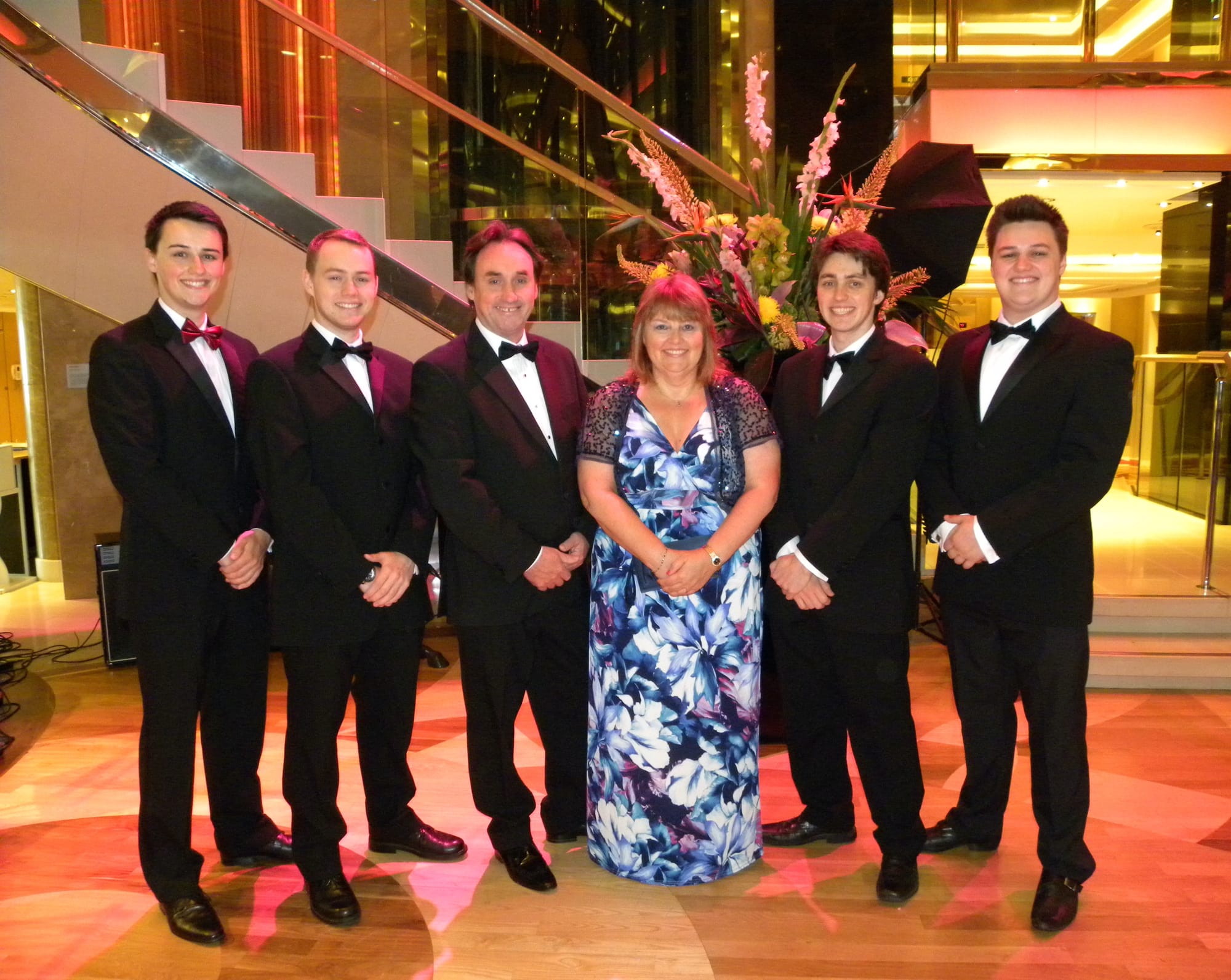
Over the years, the studio became more than just a place of work. What had started as a one-man operation gradually became a family business, with Sue taking on the financial side and their four sons each contributing in different ways. What began as the occasional helping hand during school holidays soon became more consistent. Each of his sons went on to study their own subjects at university before returning to the studio. “They would come in and give me a hand at first, and over time, they’ve all worked here at different stages, often all at the same time. They’re very good at lots of different things,” he shares. It is not something he takes for granted. “How many other dads can say they work with all their children?” They bring a different energy to the space. “They keep me young, taking the mick and all that. It’s always good fun.”
The studio today reflects years of steady progress. “Every night when I turn off the lights, I can see what’s been achieved that day,” he shares. Alongside the physical work, there is also a growing digital record of what they have built. One of his sons, Sean, manages the studio’s website and YouTube channel, which now features hundreds of videos documenting their projects. “I like the idea that it’s not just a portfolio, but a bit of a legacy.”
Through his work and the journey that led him here, Aden has come to understand his early struggles in a different way. “They were never about something being wrong, but more about being wired differently.” Looking back, he can see that some of the strengths he carries today were shaped during those early school years. Being left to figure things out pushed him to become more aware of people, how they communicate, and how to read a situation. “My mum always said there’s more than one way to skin a cat.” That mindset has stayed with him. Rather than focusing on what he found difficult, he leaned into what came naturally. He recognises that the way he thinks has shaped his work. “I tend to see things in a 3D way, looking at the whole problem from start to finish rather than one step at a time.”
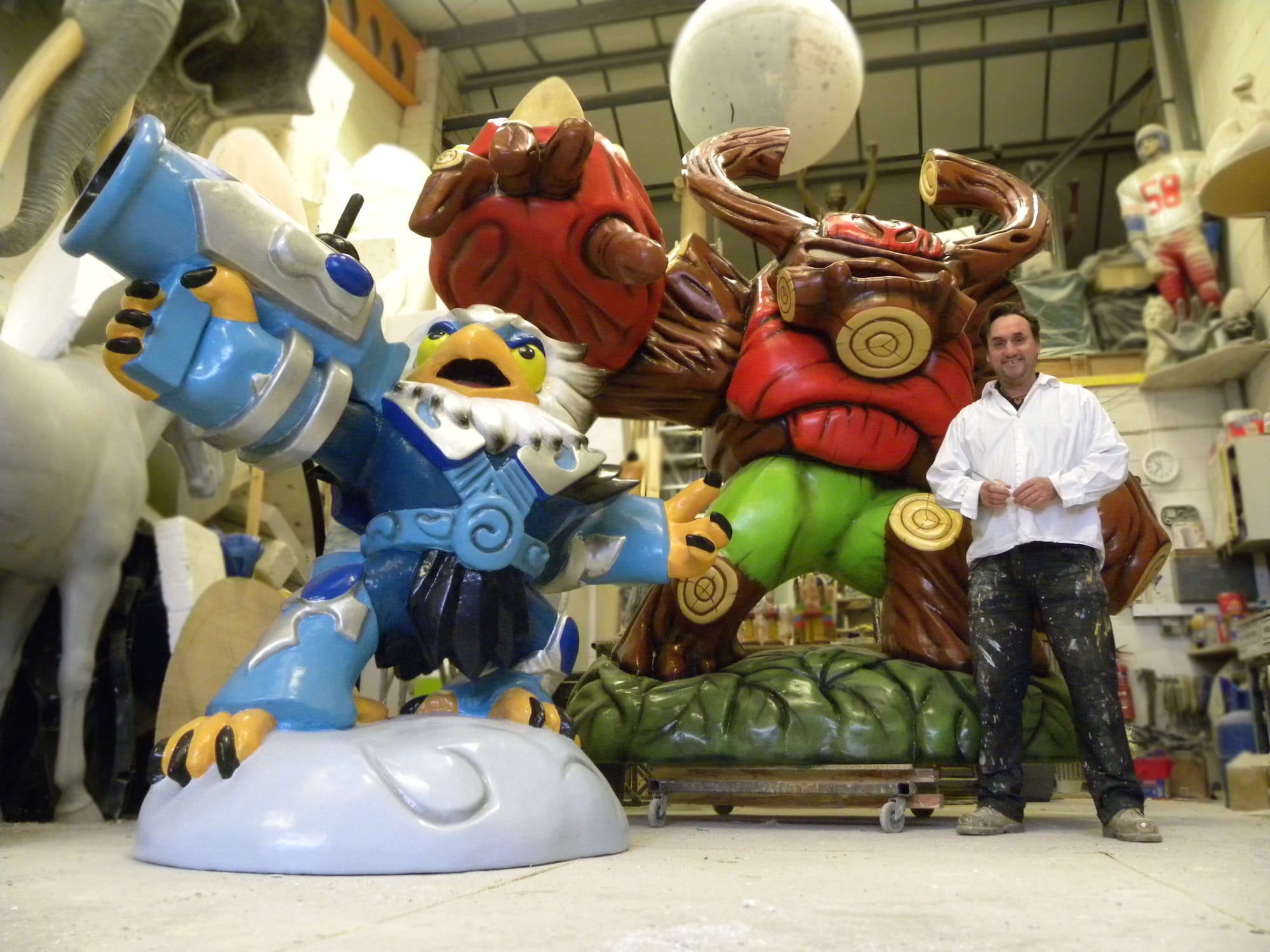
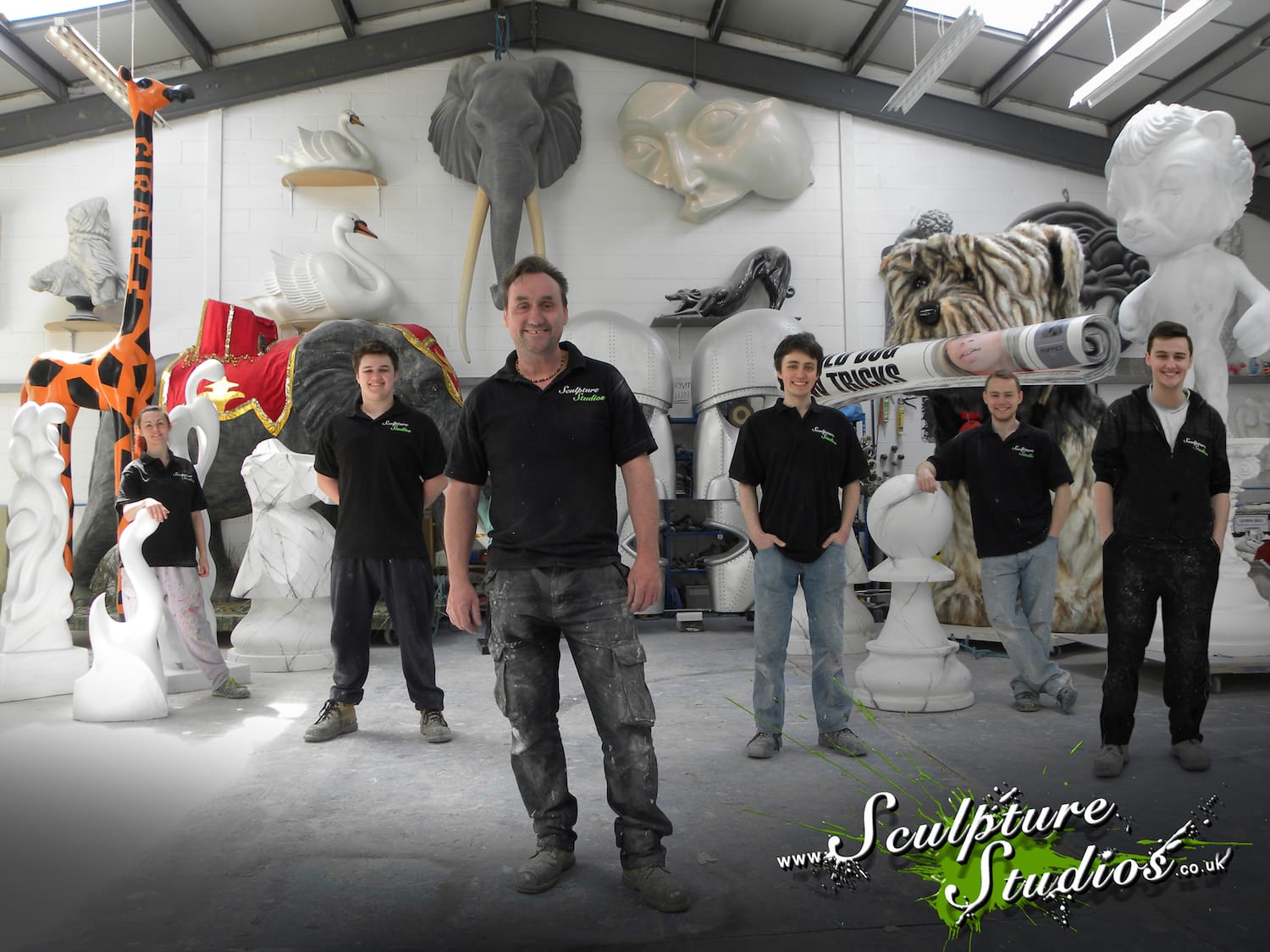
Aden now shares his experience beyond the studio, speaking at schools, colleges and community groups. What began as demonstrations on sculpture has gradually developed into something broader. He talks about his journey, including his struggles with reading and writing at school, running a business, and balancing work and family life. “At first, I found the idea of standing up in front of people quite daunting,” he shares. “But now I really enjoy it.” The response, particularly from students, has stayed with him. “There are so many questions, it often overruns the time,” he says. “Teachers tell me they’ve never seen students so engaged.”
For young people facing similar challenges today, his message is simple. “Don’t worry about it as much as you think you should,” he says. “Play to your strengths, work hard, and you’ll find your way.” He is equally clear about the role of the adults around them. Teachers, he believes, can have a lasting impact, shaping not just learning, but confidence and direction. And for parents, encouragement matters. “Praise is a powerful motivator,” he says. “Don’t give up on them.”
The message he hopes people leave with is not complicated. “With dedication, hard work, and a bit of luck, it’s all possible.”
Aden Hynes
Sculptor & Founder | sculpturestudios.co.uk | Facebook | Instagram | YouTube
Aden Hynes
Extracts from Dystinct Magazine
Extracts from Dystinct Magazine