Issue 30: The Bridge Across the Cliff: Turning Neurodivergent "Symptoms" into Career Superpowers | Adam Kleckner
Adam Kleckner, a workforce strategist, explores how neurodivergent traits often labelled as deficits in school can become powerful career advantages when reframed through a strength-based “talent scout” mindset.

Table of Contents
For many neurodivergent students, graduation day is not just a milestone; it is the edge of a cliff. For eighteen years, the academic environment provides a rigid, albeit often uncomfortable, scaffolding. There are bells, schedules, clear rubrics, and, for many, a suite of support services designed to help them navigate a world built for a different kind of brain. But when the cap and gown are returned, that scaffolding is dismantled overnight. The sudden loss of structure is jarring, but the real danger isn't just the lack of a schedule. It is the fundamental misalignment between how we prepare students for work and how the modern workforce actually operates.
By the time they reach graduation, many students are already burnt out from years of trying to fit into a mold that wasn't designed for them.
In school, the goal is often focused on generalization. We want students to be "well-rounded," which usually means being passably good at everything while suppressing the intense interests that make them unique. For a neurodivergent brain, this is an exhausting uphill battle. By the time they reach graduation, many students are already burnt out from years of trying to fit into a mold that wasn't designed for them. They face a "hidden curriculum" in the workplace that no one has explained to them: the unwritten rules of office politics, the ambiguity of project deadlines, and the sensory overload of open-plan offices.
Traditional career counseling often fails neurodivergent students because it is rooted in a "deficit model." It treats the transition to adulthood as a series of social and behavioral hurdles to be overcome. Students are taught how to "mask" their ADHD, how to force eye contact they find painful, and how to minimize their "obsessions" to appear more like the "ideal" candidate. We spend years trying to "fix" the person to fit the environment, rather than helping the person find the environment where they already fit. This approach doesn't just lead to career stagnation; it is a massive waste of human potential and a recipe for mental health struggles.
We spend years trying to "fix" the person to fit the environment, rather than helping the person find the environment where they already fit.
The Power in the “Problem”
The Power in the “Problem”
To build a bridge over that post-graduation cliff, we must first change how we categorize neurodivergent traits. In a traditional classroom, many of these traits are labeled as "symptoms" or "behavioral issues" because they disrupt a standardized flow. However, in the high-stakes world of technical innovation, creative strategy, and complex problem-solving, these same traits are high-value assets. If we look closely at the industries driving the modern economy, we see that they are practically begging for the specific cognitive profiles that schools often try to "correct."
Take, for instance, hyper-focus. In a 45-minute history lecture, a student who is hyper-focused on a coding project or a complex mechanical design is "off-task." They are penalized for not being able to switch gears on command. But in a cybersecurity firm responding to a live threat or a research lab chasing a breakthrough, that same ability to tune out the world and dive deep into a problem for hours is a rare and coveted skill. It is the engine of mastery.
The most successful entrepreneurs and strategists aren't the ones who followed the instructions perfectly. They are the ones who saw a connection between two unrelated ideas that no one else thought to join.
Similarly, pattern recognition is often dismissed in school as a preoccupation with irrelevant details. An autistic student might notice a subtle inconsistency in a textbook or a recurring error in a teacher’s logic. In a classroom, this can be seen as "talking back" or being "difficult." In the professional world of data science, quality assurance, or medical diagnostics, the ability to see the "glitch in the matrix" that everyone else missed is exactly what makes someone indispensable. These individuals don't just see the trees; they see the invisible networks connecting the forest.
We also have to consider non-linear thinking, often labeled as "scattered" or "distracted" in an essay-writing context. This is the hallmark of the ADHD brain. While it might make following a standard five-paragraph essay structure difficult, it is the absolute engine of innovation. The most successful entrepreneurs and strategists aren't the ones who followed the instructions perfectly. They are the ones who saw a connection between two unrelated ideas that no one else thought to join. They are the people who can "zoom out" and see the big picture when everyone else is stuck in the weeds.
Then there is sensory acuity. Many neurodivergent people have a heightened sensitivity to their environment. In a noisy classroom, this is a distraction. But in fields like high-end culinary arts, sound engineering, or even certain areas of engineering and mechanics, that sensitivity allows them to detect nuances in flavor, sound, or vibration that are invisible to the average person. Their brain is a high-definition sensor that can pick up signals others simply miss.
Developing the Talent Scout Mindset
Developing the Talent Scout Mindset
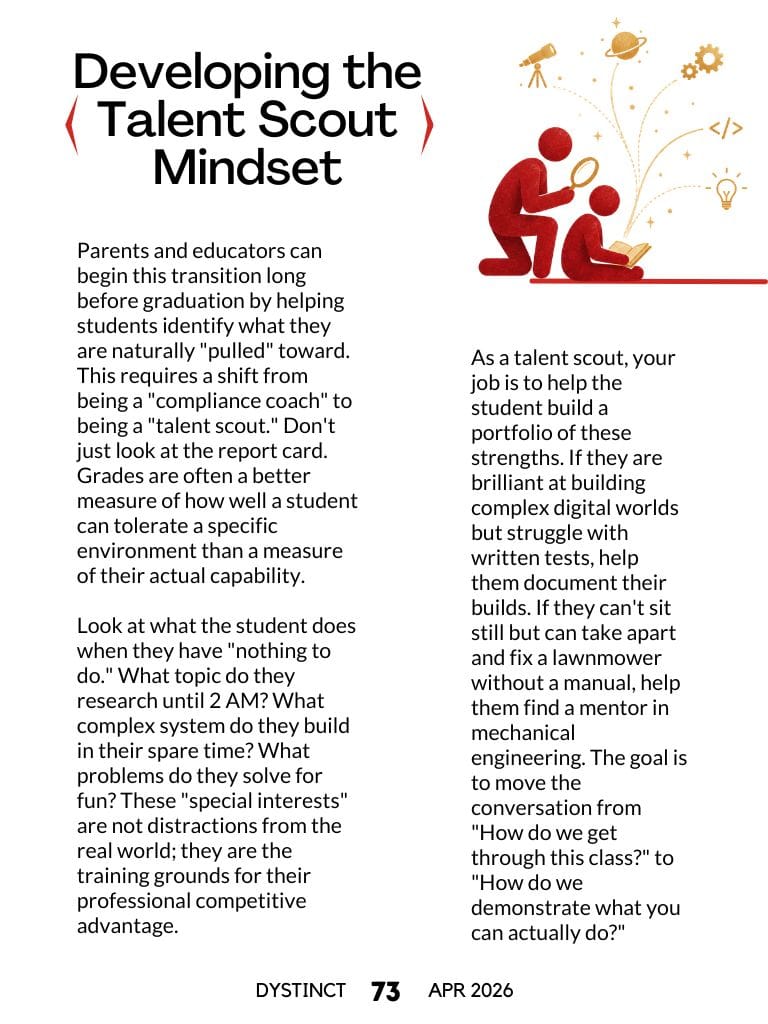
Parents and educators can begin this transition long before graduation by helping students identify what they are naturally "pulled" toward. This requires a shift from being a "compliance coach" to being a "talent scout." Don't just look at the report card. Grades are often a better measure of how well a student can tolerate a specific environment than a measure of their actual capability.
Look at what the student does when they have "nothing to do." What topic do they research until 2 AM? What complex system do they build in their spare time? What problems do they solve for fun? These "special interests" are not distractions from the real world; they are the training grounds for their professional competitive advantage.
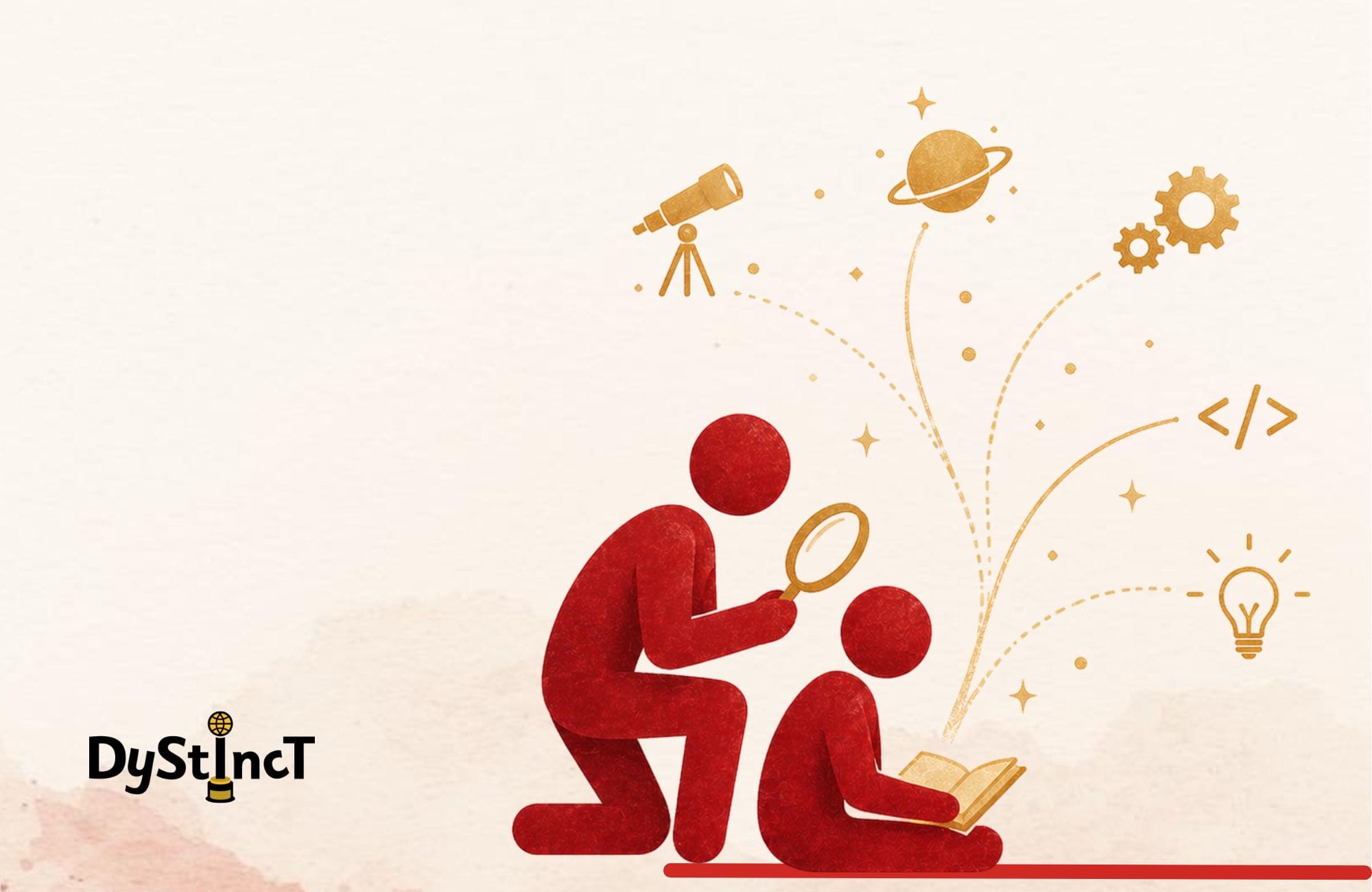
As a talent scout, your job is to help the student build a portfolio of these strengths. If they are brilliant at building complex digital worlds but struggle with written tests, help them document their builds. If they can't sit still but can take apart and fix a lawnmower without a manual, help them find a mentor in mechanical engineering. The goal is to move the conversation from "How do we get through this class?" to "How do we demonstrate what you can actually do?"
A Message to the Village: Educators and Parents
A Message to the Village: Educators and Parents
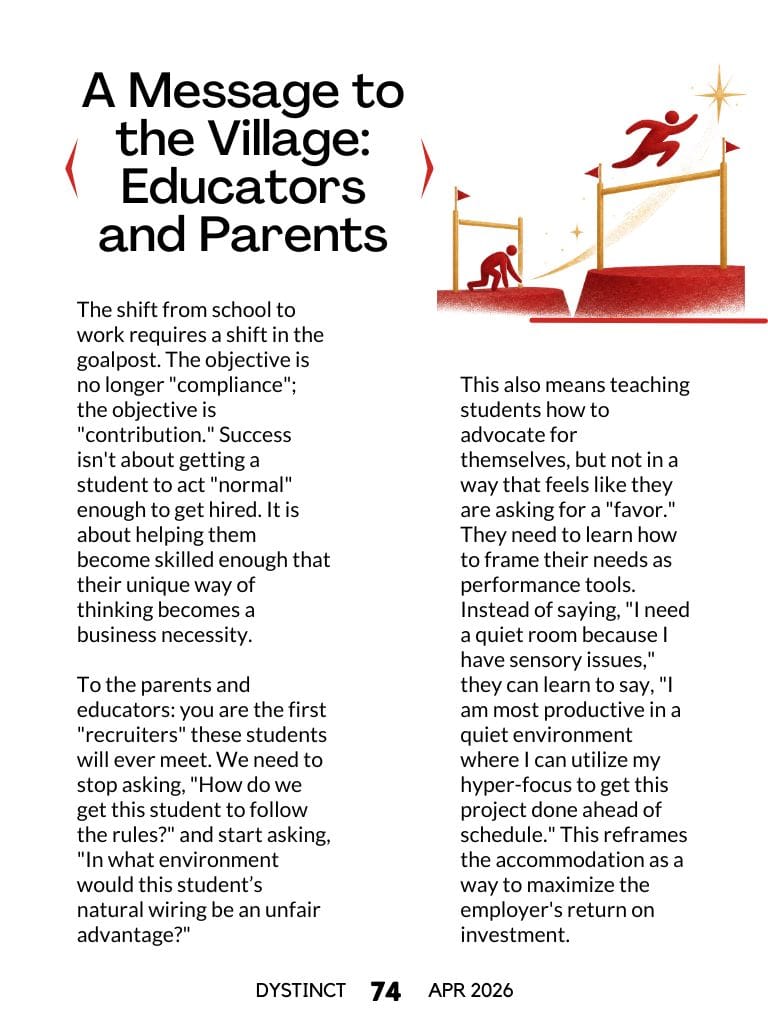
The shift from school to work requires a shift in the goalpost. The objective is no longer "compliance"; the objective is "contribution." Success isn't about getting a student to act "normal" enough to get hired. It is about helping them become skilled enough that their unique way of thinking becomes a business necessity.
To the parents and educators: you are the first "recruiters" these students will ever meet. We need to stop asking, "How do we get this student to follow the rules?" and start asking, "In what environment would this student’s natural wiring be an unfair advantage?"

This also means teaching students how to advocate for themselves, but not in a way that feels like they are asking for a "favor." They need to learn how to frame their needs as performance tools. Instead of saying, "I need a quiet room because I have sensory issues," they can learn to say, "I am most productive in a quiet environment where I can utilize my hyper-focus to get this project done ahead of schedule." This reframes the accommodation as a way to maximize the employer's return on investment.
The modern workforce is finally starting to realize that cognitive diversity is not a charity case. It is a competitive requirement. We are entering an era where automation is taking over the routine, linear tasks that schools have traditionally taught us to do. What is left are the complex, messy, and non-linear problems that require exactly the kind of brains we have spent decades trying to "fix." If a company only hires people who think the same way, they will all be blind to the same risks and miss the same opportunities.
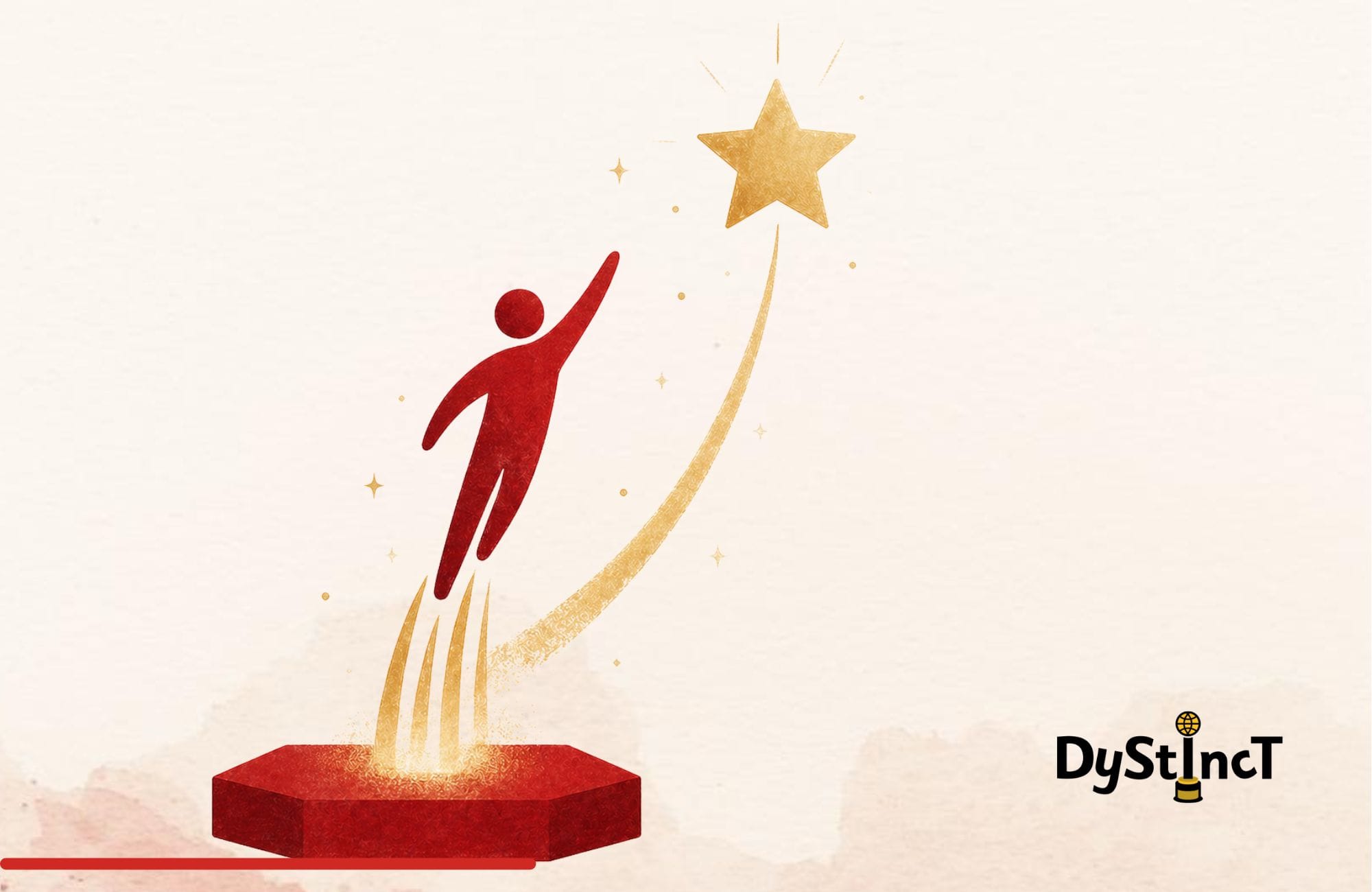
The modern workforce is finally starting to realize that cognitive diversity is not a charity case. It is a competitive requirement.
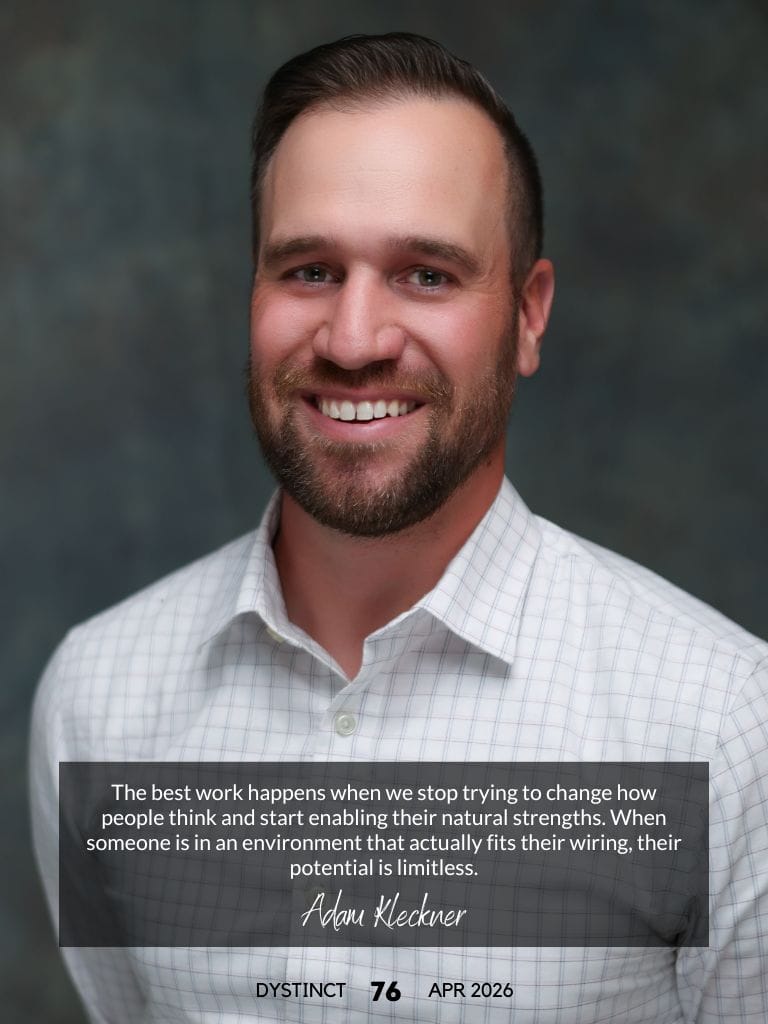
There is a profound sense of hope in this shift. We are moving toward a world where the "cliff" is replaced by a launchpad. As someone who is neurodivergent myself, I can tell you that the world doesn't need more people who can follow instructions. It needs people who can see what others miss. When we stop trying to fix the person and start focusing on the fit, we don't just help a student find a job. We help them find a place where they can finally lead. The goal is to move beyond the diploma and into a career where "different" is exactly what the world is looking for.
Adam Kleckner
Workforce Strategist & Founder | thelinktech.com | linkedin
Adam Kleckner
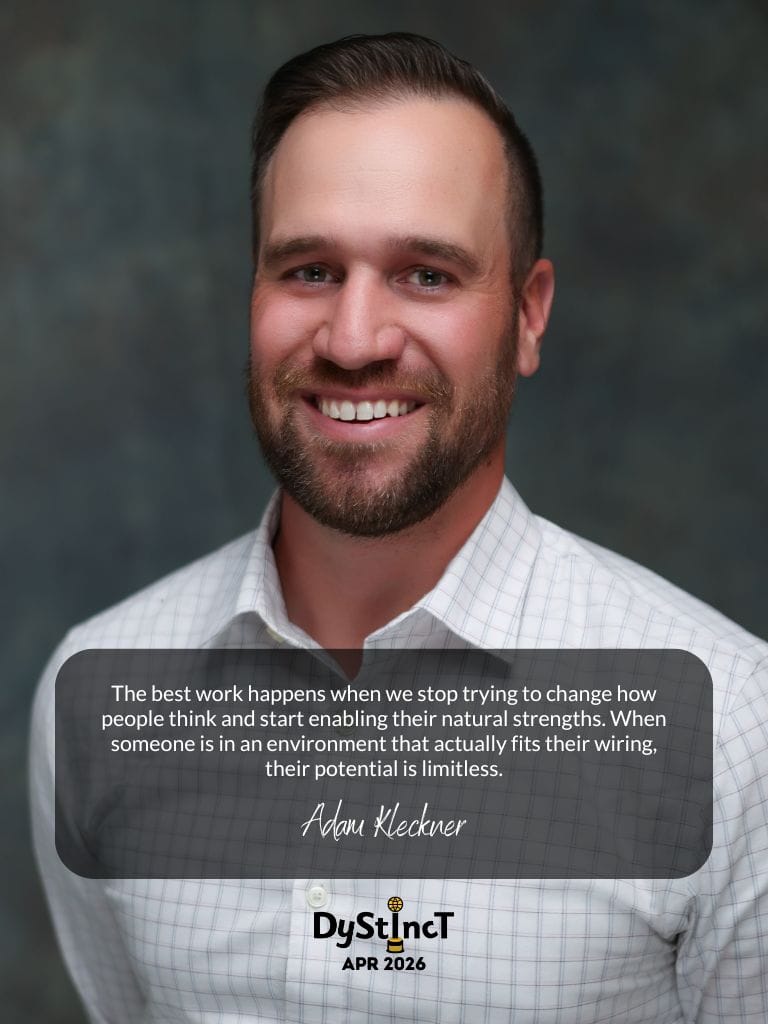
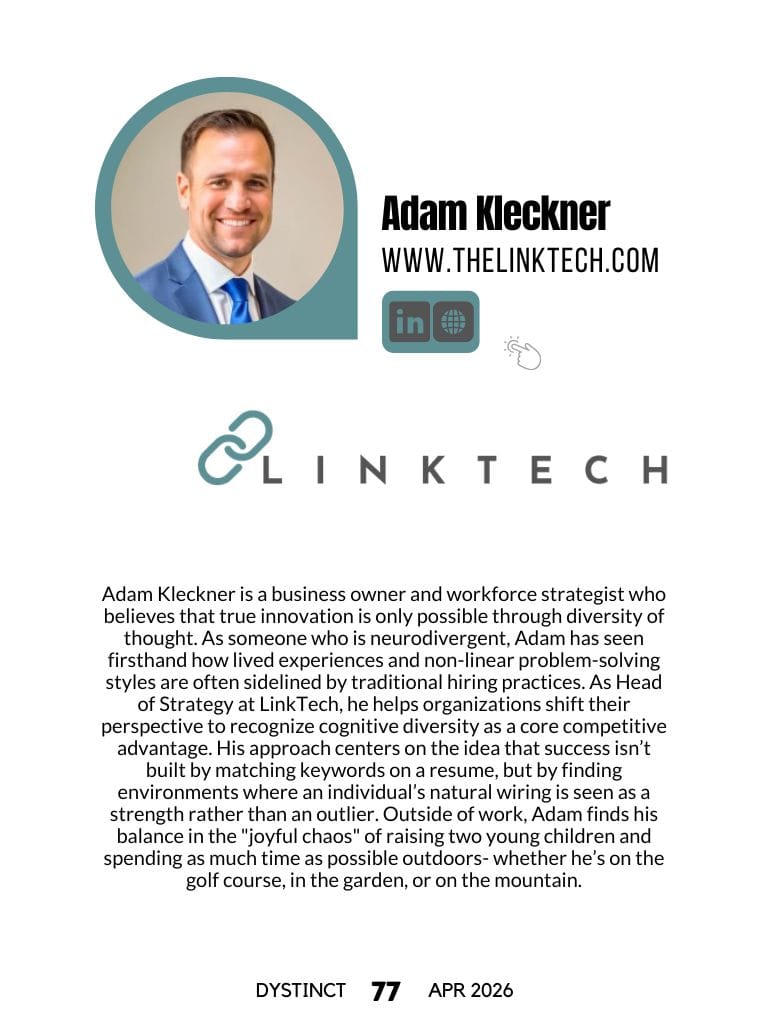
Adam Kleckner is a business owner and workforce strategist who believes that true innovation is only possible through diversity of thought. As someone who is neurodivergent, Adam has seen firsthand how lived experiences and non-linear problem-solving styles are often sidelined by traditional hiring practices. As Head of Strategy at LinkTech, he helps organizations shift their perspective to recognize cognitive diversity as a core competitive advantage. His approach centers on the idea that success isn’t built by matching keywords on a resume, but by finding environments where an individual’s natural wiring is seen as a strength rather than an outlier. Outside of work, Adam finds his balance in the "joyful chaos" of raising two young children and spending as much time as possible outdoors- whether he’s on the golf course, in the garden, or on the mountain.
Extracts from Dystinct Magazine
Extracts from Dystinct Magazine