Issue 18: The Ableist Lenses: When Neurotypical Paradigms Fail Neurodivergent Individuals | Simon da Roza
Simon da Roza examines the struggles faced by neurodivergent individuals against neurotypical standards, emphasizing the need to shift societal paradigms, celebrate neurodiversity, and embrace a "double empathy" approach for genuine inclusivity.

Table of Contents
Society is built on a collection of norms and conventions. The way we think, behave and understand the world is heavily influenced by the "majority rules" principle. However, this collective agreement becomes a concern when it disregards or marginalises the experiences of neurodivergent individuals. These individuals, who may have ADHD, autism, dyslexia, or other neurodivergences, often find themselves measured against neurotypical standards. Unsurprisingly, this leads to misunderstandings, misconceptions, and ableist perspectives.
The Consistency Conundrum
The Consistency Conundrum
Take, for example, the value our society places on consistency. Consistency is often associated with dependability, discipline, and success. People who can chip away at tasks over time are seen as committed, while those who might procrastinate but burst into activity right before a deadline are viewed as inconsistent or unreliable.
For many with ADHD, consistency can be a significant challenge. Their brains are wired differently, making the traditional task approach a real struggle. Instead, the adrenaline of a looming deadline can suddenly make things click. Labelling them as "inconsistent" or "procrastinators" based on a neurotypical understanding is unfair and oversimplified. It disregards the unique ways in which the ADHD brain functions and thrives.
Other Misconceptions about Neurodivergence
Other Misconceptions about Neurodivergence
Emotional Intensity
Many neurodivergent individuals experience emotions differently. For instance, some autistic people might react strongly to seemingly minor events, while others might seem indifferent to situations that typically elicit strong emotional reactions. Labelling these reactions as "overreactions" or "apathy" fails to understand the diverse, dynamic landscapes of neurodivergent minds.
Social Interaction
While it's a known fact that many autistic individuals find social interactions challenging, it's a misconception that they don't want or value social connections. The neurotypical expectation of making consistent eye contact, reading between the lines, or understanding unwritten social rules can be daunting for them. Instead of acknowledging these differences, society often labels them as "rude" or "antisocial."
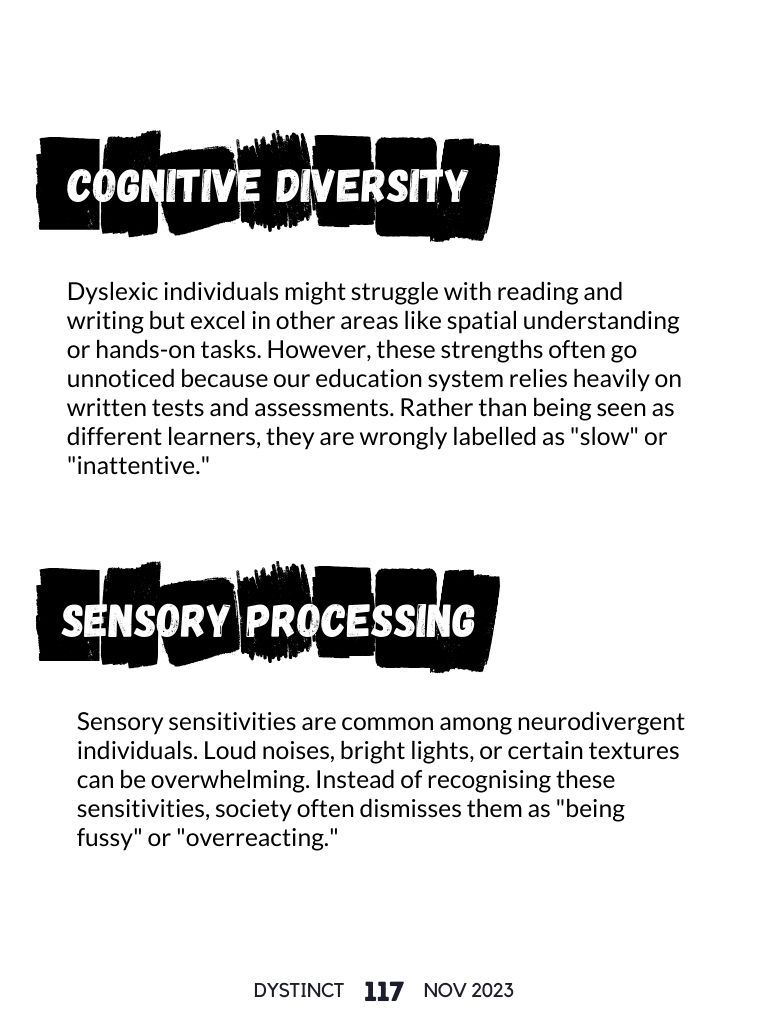
Cognitive diversity
Dyslexic individuals might struggle with reading and writing but excel in other areas like spatial understanding or hands-on tasks. However, these strengths often go unnoticed because our education system relies heavily on written tests and assessments. Rather than being seen as different learners, they are wrongly labelled as "slow" or "inattentive."
Sensory Processing
Sensory sensitivities are common among neurodivergent individuals. Loud noises, bright lights, or certain textures can be overwhelming. Instead of recognising these sensitivities, society often dismisses them as "being fussy" or "overreacting."
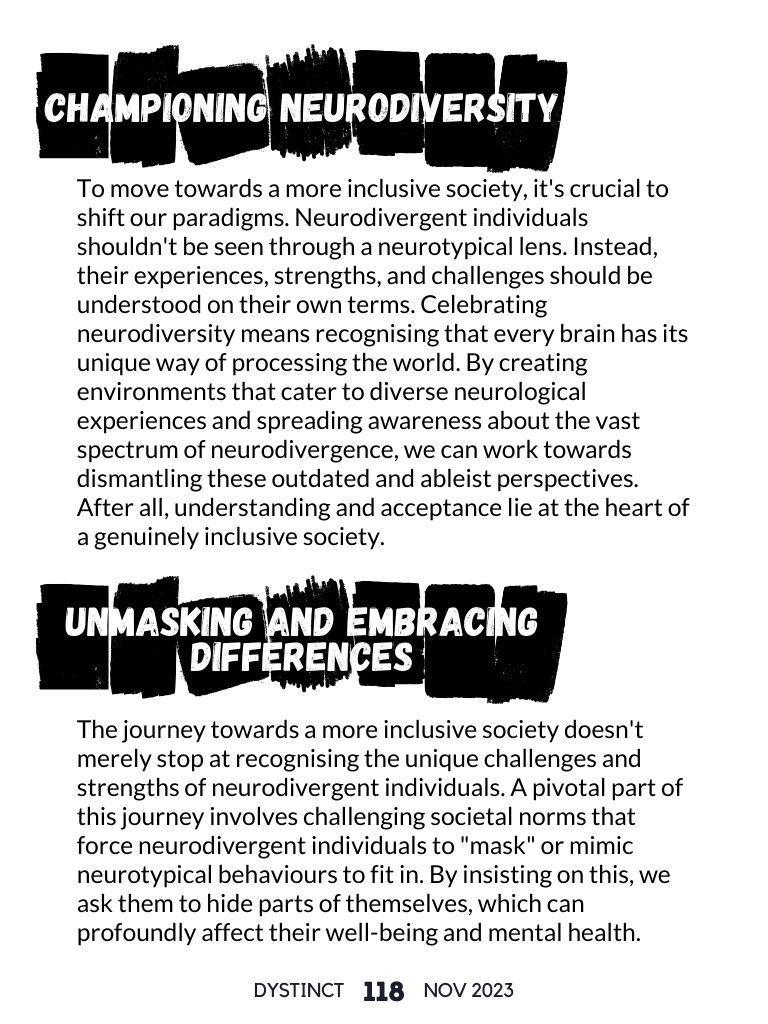
Championing Neurodiversity
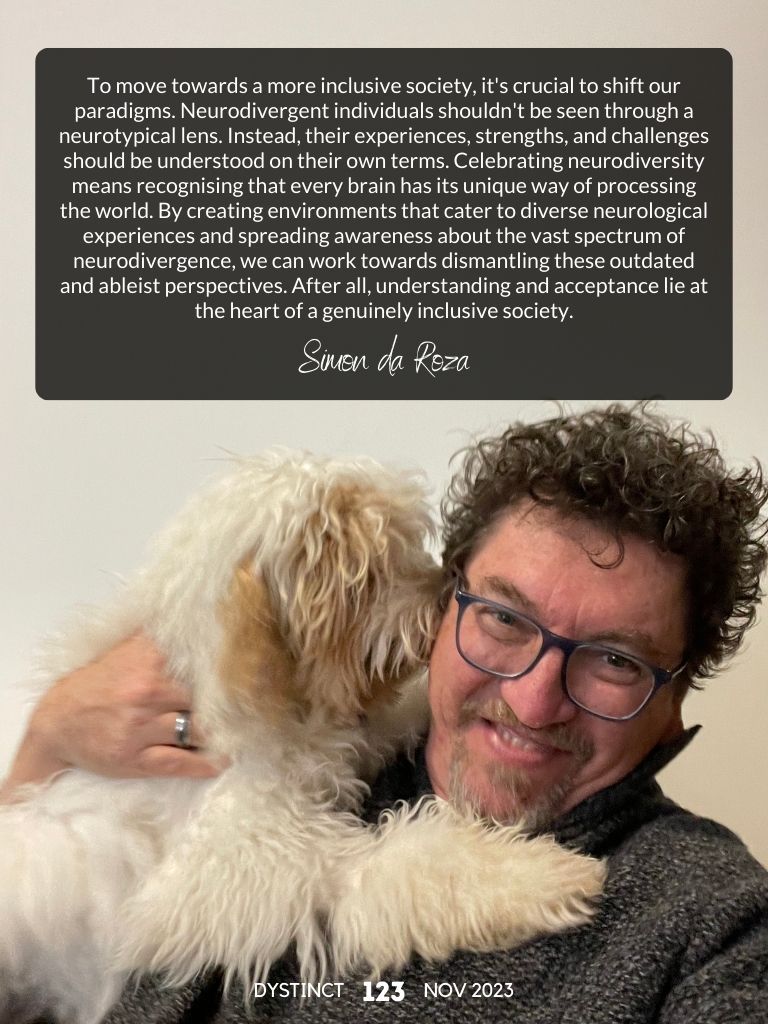
To move towards a more inclusive society, it's crucial to shift our paradigms. Neurodivergent individuals shouldn't be seen through a neurotypical lens. Instead, their experiences, strengths, and challenges should be understood on their own terms. Celebrating neurodiversity means recognising that every brain has its unique way of processing the world. By creating environments that cater to diverse neurological experiences and spreading awareness about the vast spectrum of neurodivergence, we can work towards dismantling these outdated and ableist perspectives. After all, understanding and acceptance lie at the heart of a genuinely inclusive society.
Unmasking and Embracing Differences
The journey towards a more inclusive society doesn't merely stop at recognising the unique challenges and strengths of neurodivergent individuals. A pivotal part of this journey involves challenging societal norms that force neurodivergent individuals to "mask" or mimic neurotypical behaviours to fit in. By insisting on this, we ask them to hide parts of themselves, which can profoundly affect their well-being and mental health.
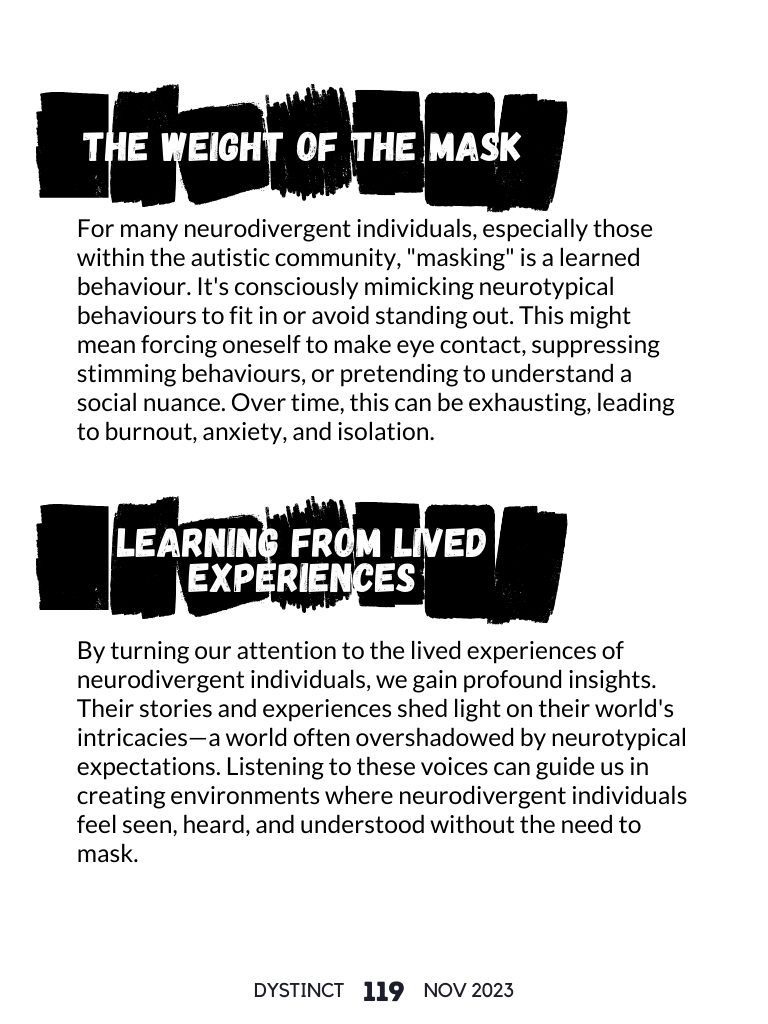
The Weight of the Mask
For many neurodivergent individuals, especially those within the autistic community, "masking" is a learned behaviour. It's consciously mimicking neurotypical behaviours to fit in or avoid standing out. This might mean forcing oneself to make eye contact, suppressing stimming behaviours, or pretending to understand a social nuance. Over time, this can be exhausting, leading to burnout, anxiety, and isolation.
Learning from Lived Experiences
By turning our attention to the lived experiences of neurodivergent individuals, we gain profound insights. Their stories and experiences shed light on their world's intricacies—a world often overshadowed by neurotypical expectations. Listening to these voices can guide us in creating environments where neurodivergent individuals feel seen, heard, and understood without the need to mask.
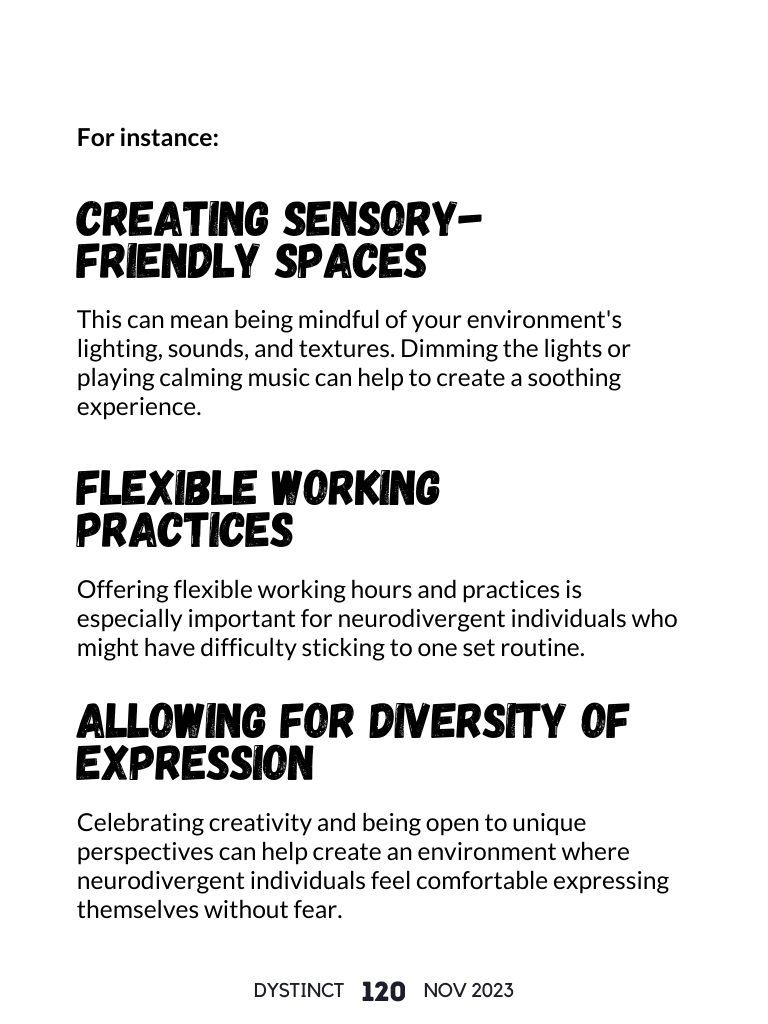
For instance:
- Creating Sensory-Friendly Spaces
This can mean being mindful of your environment's lighting, sounds, and textures. Dimming the lights or playing calming music can help to create a soothing experience. - Flexible Working Practices
Offering flexible working hours and practices is especially important for neurodivergent individuals who might have difficulty sticking to one set routine. - Allowing for Diversity of Expression
Celebrating creativity and being open to unique perspectives can help create an environment where neurodivergent individuals feel comfortable expressing themselves without fear.
Building these frameworks requires active participation from all of us. It starts with understanding our biases and recognising how they play out in the world around us. Only then can we make meaningful progress towards achieving an inclusive society for all.
It is also essential to recognise that neurodivergence is not a bad thing but rather something to be embraced and celebrated. We're all different in unique ways, no matter how we express it. By embracing our differences and working together, we can build a future where everyone feels safe and seen, adding double empathy.
The Power of Double Empathy
"Double empathy" is essential in creating a more understanding and inclusive society for neurodivergent individuals. It is a mutual exchange where neurotypical and neurodivergent individuals strive to understand each other's perspectives and experiences.
Rather than merely expecting neurodivergent individuals to understand and mimic neurotypical behaviours and social rules, double empathy encourages neurotypical individuals to be equally invested in understanding the nuances of the neurodivergent world. This reciprocity can foster genuine connections, challenge stereotypes, and dismantle societal norms perpetuating misunderstanding and marginalisation.
Double empathy shifts the onus from the neurodivergent individual to society at large. It's a shared responsibility of understanding, acceptance, and adaptation that paves the way for genuinely inclusive environments. By promoting double empathy, we can reimagine a society where individual differences are tolerated, understood, and celebrated.
The call to action is clear: it's time that we unmask neurodiversity and embrace the beauty of human differences. Only then can we work towards creating an inclusive society where all individuals feel seen, heard, and understood. It starts with the small actions in our everyday lives — one conversation at a time. Let's come together!
Simon Da Roza
Principal Consultant
Xceptionallearners.com | Facebook | Instagram | YouTube | LinkedIn | Pinterest
Simon Da Roza
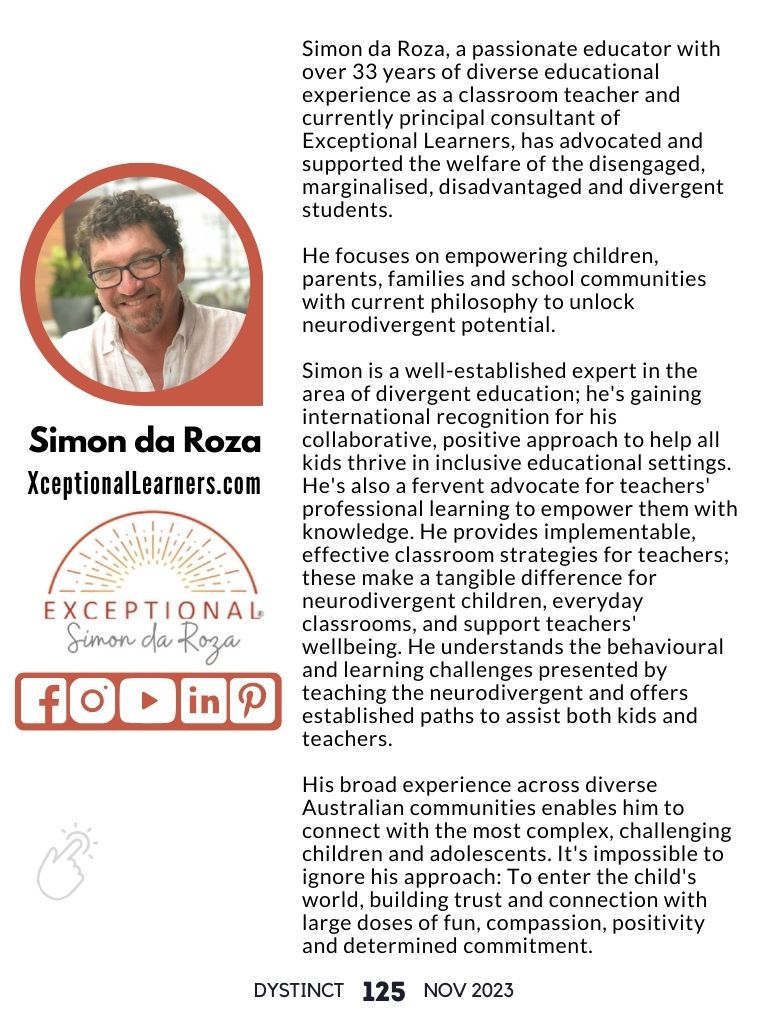
Simon da Roza, a passionate educator with over 33 years of diverse educational experience as a classroom teacher and currently principal consultant of Exceptional Learners, has advocated and supported the welfare of the disengaged, marginalised, disadvantaged and divergent students.
He focuses on empowering children, parents, families and school communities with current philosophy to unlock neurodivergent potential.
Simon is a well-established expert in the area of divergent education; he's gaining international recognition for his collaborative, positive approach to help all kids thrive in inclusive educational settings. He's also a fervent advocate for teachers' professional learning to empower them with knowledge. He provides implementable, effective classroom strategies for teachers; these make a tangible difference for neurodivergent children, everyday classrooms, and support teachers' wellbeing. He understands the behavioural and learning challenges presented by teaching the neurodivergent and offers established paths to assist both kids and teachers.
His broad experience across diverse Australian communities enables him to connect with the most complex, challenging children and adolescents. It's impossible to ignore his approach: To enter the child's world, building trust and connection with large doses of fun, compassion, positivity and determined commitment.
BUY eBook

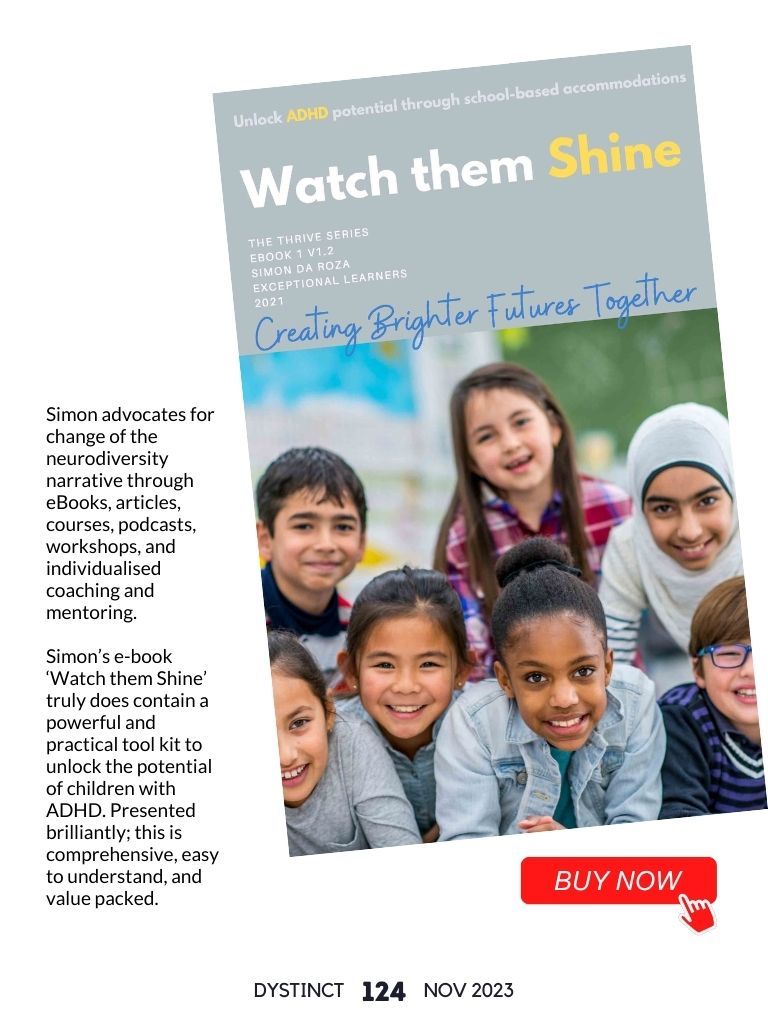
Watch Them Shine Ebook
'Watch them Shine!' An introduction for educators and parents to improve the educational outcomes and guidance of children with Attention Deficit Hyperactivity Disorder (ADHD) by applying knowledge of executive functioning delays in creating effective, reasonable adjustments in the classroom.
Let Them Shine is a resource to support your teachers in supporting divergent learners. The adjustments are free and can be implemented today. These adjustments will have an immediate positive effect on students and your teachers' wellbeing. Start from a strengths-based perspective, add empathy, guidance and watch them thrive.
When you have a deep understanding of the neurology of ADHD, you will understand the effects upon the classroom and learning. Academic research of neurology and ADHD has turned our appreciation of this disability on its head. What we once thought ADHD to be is wrong. Combine this new knowledge with the realisation that each presentation is unique and therefore each solution must also be unique. However, you are the expert in your classroom and of the children in your care, add the creative solutions you and your students collaboratively implement in light of this knowledge and you will create effective reasonable adjustments.
Extracts from Dystinct Magazine
Extracts from Dystinct Magazine