Issue 15: Dyslexia: Creating a Safety Net at School | Dr Kelli Sandman-Hurley
Dr Kelli Sandman-Hurley discusses how students with dyslexia can feel socially and emotionally unsafe at school due to their struggles with reading and writing and suggests adjustments that could make a massive difference in helping students with dyslexia feel safe at school.
Table of Contents
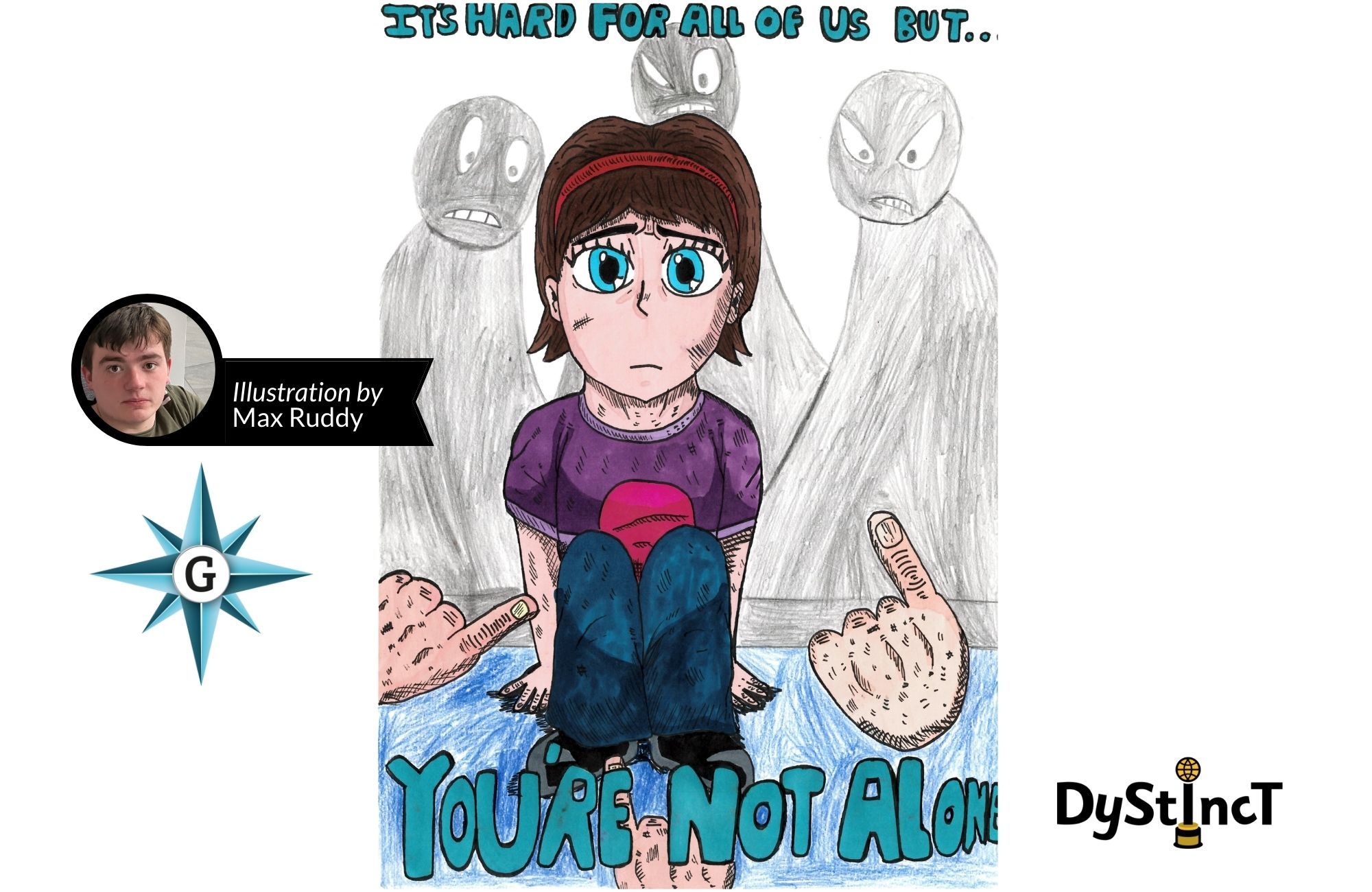
A child that cries every day as they go to school does not feel safe at school.
A child who misbehaves at school but not at home does not feel safe at school.
A child who feels physically ill Monday through Friday does not feel safe at school.
Every day many students with dyslexia walk through the doors of their classrooms, take a big deep breath in, and then let it all out.
They hope that on this day, they won’t be called on to read in front of their classmates.
They hope they won’t be called on to write on the board.
They hope that someone won’t suggest they are not trying hard enough.
They hope that someone doesn’t make comments about their accommodations or withhold them.
For these students, school is not a safe place for social and emotional health. But it could be, with just a few adjustments.
No Reading Out Loud – Ever!
No Reading Out Loud – Ever
I am adamant about this one. I interviewed 50 adults with dyslexia in my book The Adult Side of Dyslexia, and I asked them each to give me one word to describe what it felt like to read out loud. The words they used were torture, terrible, traumatizing, embarrassing and horrible. They could recount a time they had to read out loud as if it happened yesterday – even when it was 20 years ago. This is completely unnecessary. In fact, there is no pedagogical reason to have students read out loud, NONE. I wanted to find out why this is still done in classrooms, so I asked teachers to share why they still do it. Overwhelmingly, they shared that they do this for classroom management reasons. The need for classroom management should not outweigh the need for students to feel safe. However, if a student does raise their hand to read, then by all means, call on them. If a student raises their hand, they are signaling that they can do it. Then they need to be given the chance to show their classmates, their teachers and themselves that they can do it. In all other scenarios, just don’t do it.
Careless Words
Careless Words
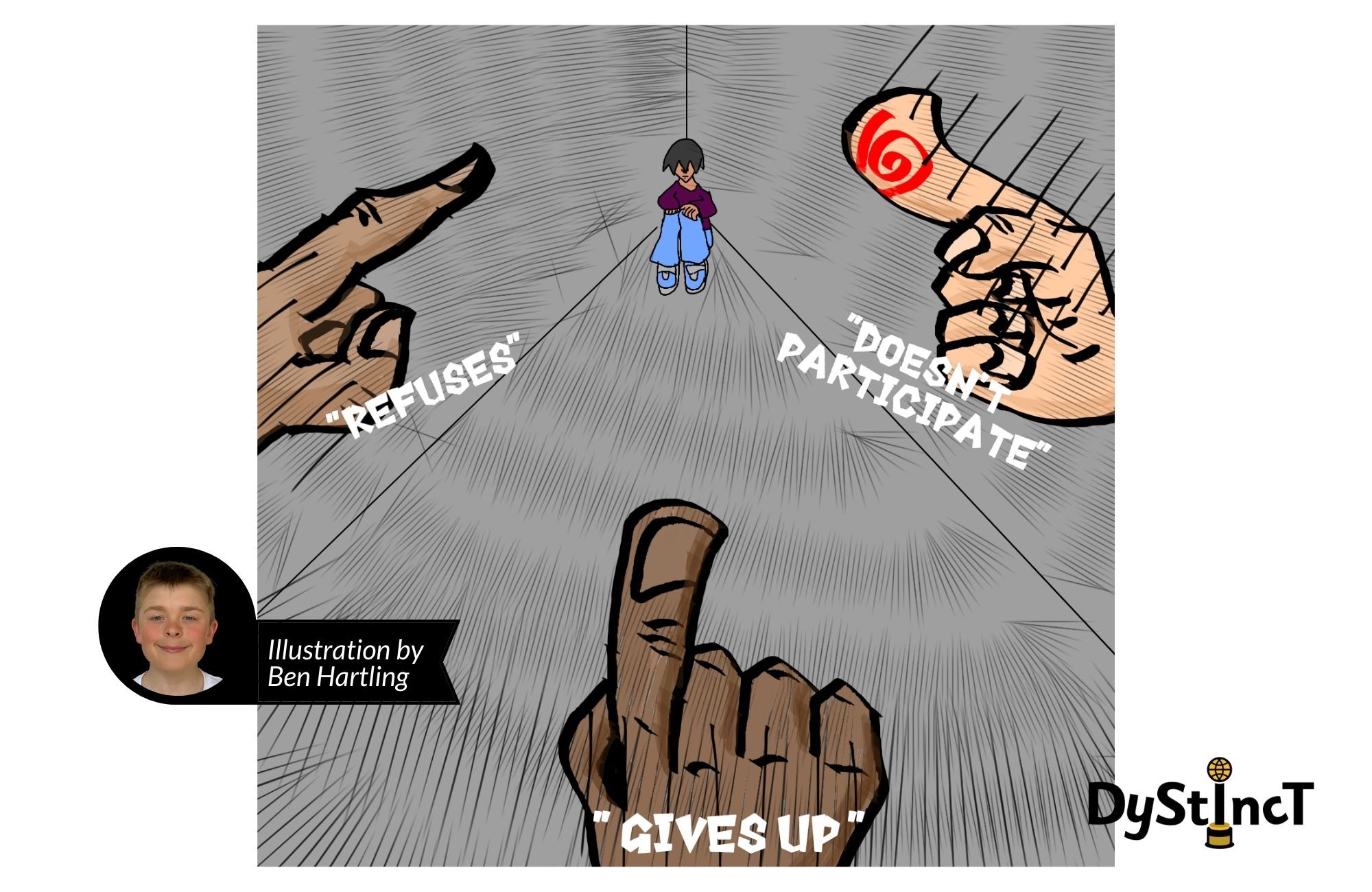
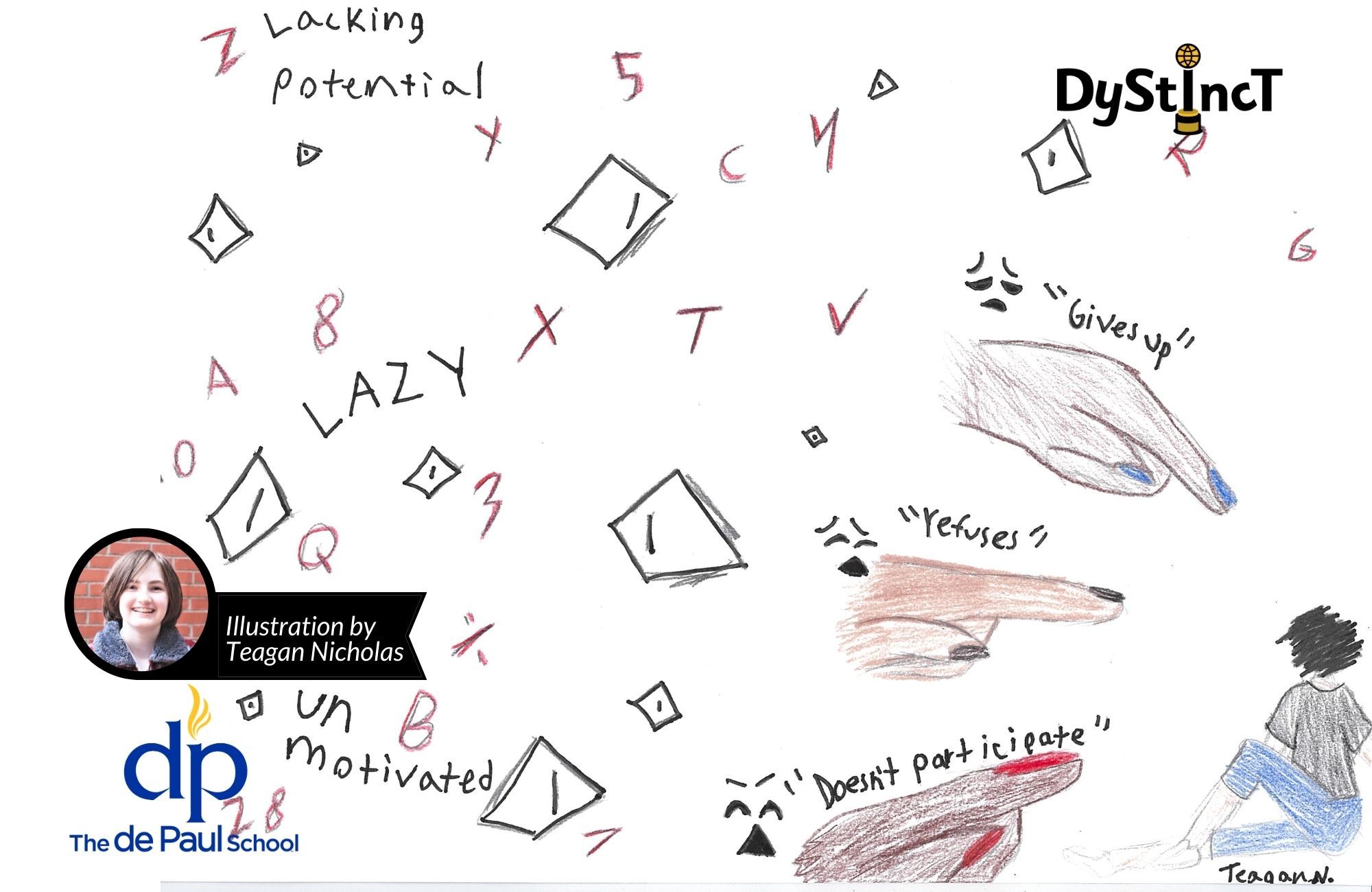
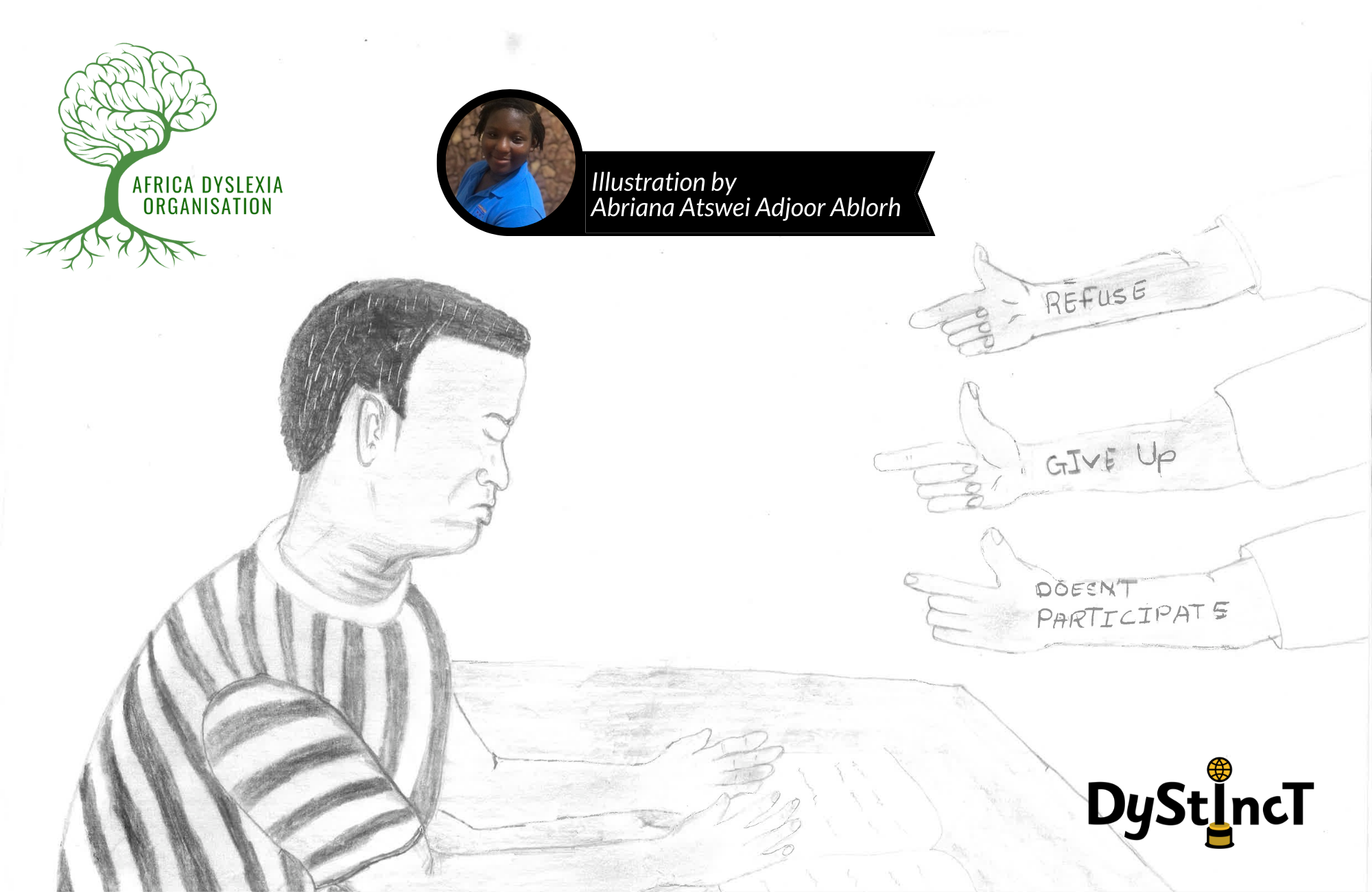
Sofia refuses to finish the spelling assessment.
Leo gives up and puts his head on his desk when he comes to class every morning.
Julia doesn’t participate during non-preferred activities.
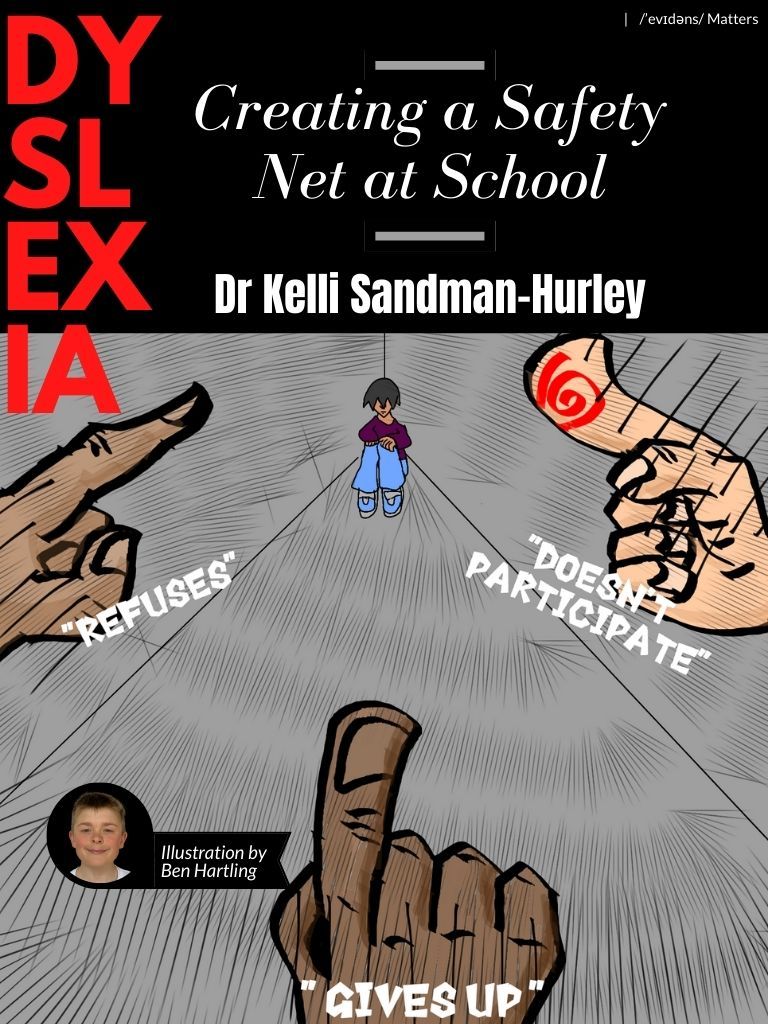
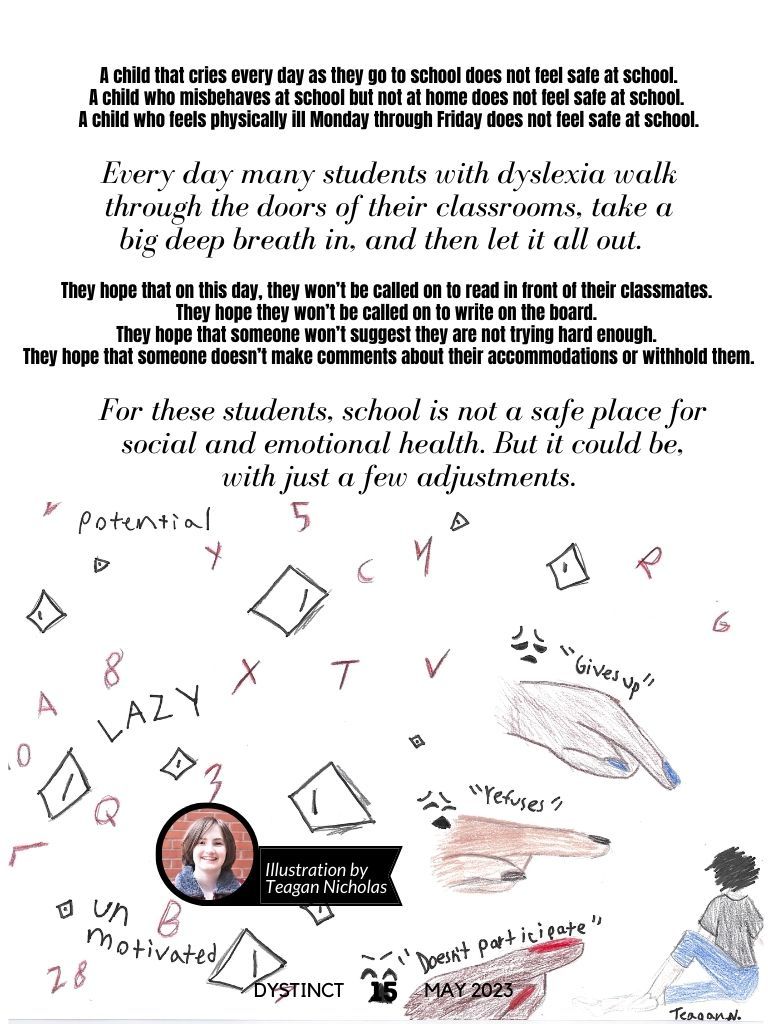
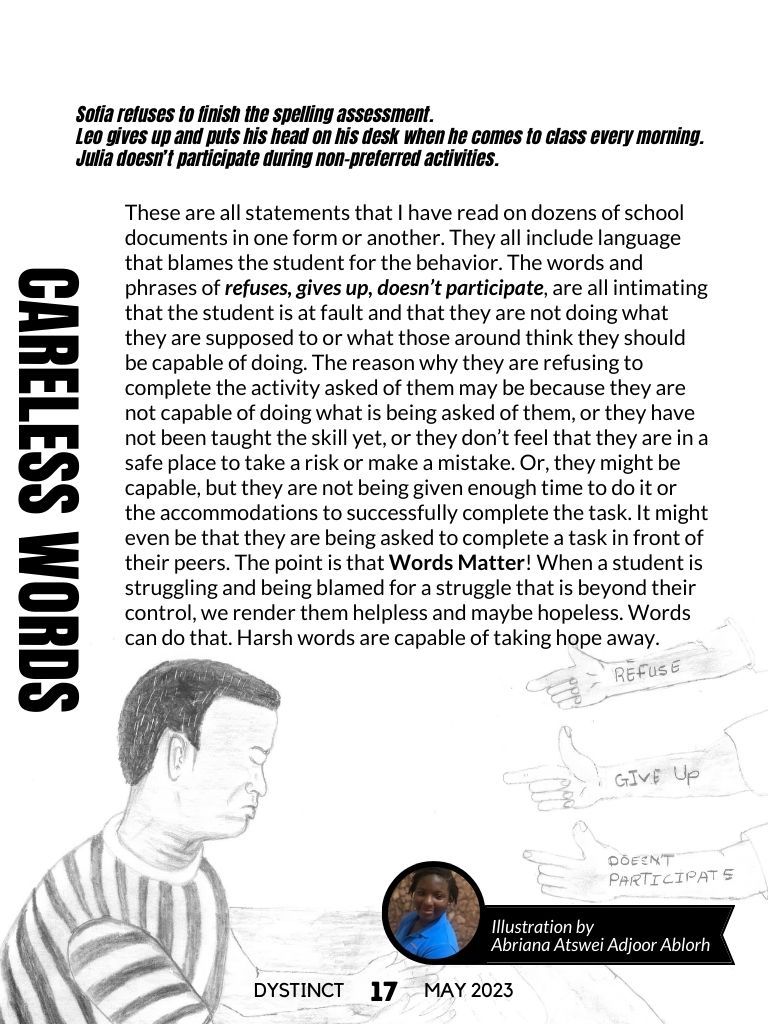
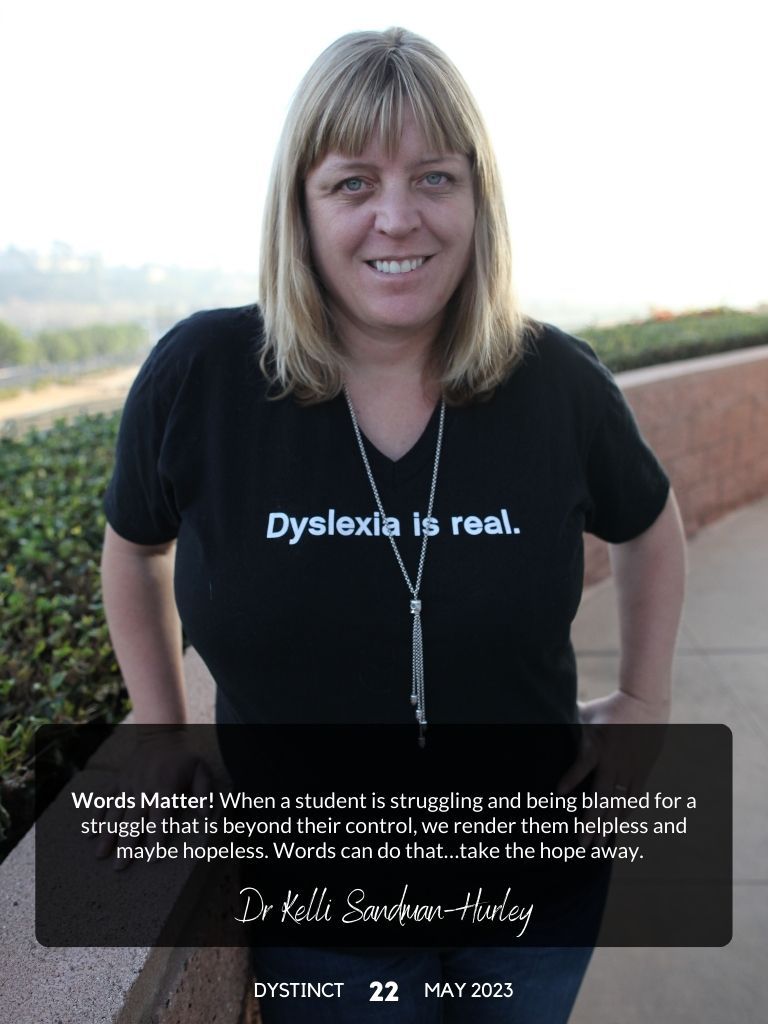
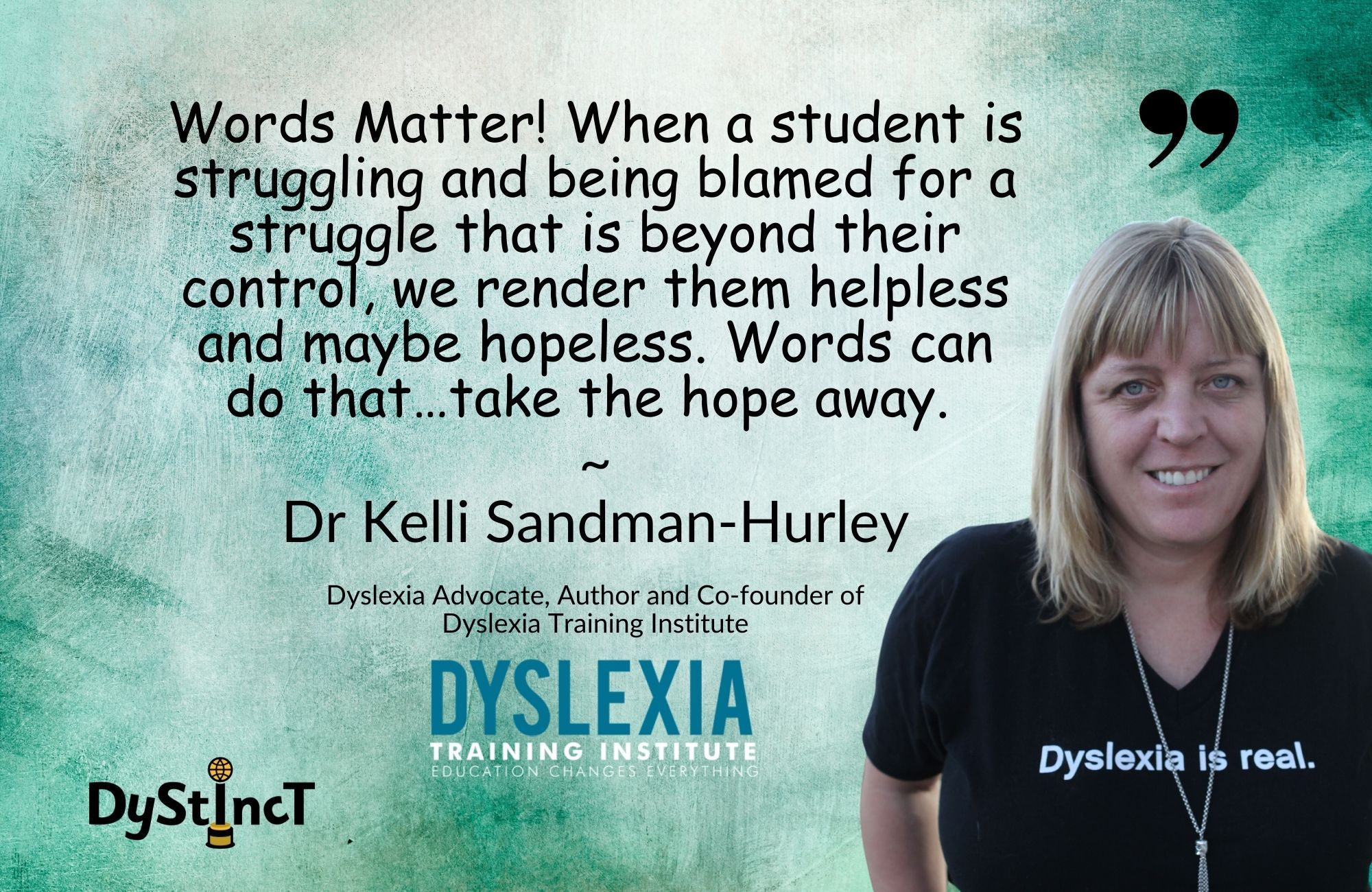
These are all statements that I have read on dozens of school documents in one form or another. They all include language that blames the student for the behavior. The words and phrases of refuses, gives up, doesn’t participate, are all intimating that the student is at fault and that they are not doing what they are supposed to or what those around think they should be capable of doing. The reason why they are refusing to complete the activity asked of them may be because they are not capable of doing what is being asked of them, or they have not been taught the skill yet, or they don’t feel that they are in a safe place to take a risk or make a mistake. Or, they might be capable, but they are not being given enough time to do it or the accommodations to successfully complete the task. It might even be that they are being asked to complete a task in front of their peers. The point is that Words Matter! When a student is struggling and being blamed for a struggle that is beyond their control, we render them helpless and maybe hopeless. Words can do that. Harsh words are capable of taking hope away.
Throwing Everything At The Wall To See What Works
Throwing Everything At The Wall To See What Works
As an advocate and expert witness, I often find myself repeatedly explaining why it is important to teach the English language to students with dyslexia explicitly and consistently. We need to help the student see the sense in English in a structured and organized way. Instead, what happens to many students is that they are offered what the school has that year and when the current year turns into the next year, they are offered something else. The problem is that every time a school tries a new program to ‘see what works,’ and the student doesn’t make progress, the student internalizes that failure as their own. They think that the school knows how to teach, so the problem must lie within them. They begin to think that they must be stupid or not trying hard enough. They are labeled non-responders or reluctant readers. Feeling safe at school means that the student has to trust the process and the people making decisions on their behalf. When those decisions are wrong time after time, the trust erodes, and the safety net begins to loosen.
Saying Nothing
Saying Nothing
Many adults with dyslexia will share that it was lonely and isolating to have dyslexia and be unaware that they had dyslexia. Sitting in a classroom and struggling without knowing why you are struggling while your peers seem to be doing just fine is traumatic. Being whisked away from class daily to meet with a teacher in a small group without being told why is confusing. Students with dyslexia have a pattern of strengths and weaknesses which is how we know they are more than capable of learning. So, when someone who is capable is not identified or supported, they begin to self-diagnose themselves as stupid or lazy. In order to protect their self-esteem and help them feel safe in their school environment, they have to be included in the decisions. Before beginning an intervention, they should be told why the approach was chosen for them, how it works and what to expect – at all ages. They are not just receptacles for information. If they aren’t bought into the instruction and understand its importance, the instruction is almost pointless.
So, say something!
Say dyslexia.
Say it isn’t their fault.
Say it will be ok.
Accommodate Them
Accommodate Them
Accommodations might be the most important part of a student’s academic success. Yes, remediation and appropriate instruction are important, but in order to be successful the rest of the day, accommodations are necessary. Accommodations are how students can access information that is at their intellectual level. It is how students can demonstrate to their peers and their teachers, and themselves that they are capable of learning when the written language barrier is removed. When a student knows they can access accommodations, they will feel safe in their classroom, and their emotional well-being will be protected. The main barrier to the use of accommodations is the lack of understanding of how to use them by students, parents, and educators.
Feeling safe is so much more than worrying about our physical being. We also have to protect our emotional well-being. Children often don’t get to decide what their school experience will be like. If we don’t take the time to understand why they are struggling, avoid classroom strategies that induce stress, and provide accommodations, we are creating an unsafe space that will impact them for a lifetime.
Dr Kelli Sandman-Hurley
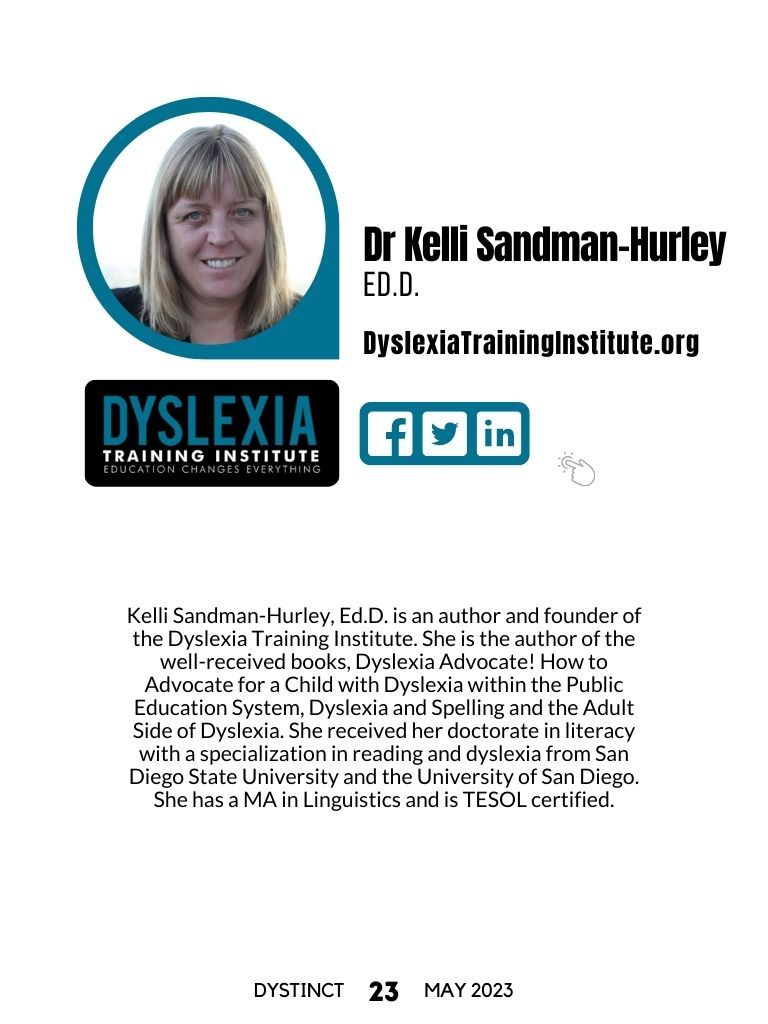
Dyslexia Advocate, Author and Co-founder of the Dyslexia Training Institute
DyslexiaTrainingInstitute.org | Facebook | Twitter | LinkedIn
Dr Kelli Sandman-Hurley
Kelli Sandman-Hurley, Ed.D. is an author and founder of the Dyslexia Training Institute. She is the author of the well-received books, Dyslexia Advocate! How to Advocate for a Child with Dyslexia within the Public Education System, Dyslexia and Spelling and the Adult Side of Dyslexia. She received her doctorate in literacy with a specialization in reading and dyslexia from San Diego State University and the University of San Diego. She has a MA in Linguistics and is TESOL certified.
BUY BOOK
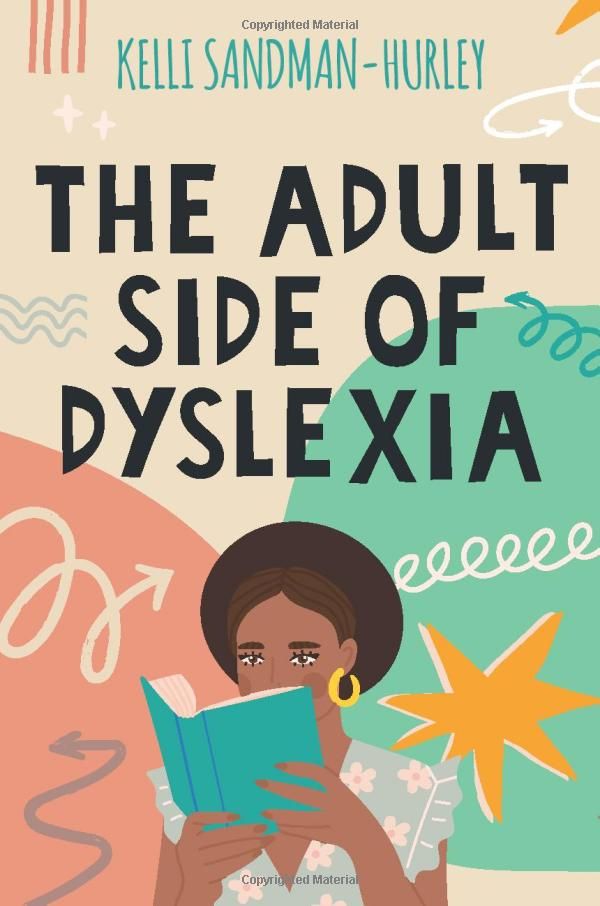
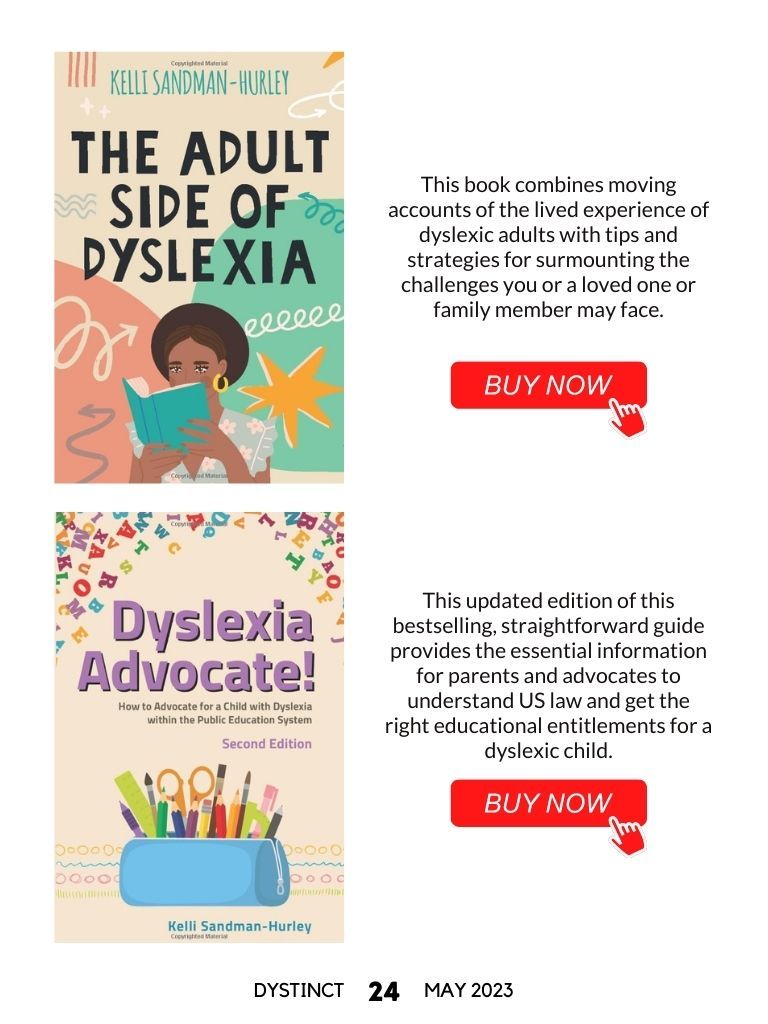
The Adult Side of Dyslexia
This book combines moving accounts of the lived experience of dyslexic adults with tips and strategies for surmounting the challenges you or a loved one or family member may face.
Drawing on in-depth interviews, Kelli Sandman-Hurley explores common themes such as school experiences; the impact of dyslexia on mental wellbeing; literacy skills; and being a dyslexic parent, perhaps to a child who is also dyslexic. Interviewees share what helped them (or didn't), the strategies they use daily to tackle literacy-based tasks, anxiety and low self-esteem, the advice they would give to the parent of a dyslexic child who is struggling, and reflect on how their experience has impacted their own parenting style.
Whether you're dyslexic yourself or supporting someone who is, this book sheds light on an underrepresented topic, providing much-needed guidance and insight around what life is really like for an adult with dyslexia.
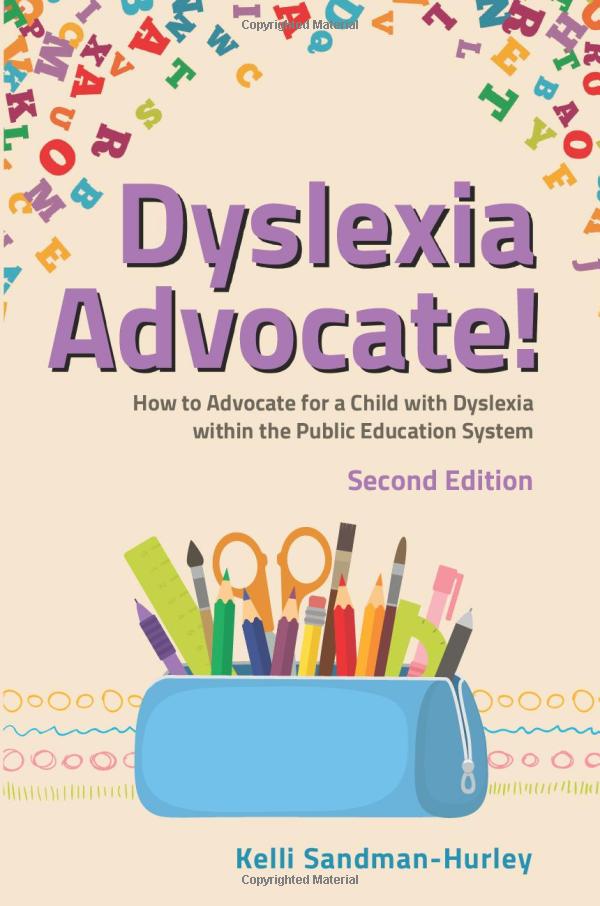
Dyslexia Advocate! Second Edition
This updated edition of this bestselling, straightforward guide provides the essential information for parents and advocates to understand US law and get the right educational entitlements for a dyslexic child.
Using case studies and examples, this book demonstrates clearly how to apply the Individuals with Disabilities Education Act (IDEA) to the unique requirements of a dyslexic child. It offers simple, intelligible help for parents on how to coordinate successfully with their child's school and achieve the right services and support for their dyslexic child; up to and beyond getting an effective Individual Education Plan (IEP).
Dyslexia Advocate! is an invaluable tool for parents trying to negotiate a complex legal system to get the best outcome for their child. With brand new chapters on the structure of special education services in the US and current state laws, this guide is fundamental to understanding and advocating for your dyslexic child.
Extracts from the Magazine
Extracts from the Magazine