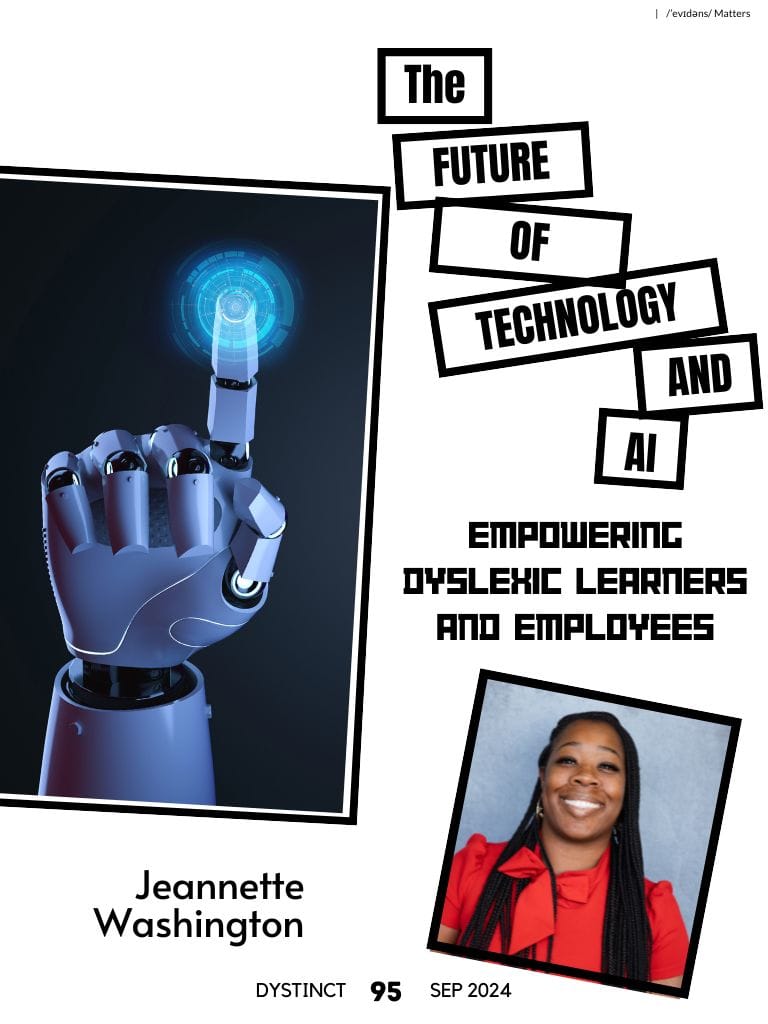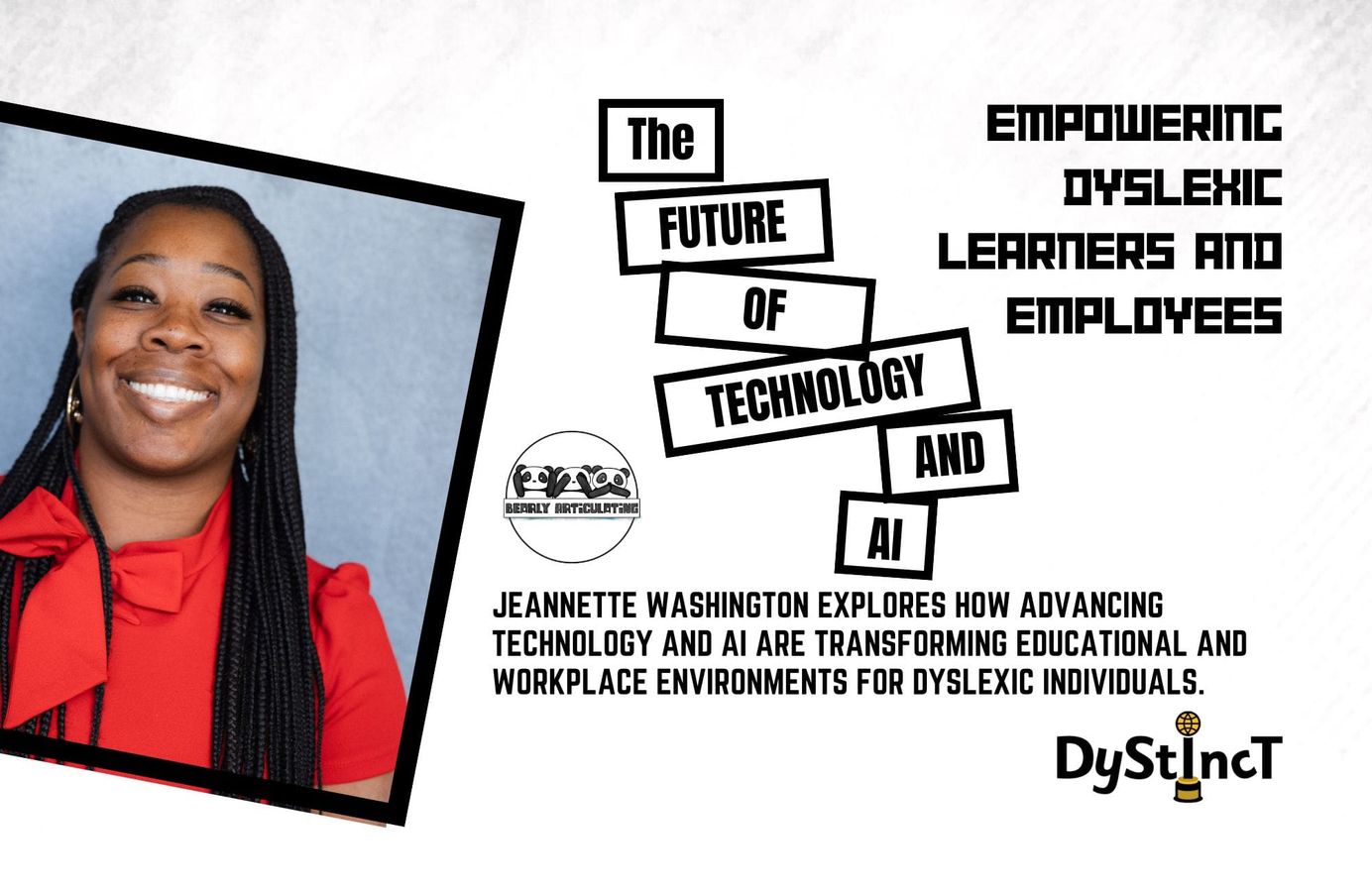
Issue 23: The Future of Technology and AI: Empowering Dyslexic Learners and Employees | Jeannette Washington
Jeannette Washington explores how advancing technology and AI are transforming educational and workplace environments for dyslexic individuals.

Table of Contents
As technology and artificial intelligence (AI) continue to advance at an unprecedented pace, they hold immense potential to transform the lives of individuals with dyslexia, both in educational settings and the workplace. This article explores how emerging technologies and AI-driven solutions are reshaping the landscape for dyslexic learners and adult employees, offering new opportunities for success and inclusion.

Adaptive Learning Technologies
Adaptive Learning Technologies
One of the most promising developments for dyslexic learners is the rise of adaptive learning technologies. These AI-powered systems can analyze a student's learning patterns, strengths, and challenges in real time, tailoring educational content to their specific needs (Alsobhi et al.,2015). For dyslexic individuals, this means personalized learning experiences that adjust text size, font, color contrast, and pacing to optimize comprehension and retention.
Text-To-Speech and Speech-To-Text Advancements
Text-To-Speech and Speech-To-Text Advancements
Improvements in text-to-speech (TTS) and speech-to-text technologies are proving invaluable for dyslexic learners and professionals. Advanced TTS systems now offer more natural-sounding voices and adjustable reading speeds, making it easier for dyslexic individuals to access written content (Elkind et al., 2016). Similarly, enhanced speech-to-text capabilities allow for effortless transcription of thoughts and ideas, reducing the cognitive load associated with writing.
AI-Powered poof reading and editing tools
AI-Powered poof reading and editing tools
Sophisticated AI-driven proofreading and editing tools are emerging as game-changers for dyslexic writers. These tools go beyond basic spell-checking, offering context-aware suggestions for grammar, word choice, and sentence structure. By providing real-time feedback and corrections, these technologies empower dyslexic individuals to express themselves more confidently in writing (Rello et al., 2018).
Virtual and augmented reality in education
Virtual and augmented reality in education
Virtual Reality (VR) and Augmented Reality (AR) technologies are opening up new dimensions in education for dyslexic learners. Immersive VR environments can provide multi-sensory learning experiences, helping to reinforce concepts through visual, auditory, and kinesthetic channels (Kalyvioti & Mikropoulos, 2014). AR applications can overlay additional information or visual aids onto text, making reading more accessible and engaging for dyslexic students.
AI assistants in the workplace
AI assistants in the workplace
In professional settings, AI-powered digital assistants are becoming invaluable allies for dyslexic employees. These assistants can help with task management, scheduling, and information retrieval, reducing the cognitive load associated with organizational tasks that may be challenging for individuals with dyslexia (Mortimore & Crozier, 2006). As Jeannette Washington highlights in her work, such tools can be particularly empowering for dyslexic individuals in tech fields, allowing them to focus on their strengths in problem-solving and innovation (Washington, 2021).
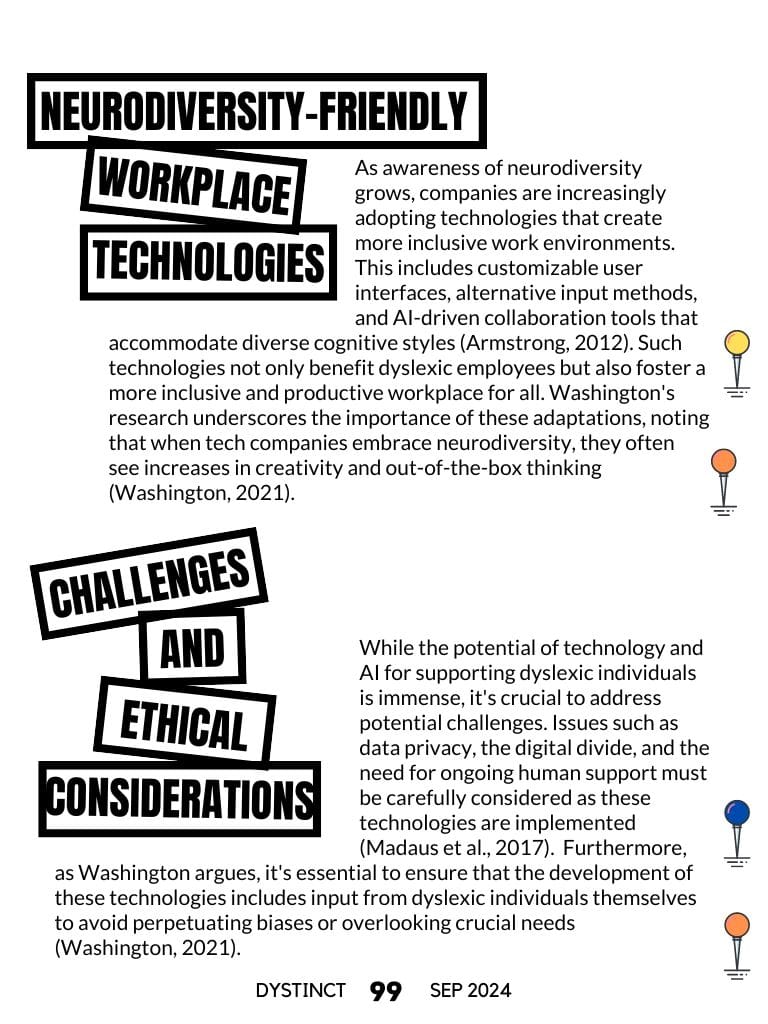
Neurodiversity-friendly workplace technologies
Neurodiversity-friendly workplace technologies
As awareness of neurodiversity grows, companies are increasingly adopting technologies that create more inclusive work environments. This includes customizable user interfaces, alternative input methods, and AI-driven collaboration tools that accommodate diverse cognitive styles (Armstrong, 2012). Such technologies not only benefit dyslexic employees but also foster a more inclusive and productive workplace for all. Washington's research underscores the importance of these adaptations, noting that when tech companies embrace neurodiversity, they often see increases in creativity and out-of-the-box thinking (Washington, 2021).
Challenges and ethical condsiderations
Challenges and ethical condsiderations
While the potential of technology and AI for supporting dyslexic individuals is immense, it's crucial to address potential challenges. Issues such as data privacy, the digital divide, and the need for ongoing human support must be carefully considered as these technologies are implemented (Madaus et al., 2017). Furthermore, as Washington argues, it's essential to ensure that the development of these technologies includes input from dyslexic individuals themselves to avoid perpetuating biases or overlooking crucial needs (Washington, 2021).
The role of dyslexic narratives in shaping technology
The role of dyslexic narratives in shaping technology
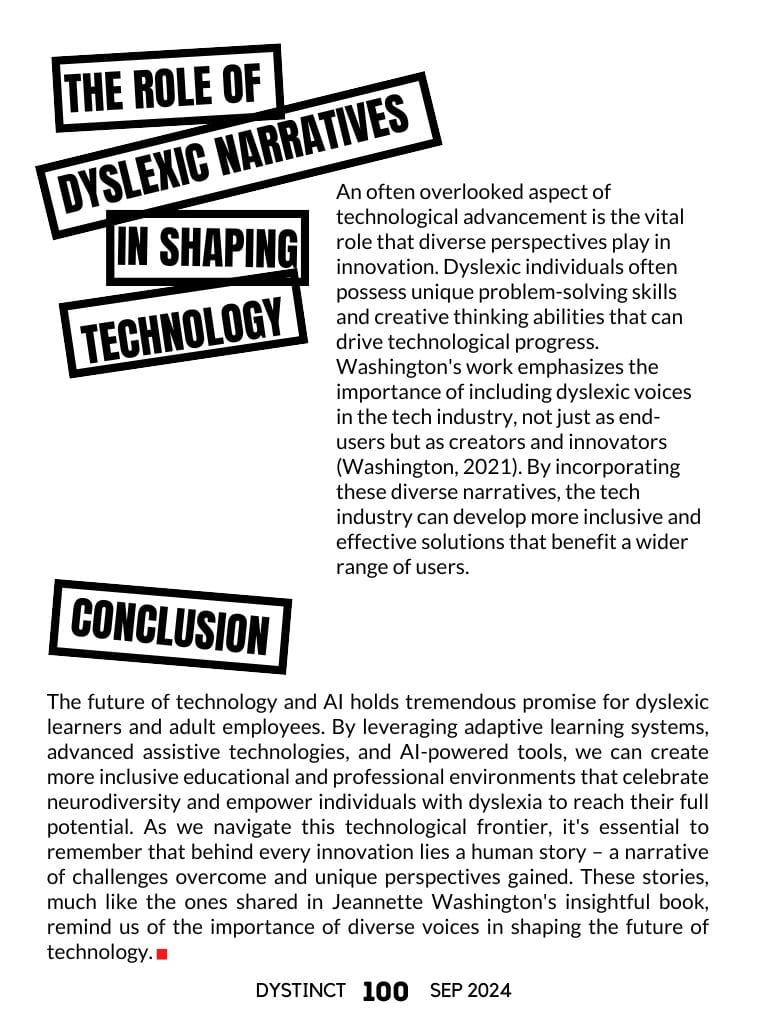
An often overlooked aspect of technological advancement is the vital role that diverse perspectives play in innovation. Dyslexic individuals often possess unique problem-solving skills and creative thinking abilities that can drive technological progress. Washington's work emphasizes the importance of including dyslexic voices in the tech industry, not just as end-users but as creators and innovators (Washington, 2021). By incorporating these diverse narratives, the tech industry can develop more inclusive and effective solutions that benefit a wider range of users.
Conclusion
Conclusion
The future of technology and AI holds tremendous promise for dyslexic learners and adult employees. By leveraging adaptive learning systems, advanced assistive technologies, and AI-powered tools, we can create more inclusive educational and professional environments that celebrate neurodiversity and empower individuals with dyslexia to reach their full potential. As we navigate this technological frontier, it's essential to remember that behind every innovation lies a human story – a narrative of challenges overcome and unique perspectives gained. These stories, much like the ones shared in Jeannette Washington's insightful book, remind us of the importance of diverse voices in shaping the future of technology.
References
References
- Alsobhi, A. Y., Khan, N., & Rahanu, H. (2015). DAEL Framework: A New Adaptive E-learning
- Framework for Students with Dyslexia. Procedia Computer Science, 51, 1947-1956.
- Armstrong, T. (2012). Neurodiversity in the classroom: Strength-based strategies to help students with special needs succeed in school and life. ASCD.
- Elkind, J., Cohen, K., & Murray, C. (2016). Using computer-based readers to improve reading comprehension of students with dyslexia. Annals of Dyslexia, 66(2), 195–214.
- Kalyvioti, K., & Mikropoulos, T. A. (2014). Virtual environments and dyslexia: A literature review. Procedia Computer Science, 27, 138-147.
- Madaus, J. W., Kowitt, J. S., & Lalor, A. R. (2017). The Higher Education Opportunity Act: Impact on students with disabilities. Rehabilitation Research, Policy, and Education, 26(1), 19-35.
- Mortimore, T., & Crozier, W. R. (2006). Dyslexia and difficulties with study skills in higher education. Studies in Higher Education, 31(2), 235-251.
- Rello, L., Ballesteros, M., Ali, A., Serra, M., Alarcón, D., & Bigham, J. P. (2018). Dytective: Diagnosing risk of dyslexia with a game. In Proceedings of the 20th International ACM SIGACCESS Conference on Computers and Accessibility (pp. 241-250).
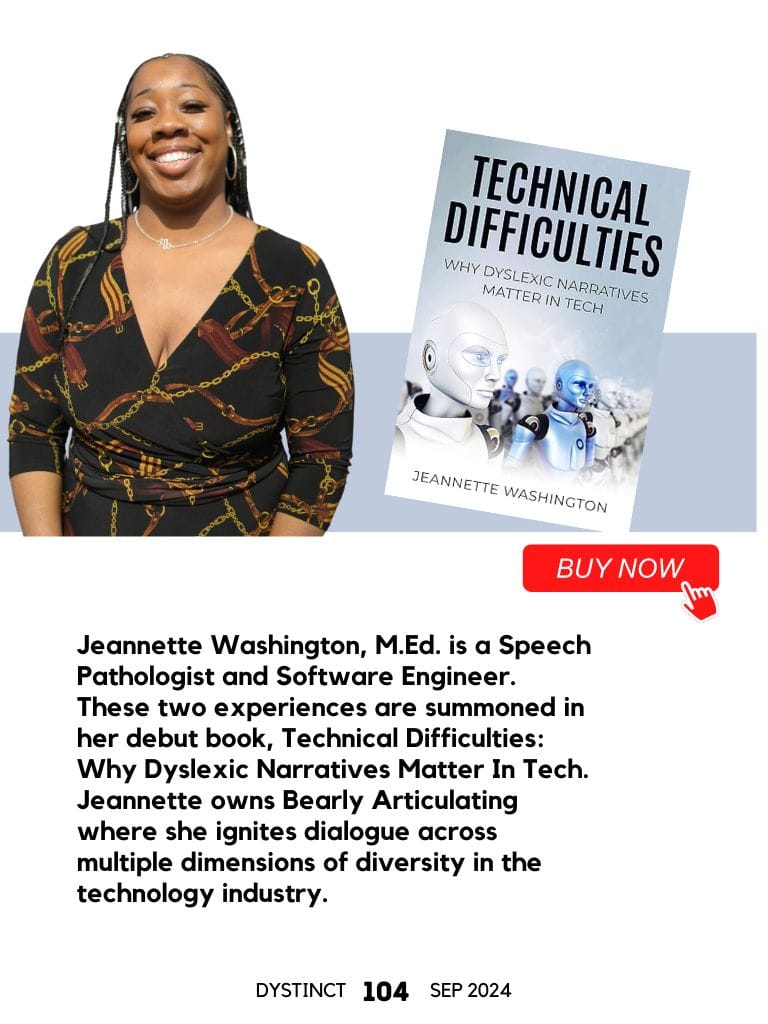
- Washington, J. (2021). Technical Difficulties: Why Dyslexic Narratives Matter in Tech. Bearly Articulating, LLC.
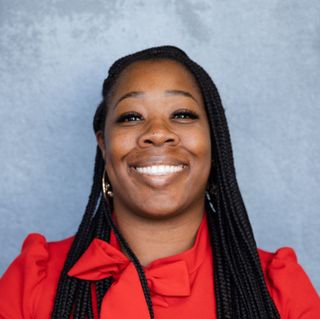
Jeannette Washington
Speech-Language Pathologist, International Speaker, Author, IB Educator, & CEO bearlyarticulating.com | Facebook | Twitter | Instagram | LinkedIn
Jeannette Washington
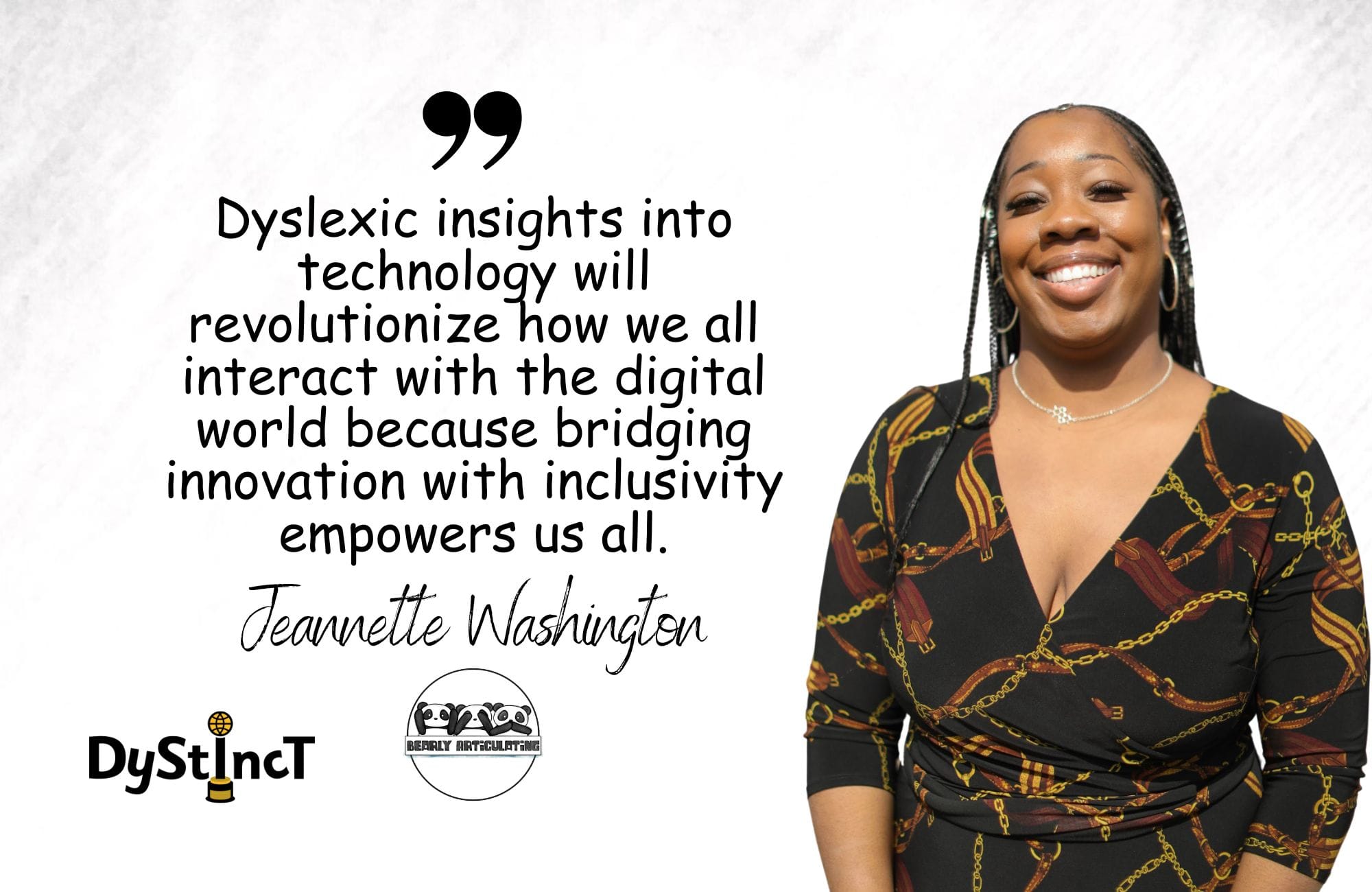
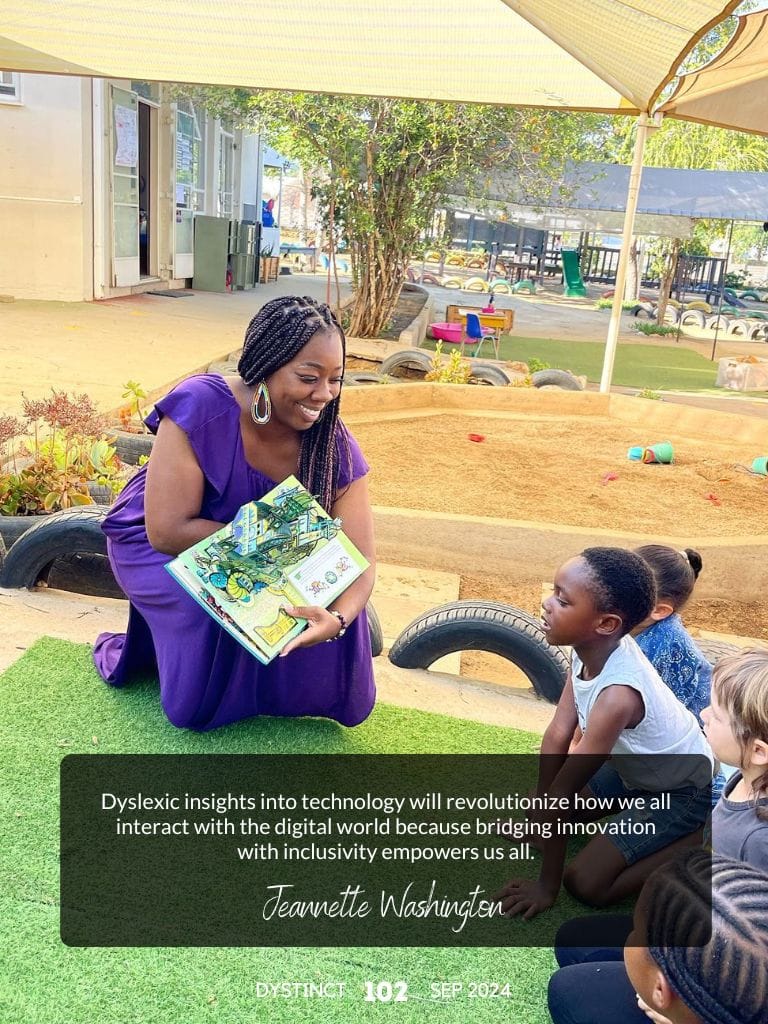
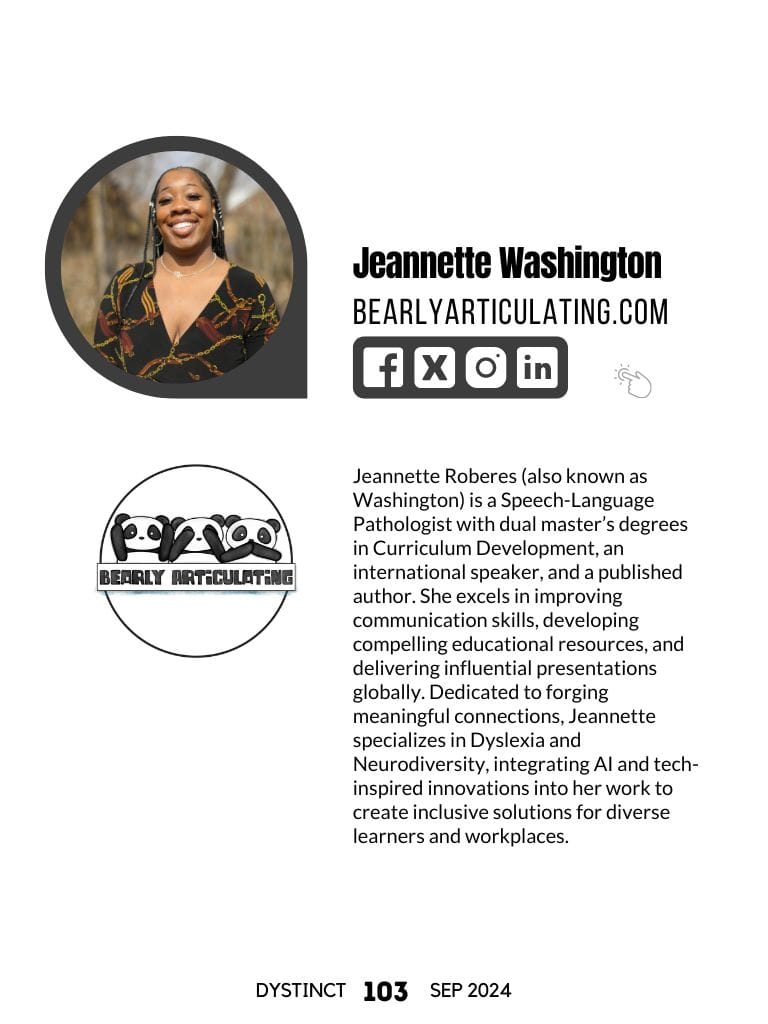
Jeannette Roberes (also known as Washington) is a Speech-Language Pathologist with dual master’s degrees in Curriculum Development, an international speaker, and a published author. She excels in improving communication skills, developing compelling educational resources, and delivering influential presentations globally. Dedicated to forging meaningful connections, Jeannette specializes in Dyslexia and Neurodiversity, integrating AI and tech-inspired innovations into her work to create inclusive solutions for diverse learners and workplaces.
BUY BOOK
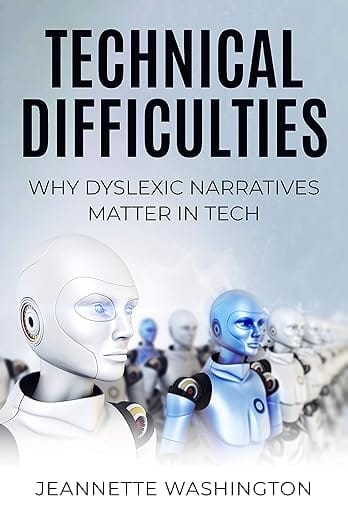
Technical Difficulties: Why Dyslexic Narratives Matter In Tech
There has never been a better time to consider how your skills can be harnessed within the tech industry. Tech is driving change in almost every major industry and so can you. Be on the front line of solving important issues, re-engineering ecosystems and contributing to meaningful change. The tech jobs of tomorrow require your narrative. After all, technology will only be as good as the people that it does the least for.
Extracts from Dystinct Magazine
Extracts from Dystinct Magazine