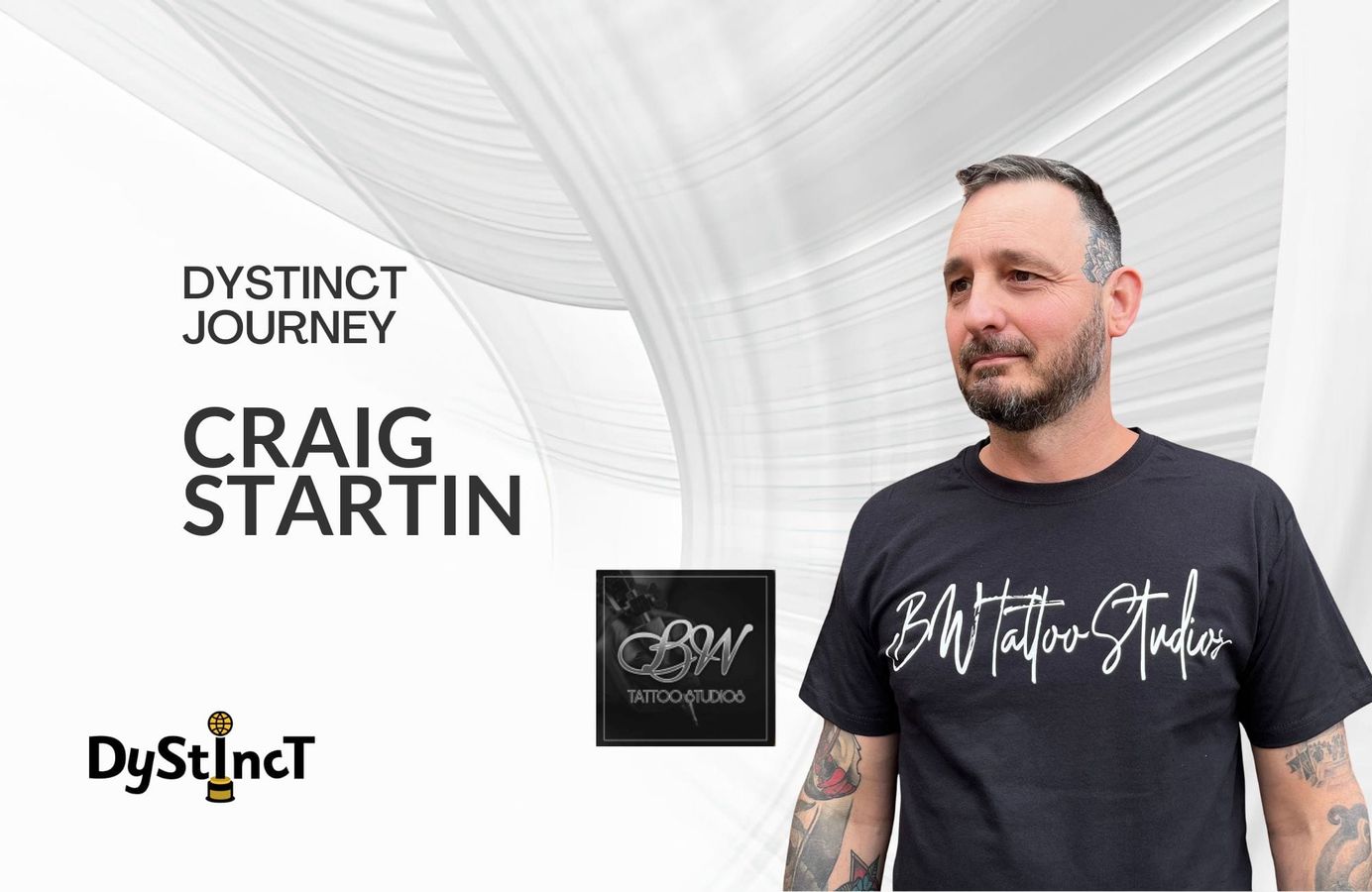
Issue 31: The Dystinct Journey of Craig Startin
Craig Startin reflects on growing up with undiagnosed dyslexia, the challenges that shaped him and how finding his creative outlet led to a successful career as a tattoo artist.

Dystinct Journey
Dystinct Journey
School never made sense to Craig. One of his earliest memories was struggling to learn cursive writing. "I still can't write joined-up to this day," he says. While his classmates seemed to grasp lessons with ease, Craig was falling behind. "It felt confusing, and I felt like I was a failure. I didn't understand why."
Teachers often kept Craig in during playtime, making him fill an entire A4 page with the line, "I must pay attention more in class." But Craig couldn't understand why paying attention seemed so difficult for him. "I knew that I didn't pay attention in class, but I just couldn't. I got bored so quickly, and my mind wandered," he recalls. At the time, he believed that was just the way he was.
It felt confusing, and I felt like I was a failure. I didn't understand why.
Some of those school experiences have stayed with Craig ever since. "Reading out loud still gives me anxiety today," he admits. He remembers being made to stand up in class and read aloud, repeating the same lines or missing lines altogether and feeling stupid. Craig was never diagnosed with dyslexia as a child. Looking back, Craig believes much of what he experienced came down to the times. "As a child of the '80s, dyslexia didn't exist. You were called slow or struggling to keep up with the other kids."
His report cards repeatedly stated, "Craig fails to pay attention in class," and some teachers were even more blunt. "Craig, you will amount to nothing," they told him. Eventually, he was held back a year in primary school. "I remember feeling upset and sad that my friends had gone up a year and I couldn't," he says. For a child who already felt confused and believed he was simply "that way", those words became part of how he saw himself.
I still remember my teachers telling me that I would amount to nothing.
Despite what happened at school, Craig's parents gave him something every child needs: love, support, and the freedom to find his own way. "My parents were very loving and supportive, but they also let me lead my own life and find my own way, make my own mistakes," Craig shares.
His creativity was encouraged from an early age, even though money was tight. "We didn't have a lot, but we were looked after," he says. One of his favourite memories is of his parents bringing home rolls of old wallpaper, unrolling them across the floor in front of the fireplace, and weighing each end down with a bin and a shoe so the paper wouldn't curl back up. "I would draw for hours."
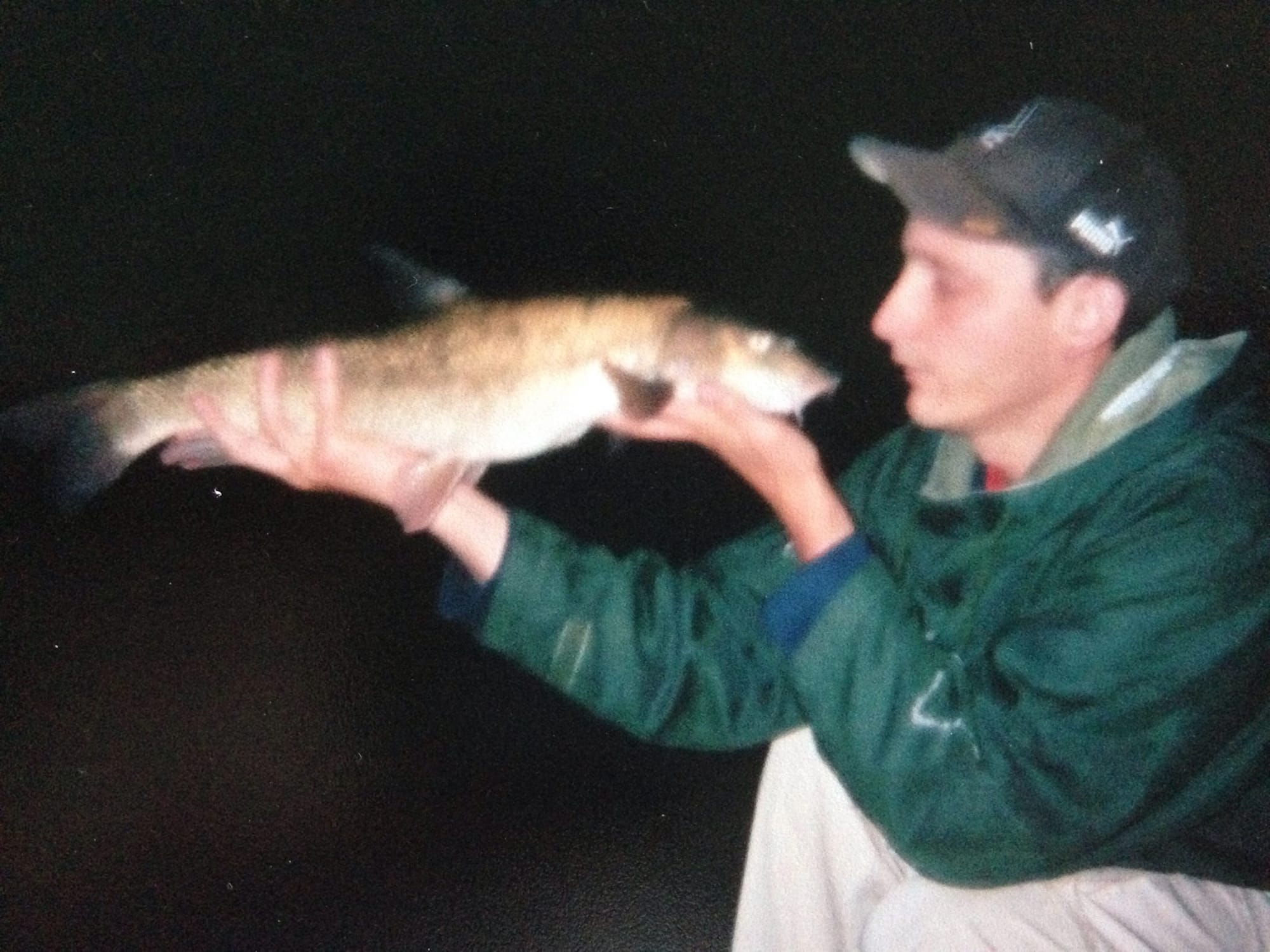
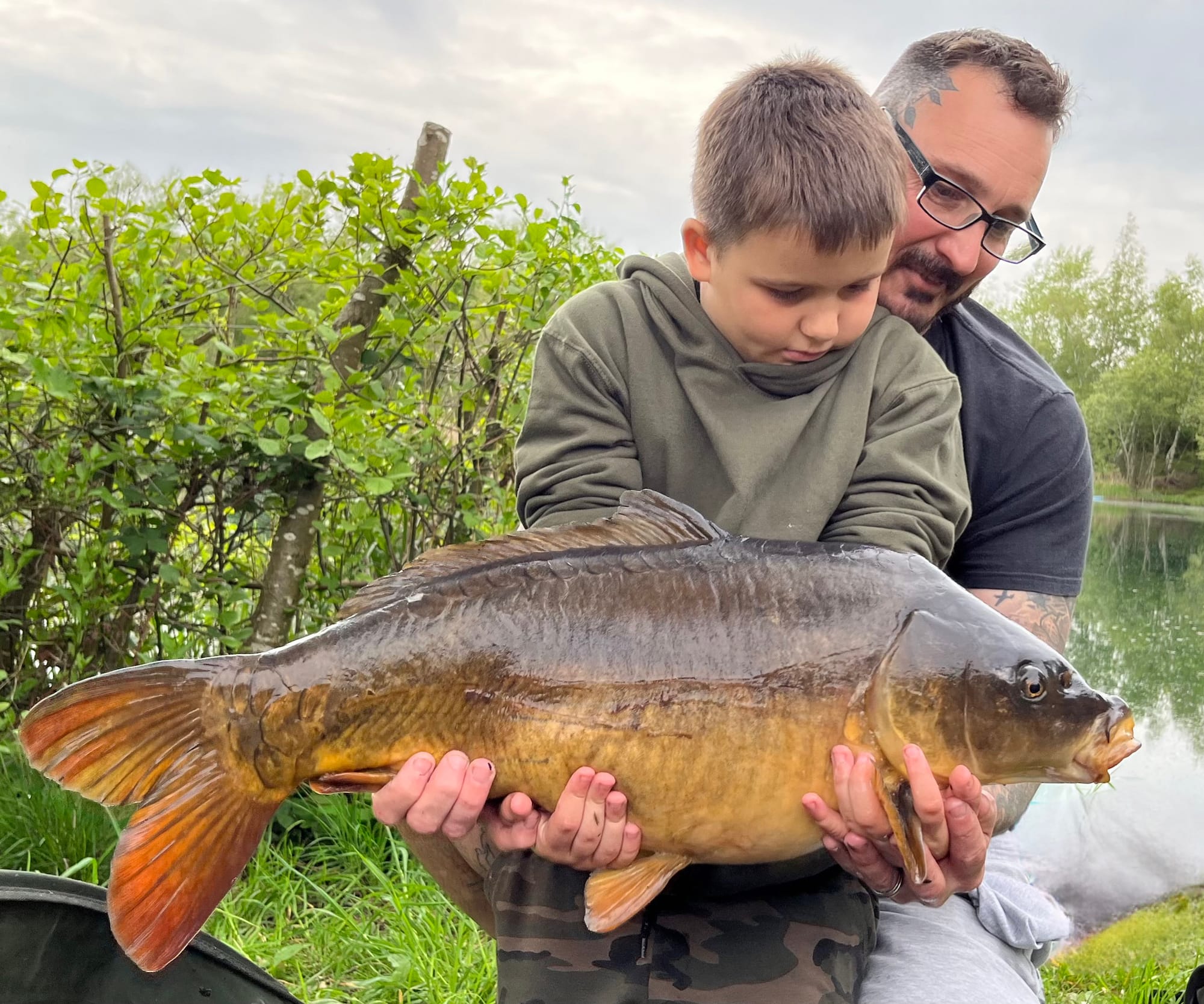
Craig’s parents' approach to raising him gave him the space to discover the activities he genuinely loved. "I enjoyed fishing and riding my bike, so that was an escape for me," he says. Fishing soon became more than a hobby. "Fishing was my passion and still is. I found out I was okay at it, and I could put effort into it because there was no right or wrong way. I also won a couple of matches." It gave him something school hadn't: the chance to discover what he could do, rather than be defined by what he couldn't.
I could put effort into fishing because there was no right or wrong way.
Although Craig's GCSE results were unremarkable overall, they also revealed where his strengths lay. "I found that Art and photography were what I was best at," he says. On leaving school at 16, Craig didn't dive straight into a creative career. With unemployment high across Britain in the 1990s, he decided to attend a careers advice centre. It led to him being placed on a Youth Training Scheme (YTS), earning a very low wage. Over the years, Craig worked across a range of retail roles, discovering that computers made everyday tasks much easier. Spell check and grammar editing tools helped him manage the written demands of work, and through determination, he eventually worked his way up to become a supermarket store manager.
As the years passed, Craig built a life and career of his own. But life took an unexpected turn when he lost his mum. He decided to take some time away from work and began drawing again. Around the same time, while shopping for his dad, he noticed something in his dad's handwriting that seemed familiar. "I remember after my mum's passing, going shopping for my dad and seeing his shopping list. There were words like 'Tay bags' for tea bags and 'iscrem' for ice cream. At that point, I realised that my dad was dyslexic and maybe this is how I am, but less severe, I guess."
For the first time, Craig began to understand why he had struggled since childhood. "Discovering this made me feel a mix of emotions, sad and also relieved, as for years I just tried my best to hide it away from the world." Although the discovery couldn't change what had happened to him at school, it gave Craig an explanation he had never had as a child. Instead of seeing himself as someone who wasn't good enough, he began to understand that there had been a reason behind the challenges he had faced all along.
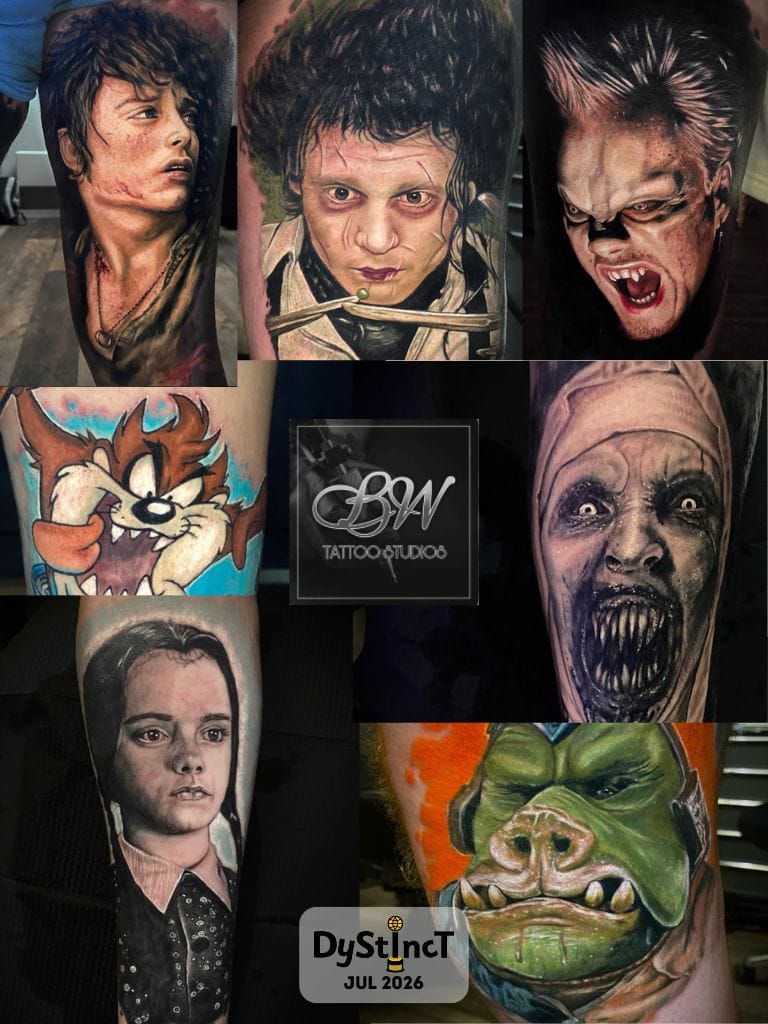
As life moved on, a chance conversation with a friend would introduce him to a career he had never considered. "A friend said to me, 'You used to be good at art at school. I bet you could do that,'" Craig recalls. Inspired by the suggestion, he bought a tattoo kit and largely taught himself the craft, practising on his friends as he developed his skills. Before long, he secured a part-time job in a tattoo studio. Drawing on his experience as a supermarket store manager, Craig saw an opportunity to do things differently. "I thought to myself, with my background as a store manager, I could make a better studio than this." He soon took the leap and opened his own business.
I got a tattoo kit and taught myself to tattoo my mates.
Building BW Tattoo Studio was demanding. "The early days were very long, and it was non-stop, seven days a week," Craig says. More than ten years later, the pace has changed. "It's more relaxed, and I spend fewer hours now." Although dyslexia made some parts of business ownership more difficult, Craig found ways to adapt. "Paperwork and dealing with solicitors and accounting were all a challenge," he says. Writing social media content and captions was particularly stressful because there was no way to check his spelling. Some people even left hurtful comments like, "I wouldn't get tattooed by him, he can't spell," judging his ability as a tattoo artist because of his spelling rather than his work. Over time, Craig found practical solutions. He brought in an accountant, while his wife gradually took on much of the business administration.
The early days were long and stressful. But more than ten years on, the pace has changed.

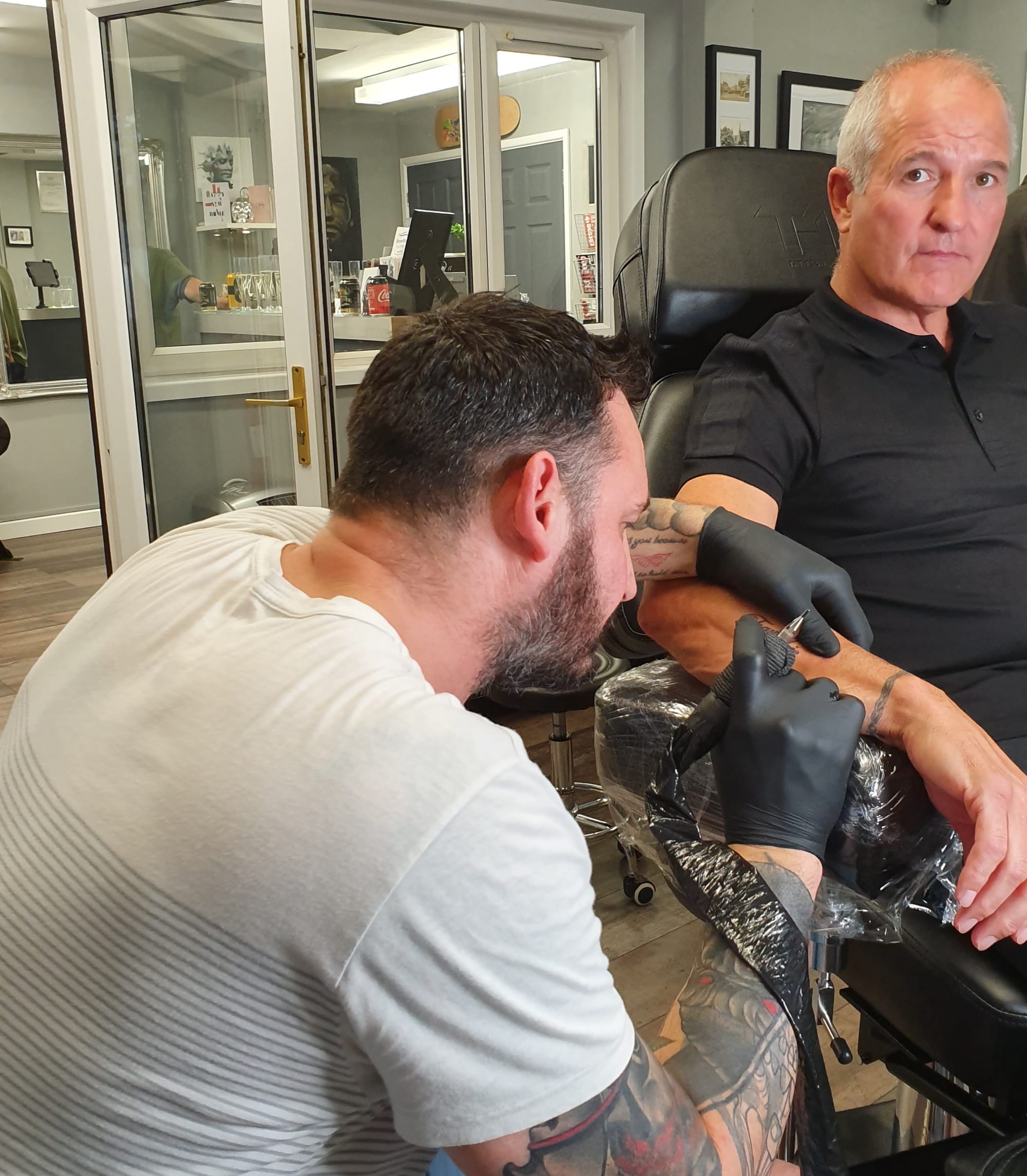
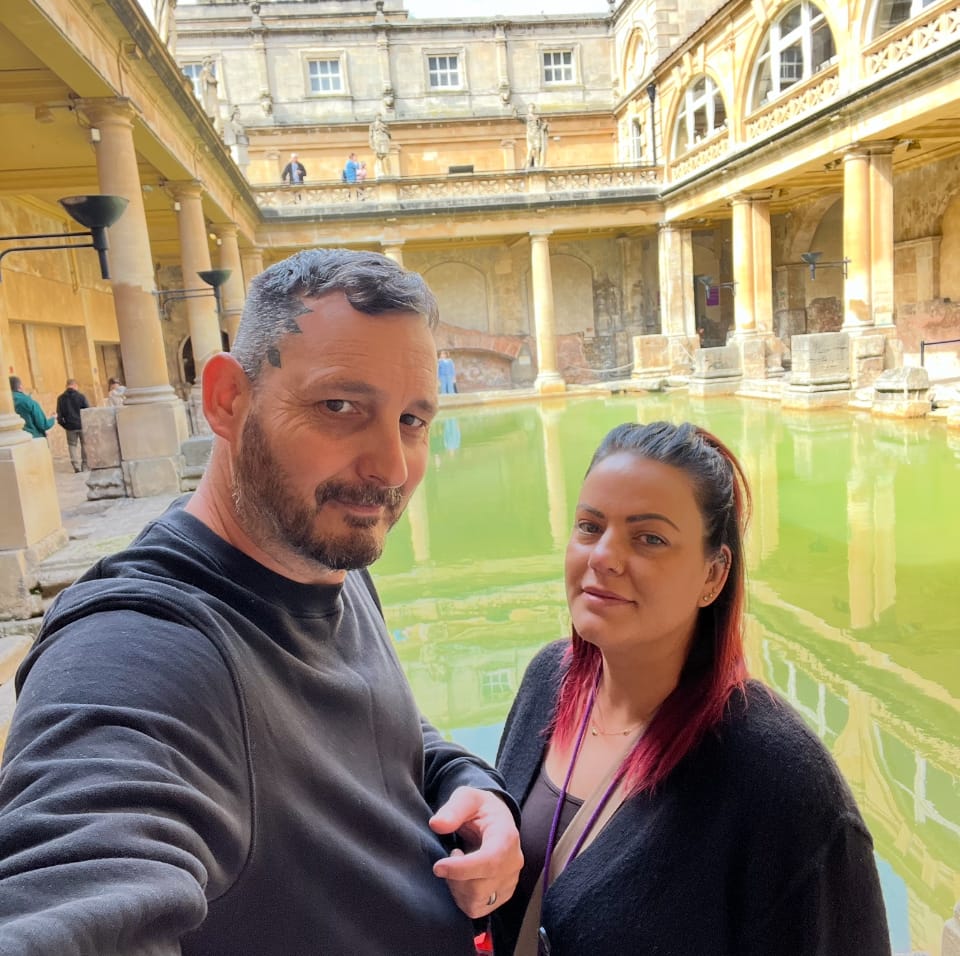
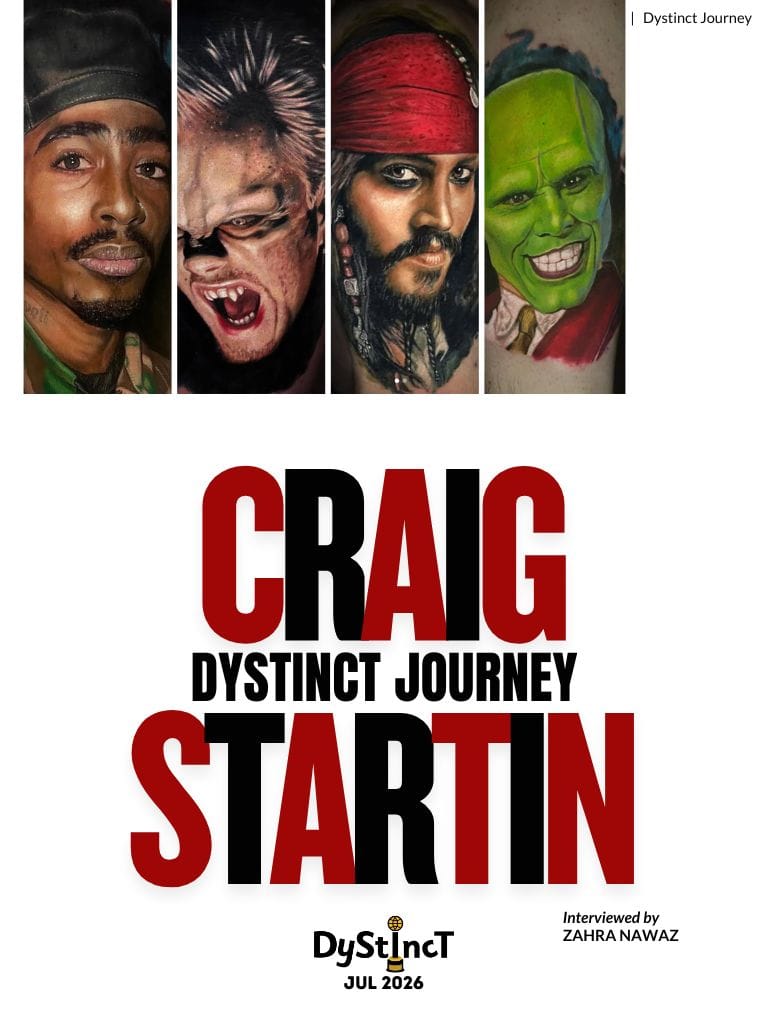
For Craig, his dyslexia shapes the way he tattoos. "As a visual thinker, it makes tattooing easier for me," he explains. While many artists rely heavily on detailed stencils, Craig works from much simpler guides. "In a portrait, all I need is the position of the eyes, nose and mouth and all the rest I fill in my own way." He also approaches each tattoo differently from many artists. "I do tattoo differently from most people and tend to shoot about the design rather than working from the bottom up, but I get it done."
Today, Craig is passionate about raising awareness of dyslexia so that other children do not grow up with the same misunderstandings he experienced. "Raising awareness is important to me because I wasn't aware as a child, and my teachers weren't aware of my dyslexia, so let's tell the world," he says. He wishes more people understood that dyslexia is about far more than spelling. "It's more than just not being able to spell, and it's not a joke," he says, although he adds with a smile, "I do like to make fun of my dyslexia sometimes."
Raising awareness is important to me because I wasn't aware as a child, and my teachers weren't aware of my dyslexia, so let's tell the world.
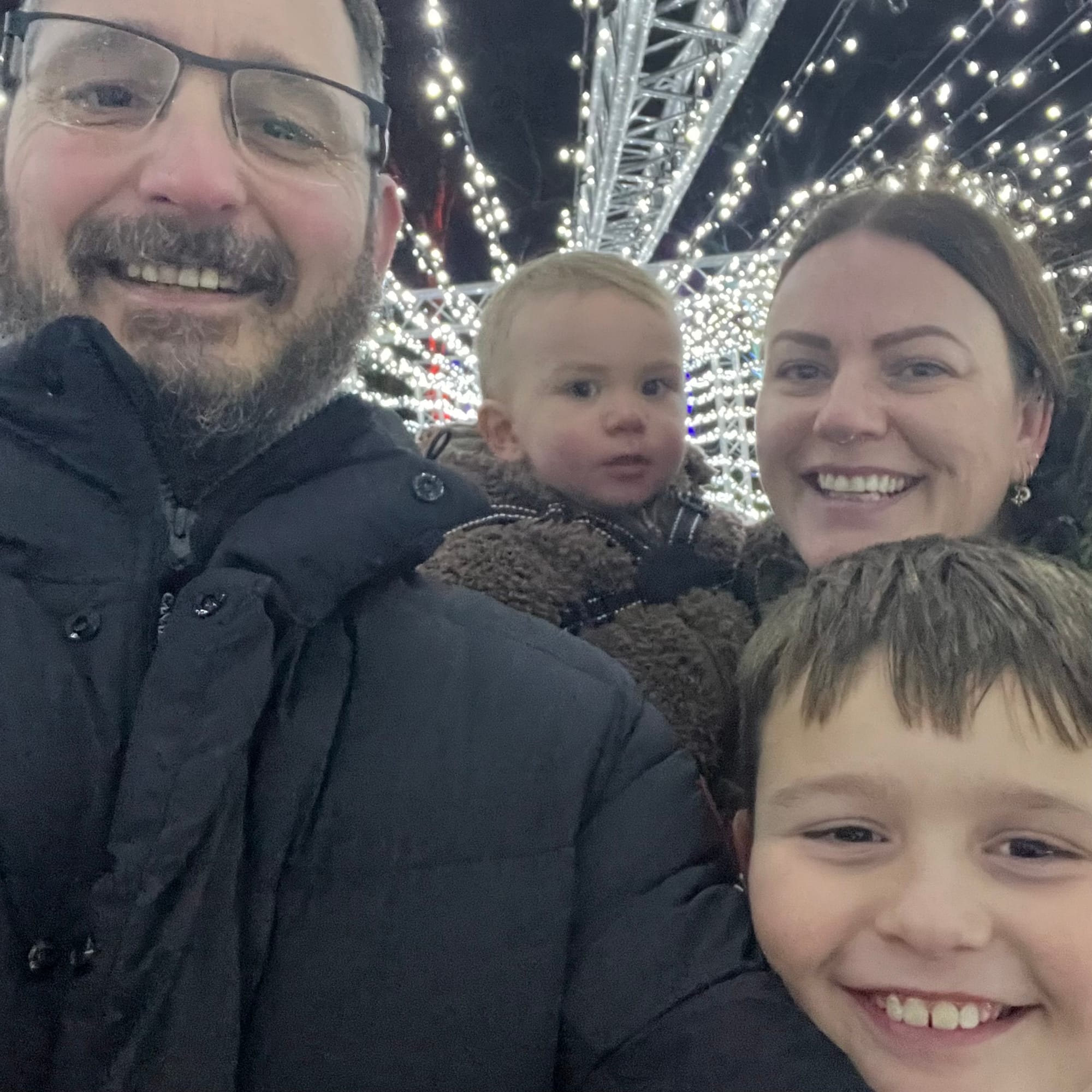
Of everything Craig has achieved, he is most proud of his family and his son. His son has ADD and dyspraxia and plays for a football team. "I can see it's harder for him than some of the other kids," Craig says. Watching his son play also takes him back to his own childhood. "I remember feeling that sport seemed harder for me than the others when I was at school." Craig appreciates the extra effort that goes into an achievement others may take for granted.
For young people who are being told they are not paying attention or trying hard enough, Craig says, "Use these comments as a fire to drive you on and show them you can be better than them at anything you want. I'm a big believer in manifestation." His final message is equally direct: "Pay no attention to the haters. Know that dyslexia is not a disability; it's a superpower. We are better than others at less academic things. Find your creative outlet and make it into a career or a hobby."
This post is for subscribers only
SubscribeAlready have an account? Log in