Issue 28: The Dystinct Journey of Bartek Pilarski
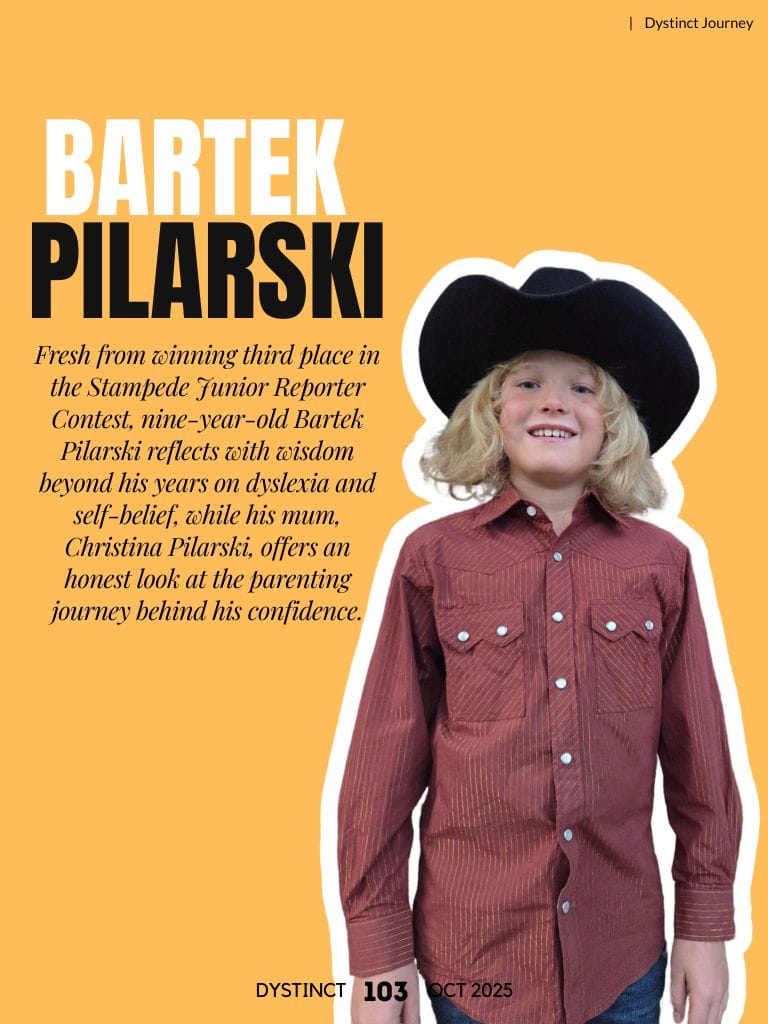
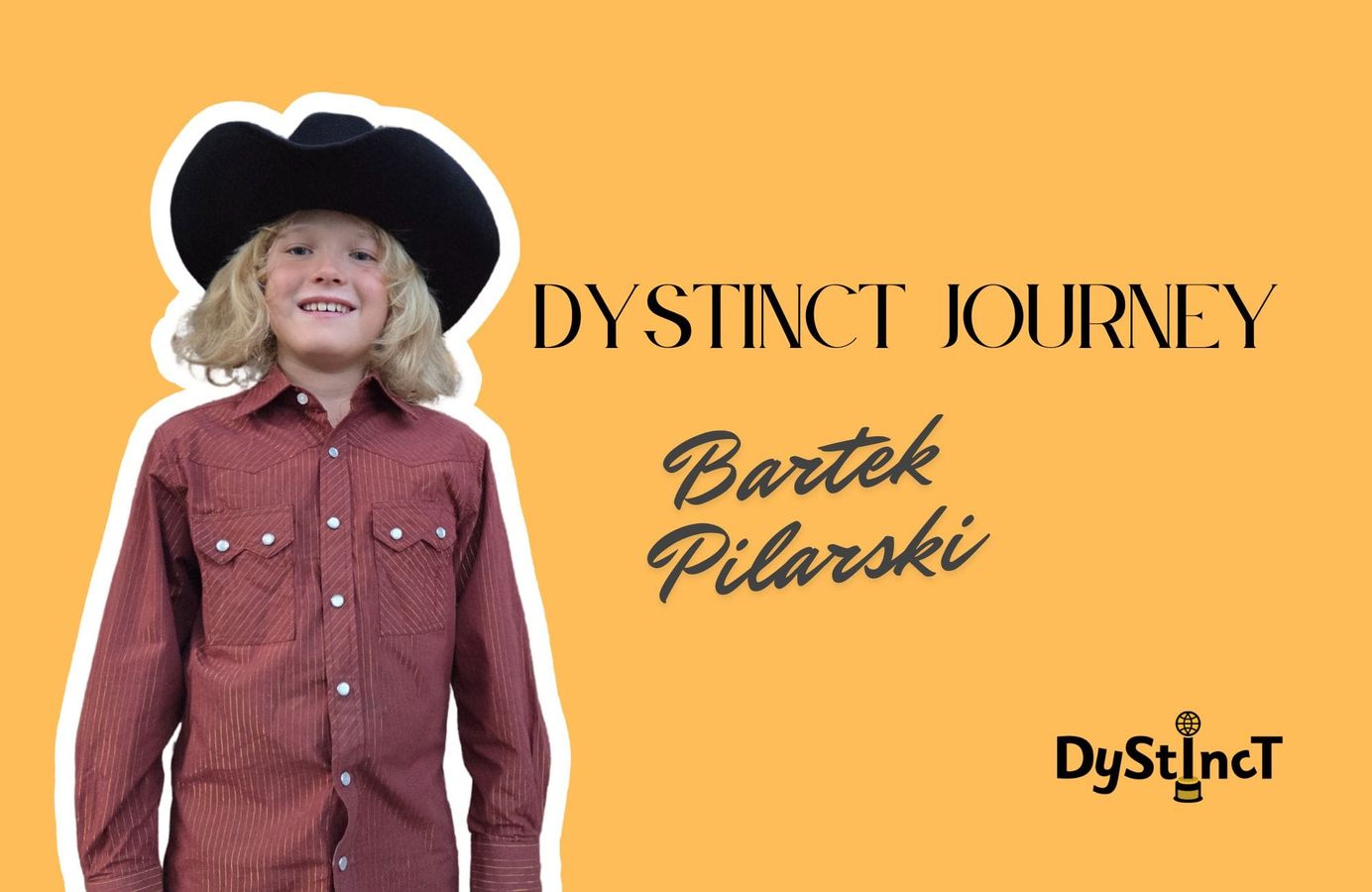
Fresh from winning third place in the Stampede Junior Reporter Contest, nine-year-old Bartek Pilarski reflects with wisdom beyond his years on dyslexia and self-belief, while his mum, Christina Pilarski, offers an honest look at the parenting journey behind his confidence.


Table of Contents
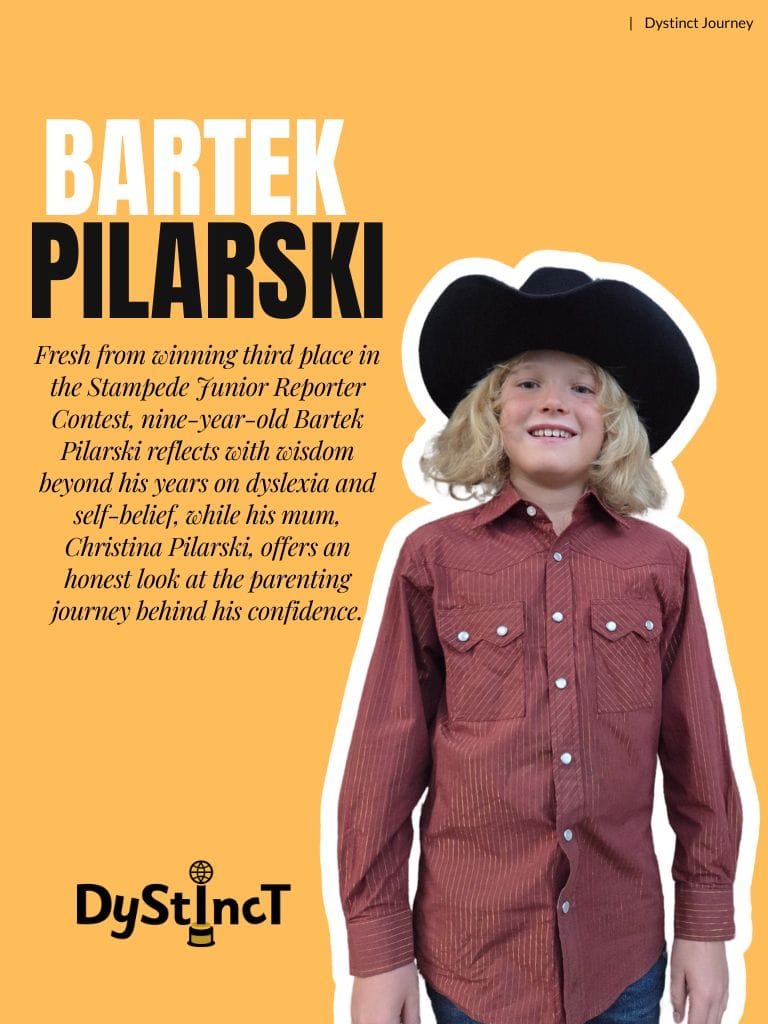
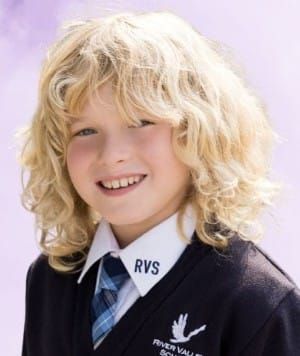
Nine-year-old Bartek Pilarski from Calgary, Canada, recently won third place in the Stampede Junior Reporter Contest, impressing judges with his confidence and creativity. Instead of letting his dyslexia hold him back, Bartek found his own way to shine. He drew a visual script filled with pictures rather than words and spoke confidently about what he loved most, earning third place among more than a thousand participants. His approach was so original that the judges said, "Wow, this is the first time we've ever seen that in all our years of training and grading reporters."
We are fortunate to have young Bartek joining Dystinct as one of our Junior Reporters. To celebrate, we asked his mum, Christina Pilarski, to share their family's journey, the early signs, challenges, wins, and the lessons they have learned along the way.
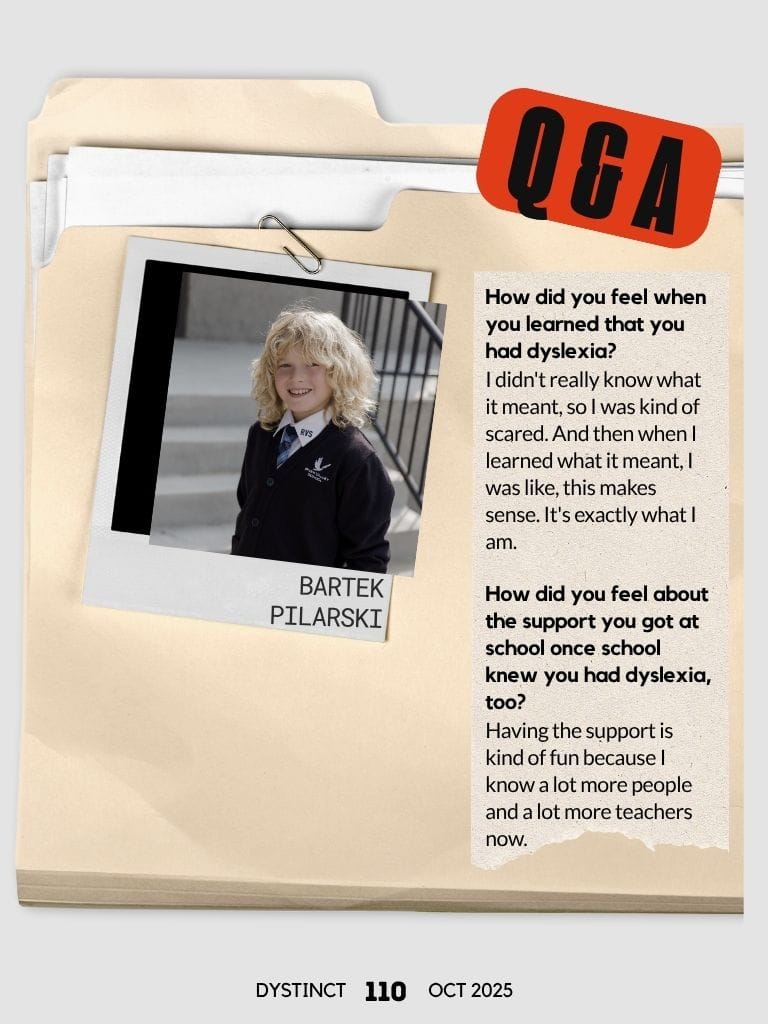
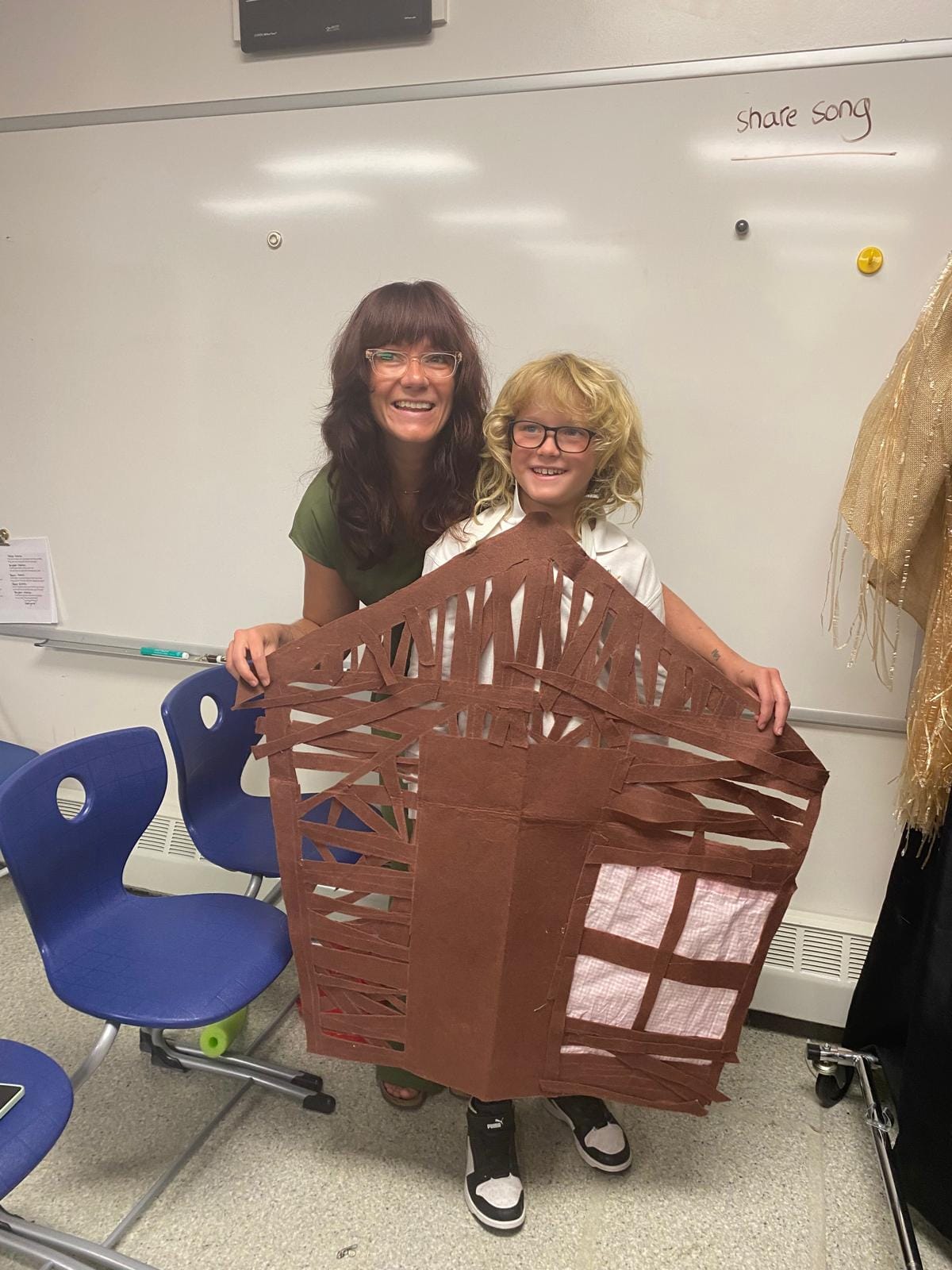
"Bartek is empathetic, energetic, kind, and visionary," says Christina. "Nobody can make me laugh and reflect quite like he can. He loves to coach and teach, always eager to help others grow. Even when he was little, instead of going to soccer practice, he would tell the coach he was the assistant coach," Christina laughs. "He just loves sharing what he knows."
Christina recalls first noticing Bartek's challenges in the early school years. "In kindergarten, everything was fine," she says. "It was mostly memorising letters and sounds, and he managed well. But when first grade began and sight words and reading particular words came into play, we started to see some struggles and a few tears. It just wasn't coming as naturally for Bartek as it did for his brother."
Bartek is a twin, and his brother Jacob picked up schoolwork more easily. "As parents of two children the same age, you can't help but notice when one is finding something harder than the other," Christina shares. "We never compared them, but it was a moment to pause and think, this is interesting. Around that time, my husband, Peter, began reflecting too, remembering his own struggles with reading when he was that age."
It just wasn't coming as naturally for Bartek as it did for his brother.
Bartek has been fortunate to have never faced bullying or unsupportive teachers. "He just has a way of getting everyone on his team," Christina says. "He's very convincing and very charismatic, so it hasn't been an issue for us, which is huge. But we've always encouraged him to be brave, to speak up, and to be that guy who isn't afraid to use his voice."
Christina credits the strong support network at the River Valley School for helping the family take the right steps early on. "We're lucky his school has been extremely supportive," she says. "In grade one, when we all started to notice things, they were the ones who made the right introductions to help us get that assessment."
It wasn't only a teacher who raised the concern; the school's occupational therapist also noticed some delays and reversals with letters like b and d. "That was the moment we decided to have a real conversation about dyslexia," Christina remembers. "As a parent, it was scary at first. I felt overwhelmed and unsure. But the school quickly came to our side. I feel so grateful to be in a place where there are specialists who not only understand dyslexia but also help parents learn how to support their child."
Some of the best advice the family received came from the occupational therapists at Bartek's school. "They told us it was okay to take a break," Christina says. "Even if I kept reading to him or he was just following along, we were still putting in the work." That reminder helped ease the pressure at home.
For Christina, the process also became a personal learning journey. "I wanted to learn as much as I could, as quickly as I could, so that I could support him in the ways he needed," she says. "It was hard at times, watching him get frustrated and feeling like I had to push him forward. I had to learn how to push him in ways that helped rather than discouraged him. For me, it was about learning as much as possible so I could be the support he needed."
I had to learn how to push him in ways that helped rather than discouraged him.
At first, Jacob didn't realise that Bartek was behind or understand why his brother was getting extra attention. "He saw it as something special," Christina says. "He wasn't thinking, 'My brother can't do this,' but more like, 'My brother has something special in him that makes people want to listen to him.' I loved that. It helped us teach them both that everyone has their own kind of special."
One of Christina's favourite memories from before the boys were placed in separate classes was when the teacher shared a moment from an assessment. "Bartek didn't know the answer to a question and said, 'I'll just ask my brother,'" she laughs. "It was cute but also telling. He knew his brother knew things he didn't. They've always had this unique bond. We've made sure to foster that individuality by putting them in different classes and sports and spending time with them separately. It's been such a strength for both of them."
It helped us teach them both that everyone has their own kind of special.
First grade was a hard year for Bartek. Reading felt like an uphill climb, and even with all his effort, it just didn't come easily. Things began to feel a little easier in second grade when he had a teacher who really understood him. "His teacher, Rachel Branscombe, was incredible," Christina says. "She took the time to learn about dyslexia and worked alongside him with so much care."
Bartek also had a teaching assistant named Brenda, who found creative ways to keep him engaged. "Her chair broke one day, and because Bartek loves fixing things, she asked him to repair it," Christina recalls. "It might sound small, but it meant a lot. They made him feel like he mattered and that his strengths were just as important as the things he was working on."
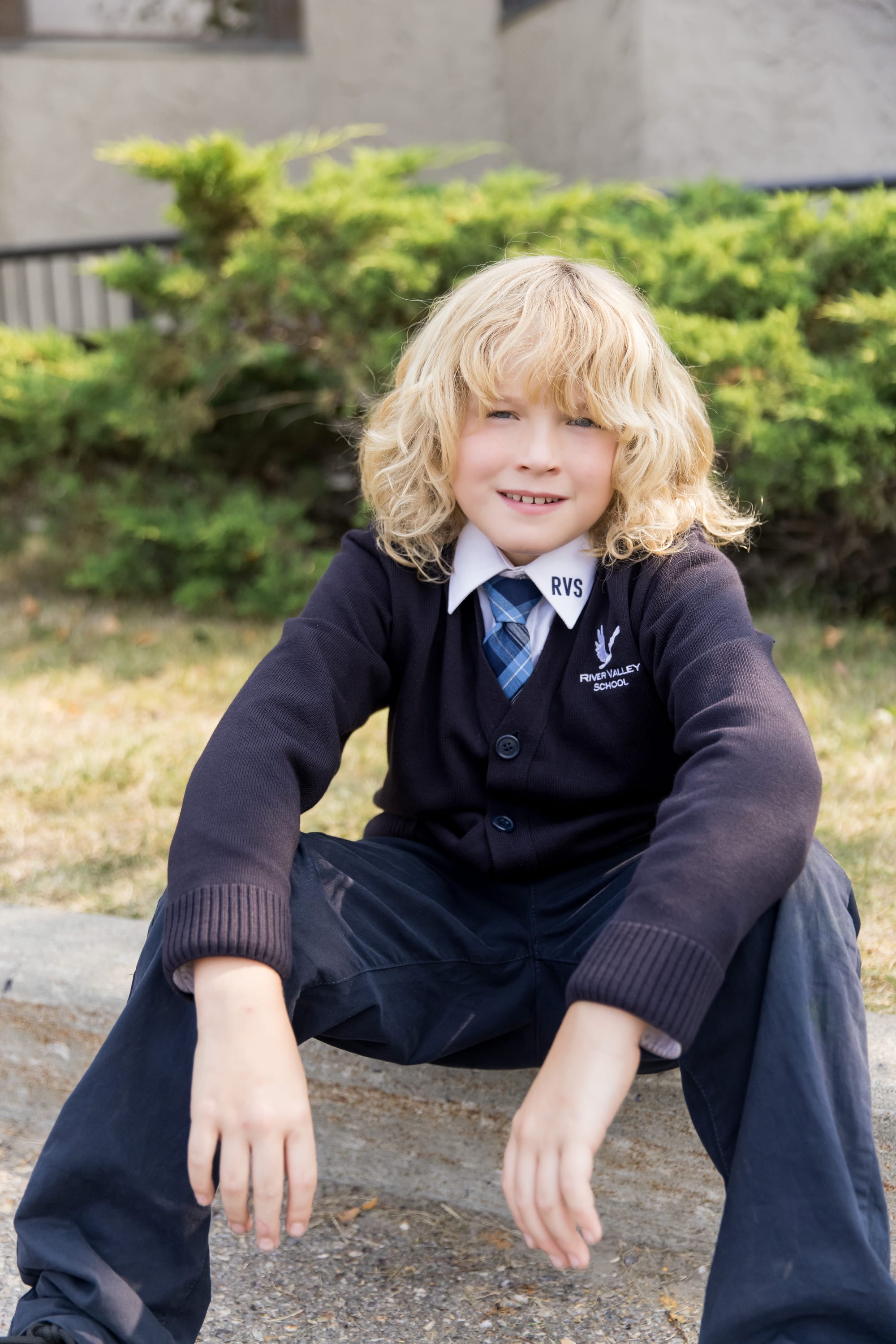
Now in grade four, Bartek continues to have teachers who believe in him. "Mrs Green and Mrs Stauss are equally wonderful," Christina says. "They motivate him and help him lean into his strengths with the right tools, like speech-to-text and extra support. We're really lucky to have that kind of understanding at River Valley School."
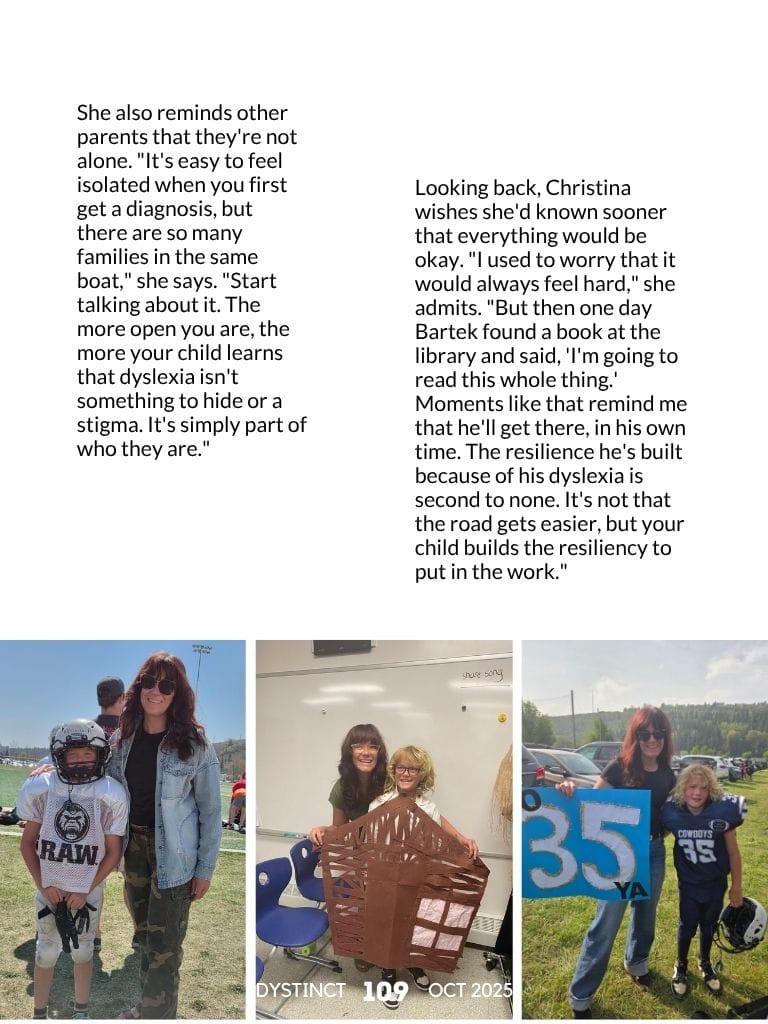
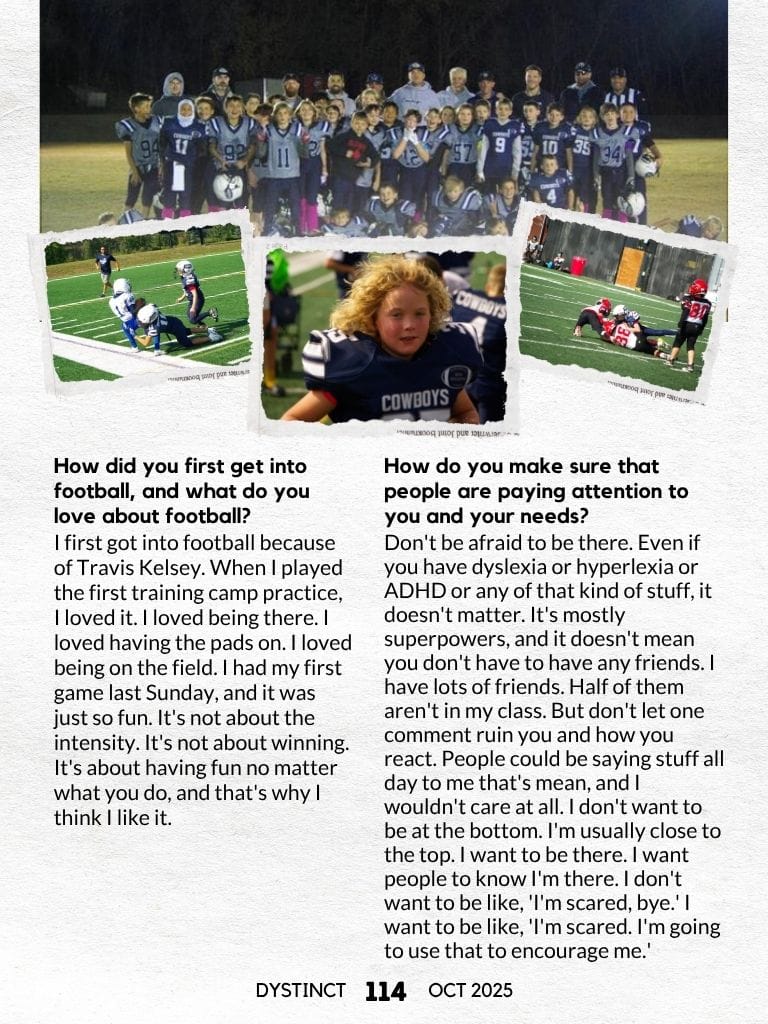
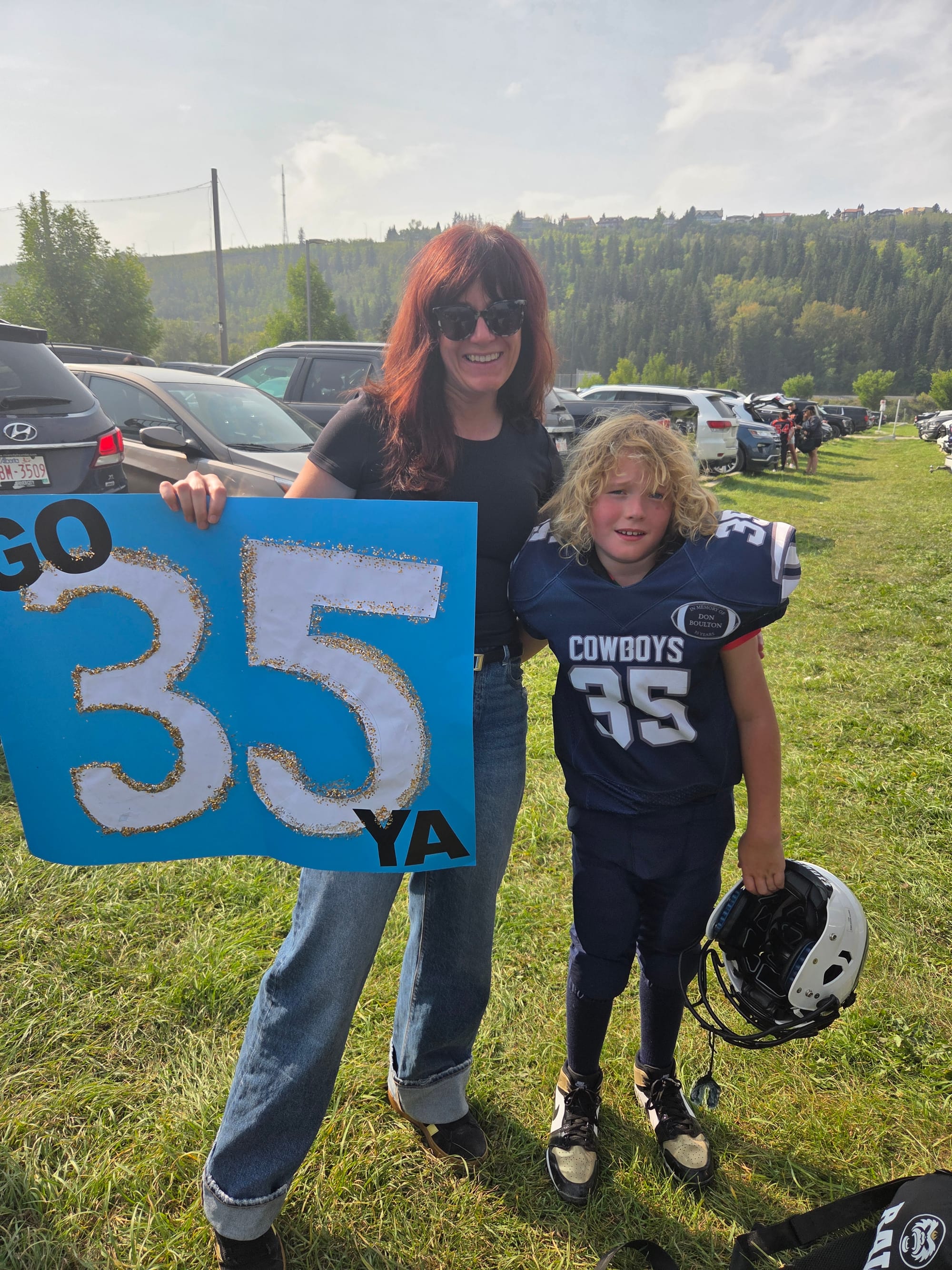
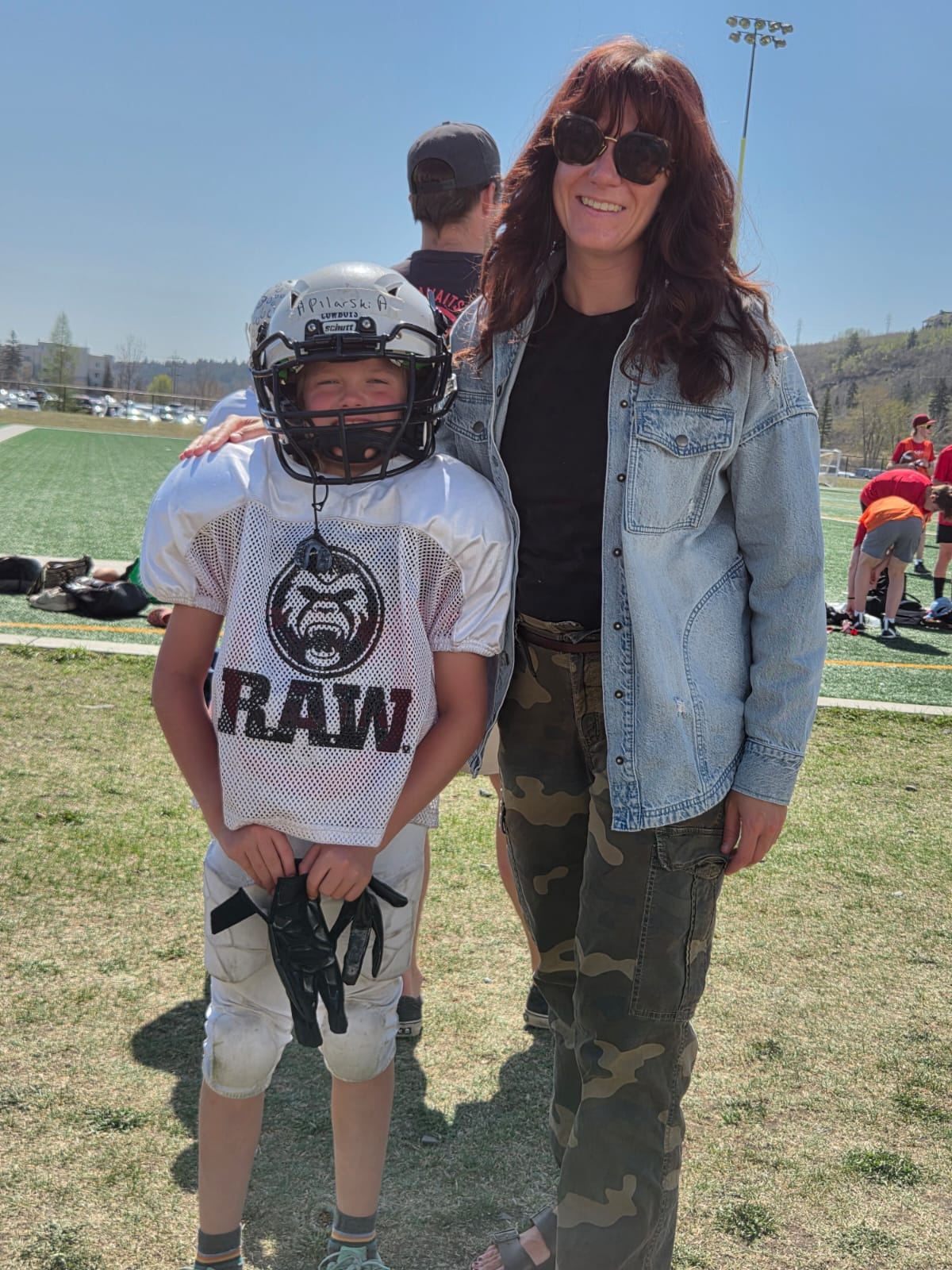
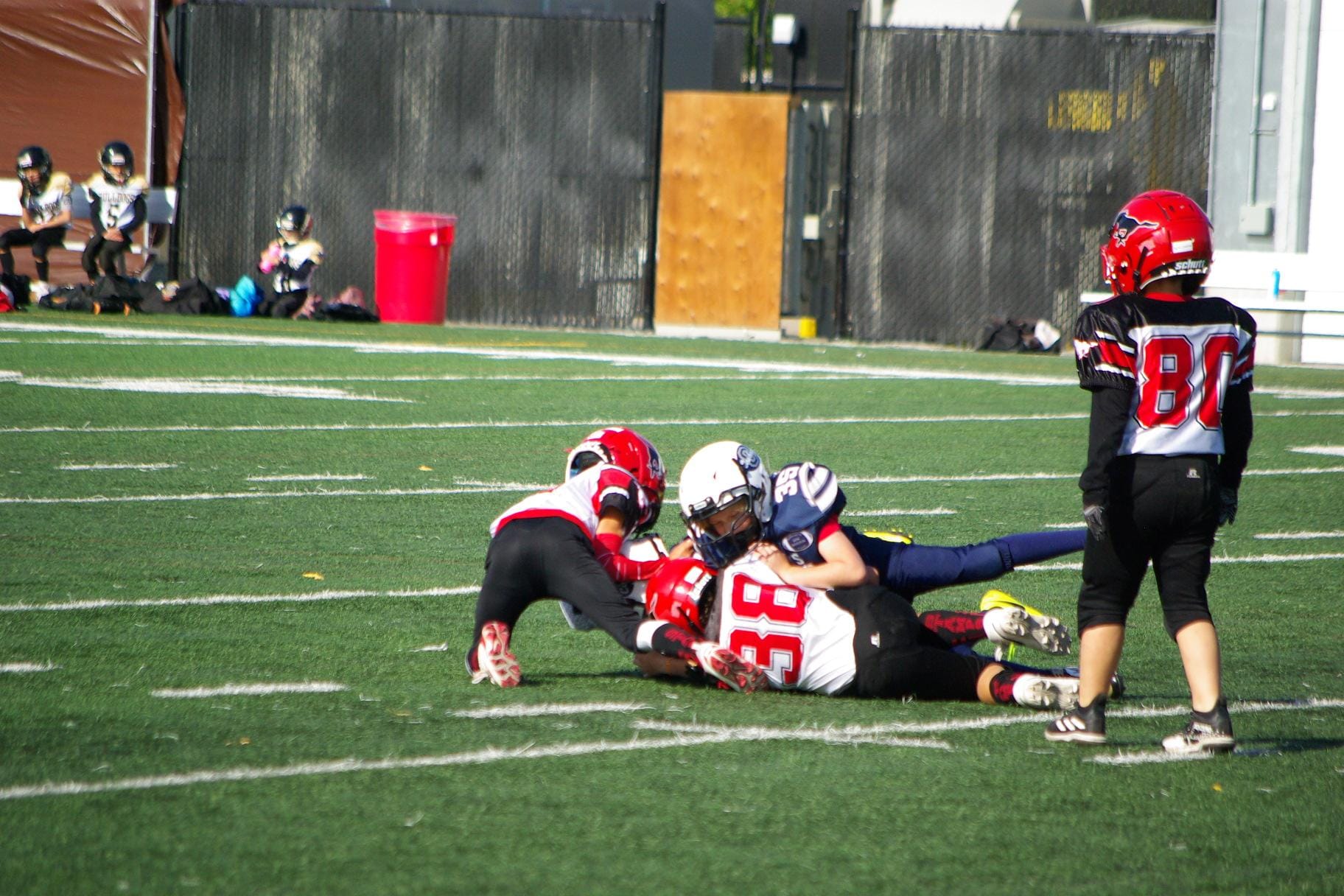
Outside the classroom, Bartek's caring nature shines just as brightly. "He's a helper and has such a heart for making sure everyone is okay," Christina says. "Even on the football field, he's a defence player, so he knocks a lot of kids down, but he's always the first to offer a hand, check they're alright, and pat them on the shoulder. He wants everyone to feel like they're part of the same team."
Listen to your child. They'll tell you what they need.
That same spirit shows up at home, too. "He never gives up," Christina adds. "After a two-hour football practice or a long day at school, he still sits down to read. Even if it's just a sentence or two, he surprises me by pushing through. That's what I love about him."
When asked what advice she would give to other parents just beginning this journey, Christina doesn't hesitate. "Listen," she says. "You think you know the playbook and where your child should be, but they'll tell you what they need. There have been moments where Bartek just needed a break, and when I gave him that time, he always came back stronger. When he feels ready to read or write, I clear the table, try to get it happening right away, and celebrate that moment with him. Those are the times that matter most.
She also reminds other parents that they're not alone. "It's easy to feel isolated when you first get a diagnosis, but there are so many families in the same boat," she says. "Start talking about it. The more open you are, the more your child learns that dyslexia isn't something to hide or a stigma. It's simply part of who they are."
Looking back, Christina wishes she'd known sooner that everything would be okay. "I used to worry that it would always feel hard," she admits. "But then one day Bartek found a book at the library and said, 'I'm going to read this whole thing.' Moments like that remind me that he'll get there, in his own time. The resilience he's built because of his dyslexia is second to none. It's not that the road gets easier, but your child builds the resiliency to put in the work."
Q & A
Q & A
How did you feel when you learned that you had dyslexia?
I didn't really know what it meant, so I was kind of scared. And then when I learned what it meant, I was like, this makes sense. It's exactly what I am.
How did you feel about the support you got at school once school knew you had dyslexia, too?
Having the support is kind of fun because I know a lot more people and a lot more teachers now.
What are your big struggles now that you know you're dyslexic?
I still struggle with reading a lot, but I'm getting better. If you have dyslexia, don't give up on reading, because I used to not know a single word, and everybody did. It's still kind of like that, but I know more, and I just have to keep pushing, because one day it will just click, and I'll know how to read.
Was there ever a point for you when you started to see dyslexia as a strength rather than something that maybe made you different or set you back?
Probably this year, I learned how dyslexia is a superpower and not a disadvantage because I can see the bigger picture. I can do more things than most people can with storytelling, and I can think on the spot, while a lot of people need to have a day to think. I just can't read very well, but I know that won't stop me from doing what I love.
And what made you realise that this year?
Probably because everybody told me not to stop trying to do anything, I didn't want to do anything, because I thought everything was about reading and writing. But half of life isn't about reading and writing. When you're walking down the street, you're not just going to have to read all of a sudden. School is probably the hardest part for reading, writing, and dyslexia.
What tools help you the most?
I really like speech-to-text. In grade three last year, I was using speech-to-text for stories and then copying them off on paper. And I really like mechanical pencils because then I don't have to go get up and destroy my workflow because after I get up from something, I have to zone back in, which is really hard.
What are some strategies you use?
I just do 'best guess.' Nobody's going to judge me for not knowing how to read and write very well because everybody knows I have dyslexia. So, I just make the best guess when I'm not allowed to use speech-to-text. I think about it like 'It's not a test, it's just an assessment,' and there's no reason to worry because if you overthink it like, 'I'm spelling this wrong, I better do this again,' you erase everything when actually everything was correct. So, you should just go with the first thing, trust your gut and not your brain.
How would you encourage other kids if they're having a hard time?
Some people are like, 'You can't do this, you can't do that.' But dyslexia is a superpower. You shouldn't let one thing stop you from doing anything. Don't be afraid to tell people you have dyslexia. It's cool if you have dyslexia. It's a superpower.
How did your journey help your dad understand that he had dyslexia too?
Once we learned I had dyslexia, Dad was like, 'How did you get it?' And then he started researching if he had it too. And then it turns out he does. So now he doesn't write everything. He uses speech-to-text. But he said to me that when he was a kid, it was hard because he couldn't read or write, and he had no support. So, if you have dyslexia, I'd probably recommend going to a private school other than a public school because then you're going to get the support you can't get anywhere else. After he got an AI with speech-to-text, he used it for most things. And now he knows how to react to not knowing a word. He can say 'I'm dyslexic, I have to learn it,' not 'I don't know this word.'
Have your teachers been supportive?
Yeah, most of the time. I just got into grade four, so it's pretty hard. But guess what? I'm nine, and most people are turning 10. So, that shows that I can be in any grade, being dyslexic and still be one of the highest grading kids. So don't use dyslexia, as 'I'm sad. I can't do anything. I'm dyslexic.' Use it as 'I'm really good, I can do everything. I'm dyslexic, yay.'
Do you ever think about you and your brother being different? What makes you both special and different?
Well, for like bedtime, he's always reading Dogman, and I usually tell him, 'You're reading to me,' or I read small sentences of a book, and that's how we're really different, but that doesn't mean we are not brothers. That means we're even closer because we're different.
What are the ways that your brother helps you?
He knows how to read, so when I don't know how to read and we're together, he's like, 'This word means this or that,' because he knows how to read and write. And he's always been there for me when I didn't have anyone to rely on.
And what are the ways that you help your brother?
Well, I help him in strategizing, and I'm with him a lot of the time. He always asks, 'Can you play this?' And I'm like, 'Sure, yeah, I'll play that with you.' Or when he's alone, I'll just be like, 'Hey, what do you want to do?' Because it's not fair if one person is having fun. I can invent games anytime, anywhere, but he has to be playing a game he knows how to play or is taught how to play. So that's kind of how I help him. I say, 'Here's a new game. I think you should try it.'
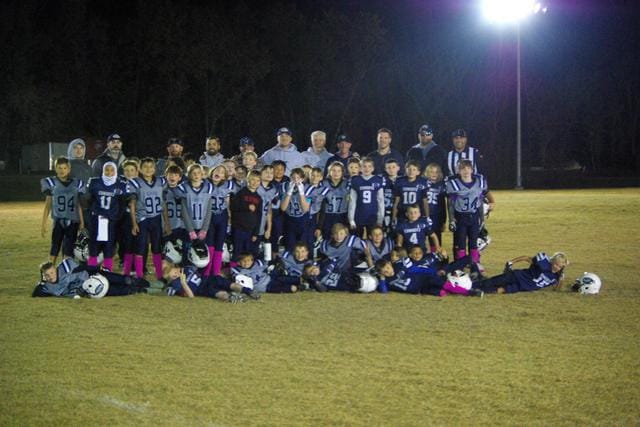
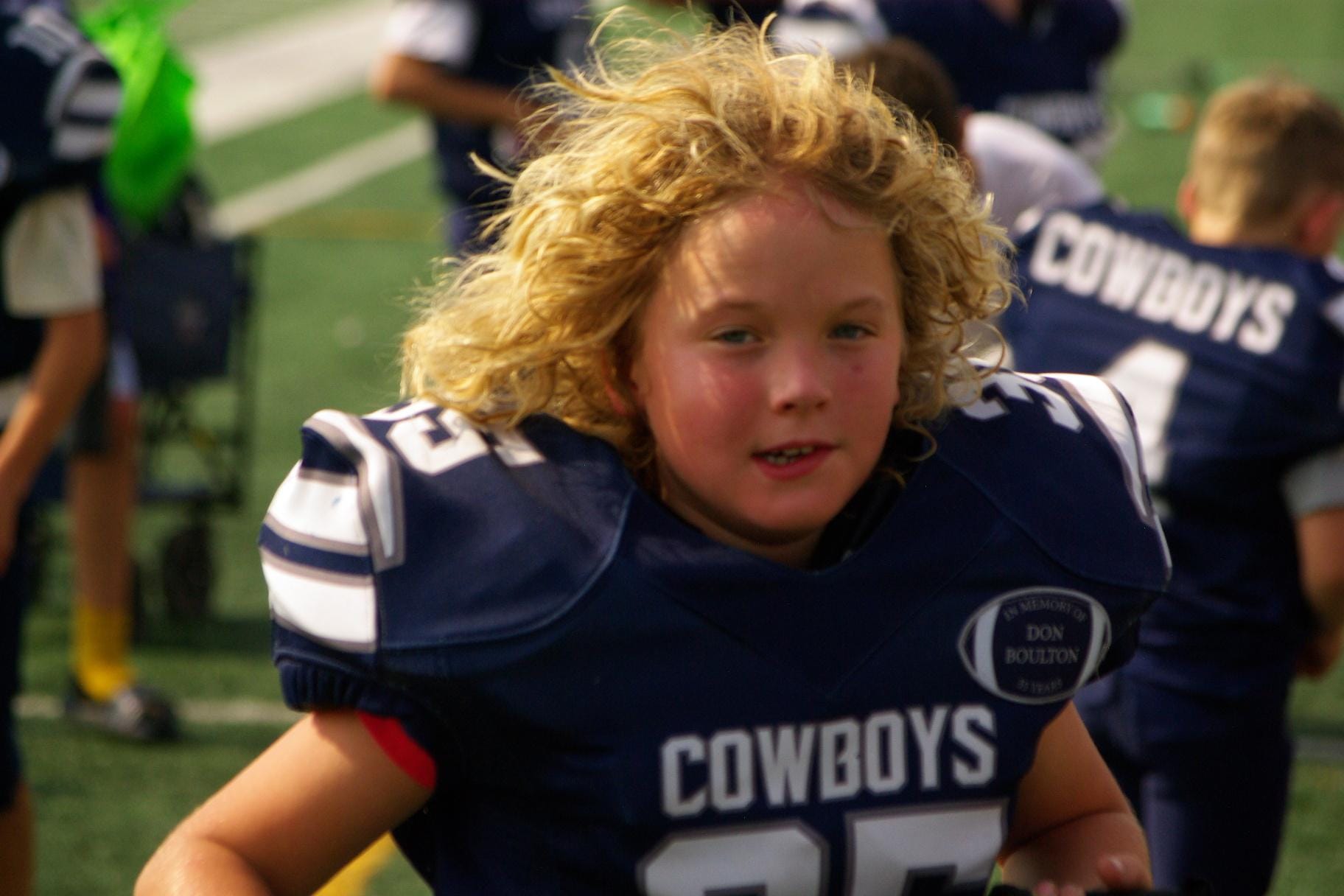
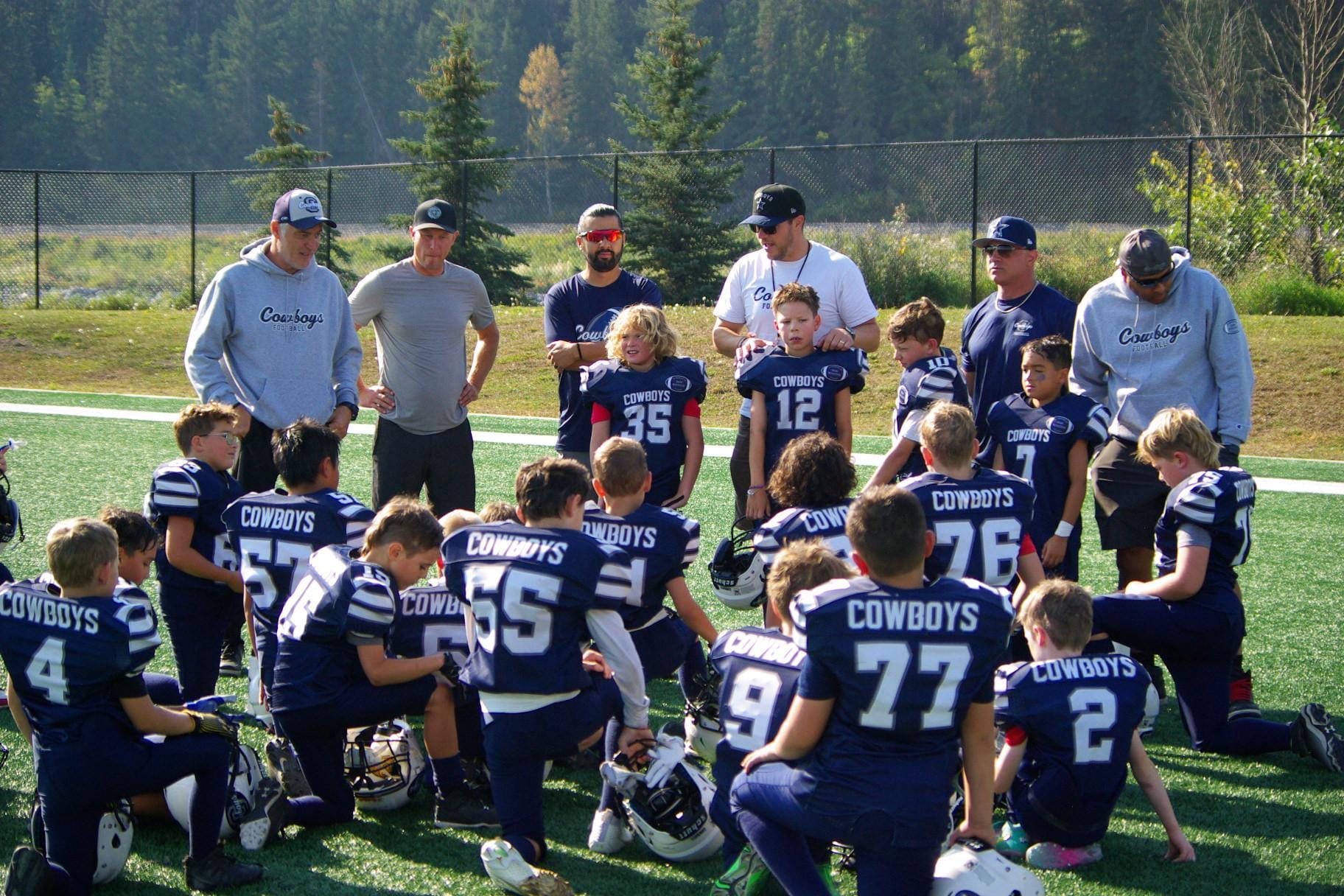
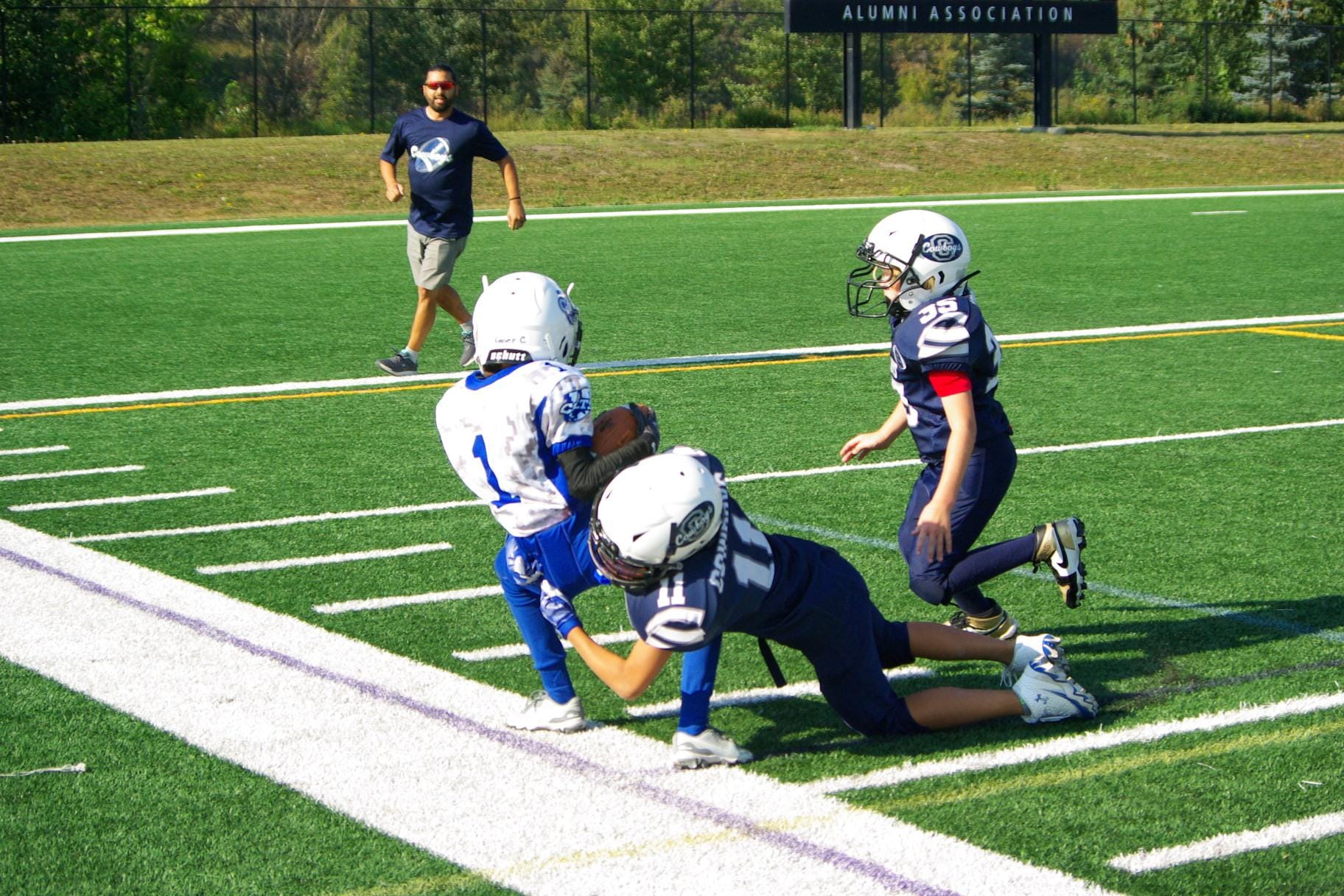
How did you first get into football, and what do you love about football?
I first got into football because of Travis Kelsey. When I played the first training camp practice, I loved it. I loved being there. I loved having the pads on. I loved being on the field. I had my first game last Sunday, and it was just so fun. It's not about the intensity. It's not about winning. It's about having fun no matter what you do, and that's why I think I like it.
How do you make sure that people are paying attention to you and your needs?
Don't be afraid to be there. Even if you have dyslexia or hyperlexia or ADHD or any of that kind of stuff, it doesn't matter. It's mostly superpowers, and it doesn't mean you don't have to have any friends. I have lots of friends. Half of them aren't in my class. But don't let one comment ruin you and how you react. People could be saying stuff all day to me that's mean, and I wouldn't care at all. I don't want to be at the bottom. I'm usually close to the top. I want to be there. I want people to know I'm there. I don't want to be like, 'I'm scared, bye.' I want to be like, 'I'm scared. I'm going to use that to encourage me.'
Let's talk about your 3rd-place win at the Stampede Junior Reporter.
I got third place, one down from being selected to talk at the Stampede. And my script wasn't words, it was pictures. Because I speak from the heart, I needed a script because I wanted to remember what to talk about. And I'm really good at drawing. So I was like, 'Hey, mom, we should draw a script for me.' It had everything I liked to do at the Stampede. And it wasn't words because I don't need words to be a good person at a lot of things. I got in third place out of like a thousand people. That's pretty big for an eight-year-old. I'm probably the youngest person who did that.
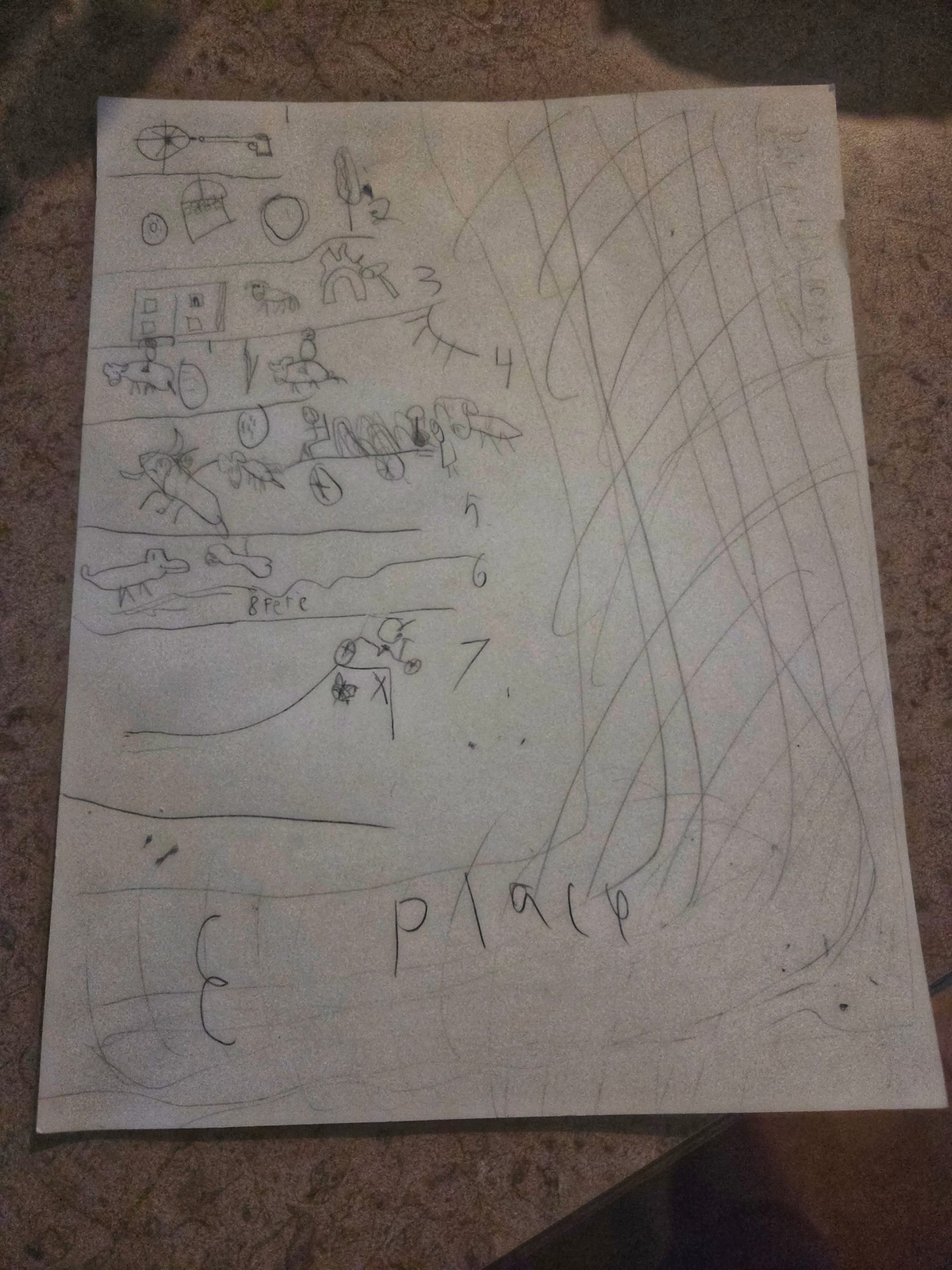
What was the process when you were making your script with symbols?
Most people write a script, but I'm not good at writing scripts, so I was like, 'Mom, I want to do a video,' and so I dressed up in my cowboy gear, and I did a video and then boom, I was in 10th place. Then I went to the place where they were going to grade me, in the cowboy gear, unlike everybody else and my script with the pictures. I had drawn about a game I really liked at the Stampede, the rodeo, bull riding and all of the good stuff at the Stampede, including the Draft Horse Town and a place I speak on the microphone too. The judges were amazed when I showed them my script. They were like, 'Wow, this is the first time we've ever seen that out of years of training and grading reporters, so you're definitely getting a high grade.' Basically, they were all stunned. I had to do some writing too, so I sat down in the chair at my keyboard, and I just ripped away. I had tons of corrections, but corrections aren't bad. That's why they have AI now for corrections. Half the people who are adults can't spell words. So I'm not going to let corrections stop me or anything I do.
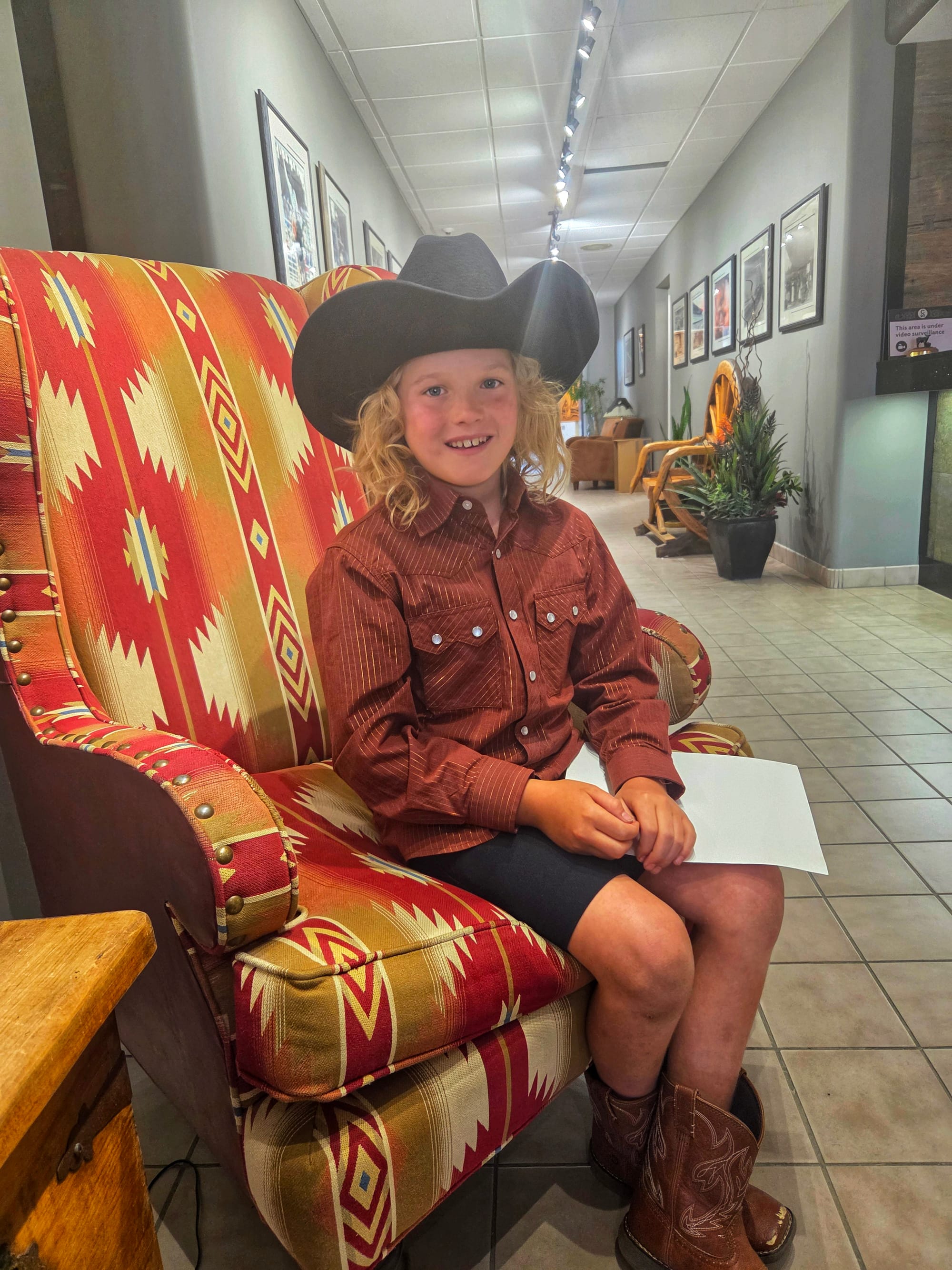
How did you use the experience to advocate for people with dyslexia?
I said I'm doing this to show dyslexic people that they can do anything. They're different from most people. They can be similar to other people, but it's not the point of dyslexia. Whoever invented us gave us dyslexia for a reason. Half the famous inventors in the world are dyslexic because us dyslexic people can see the big picture. We could do anything, make anything. Reading isn't the only thing that you need to do in life. Don't back down even though you can't write or read.
How did it feel when you got third place and when you made the finals?
Only first and second places get to speak at the Stampede. I was a bit sad that I wasn't allowed to speak at the Stampede, but the email that they sent me was to try again next year, because the people who came first and second, it was the last year that they could participate in the Junior Reporter contest.
Are you going to do anything different next year, or are you going to enter again and just do it the same way?
I think I'm going to enter again and do it the same way. And I put that video that I made for the BMO Junior Reporter on YouTube. And now it has like 100 views. It shows that people like to see people speaking, and just because you can't write as a dyslexic person or have a disability, it doesn't mean you have to be a bad person. It means you have other superpowers that are not writing and reading.
How does everyone in the family support you in a different way?
Dad tells me about when he was a kid and how he learned how to write, read and memorize stuff. Another thing I struggle with is memorizing. So, he makes me feel better about how he made stuff click. Mom motivates me to read, and that's what I need. If it's just me by myself, I'm not going to be able to read anything. I would probably read one page and be done. But mom says, 'Keep going, you got this, you can read that.' She pushes me and motivates me. Jacob knows I'm going to get it, so he pushes me to really far stuff. Don't quit, because everybody's pushing you to get better. And you're eventually going to be able to read. Don't use, 'I can't read.' Just say, 'I can't read yet.'
What are your goals for grade four?
My goals for grade four are probably to read way more and write way more. I'm pretty good at math. Last year, it clicked. Last year, I was doing grade four math. When you're dyslexic, eventually you're going to be ahead of everybody. You're below everybody before in writing and reading. But then, eventually, you're going to be in enrichment. My goal is to get fours for writing. That's the best I can get. And I hope I can make a story in school for dyslexic kids.
What are your dreams for the future?
Well, I hope I make it really far and have a really good job. I want to have a lot of money. I think I'll be able to do that as well.
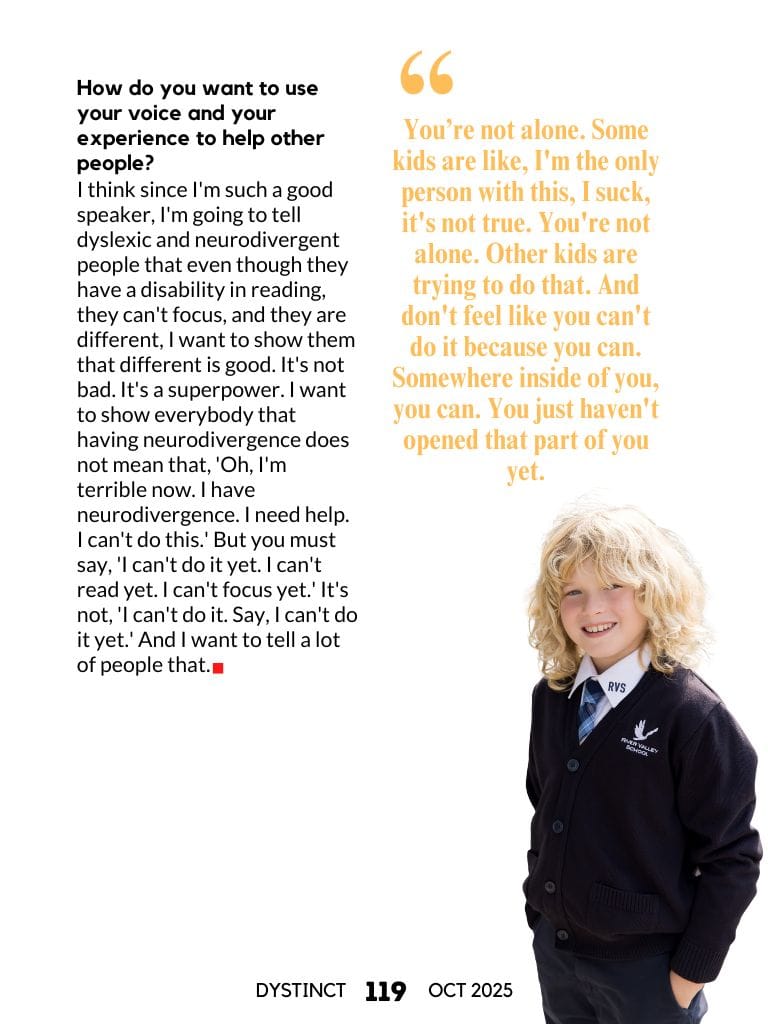
How do you want to use your voice and your experience to help other people?
I think since I'm such a good speaker, I'm going to tell dyslexic and neurodivergent people that even though they have a disability in reading, they can't focus, and they are different, I want to show them that different is good. It's not bad. It's a superpower. I want to show everybody that having neurodivergence does not mean that, 'Oh, I'm terrible now. I have neurodivergence. I need help. I can't do this.' But you must say, 'I can't do it yet. I can't read yet. I can't focus yet.' It's not, 'I can't do it. Say, I can't do it yet.' And I want to tell a lot of people that.
Bartek Pilarski
Bartek Pilarski
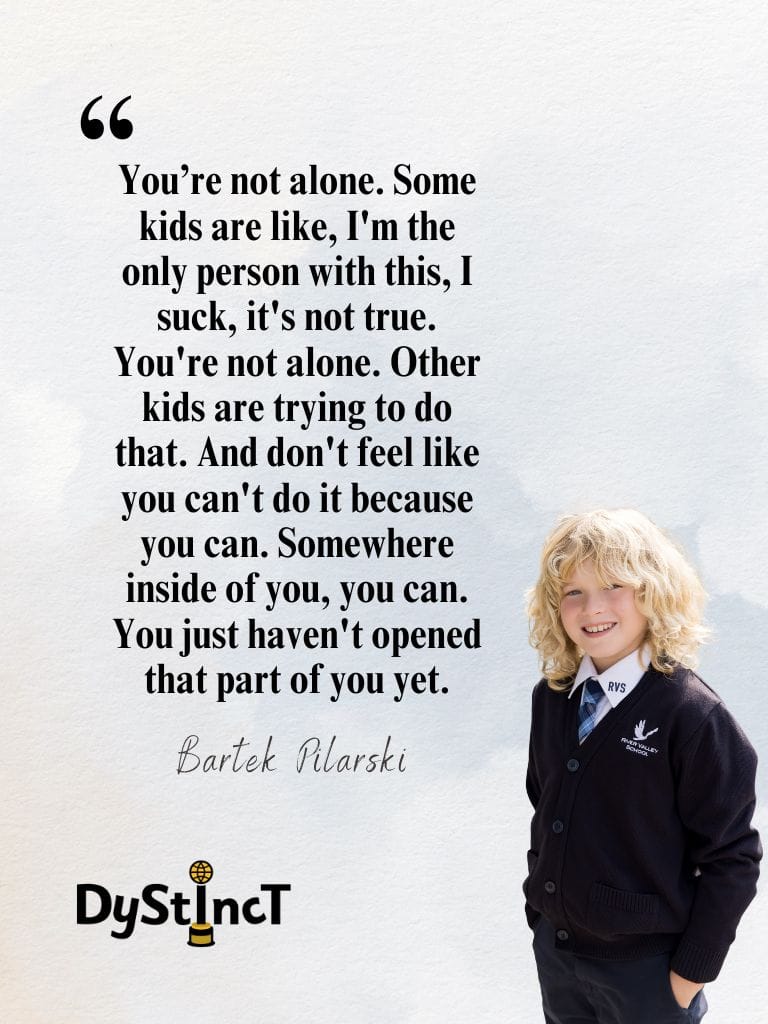
Extracts from Dystinct Magazine
Extracts from Dystinct Magazine