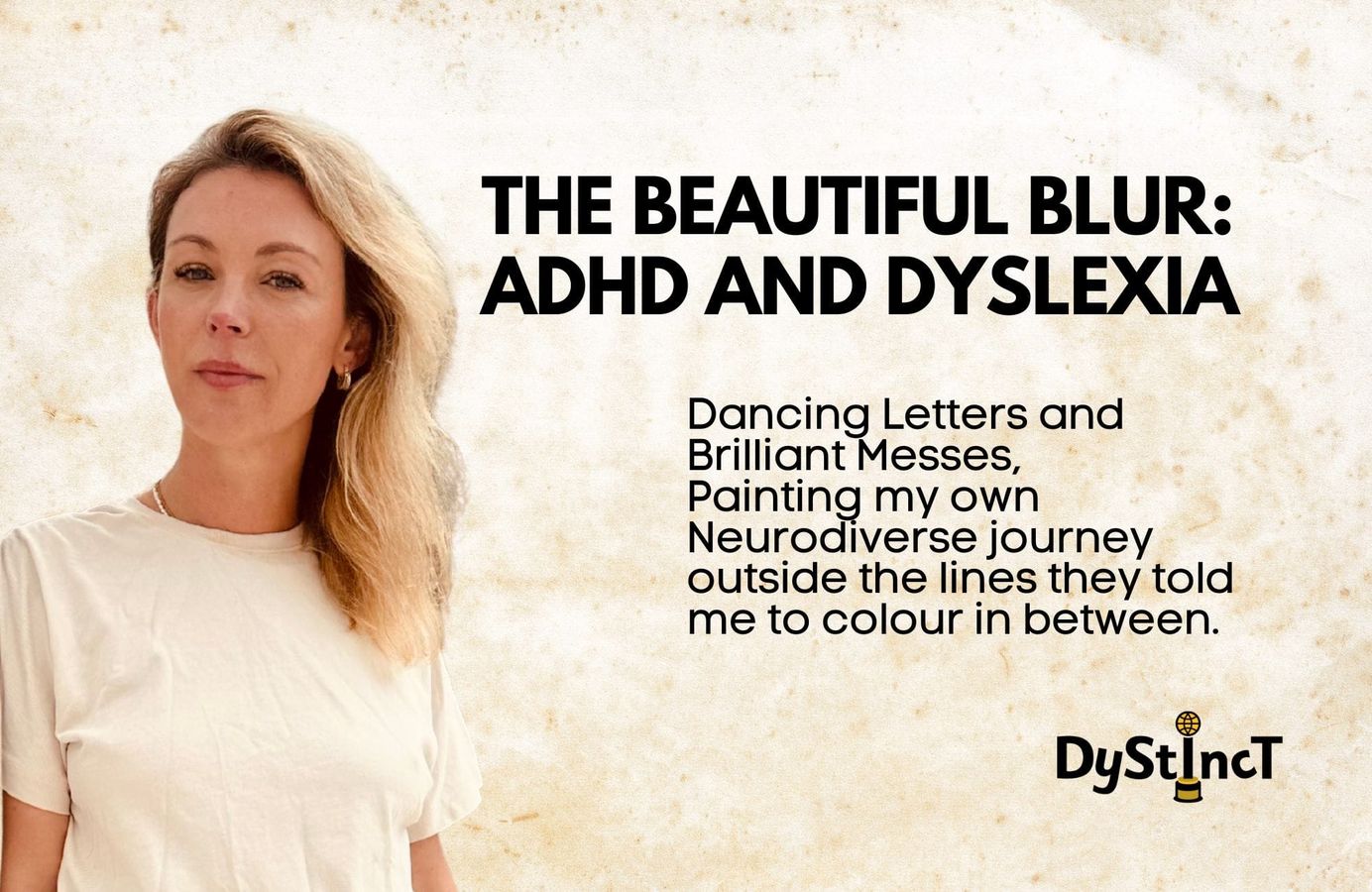
Issue 27: The Beautiful Blur: ADHD and Dyslexia | Alexis Costello
Alexis Costello shares her journey with ADHD & dyslexia, revealing how embracing her neurodivergence transformed shame into self-acceptance, chaos into creativity, and motherhood into a powerful reclamation of identity, showing that being wired differently is not a flaw.

Table of Contents
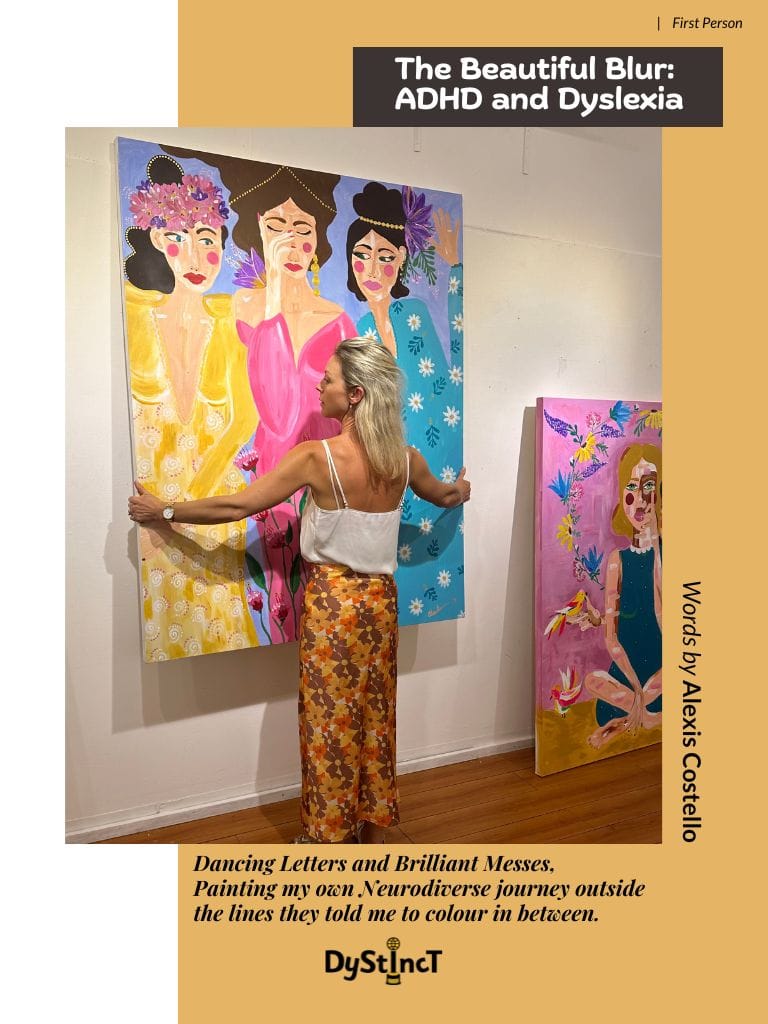
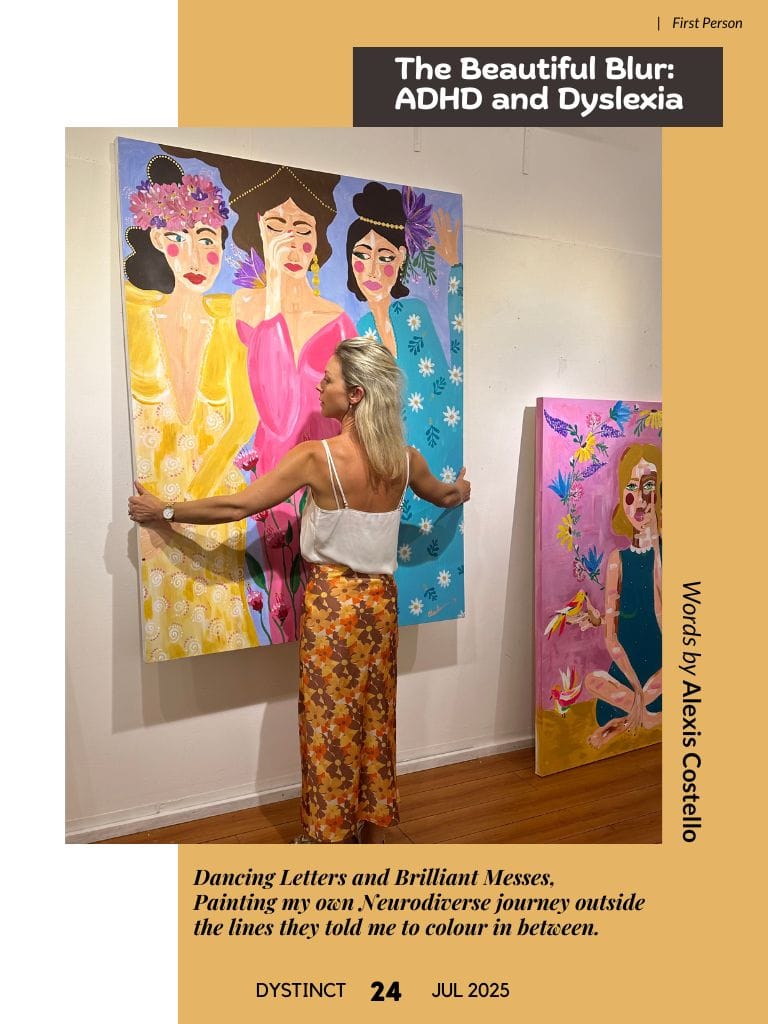
Dancing Letters and Brilliant Messes, Painting my own Neurodiverse journey outside the lines they told me to colour in between.
Words by Alexis Costello
Words by Alexis Costello
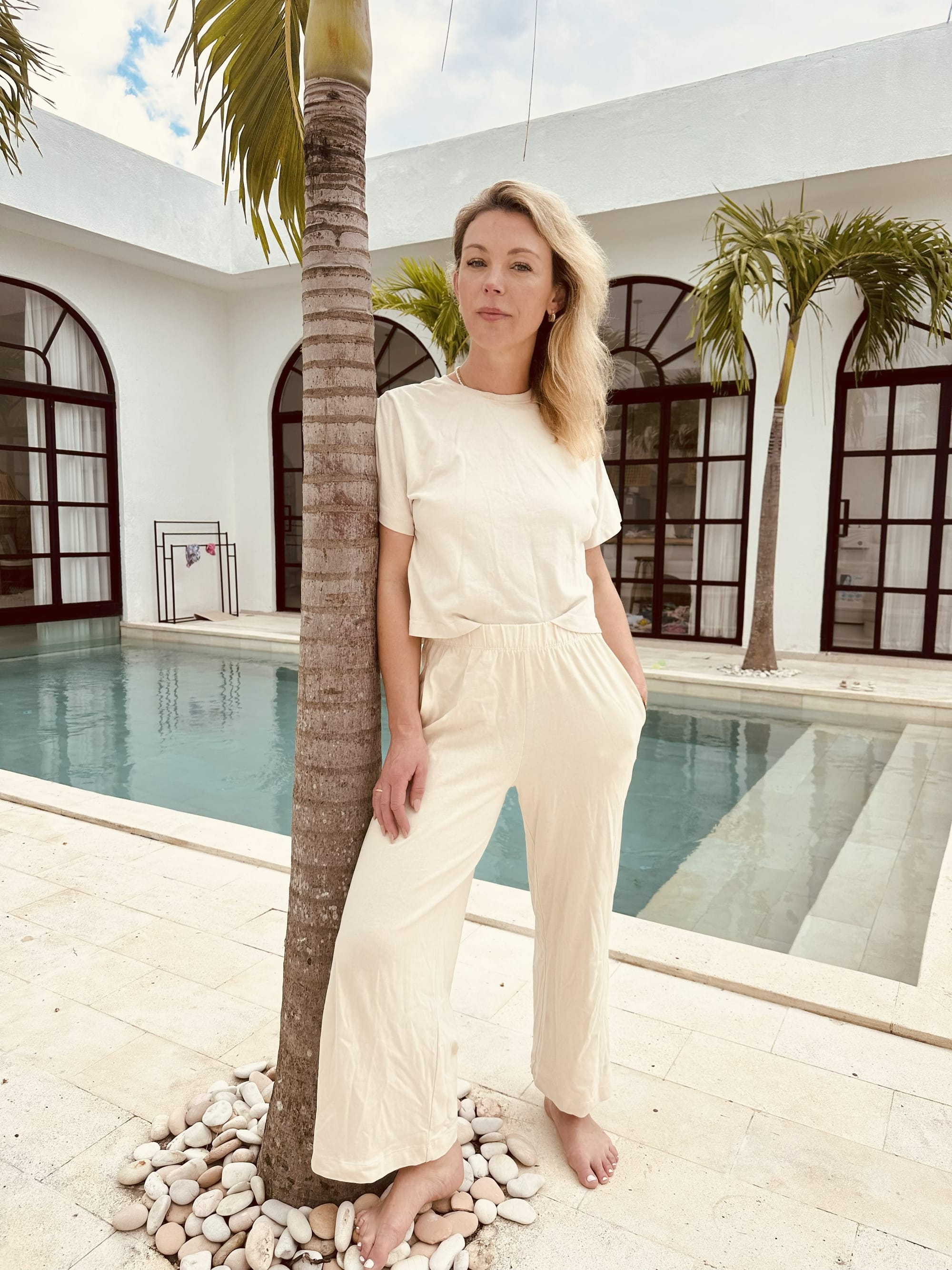
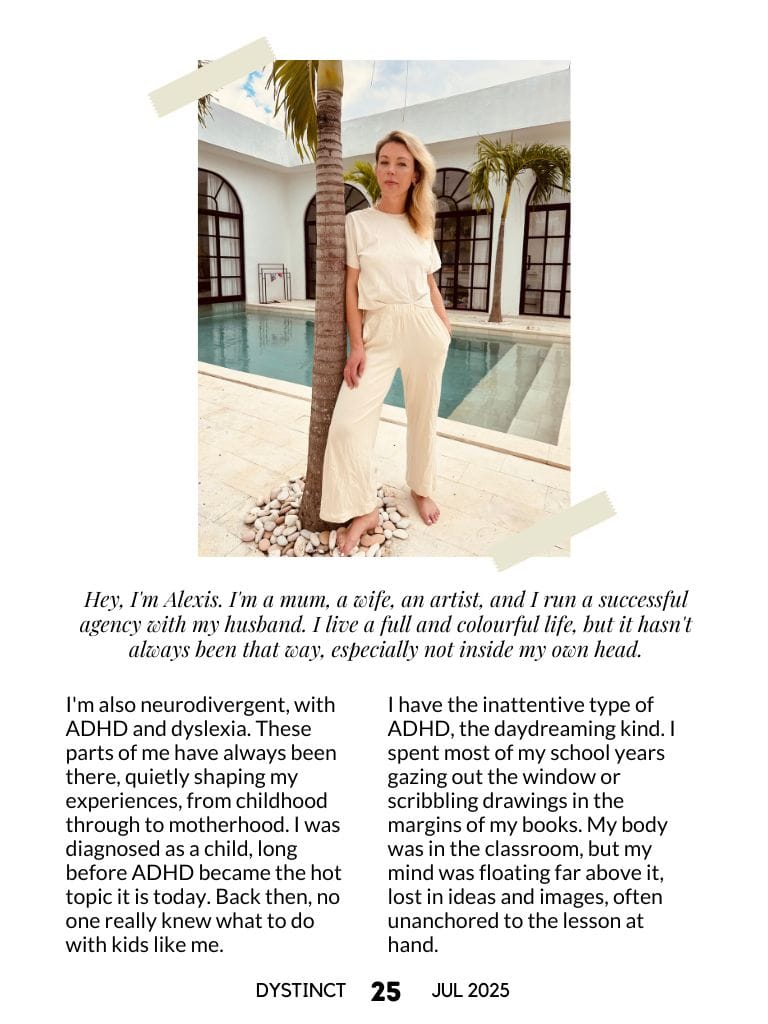
Hey, I'm Alexis. I'm a mum, a wife, an artist, and I run a successful agency with my husband. I live a full and colourful life, but it hasn't always been that way, especially not inside my own head.
I'm also neurodivergent, with ADHD and dyslexia. These parts of me have always been there, quietly shaping my experiences, from childhood through to motherhood. I was diagnosed as a child, long before ADHD became the hot topic it is today. Back then, no one really knew what to do with kids like me.
I have the inattentive type of ADHD, the daydreaming kind. I spent most of my school years gazing out the window or scribbling drawings in the margins of my books. My body was in the classroom, but my mind was floating far above it, lost in ideas and images, often unanchored to the lesson at hand.
While I thrived in art, drama and music, where I felt alive and seen, other areas were a constant struggle. Literacy and maths didn't just confuse me; they exhausted me. I didn't understand the instructions, couldn't follow the lessons, and the words on the page danced around like a kaleidoscope of stars. I would reach the end of a paragraph and feel exhausted. And yet, at age ten, I could memorise pages of Shakespeare and recite them in character. That dissonance of being gifted in some areas and painfully blindly lost in others was hard to reconcile as a child.
It's not surprising that I internalised my struggles. My inner voice became harsh. "You're lazy. You're dumb. You're not trying hard enough." I began to see myself the way I feared others saw me, like a big, useless blob of jelly. My piano teacher would get frustrated that I couldn't read the notes. What he didn't know was that I was learning the music by ear, mimicking what I heard. At first, I got away with it. But inevitably, the charade fell apart, and I was discovered. "Just read the music," he snapped. "You're just being lazy." But I wasn't lazy; in fact, I was working twice as hard, doing everything I could to play the music. I was just doing it the way my brain intuitively knew how to do it. Differently.
I began to see myself the way I feared others saw me.
As I got older, things didn't get easier. High school brought hormones, rebellion, and a slow slide away from the academic system altogether. I started talking back, smoking behind the school hall and skipping class.
I got suspended several times. I fell in with a crowd that enabled my self-destructive behaviour, and I developed an eating disorder. Despite all this, I scraped through my final years and was even offered a scholarship to a great university in Sydney. Did I take it? Nope. I went fruit picking instead. I needed to get away from everything. I drifted between boyfriends and bar jobs, eventually moving to London, where I studied acting and travelled Europe.
When I returned to Sydney, it hit me: all my friends had outpaced me. They had degrees, careers, and mortgages. I was an actress with a drinking problem and very little to show for it.
On my 28th birthday, I looked around the room and felt like that same little girl from school: stupid, lost, and falling behind. A failure. I had deep bouts of depression where I would get lost and just couldn't find my way back. I tried numerous antidepressants and ways of self-medicating and self-regulating. I rode the anxiety rollercoaster, a monster with her claws wrapped tightly around my neck.
I've come to understand and accept my neurodivergence, not as a flaw, but as part of my wiring.
I did yoga, meditation, therapy, acupuncture, you name it, but I always felt like there was something wrong with me. And yet, life is forgiving. It keeps offering you second chances.
Today, I'm a mother to two beautiful girls and married to an incredible, supportive husband. I'm an artist who has exhibited work that speaks to people. I've written plays, a novel, and poetry. I hold a degree and run a successful business. But perhaps most importantly, I've come to understand and accept my neurodivergence, not as a flaw, but as part of my wiring.
The diagnosis I received as a child lay dormant for years. I had practically forgotten about it until recently, when my daughter's teacher suggested she might be neurodivergent too. We had her assessed, and sure enough, the results reflected what I had suspected. That she was feeling like I had felt.
Lost.
Confused.
Misunderstood.
Somewhere in my research, I read a line that stuck with me: If your child needed glasses, would you deprive them? Of course not. You'd get them what they need to see clearly. That was the turning point. I realised I had ADHD too. You don't grow out of ADHD; it's part of who you are, and maybe it was time to get myself some glasses!
I started medication first, before giving it to my daughter. And I can honestly say, it changed everything. It was like turning down the static in my brain, like tuning into a single, clear radio station after years of fuzzy interference. Suddenly, I could focus. I could problem-solve. I could join the dots and follow through. It wasn't a magic fix, but it was the beginning of a new kind of clarity.
For my daughter, the transformation has been just as powerful. At home, she is a fierce, bold lioness; loud, emotional, intense. At school, she's a quiet church mouse, dreamy and disengaged, barely there. Ritalin helped bridge the two worlds. She became more confident, balanced, and emotionally regulated. She's less angry; More affectionate. More connected.
Of course, our days aren't perfect. The mornings are chaos, we are late to school every single day, missing a shoe, forgot to do homework (or if we did, have no idea where we put it) there's breakfast cereal everywhere, dishes piled high in the sink, uniforms pulled from a giant tub of laundry begging to be folded and put away.
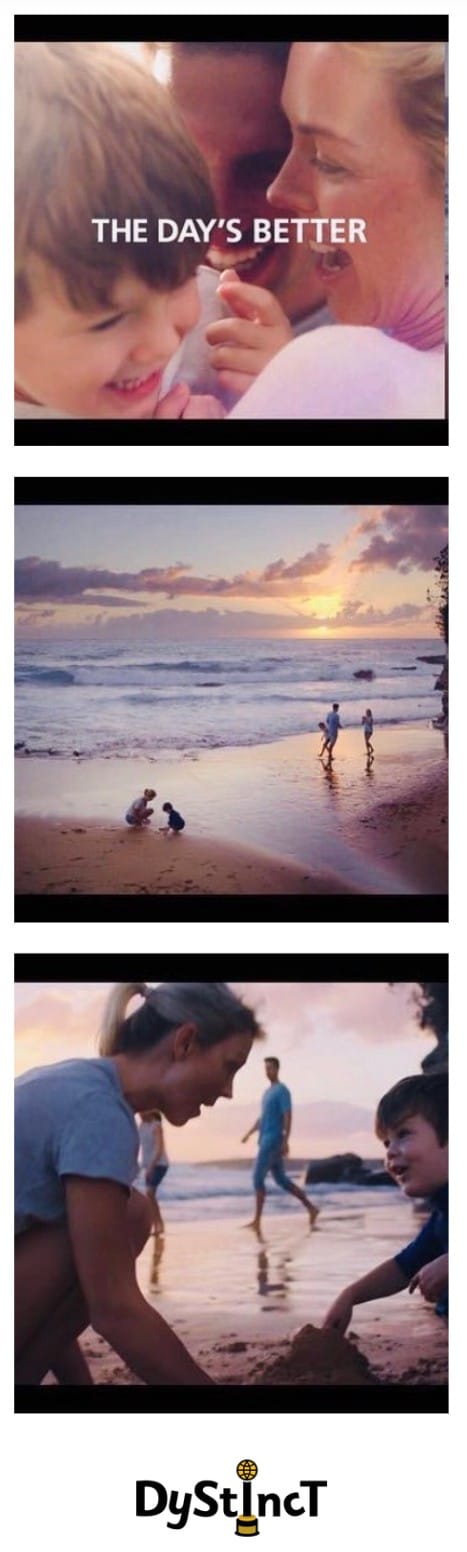
But there's a new harmony in our home. We're in step with each other, not battling against each other, two "Rainbow Brains" that work a little differently, moving through life with more grace, resilience and self-awareness.
For me, the medicine brought something unexpected: perspective. I began to unpick that cruel inner voice, the one still whispering that I'm not smart enough, not competent enough. The voice that tries her best to convince me that I'm faking it in the corporate world.
Because yes, I still sometimes forget things. I send emails with typos, nod through conversations I haven't fully processed, and panic before presenting to a room of CEOs, convinced someone will "find me out." I know impostor syndrome will overtake me on occasions, but so far, I'm safe.
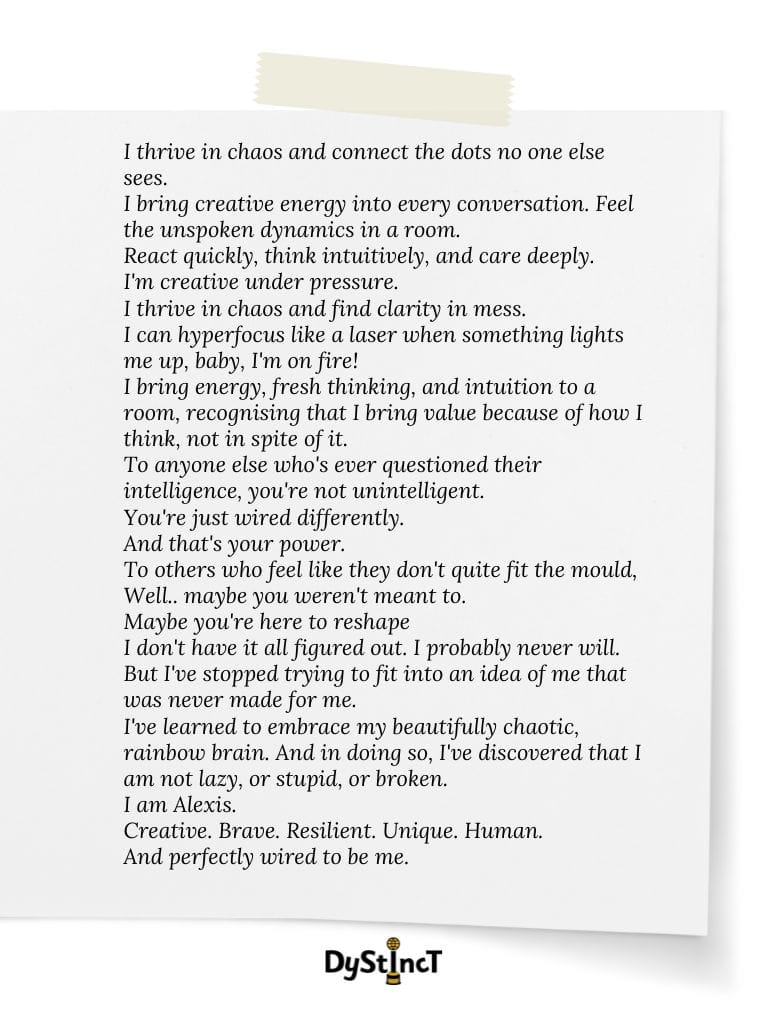
Instead, I focus on what I'm good at: I'm a generous communicator. I build meaningful relationships. I lead with empathy, kindness, and integrity. I make people feel seen, heard, and valued. I bring a perspective that others can't, not in spite of my neurodivergence, but because of it.
I bring a perspective that others can't, not in spite of my neurodivergence, but because of it.
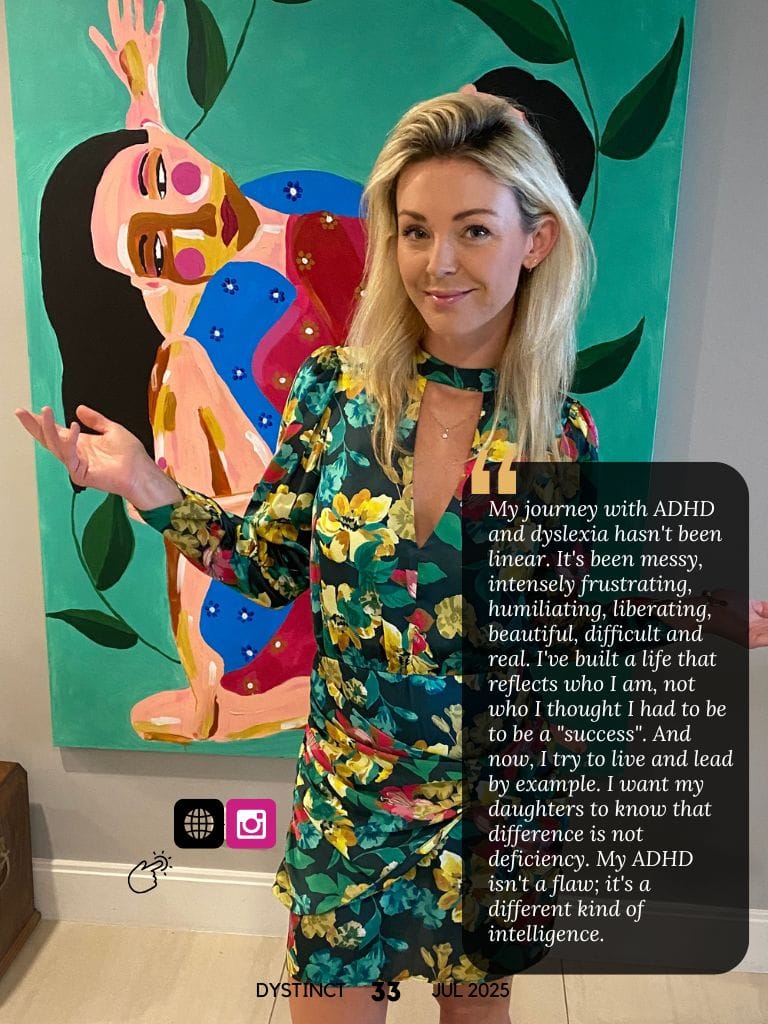
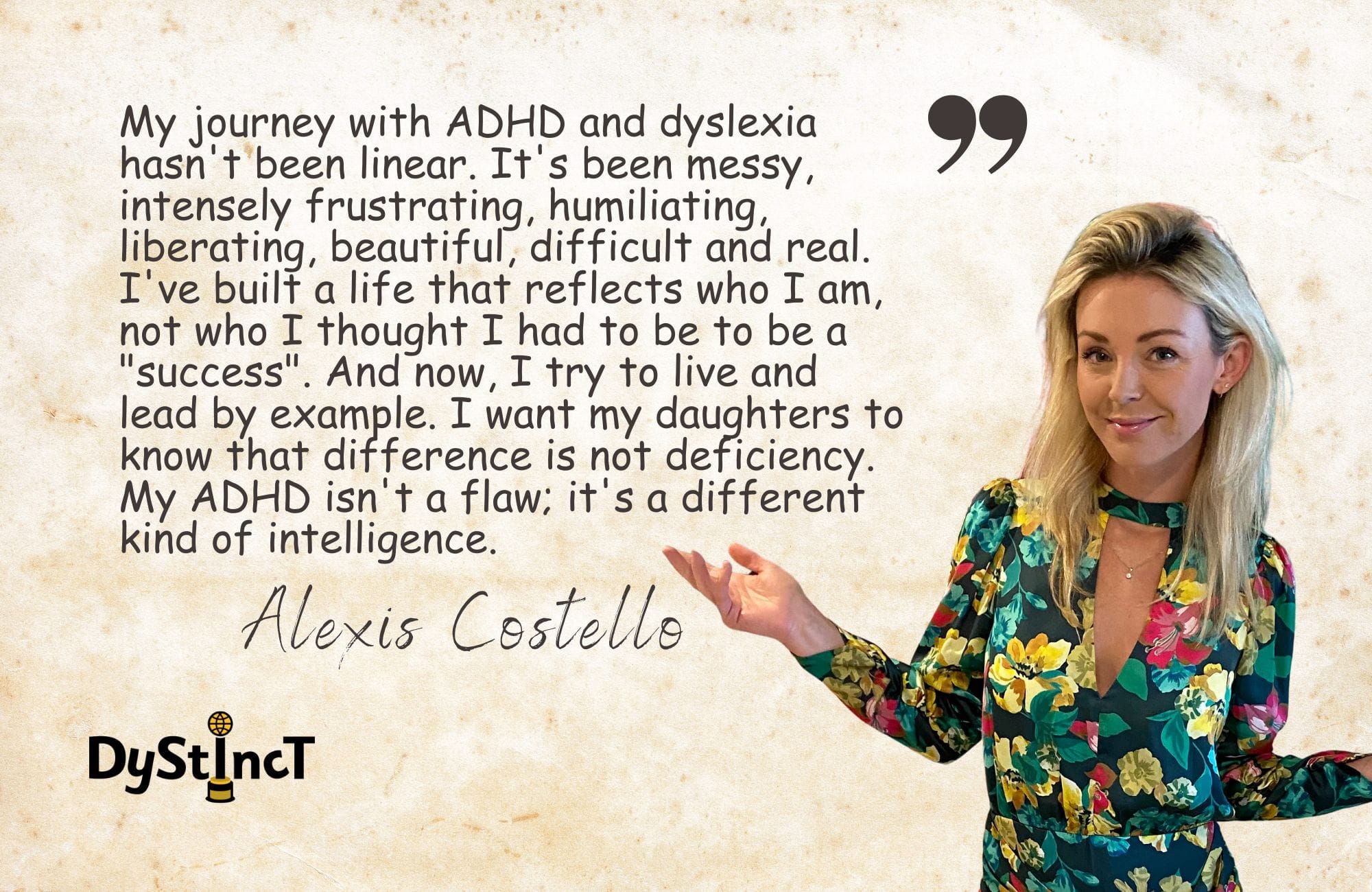
My journey with ADHD and dyslexia hasn't been linear. It's been messy, intensely frustrating, humiliating, liberating, beautiful, difficult and real. I've travelled the world. I've played incredible characters on screen and stage, and I have a deep, creative life which enables me to express all the things I cannot say. And I've lived life my own way. I've built a life that reflects who I am, not who I thought I had to be to be a "success". And now, I try to live and lead by example. I want my daughters to know that difference is not deficiency. My ADHD isn't a flaw; it's a different kind of intelligence.
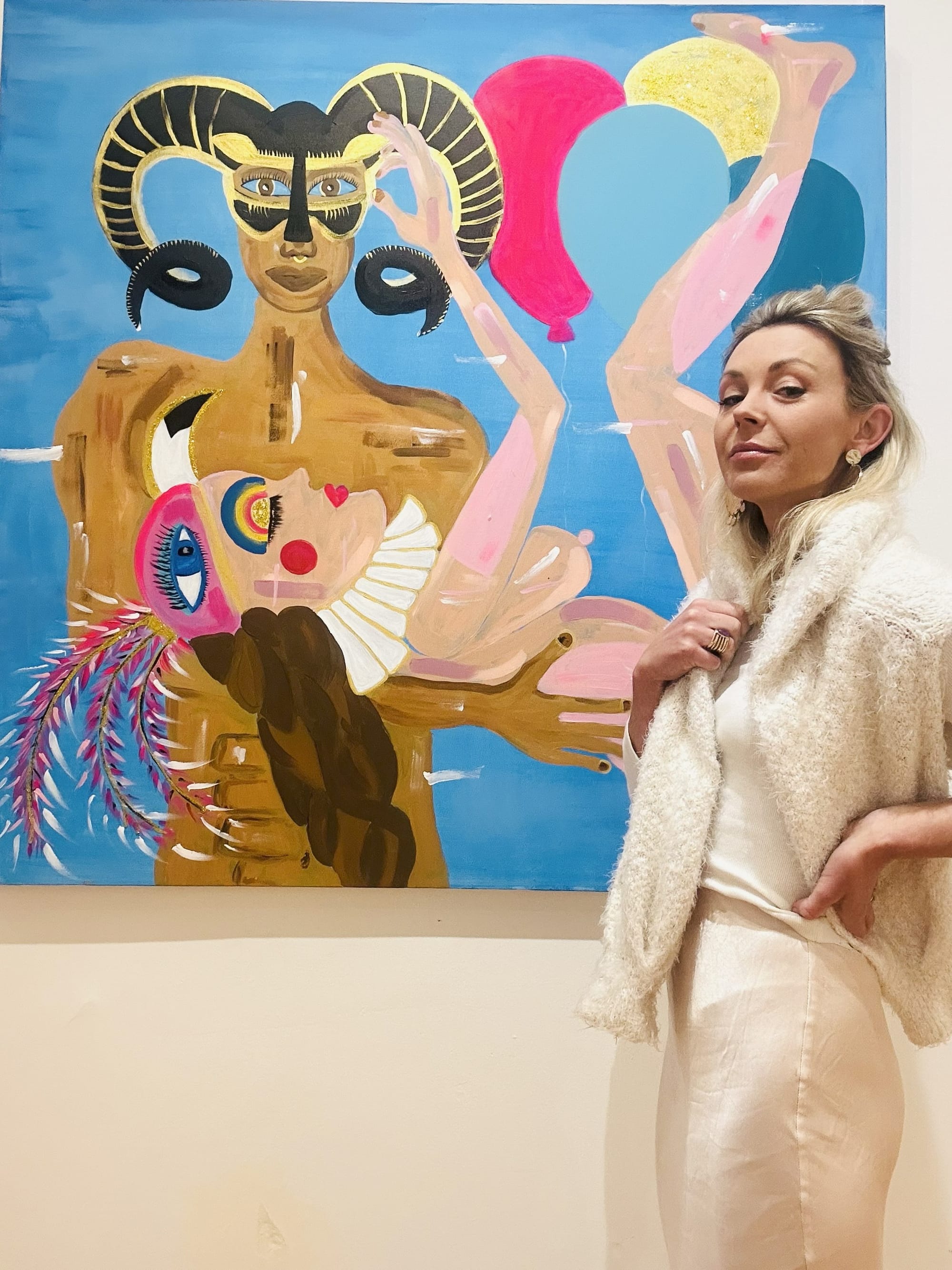
Alexis Costello
Artist | alexiscostelloartist.com
Alexis Costello
Extracts from Dystinct Magazine
Extracts from Dystinct Magazine