Issue 24: Relatable Texts for Teens | Anne Vize
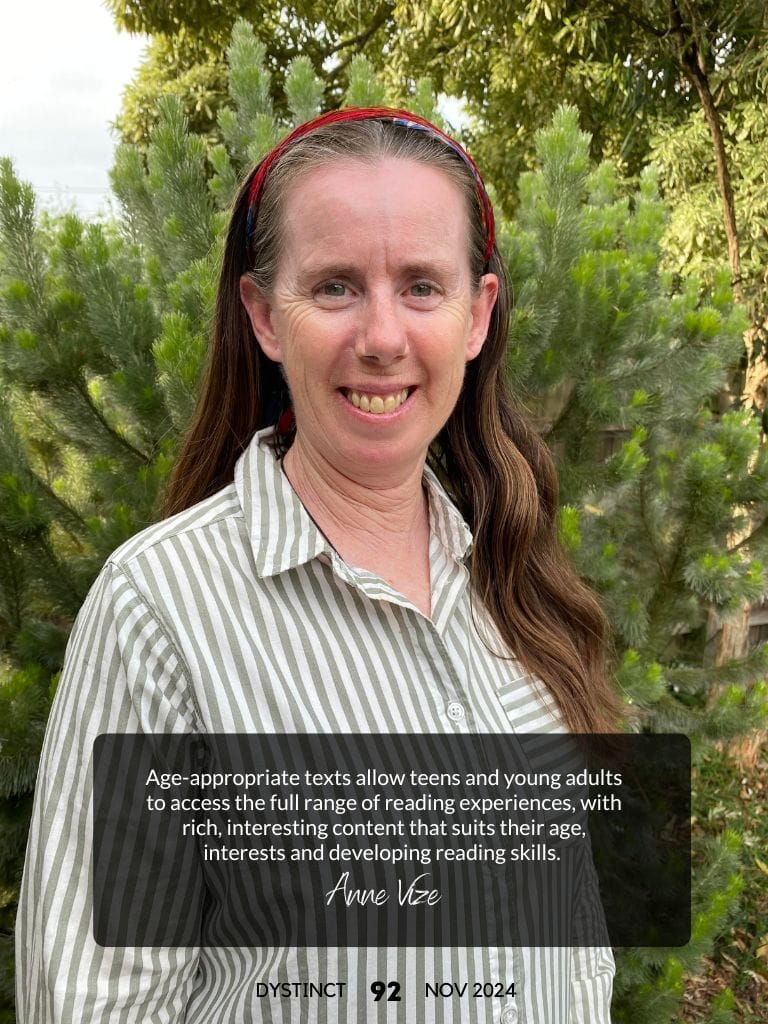
Drawing on years of teaching experience, Anne Vize highlights the importance of accessible, age-appropriate texts that help teens with learning differences connect with stories and build essential literacy skills.
Table of Contents
The first book I ever wrote was called Literacy for Living, written about 20 years ago. I was teaching a group of young people with additional learning needs at the time, and I shared some of the early drafts of the short stories from the book with them. These were students who were all young adults, enjoying their first year in a vocational setting and relishing the newfound independence that came along with an adult learning environment. All of a sudden, there were no uniforms to wear, no assemblies to attend and no school bells to bookend their day. They suddenly found themselves in charge of their own learning pathways, able to make decisions about what, when, how and why they learnt.
My class of students were interested in many of the things that interested other people of a similar age. They loved games and jokes (they found farts hilarious and roared with laughter at slapstick comedy), they enjoyed going out as a group to play sports (frisbee, table tennis, and basketball were clear winners), and they loved visiting places in the community. They took immense pride in planning and organising their own community activities.
They suddenly found themselves in charge of their own learning pathways, able to make decisions about what, when, how and why they learnt.
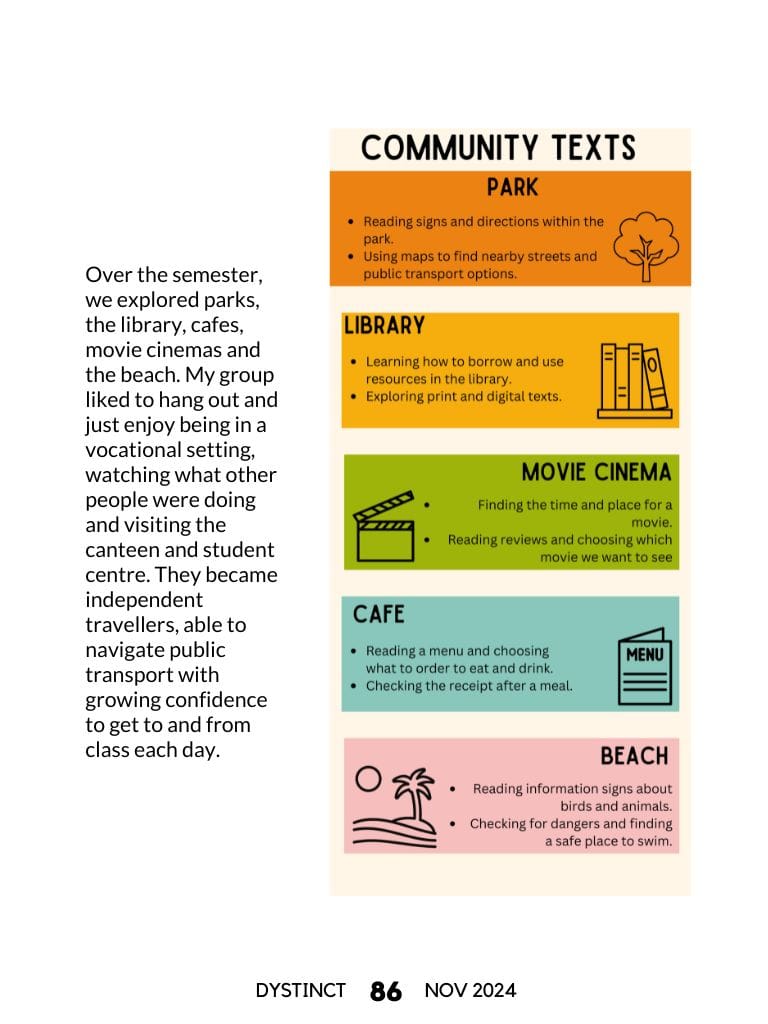
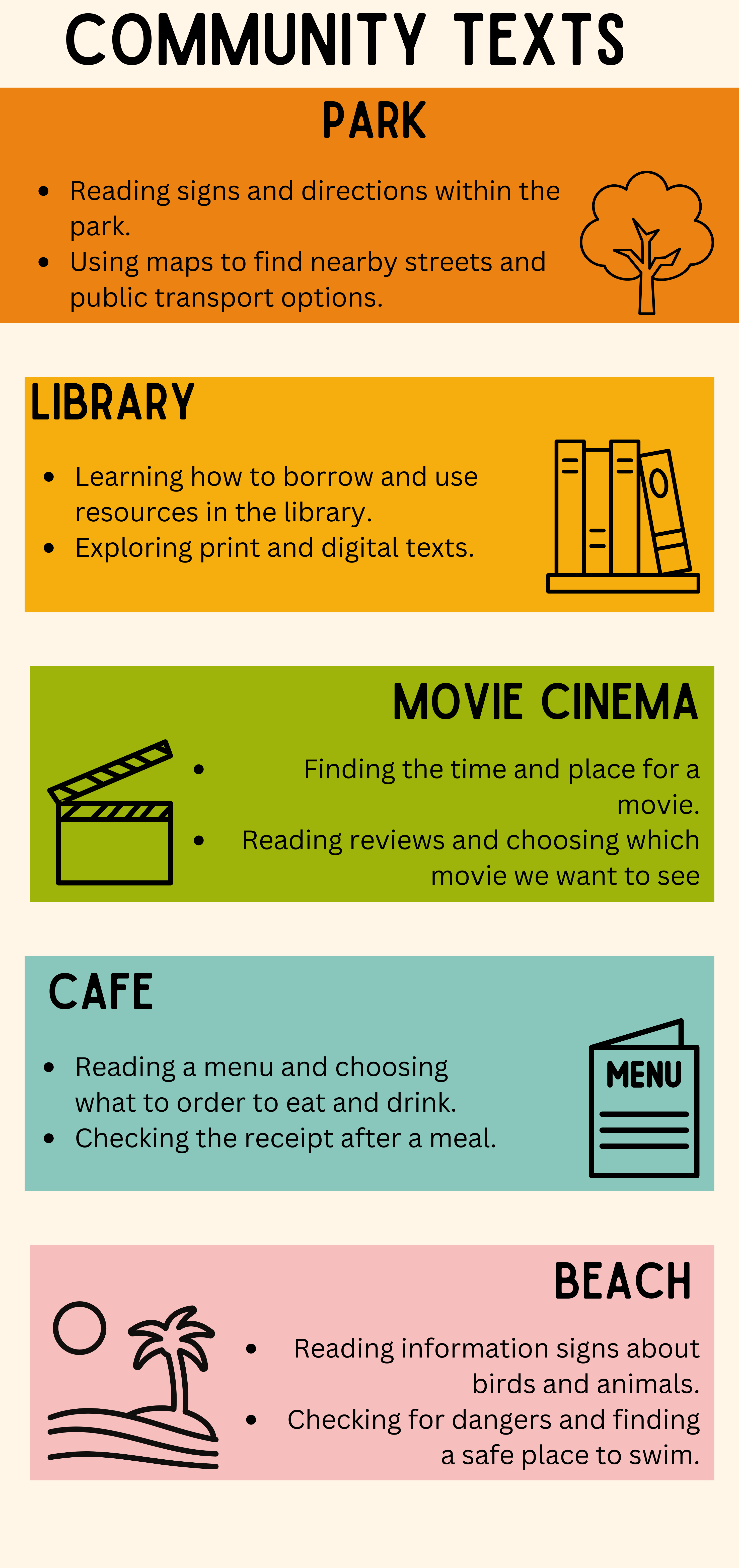
Over the semester, we explored parks, the library, cafes, movie cinemas and the beach. My group liked to hang out and just enjoy being in a vocational setting, watching what other people were doing and visiting the canteen and student centre. They became independent travellers, able to navigate public transport with growing confidence to get to and from class each day.
The Challenge of Content
The Challenge of Content
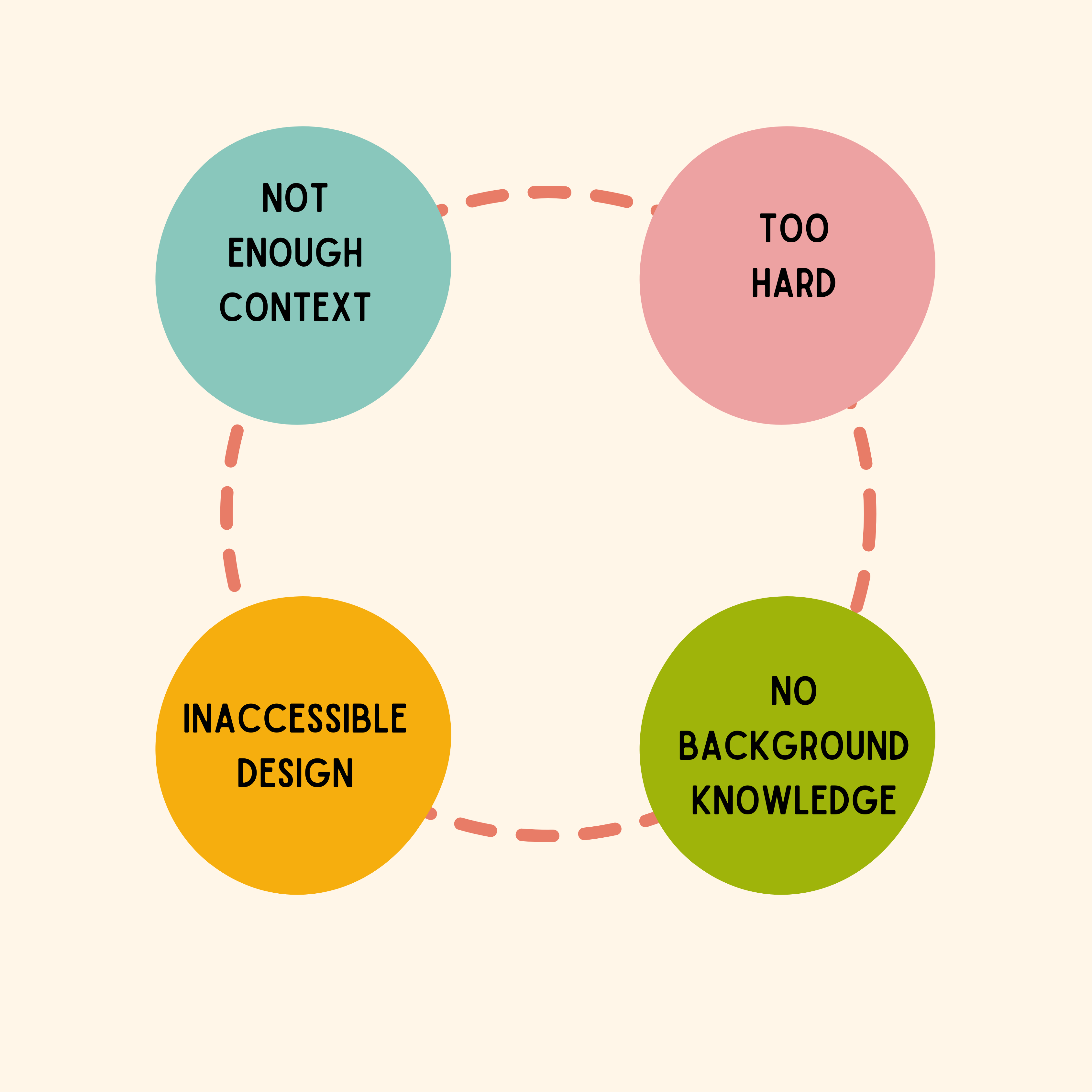
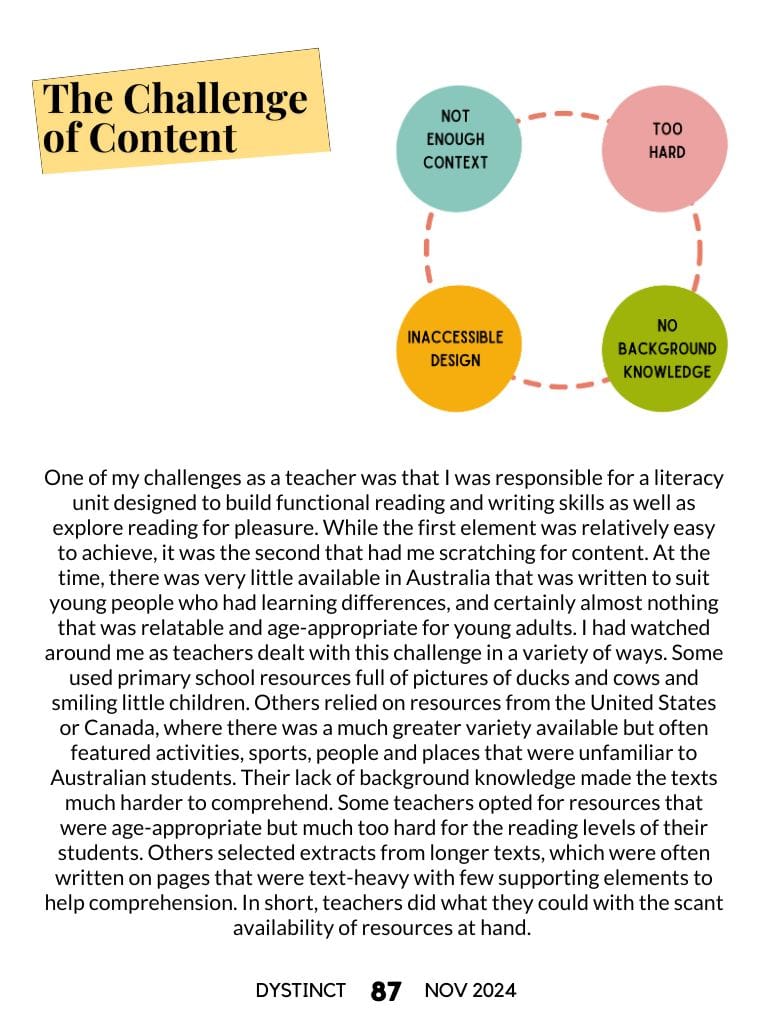
One of my challenges as a teacher was that I was responsible for a literacy unit designed to build functional reading and writing skills as well as explore reading for pleasure. While the first element was relatively easy to achieve, it was the second that had me scratching for content. At the time, there was very little available in Australia that was written to suit young people who had learning differences, and certainly almost nothing that was relatable and age-appropriate for young adults. I had watched around me as teachers dealt with this challenge in a variety of ways. Some used primary school resources full of pictures of ducks and cows and smiling little children. Others relied on resources from the United States or Canada, where there was a much greater variety available but often featured activities, sports, people and places that were unfamiliar to Australian students. Their lack of background knowledge made the texts much harder to comprehend. Some teachers opted for resources that were age-appropriate but much too hard for the reading levels of their students. Others selected extracts from longer texts, which were often written on pages that were text-heavy with few supporting elements to help comprehension. In short, teachers did what they could with the scant availability of resources at hand.
A Team Approach to Reading
A Team Approach to Reading
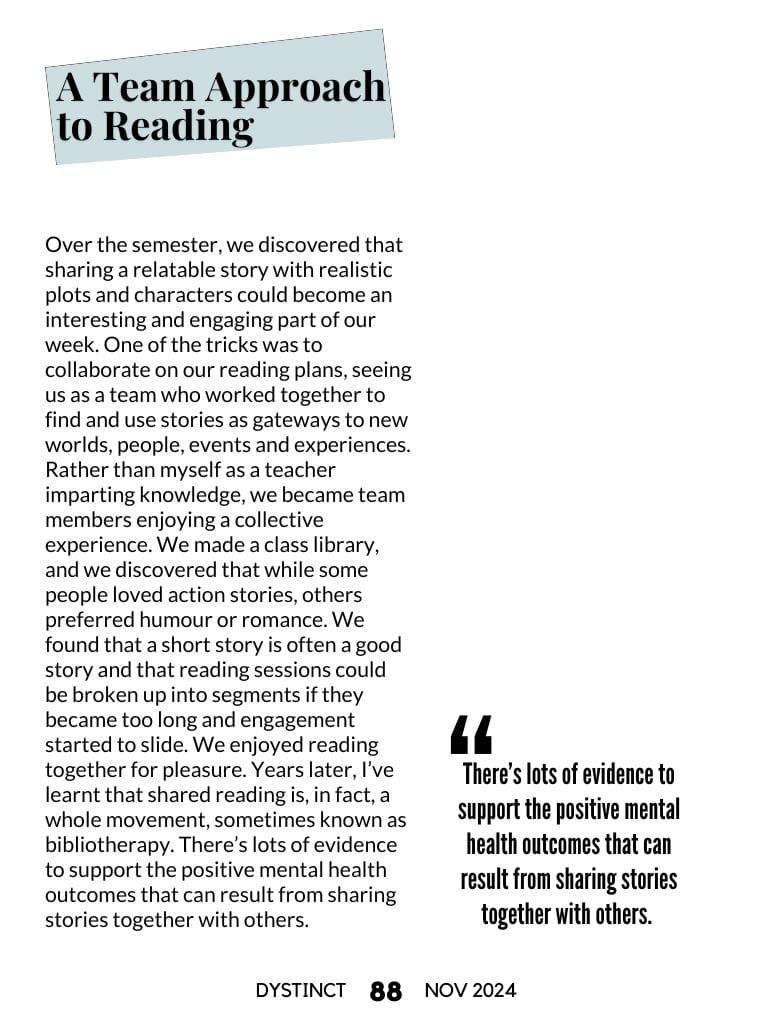
Over the semester, we discovered that sharing a relatable story with realistic plots and characters could become an interesting and engaging part of our week. One of the tricks was to collaborate on our reading plans, seeing us as a team who worked together to find and use stories as gateways to new worlds, people, events and experiences. Rather than myself as a teacher imparting knowledge, we became team members enjoying a collective experience. We made a class library, and we discovered that while some people loved action stories, others preferred humour or romance. We found that a short story is often a good story and that reading sessions could be broken up into segments if they became too long and engagement started to slide. We enjoyed reading together for pleasure. Years later, I’ve learnt that shared reading is, in fact, a whole movement, sometimes known as bibliotherapy. There’s lots of evidence to support the positive mental health outcomes that can result from sharing stories together with others.
There’s lots of evidence to support the positive mental health outcomes that can result from sharing stories together with others.
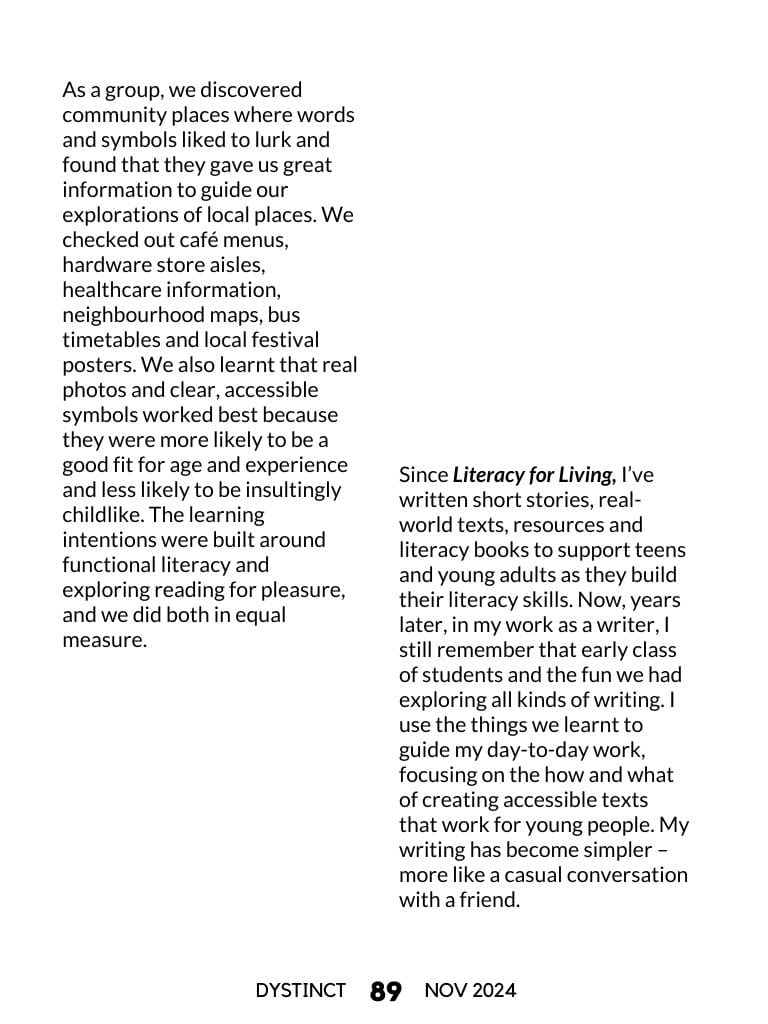
As a group, we discovered community places where words and symbols liked to lurk and found that they gave us great information to guide our explorations of local places. We checked out café menus, hardware store aisles, healthcare information, neighbourhood maps, bus timetables and local festival posters. We also learnt that real photos and clear, accessible symbols worked best because they were more likely to be a good fit for age and experience and less likely to be insultingly childlike. The learning intentions were built around functional literacy and exploring reading for pleasure, and we did both in equal measure.
Since Literacy for Living, I’ve written short stories, real-world texts, resources and literacy books to support teens and young adults as they build their literacy skills. Now, years later, in my work as a writer, I still remember that early class of students and the fun we had exploring all kinds of writing. I use the things we learnt to guide my day-to-day work, focusing on the how and what of creating accessible texts that work for young people. My writing has become simpler – more like a casual conversation with a friend.
Elements in Text
Elements in Text
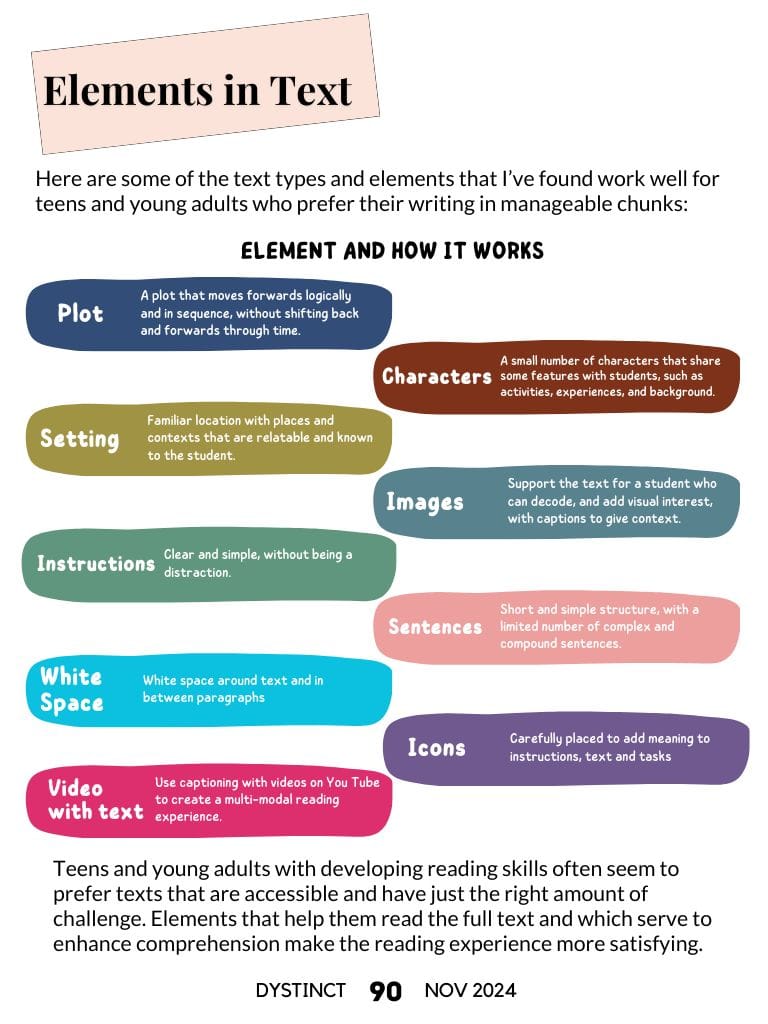
Here are some of the text types and elements that I’ve found work well for teens and young adults who prefer their writing in manageable chunks:
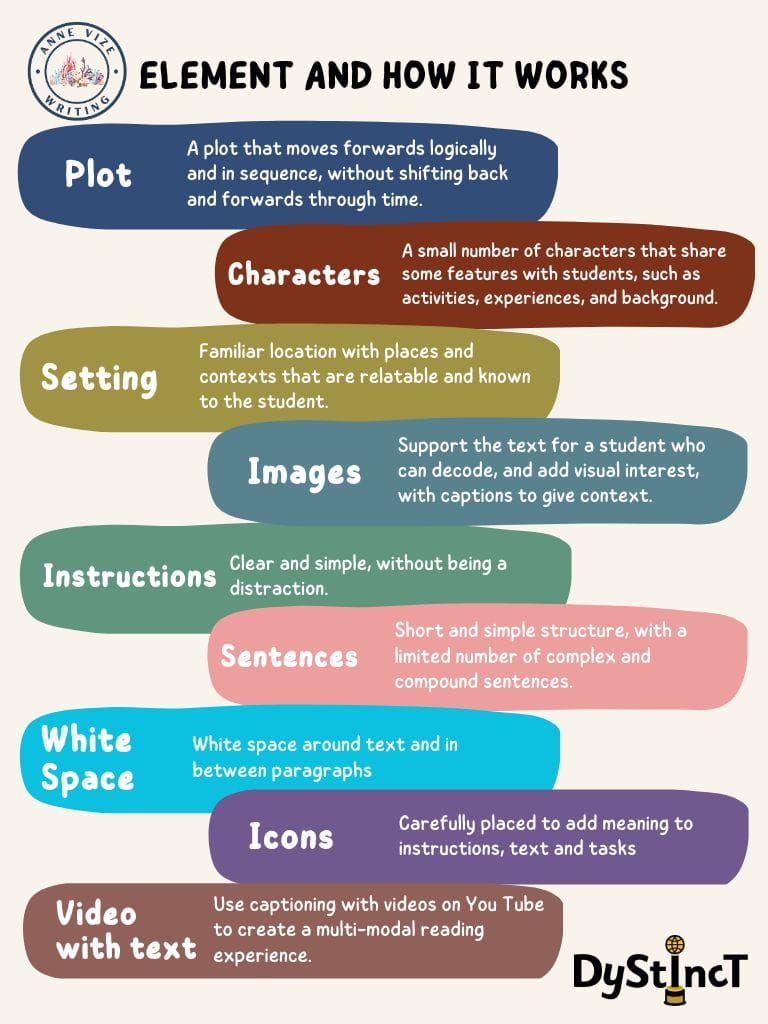
Teens and young adults with developing reading skills often seem to prefer texts that are accessible and have just the right amount of challenge. Elements that help them read the full text and which serve to enhance comprehension make the reading experience more satisfying.
Learning For The Future
Learning For The Future
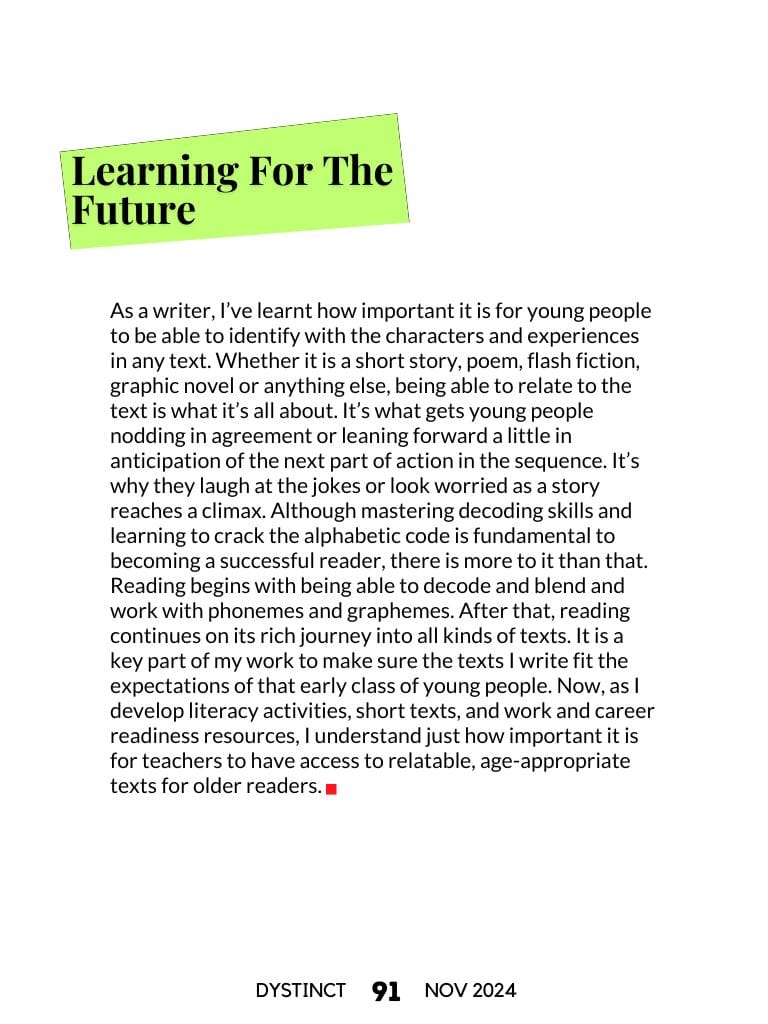
As a writer, I’ve learnt how important it is for young people to be able to identify with the characters and experiences in any text. Whether it is a short story, poem, flash fiction, graphic novel or anything else, being able to relate to the text is what it’s all about. It’s what gets young people nodding in agreement or leaning forward a little in anticipation of the next part of action in the sequence. It’s why they laugh at the jokes or look worried as a story reaches a climax. Although mastering decoding skills and learning to crack the alphabetic code is fundamental to becoming a successful reader, there is more to it than that. Reading begins with being able to decode and blend and work with phonemes and graphemes. After that, reading continues on its rich journey into all kinds of texts. It is a key part of my work to make sure the texts I write fit the expectations of that early class of young people. Now, as I develop literacy activities, short texts, and work and career readiness resources, I understand just how important it is for teachers to have access to relatable, age-appropriate texts for older readers.
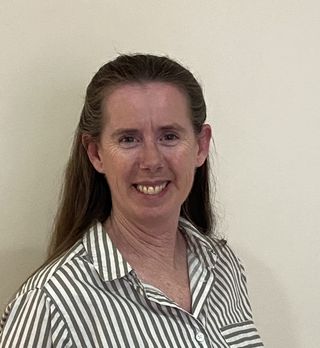
Anne Vize
Education Writer, Specialist Teacher and Author | annevizewriting.com | Facebook | LinkedIn | TeachersPayTeachers
Anne Vize
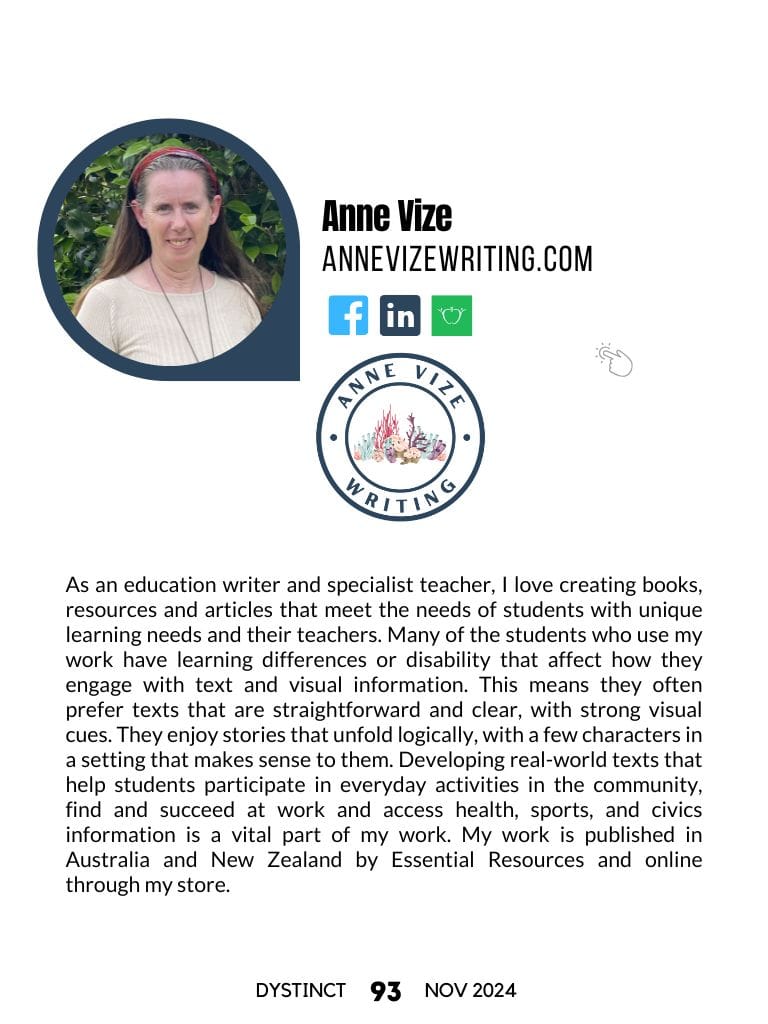
As an education writer and specialist teacher, I love creating books, resources and articles that meet the needs of students with unique learning needs and their teachers. Many of the students who use my work have learning differences or disability that affect how they engage with text and visual information. This means they often prefer texts that are straightforward and clear, with strong visual cues. They enjoy stories that unfold logically, with a few characters in a setting that makes sense to them. Developing real-world texts that help students participate in everyday activities in the community, find and succeed at work and access health, sports, and civics information is a vital part of my work. My work is published in Australia and New Zealand by Essential Resources and online through my store.
BUY BOOK
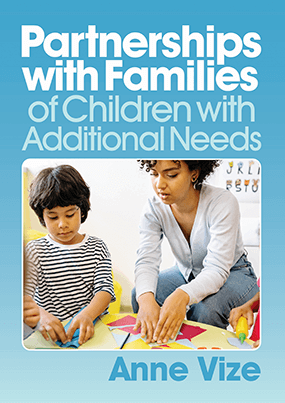
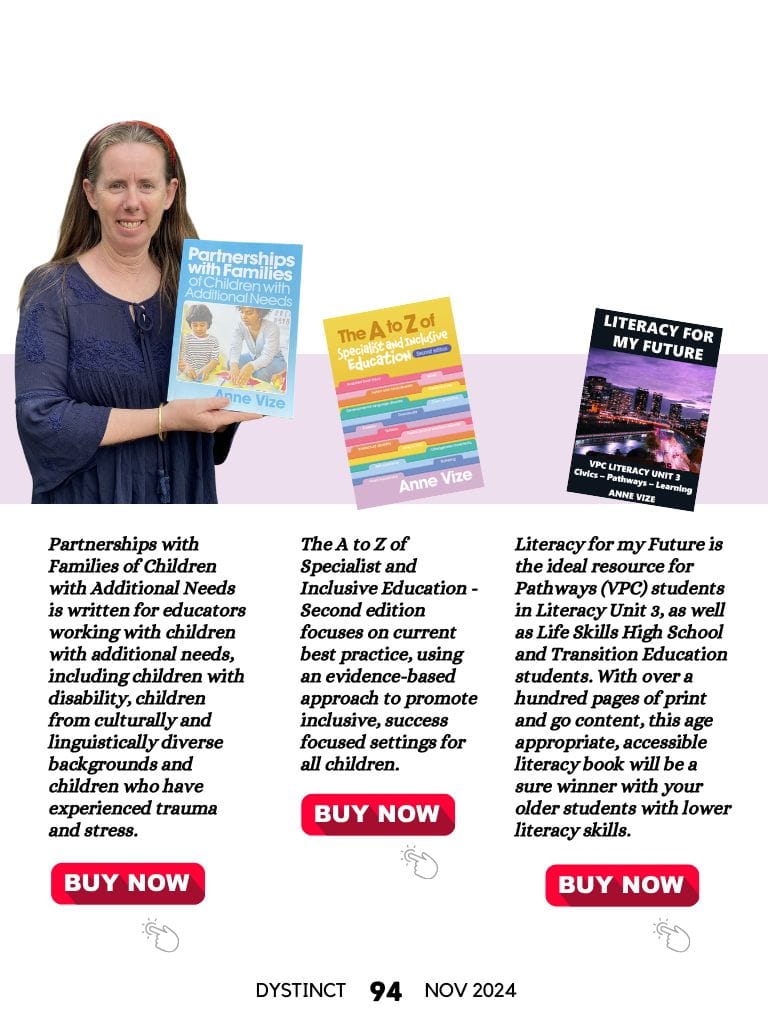
Partnerships with Families of Children with Additional Needs
Partnerships with Families of Children with Additional Needs is written for educators working with children with additional needs, including children with disability, children from culturally and linguistically diverse backgrounds and children who have experienced trauma and stress.
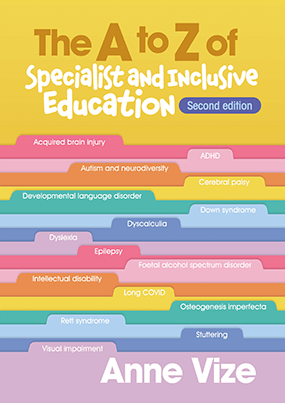
The A to Z of Specialist and Inclusive Education
The A to Z of Specialist and Inclusive Education - Second edition focuses on current best practice, using an evidence-based approach to promote inclusive, success focused settings for all children.
Literacy for my Future
Literacy for my Future is the ideal resource for Pathways (VPC) students in Literacy Unit 3, as well as Life Skills High School and Transition Education students. With over a hundred pages of print and go content, this age appropriate, accessible literacy book will be a sure winner with your older students with lower literacy skills.
Extracts from Dystinct Magazine
Extracts from Dystinct Magazine