Issue 32: Illustration Callout for October 2026 Dystinct Magazine
Opportunity for children to get their illustrations published in the Dystinct Magazine. In every magazine issue, articles written by specialists are accompanied by illustrations created by children. Submit your child's illustrations for a chance to be featured in the Dystinct Magazine.

Table of Contents
Callouts for illustrations to be featured in the upcoming October 2026 issue of the Dystinct Magazine
Instructions to submit the illustrations are at the bottom. If you have any questions, please get in touch with me at hello@dystinct.org.
Theme: Interoception
- Article Topic: Interoception: The Sense Your Child’s School Has Probably Never Mentioned (But Should)
- Article Context: Kelly Mahler explains how interoception shapes children’s behaviour and self-regulation, and why replacing compliance with curiosity can lead to more effective and compassionate support.
Illustration Guideline:
Children are free to create an illustration based on their creativity. If you require a guideline, children can draw one of the following illustrations.
- Body Dashboard
Draw a girl or boy with their body designed like a car dashboard, with signals showing hunger, thirst, tiredness, a fast heartbeat and needing the toilet. - Body Weather Report
Internal feelings shown like a weather forecast, such as a stormy stomach, a racing-heart tornado, tired fog or calm sunshine.
Theme: Demystifying the Comprehensive Dyslexia Assessment: Looking beyond the Surface
- Article Topic: Decoding the Evaluation: Understanding the Path to Dyslexia Identification
- Article Context: Michelle Storie and Sheila Clonan explain how reading assessments can uncover difficulties masked by a child’s strengths, clarify the path to dyslexia identification, and help families and educators turn findings into targeted support.
Illustration Guideline:
Children are free to create an illustration based on their creativity. If you require a guideline, children can draw a child kneeling beside a pond, looking at their reflection, with a colourful world of ideas beneath the water. This underwater world could include anything the young artist loves, such as planets, animals, music notes, flowers or imaginary creatures.
Theme: Building on Strengths
- Article Topic: Decoding the Evaluation: Understanding the Path to Dyslexia Identification
- Article Context: Michelle Storie and Sheila Clonan explain how reading assessments can uncover difficulties masked by a child’s strengths, clarify the path to dyslexia identification, and help families and educators turn findings into targeted support.
Illustration Guideline:
Children are free to create an illustration based on their creativity. If you require a guideline, children can draw a cartoon brain lifting weights labelled Structured Literacy, with strong arms and a cheerful expression to represent building on strengths. They can add colourful trainers, a headband or other fun details.
Theme: Building Writing Skills
- Article Topic: Supporting Writing K-5: Grounded in Research, Applied Practically
- Article Context: Lisa Klein draws on her experience as an educator and parent to explore why writing can feel overwhelming and shares practical, research-informed strategies to help children organise their thoughts, build writing skills and express their ideas with confidence.
Illustration Guideline:
Children are free to create an illustration based on their creativity. If you require a guideline, children can draw one of the following illustrations.
- Pencil Bridge
A giant pencil forming a bridge between a thought bubble coming from a child’s head and an open notebook, showing how writing helps ideas reach the page. - A plant growing from a notebook
Colourful leaves and flowers sprouting from the pages of a book held by a child to represent writing skills growing with support. - Juggling Brain
A cartoon brain juggling a pencil, letters and a light bulb full of creative ideas to show the different processes involved in writing. - Pencil Superhero
A pencil with a cape flying next to a child, helping them translate their ideas into creative animated images coming out of a notebook
INSTRUCTIONS
Instructions for creating illustrations:
- If your child can create digital drawings, that would be preferred. If not, illustrations on paper will suffice. (If your child can create a digital illustration, please let me know about the software/platform they will use to create the file).
- Please create/draw/colour on an A4 sheet of WHITE paper.
- Scan the image and send us a clear image of the illustration without shadows. Please do not take a photograph using flash on your mobile device.
Instructions for submitting your illustrations:
Please email me your submissions to hello@dystinct.org with the following info:
- Short bio- 25-50 words
- Name of Child
- Age
- Location (City/Country)
- Diagnosis/suspected diagnosis
- 1-2 high-resolution headshots/ photos of the child
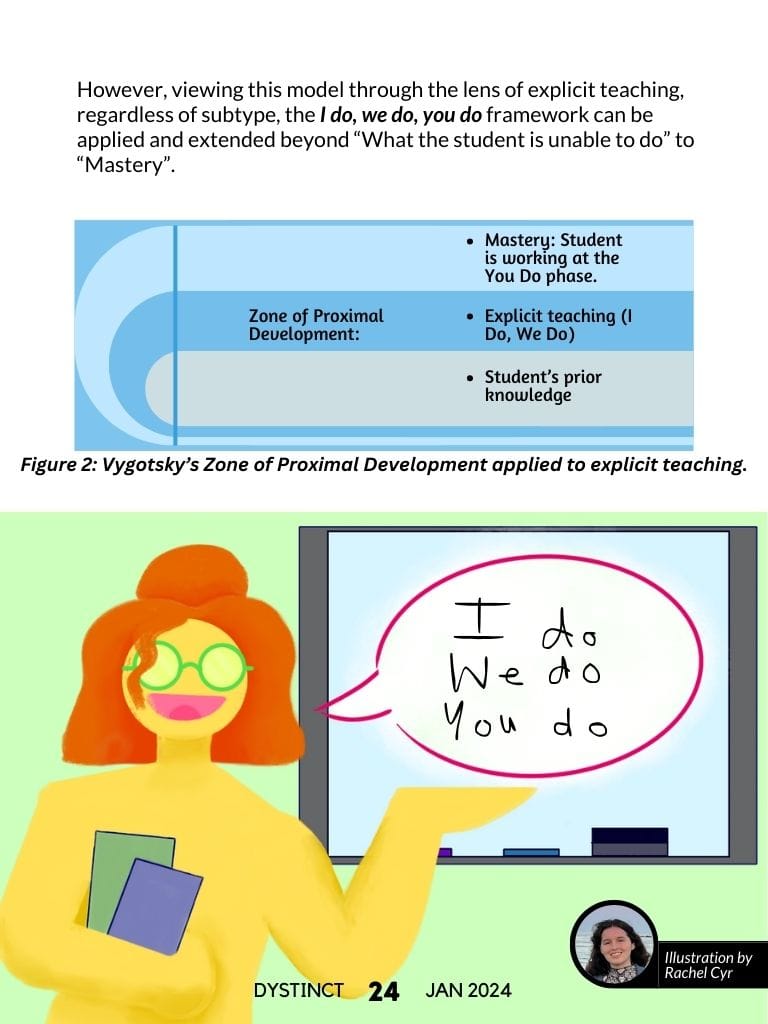
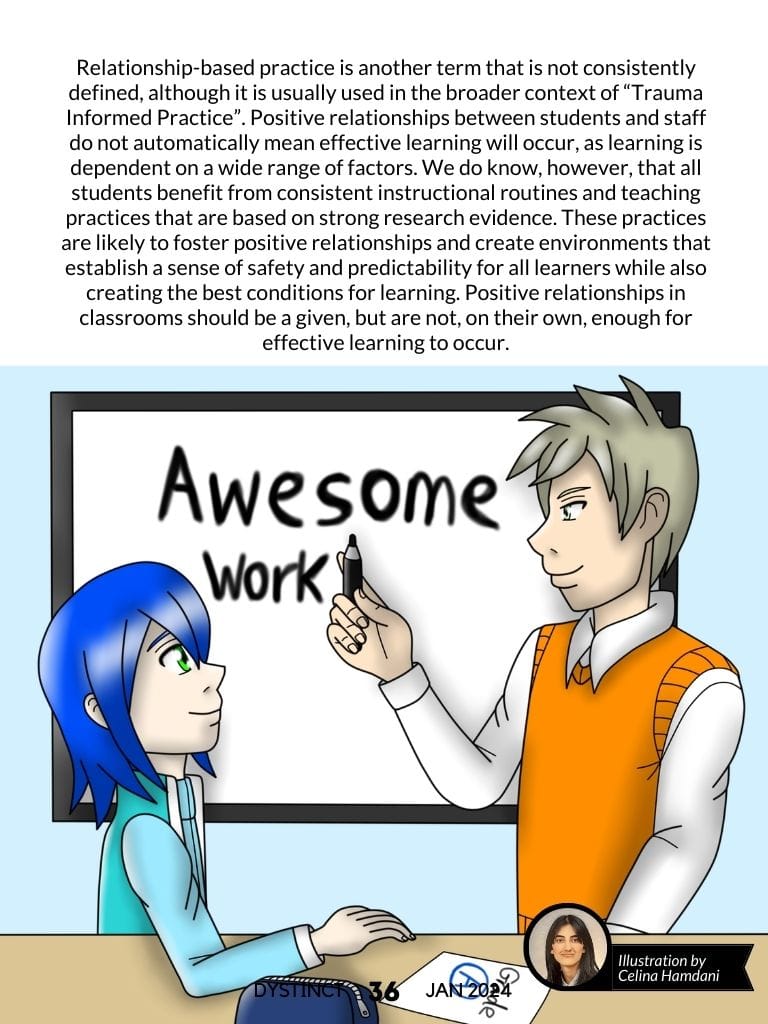
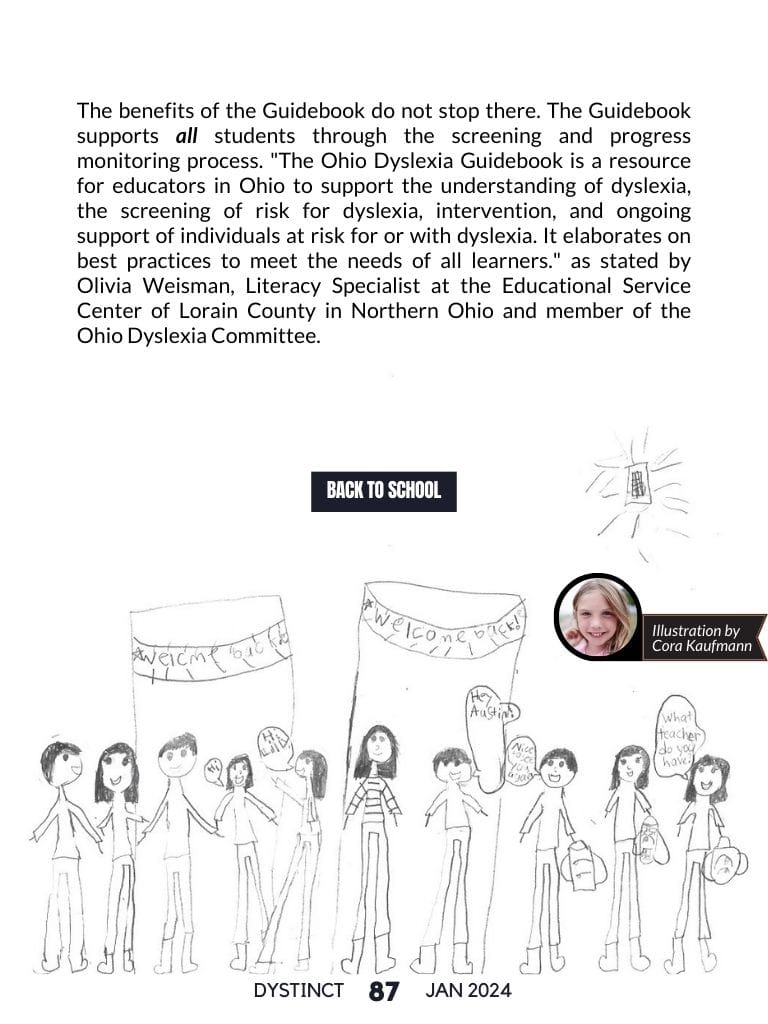
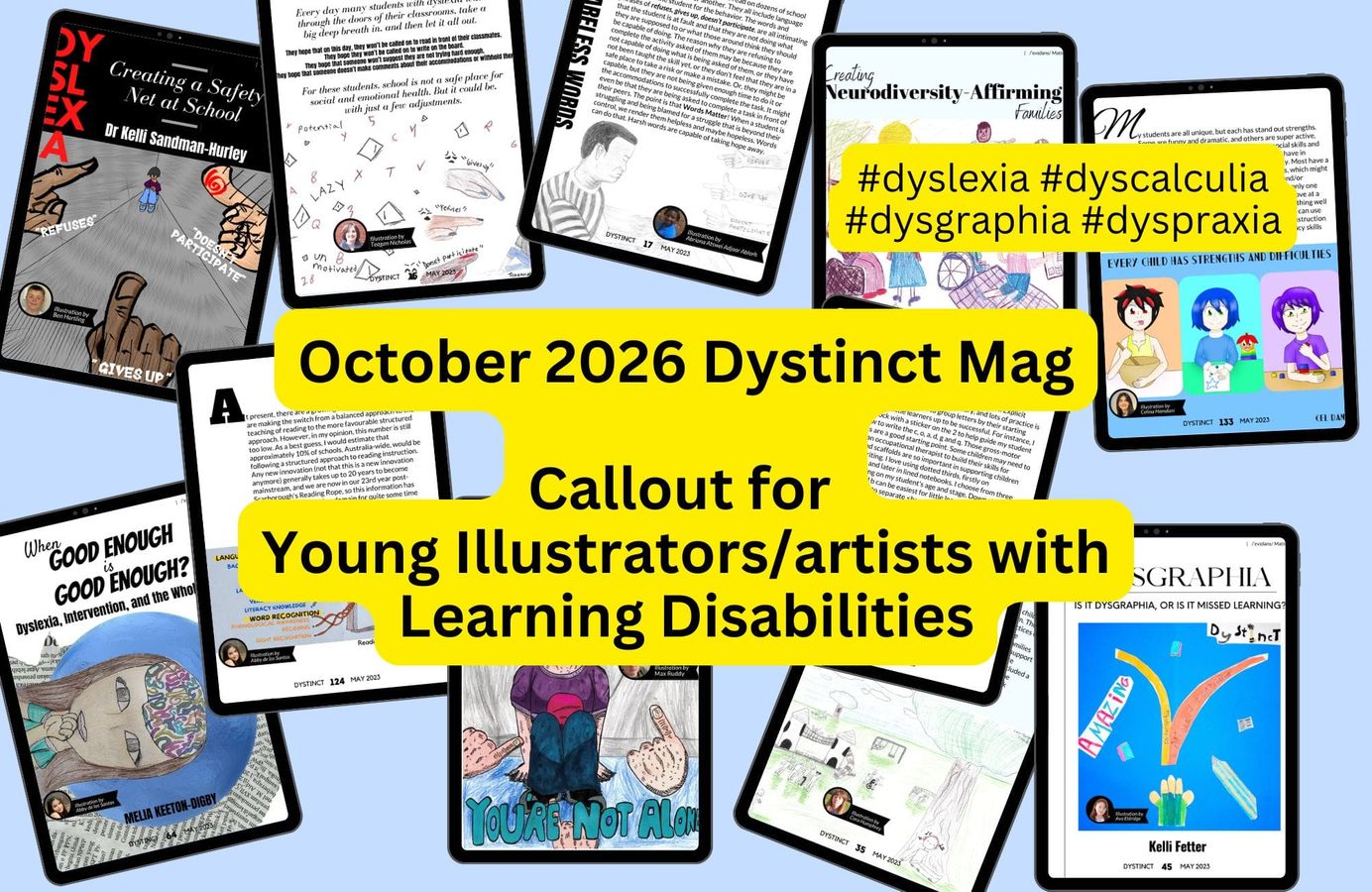
Illustrations featured in previous issues of Dystinct Magazine
The below illustrations were featured in previous issues.