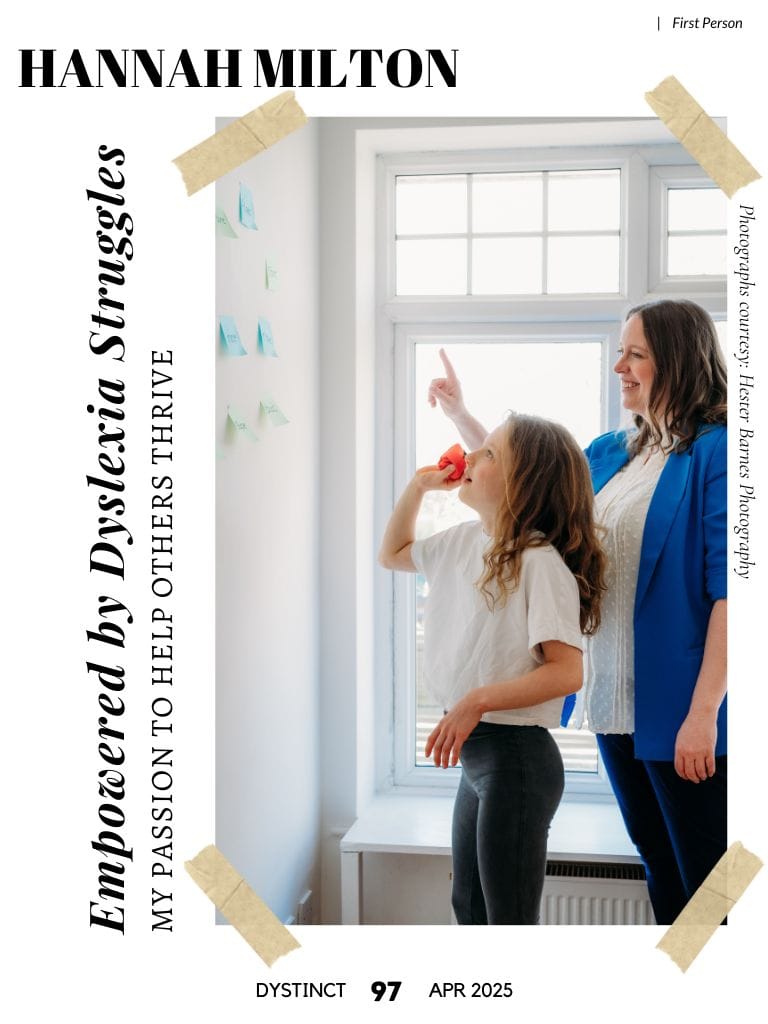
Issue 26: Empowered by Dyslexia Struggles - My Passion to Help Others Thrive | Hannah Milton | Dyslexia LaunchPad
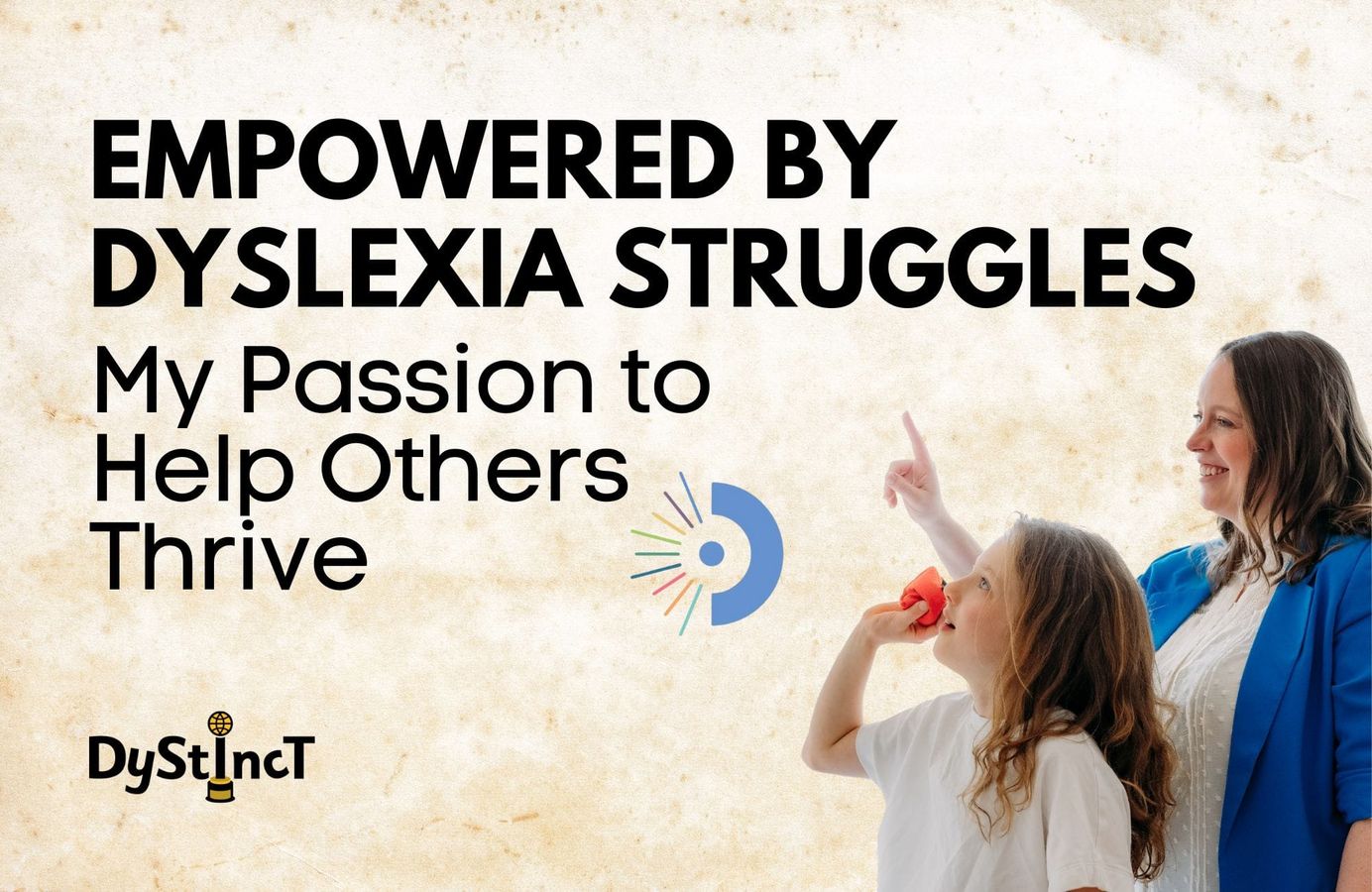
Hannah Milton, educator and dyslexia specialist, shares her journey from struggling student to passionate advocate, now supporting parents through Dyslexia Launchpad and her online community to help dyslexic children thrive.
Table of Contents
Why was it so easy for them but so difficult for me?
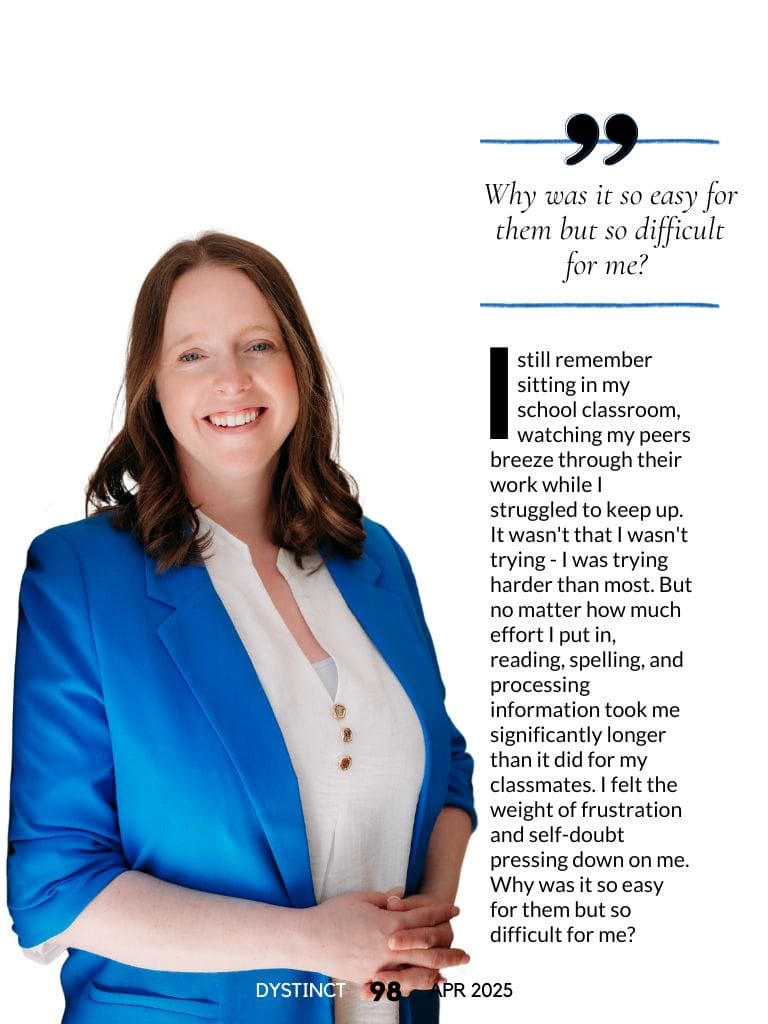
I still remember sitting in my school classroom, watching my peers breeze through their work while I struggled to keep up. It wasn't that I wasn't trying - I was trying harder than most. But no matter how much effort I put in, reading, spelling, and processing information took me significantly longer than it did for my classmates. I felt the weight of frustration and self-doubt pressing down on me. Why was it so easy for them but so difficult for me?
My parents and teachers shared my concerns, and when I was around nine years old, they decided to have me assessed for dyslexia. The assessment was held in the principal's office—a place I had never stepped foot in before. It felt like an intimidating and mysterious space, adding to my already nervous energy. I remember wanting to impress the assessor, to prove that I was intelligent. I had just learned a difficult song in music class that listed all 50 U.S. states in alphabetical order. In my mind, I imagined she would ask me to name a state, and I'd be able to reel off all 50 in perfect order. She would think I was a genius! Of course, that question never came up, and instead, the results confirmed what my teachers and parents suspected - I was dyslexic.
Surprisingly, rather than feeling defeated, I felt relief—finally understanding that I wasn't stupid, just a different kind of learner.
Surprisingly, rather than feeling defeated, I felt relief—finally understanding that I wasn't stupid, just a different kind of learner. My parents, teachers, and assessor explained dyslexia to me in a way that lifted a huge weight off my shoulders. I began working with a dyslexia tutor, which helped me make significant strides in reading and spelling. Even with the right support, however, school still felt unfair. My friends could finish their homework in under an hour, while I spent entire evenings struggling through assignments. I longed to be outside playing, enjoying my childhood, rather than battling with words on a page.
Despite these challenges, my confidence slowly grew, and my path became clearer. Initially, I had dreams of becoming a fighter pilot—Top Gun was a big movie in our house! But as I got older, I kept thinking back to the woman who assessed me. She had changed my life by helping me understand my dyslexia, and I wanted to make that same kind of difference for others. I realised that becoming a teacher would let me support children in a way that helped them feel seen, understood, and capable. One day, I hoped to become a dyslexia assessor myself so I could provide even more children with the life-changing understanding that had meant so much to me.
Life took an unexpected turn when I met my British husband during university, and before long, I found myself moving to the UK. I started teaching in a London primary school and spent the next 16 years working my way up the leadership ladder in both state and private schools. Year after year, one thing became painfully clear: despite the fact that around 1 in 5 people have dyslexia, very few children I taught were being diagnosed. Even worse, teachers—including myself—were given little to no training on how to support dyslexic students effectively.
Year after year, one thing became painfully clear: despite the fact that around 1 in 5 people have dyslexia, very few children I taught were being diagnosed.
Then, in 2018, I had my first child. Given that both my husband and I have dyslexia, I knew there was a strong possibility he might, too. This reignited my passion for dyslexia education. I started researching ways to finally achieve my childhood goal of becoming a dyslexia specialist.
In 2021, I received another surprise—I was expecting twins! With three young children, I had to make a tough decision. The cost of nursery fees outweighed my teaching salary, making it financially unviable to continue working. However, after a year of maternity leave with newborn twins and a three-year-old, I found myself at breaking point with mum burnout. I needed something for myself. That's when I revisited my research, made a few calls, and enrolled in a dyslexia teacher course.
The next 12 months were both exhausting and enlightening. Studying with dyslexia is never easy, and this course was no exception—especially with three kids under 4 to juggle. My twins were learning to walk, and every day felt like a balancing act between navigating their newfound mobility and consuming dyslexia texts. I would steal moments during nap time or after bedtime to dive into my studies, but flipping my brain from study mode to mum mode was one of the biggest challenges I faced.
The real struggle, though, was dealing with the demands of studying while managing my own dyslexic brain. Memorising information, reading dense texts, and writing essays felt like climbing a mountain every day. My dyslexia made it harder to process information in the same way as my peers—sometimes even the simplest task felt like a huge hurdle.
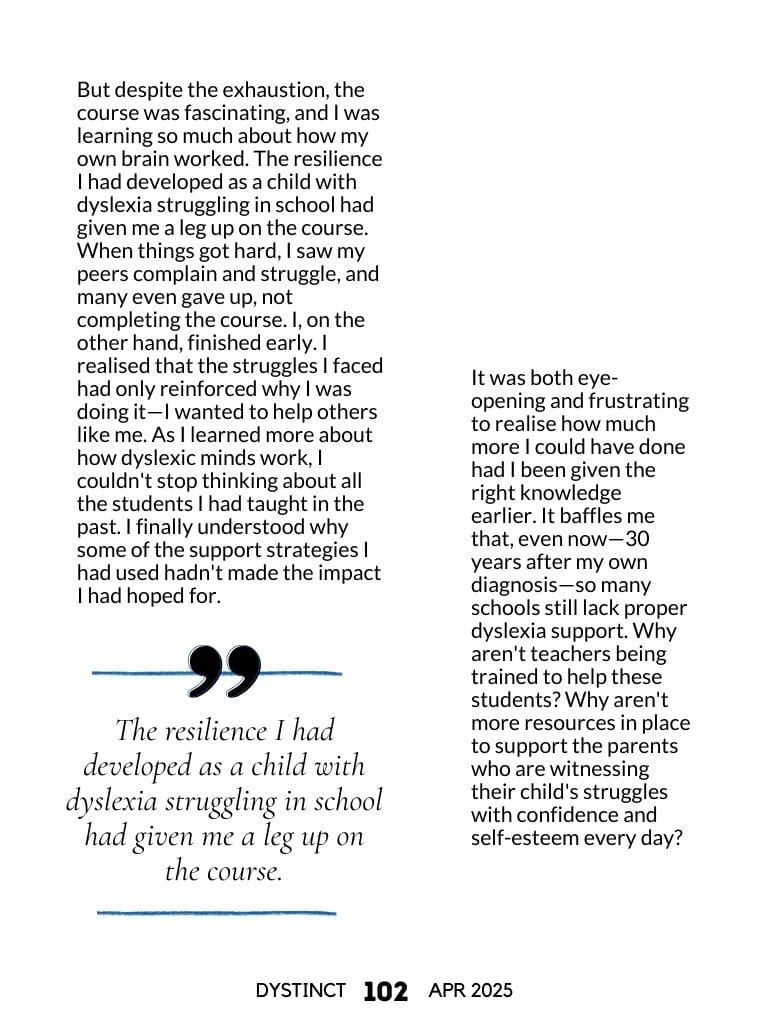
But despite the exhaustion, the course was fascinating, and I was learning so much about how my own brain worked. The resilience I had developed as a child with dyslexia struggling in school had given me a leg up on the course. When things got hard, I saw my peers complain and struggle, and many even gave up, not completing the course. I, on the other hand, finished early. I realised that the struggles I faced had only reinforced why I was doing it—I wanted to help others like me. As I learned more about how dyslexic minds work, I couldn't stop thinking about all the students I had taught in the past. I finally understood why some of the support strategies I had used hadn't made the impact I had hoped for.
The resilience I had developed as a child with dyslexia struggling in school had given me a leg up on the course.
It was both eye-opening and frustrating to realise how much more I could have done had I been given the right knowledge earlier. It baffles me that, even now—30 years after my own diagnosis—so many schools still lack proper dyslexia support. Why aren't teachers being trained to help these students? Why aren't more resources in place to support the parents who are witnessing their child's struggles with confidence and self-esteem every day?
After completing my dyslexia teacher training, I began tutoring one-on-one. Before I knew it, I had a waitlist. But something still didn't sit right with me. I was getting messages from parents every week, desperate for help, and I realised I couldn't possibly support every child in need on a one-to-one basis. That's when I decided to create Dyslexia Launchpad—a space dedicated to empowering parents with the knowledge and tools to help their dyslexic children thrive.
I now run a free Facebook group called Dyslexia Parent Community: Tips for Supporting Your Dyslexic Child, where I provide guidance, share resources, and connect parents so they know they're not alone.
If there's one thing I want parents to take away from my journey, it's this: your child is not broken. With the right support, they can thrive. You are not alone on this path—there is a wealth of knowledge, resources, and advocates ready to help you support your child with confidence.
Resources
Resources
- Thriving with Dyslexia - a 6-week parent course equipping parents with all the tools they need to help their child thrive. [learn.dyslexialaunchpad.com]
- Advocacy Guide - A Parent's Guide To Confidently Advocating for Dyslexia Support in Schools. [learn.dyslexialaunchpad.com]
- Embracing Diagnosis Guide: A Parent's Guide to Explaining Dyslexia. [learn.dyslexialaunchpad.com]
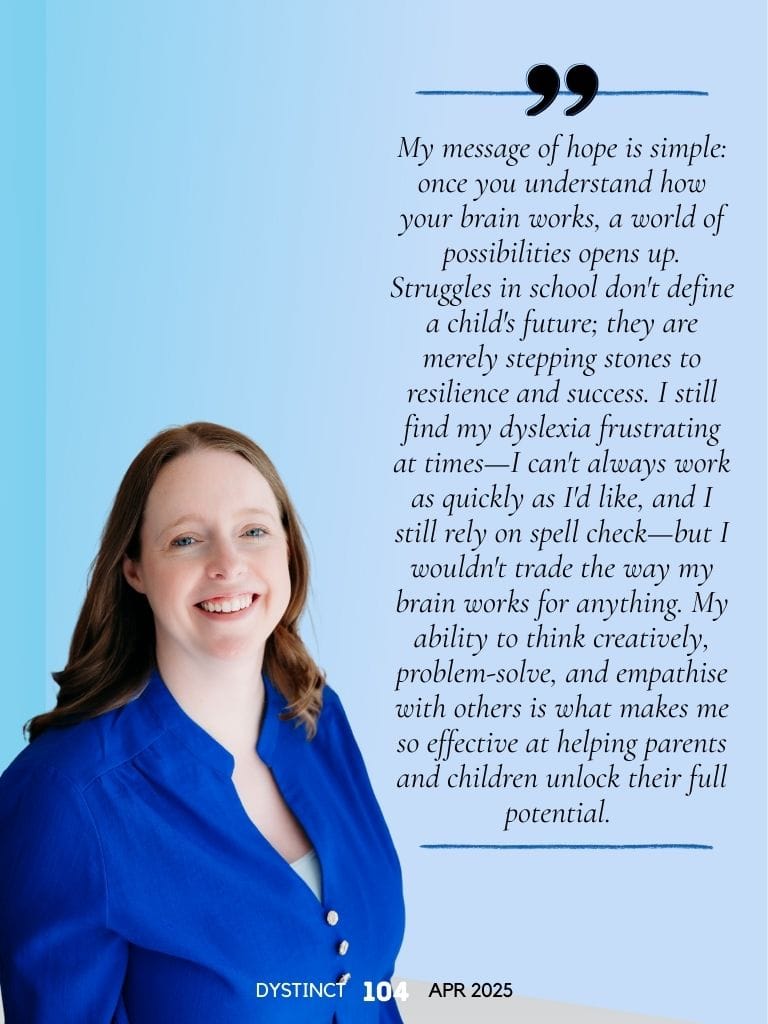
Hannah Milton
Dyslexia Specialist & Founder of Dyslexia LaunchPad | learn.dyslexialaunchpad.com | Facebook | Instagram | Linktr
Hannah Milton
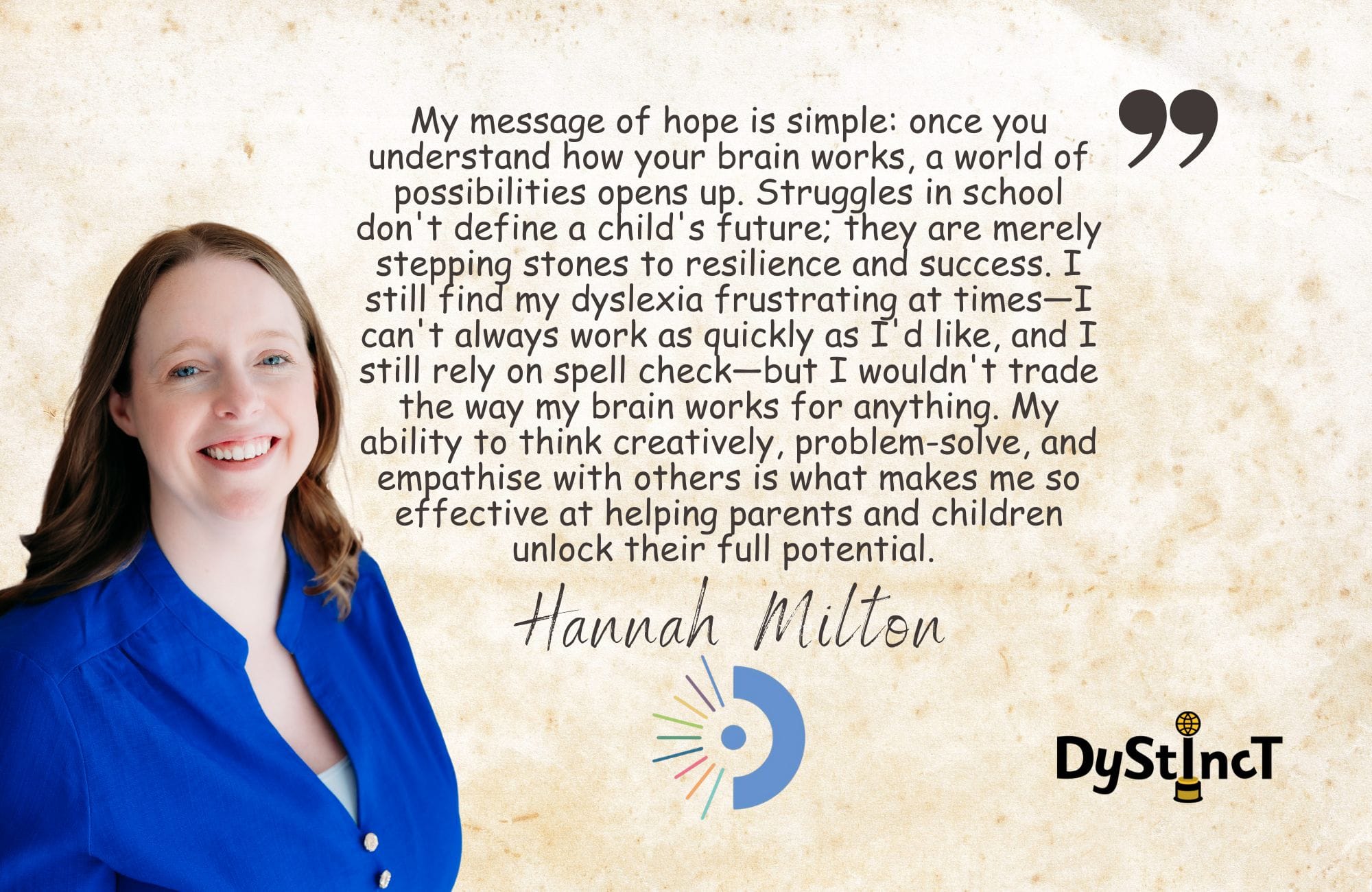
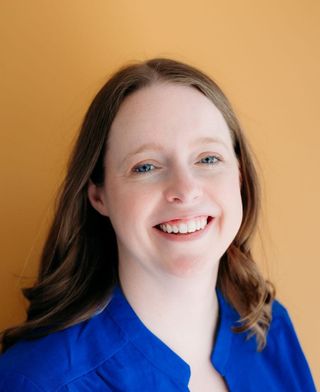
Hannah is a dedicated educator and dyslexia advocate with over 18 years of experience in primary education and specialist dyslexia support. Having faced the challenges of dyslexia herself, she is deeply passionate about helping children and parents navigate the difficulties of learning.
After her own dyslexia diagnosis, Hannah pursued a career in teaching and became a dyslexia specialist, tailoring her approach to meet the unique needs of neurodiverse learners. Known for her warm, empathetic style, she empowers parents with practical tools to support their children in reading, spelling, and building confidence. Her 1:1 teaching of dyslexic students and support for parents has received countless praises from both parents and teachers who have seen first-hand the amazing results of students' boosted reading, spelling, and confidence.
As a mother of three, Hannah understands the struggles families face and works tirelessly to provide accessible support. She runs the Dyslexia Parent Community: Tips for Supporting Your Dyslexic Child, where she shares ongoing support and builds a community of parents going through the same struggles.
Extracts from Dystinct Magazine
Extracts from Dystinct Magazine