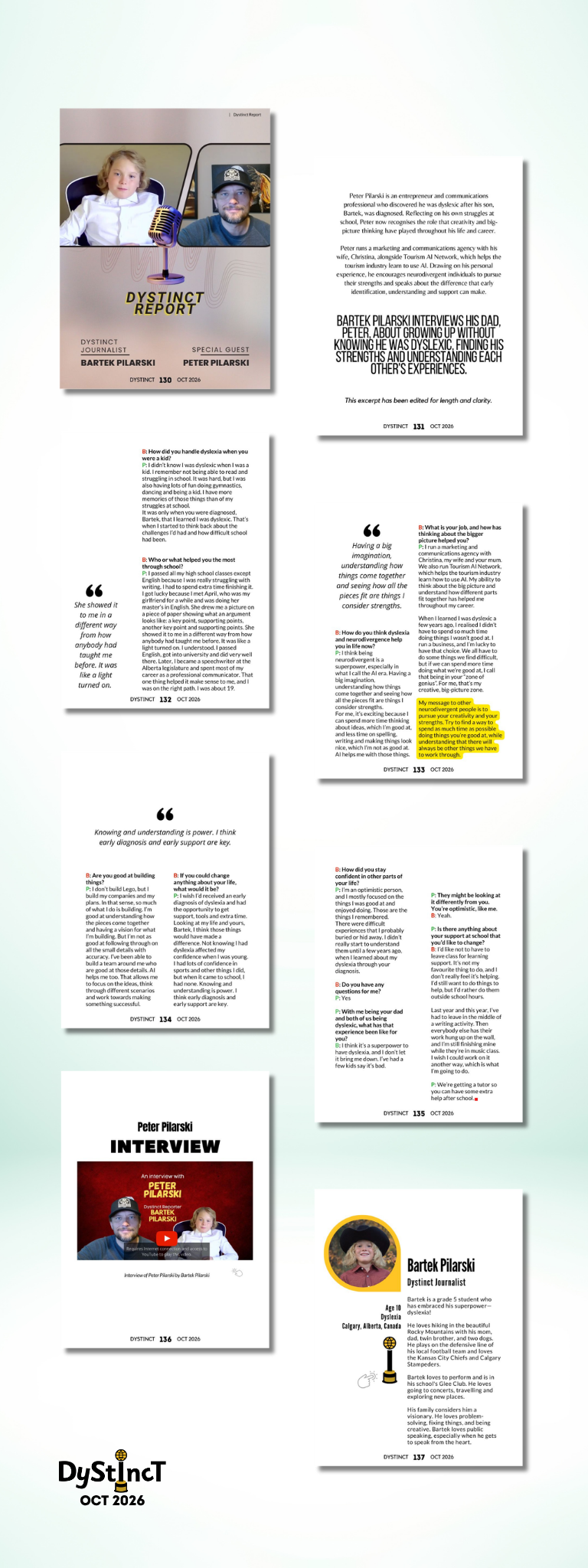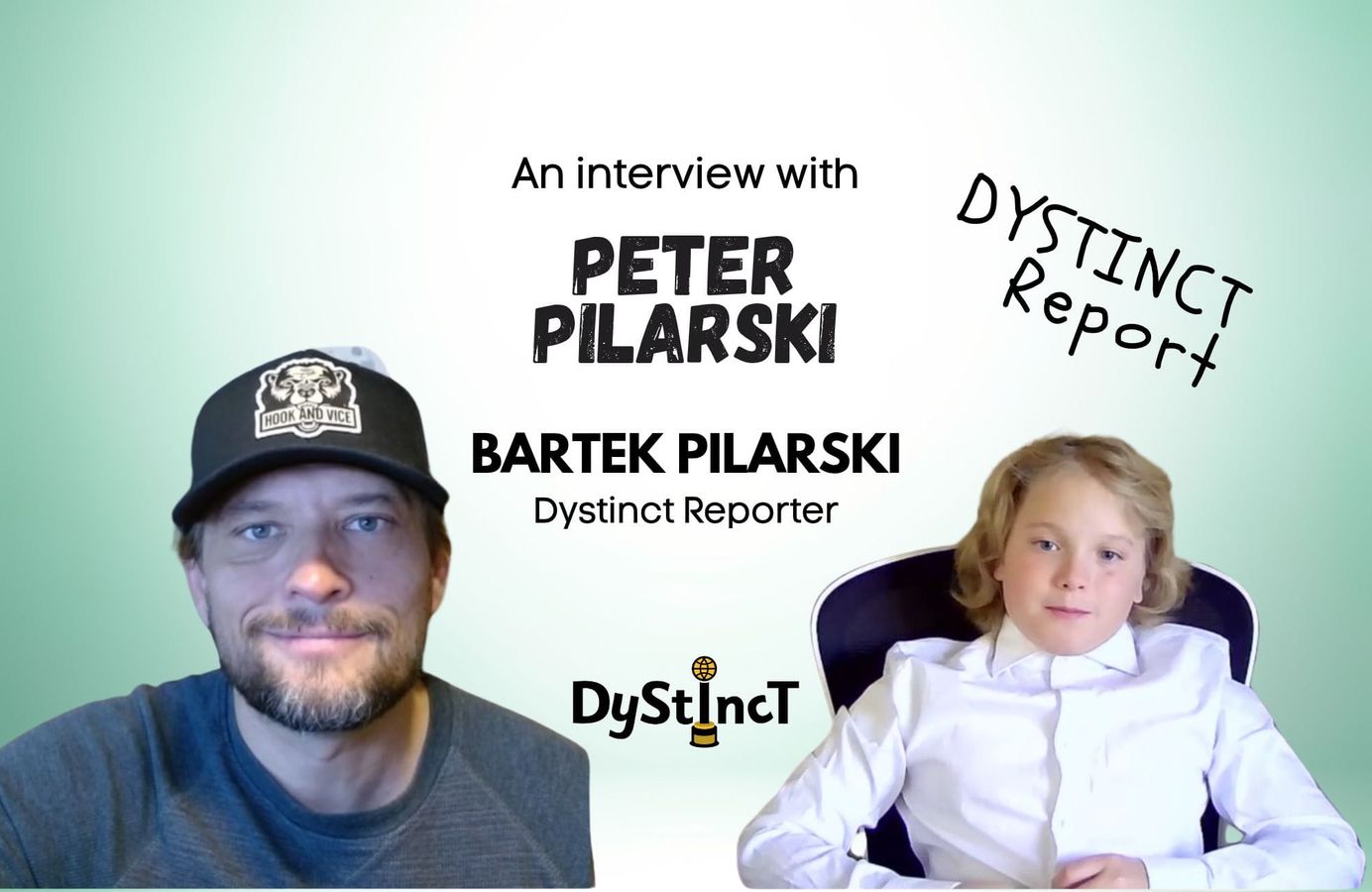
Issue 32: Dystinct Report – Interview with Peter Pilarski | Bartek Pilarski
Dystinct Journalist Bartek Pilarski interviews his father, Peter Pilarski, about discovering his dyslexia as an adult, finding confidence in his strengths and understanding each other's experiences.

Table of Contents
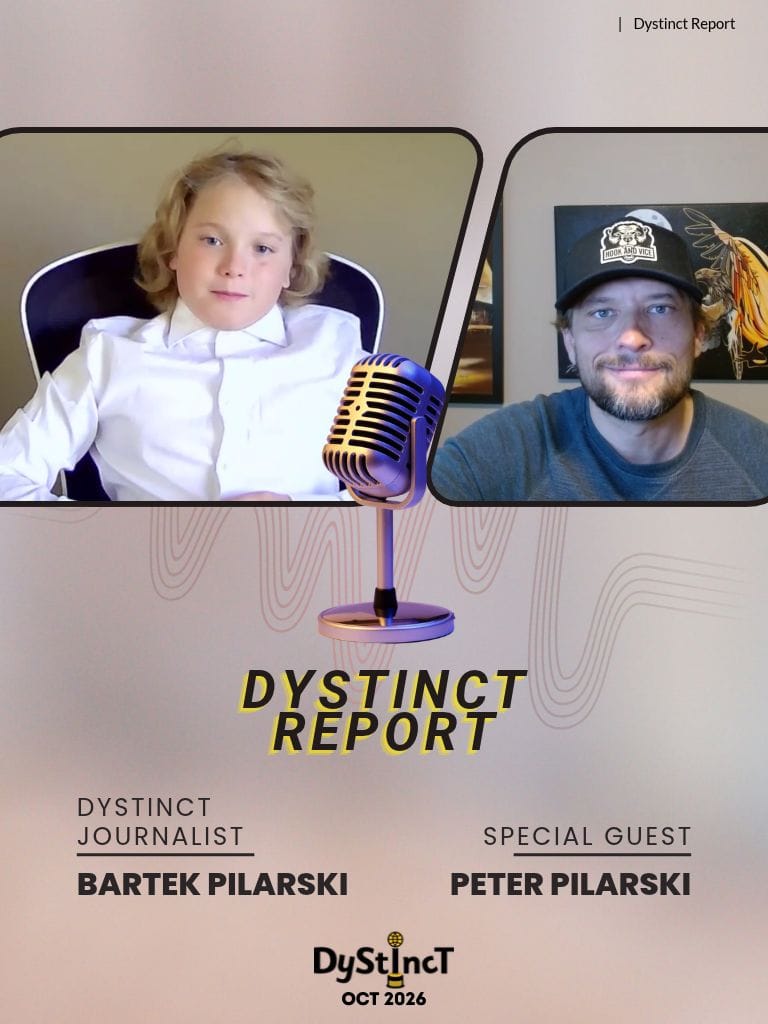
Peter Pilarski is an entrepreneur and communications professional who discovered he was dyslexic after his son, Bartek, was diagnosed. Reflecting on his own struggles at school, Peter now recognises the role that creativity and big-picture thinking have played throughout his life and career.
Peter runs a marketing and communications agency with his wife, Christina, alongside Tourism AI Network, which helps the tourism industry learn to use AI. Drawing on his personal experience, he encourages neurodivergent individuals to pursue their strengths and speaks about the difference that early identification, understanding and support can make.
Questions and Answers
Questions and Answers
BARTEK: How did you handle dyslexia when you were a kid?
PETER: I didn’t know I was dyslexic when I was a kid. I remember not being able to read and struggling in school. It was hard, but I was also having lots of fun doing gymnastics, dancing and being a kid. I have more memories of those things than of my struggles at school.
It was only when you were diagnosed, Bartek, that I learned I was dyslexic. That’s when I started to think back about the challenges I’d had and how difficult school had been.
BARTEK: Who or what helped you the most through school?
PETER: I passed all my high school classes except English because I was really struggling with writing. I had to spend extra time finishing it.
I got lucky because I met April, who was my girlfriend for a while and was doing her master’s in English. She drew me a picture on a piece of paper showing what an argument looks like: a key point, supporting points, another key point and supporting points. She showed it to me in a different way from how anybody had taught me before. It was like a light turned on. I understood. I passed English, got into university and did very well there. Later, I became a speechwriter at the Alberta legislature and spent most of my career as a professional communicator. That one thing helped it make sense to me, and I was on the right path. I was about 19.
She showed it to me in a different way from how anybody had taught me before. It was like a light turned on.
BARTEK: How do you think dyslexia and neurodivergence help you in life now?
PETER: I think being neurodivergent is a superpower, especially in what I call the AI era. Having a big imagination, understanding how things come together and seeing how all the pieces fit are things I consider strengths.
For me, it’s exciting because I can spend more time thinking about ideas, which I’m good at, and less time on spelling, writing and making things look nice, which I’m not as good at. AI helps me with those things.
Having a big imagination, understanding how things come together and seeing how all the pieces fit are things I consider strengths.
BARTEK: What is your job, and how has thinking about the bigger picture helped you?
PETER: I run a marketing and communications agency with Christina, my wife and your mum. We also run Tourism AI Network, which helps the tourism industry learn how to use AI. My ability to think about the big picture and understand how different parts fit together has helped me throughout my career.
When I learned I was dyslexic a few years ago, I realised I didn’t have to spend so much time doing things I wasn’t good at. I run a business, and I’m lucky to have that choice. We all have to do some things we find difficult, but if we can spend more time doing what we’re good at, I call that being in your “zone of genius”. For me, that’s my creative, big-picture zone.
My message to other neurodivergent people is to pursue your creativity and your strengths. Try to find a way to spend as much time as possible doing things you’re good at, while understanding that there will always be other things we have to work through.
BARTEK: Are you good at building things?
PETER: I don’t build Lego, but I build my companies and my plans. In that sense, so much of what I do is building. I’m good at understanding how the pieces come together and having a vision for what I’m building. But I’m not as good at following through on all the small details with accuracy. I’ve been able to build a team around me who are good at those details. AI helps me too. That allows me to focus on the ideas, think through different scenarios and work towards making something successful.
Knowing and understanding is power. I think early diagnosis and early support are key.
BARTEK: If you could change anything about your life, what would it be?
PETER: I wish I’d received an early diagnosis of dyslexia and had the opportunity to get support, tools and extra time. Looking at my life and yours, Bartek, I think those things would have made a difference. Not knowing I had dyslexia affected my confidence when I was young. I had lots of confidence in sports and other things I did, but when it came to school, I had none. Knowing and understanding is power. I think early diagnosis and early support are key.
BARTEK: How did you stay confident in other parts of your life?
PETER: I’m an optimistic person, and I mostly focused on the things I was good at and enjoyed doing. Those are the things I remembered.
There were difficult experiences that I probably buried or hid away. I didn’t really start to understand them until a few years ago, when I learned about my dyslexia through your diagnosis.
BARTEK: Do you have any questions for me?
PETER: Yes
PETER: With me being your dad and both of us being dyslexic, what has that experience been like for you?
BARTEK: I think it’s a superpower to have dyslexia, and I don’t let it bring me down. I’ve had a few kids say it’s bad.
PETER: They might be looking at it differently from you. You’re optimistic, like me.
BARTEK: Yeah.
PETER: Is there anything about your support at school that you’d like to change?
BARTEK: I’d like not to have to leave class for learning support. It’s not my favourite thing to do, and I don’t really feel it’s helping. I’d still want to do things to help, but I’d rather do them outside school hours.
Last year and this year, I’ve had to leave in the middle of a writing activity. Then everybody else has their work hung up on the wall, and I’m still finishing mine while they’re in music class.
I wish I could work on it another way, which is what I’m going to do.
PETER: We’re getting a tutor so you can have some extra help after school.
Bartek Pilarski
Dystinct Journalist | Age 10 | Dyslexia | Calgary, Alberta, Canada
Bartek Pilarski
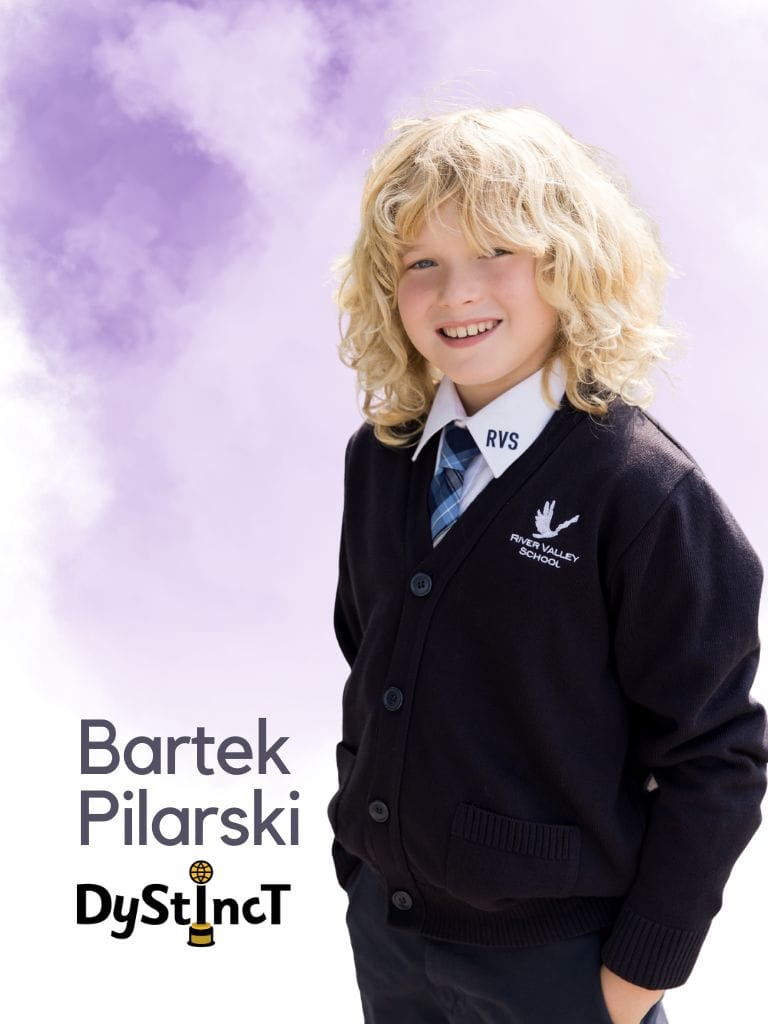
Bartek is a grade 5 student who has embraced his superpower - dyslexia!
He loves hiking in the beautiful Rocky Mountains with his mom, dad, twin brother, and two dogs. He plays on the defensive line of his local football team and loves the Kansas City Chiefs and Calgary Stampeders.
Bartek loves to perform and is in his school's Glee Club. He loves going to concerts, travelling and exploring new places.
His family considers him a visionary. He loves problem-solving, fixing things, and being creative. Bartek loves public speaking, especially when he gets to speak from the heart.
Buy Printed Copies of Dystinct Magazine
Buy Printed Copies on Amazon
Select the Amazon Store based on your region
Extracts from Dystinct Magazine
Extracts from Dystinct Magazine