Issue 28: Dystinct Report – Bartek Pilarski’s Interview with Faye Theriault
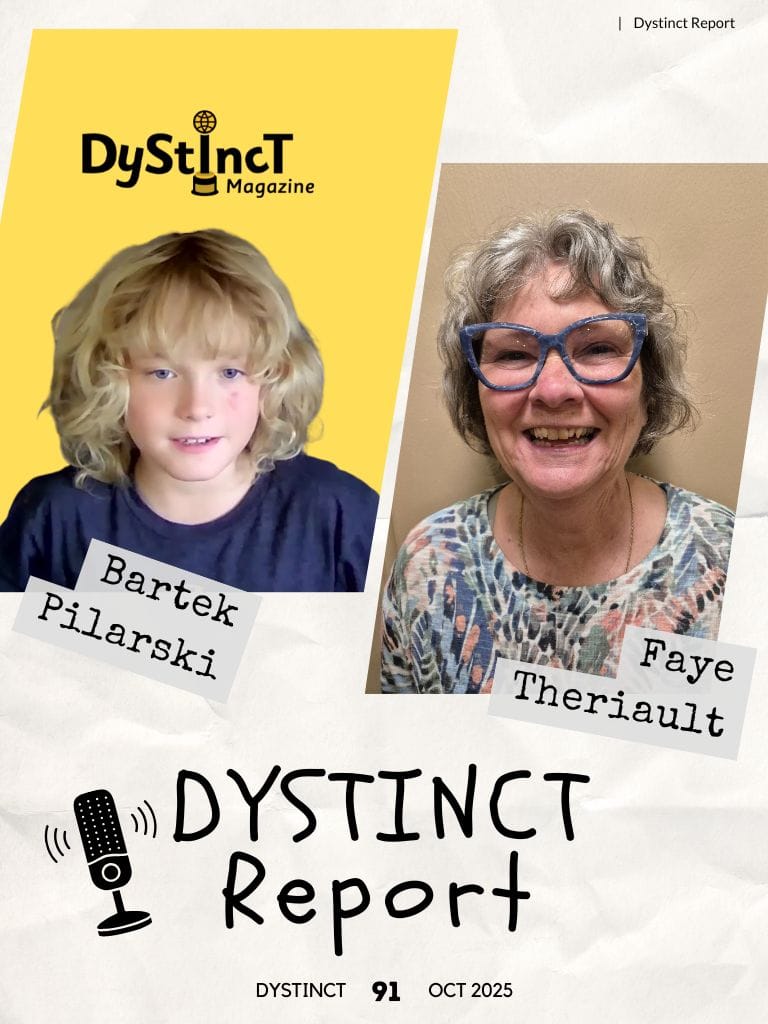
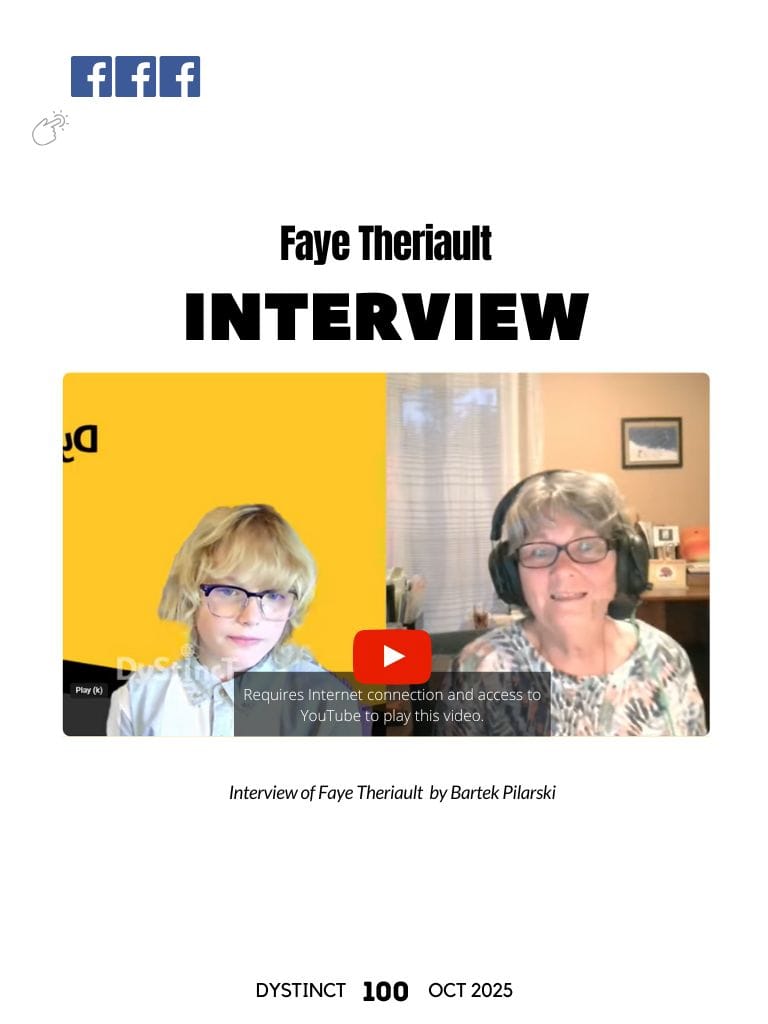
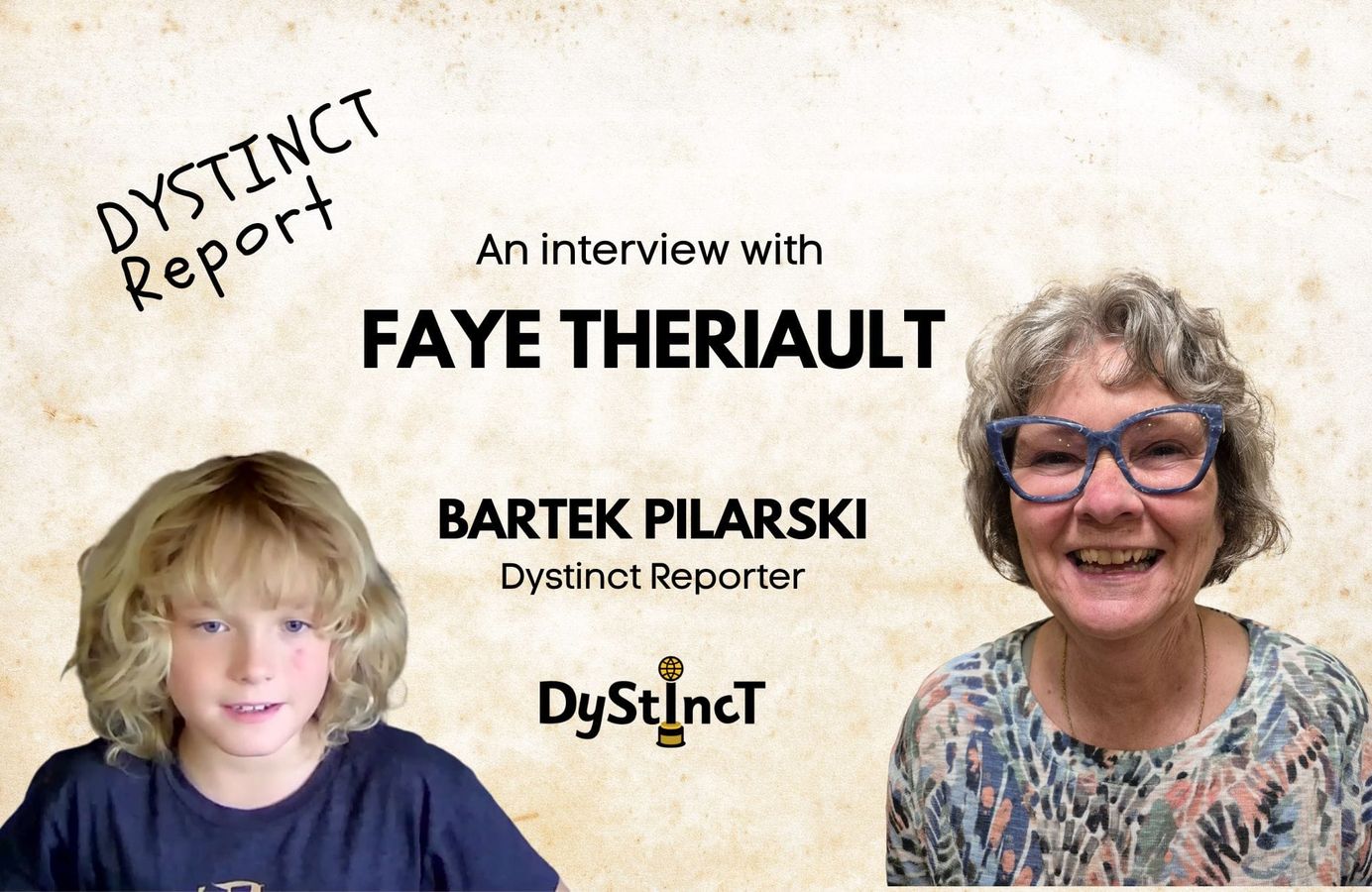
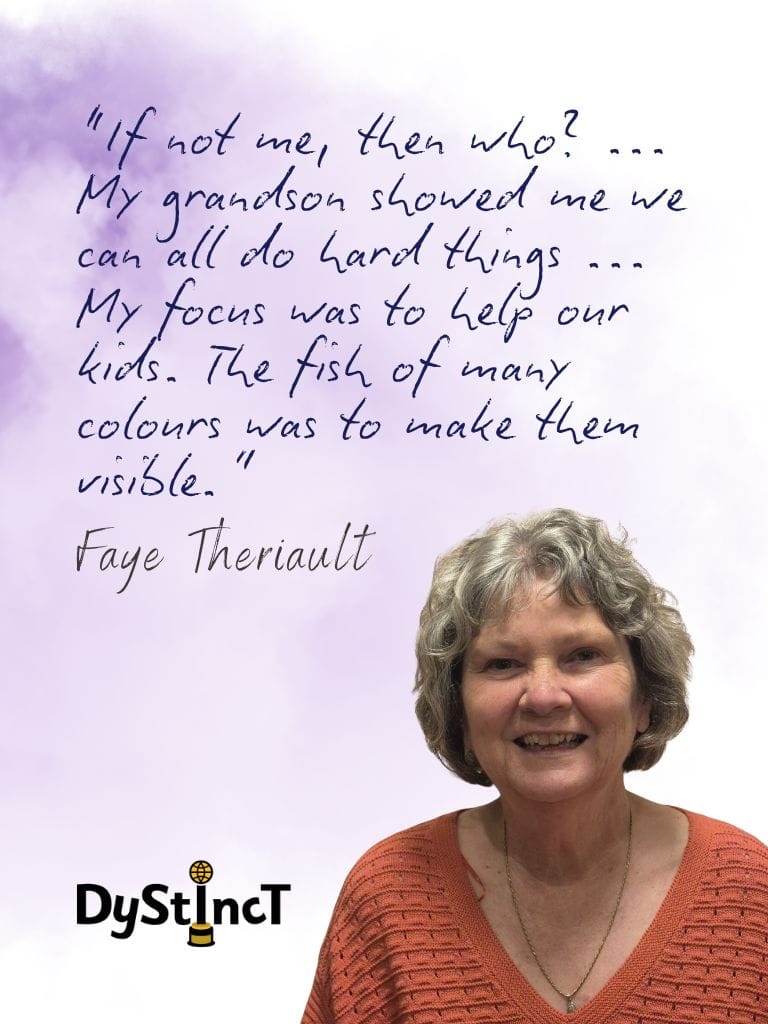
Young journalist Bartek Pilarski has a chat with dyslexia advocate Faye Theriault about her life, work and her School of Fish. Faye Theriault is a Dyslexia Advocate & founder of Canada's Science of Reading - What I Should have Learned in College
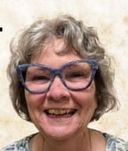

Table of Contents
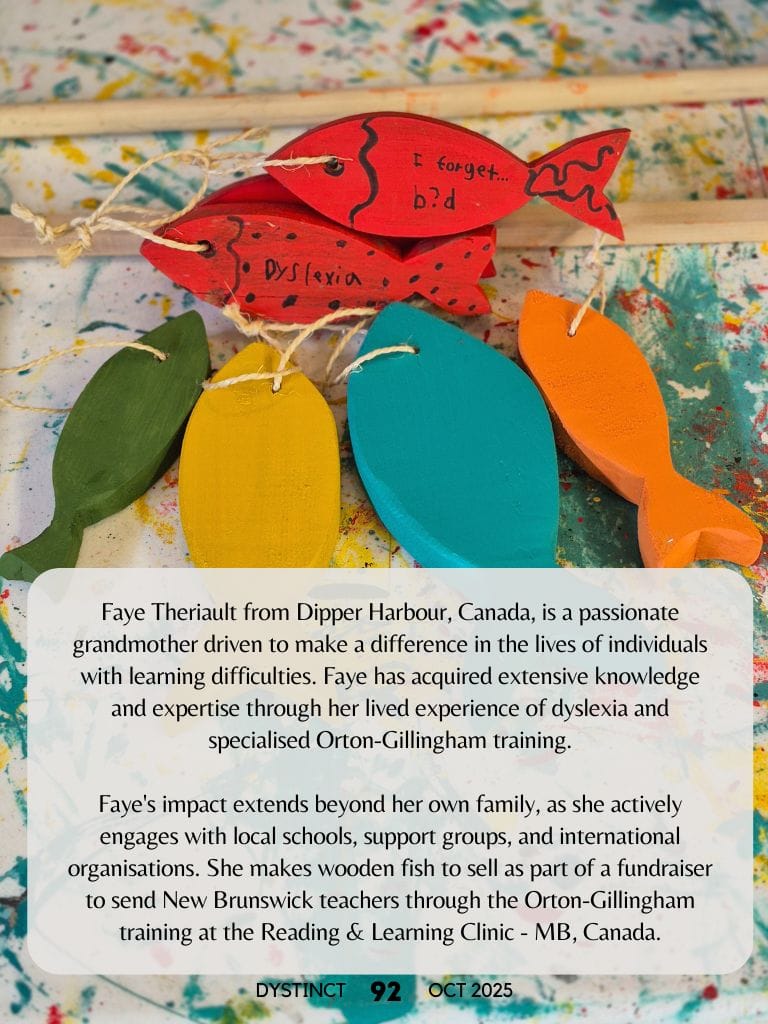
Faye's impact extends beyond her own family, as she actively engages with local schools, support groups, and international organisations. She makes wooden fish to sell as part of a fundraiser to send New Brunswick teachers through the Orton-Gillingham training at the Reading & Learning Clinic - MB, Canada.
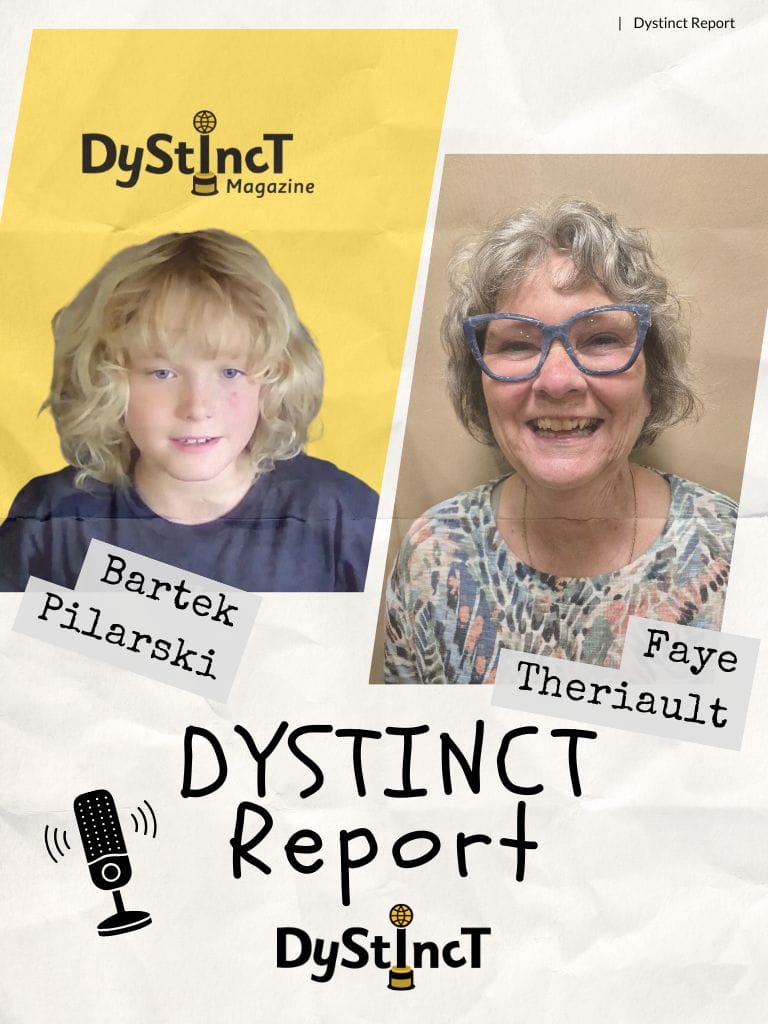
Dystinct reporter Bartek Pilarski has a chat with Faye about her life, work and her School of Fish.
The Interview
The Interview
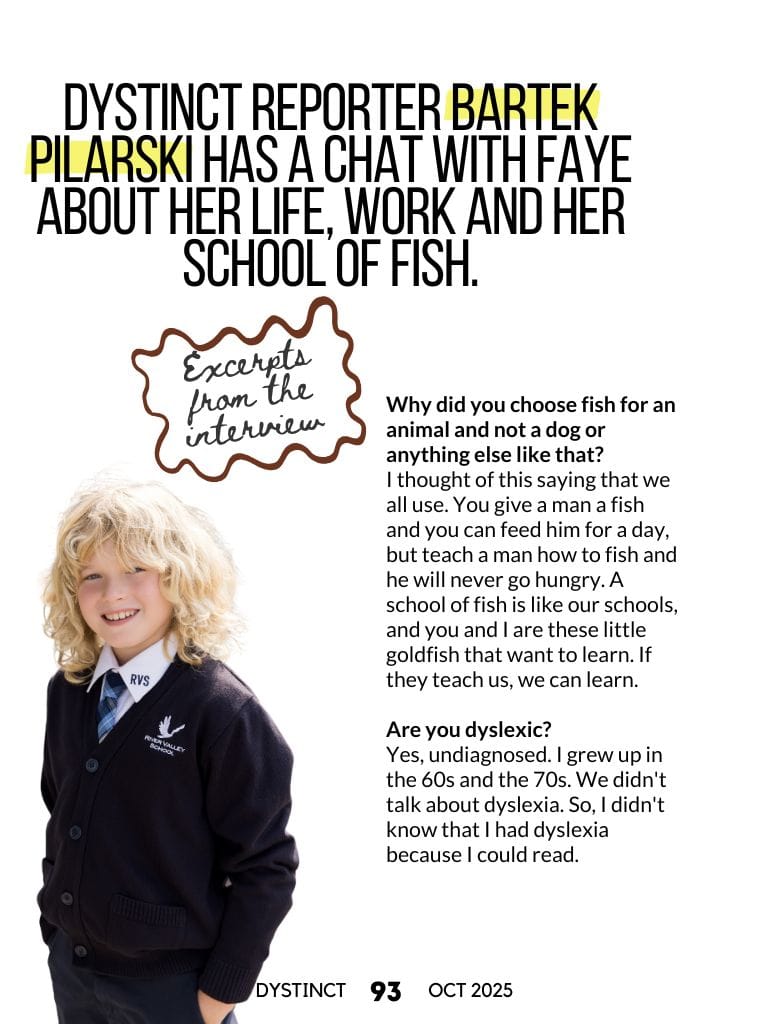
Dystinct reporter Bartek Pilarski has a chat with Faye about her life, work and her School of Fish.
Excerpts from the Interview
Excerpts from the Interview
Why did you choose fish for an animal and not a dog or anything else like that?
I thought of this saying that we all use. You give a man a fish and you can feed him for a day, but teach a man how to fish and he will never go hungry. A school of fish is like our schools, and you and I are these little goldfish that want to learn. If they teach us, we can learn.
Are you dyslexic?
Yes, undiagnosed. I grew up in the 60s and the 70s. We didn't talk about dyslexia. So, I didn't know that I had dyslexia because I could read.
How much money do you raise a year?
It's been three years now since we launched, and we've raised enough money to send 40 New Brunswick teachers back to school to learn Orton-Gillingham.
How old were you when you realised you had dyslexia?
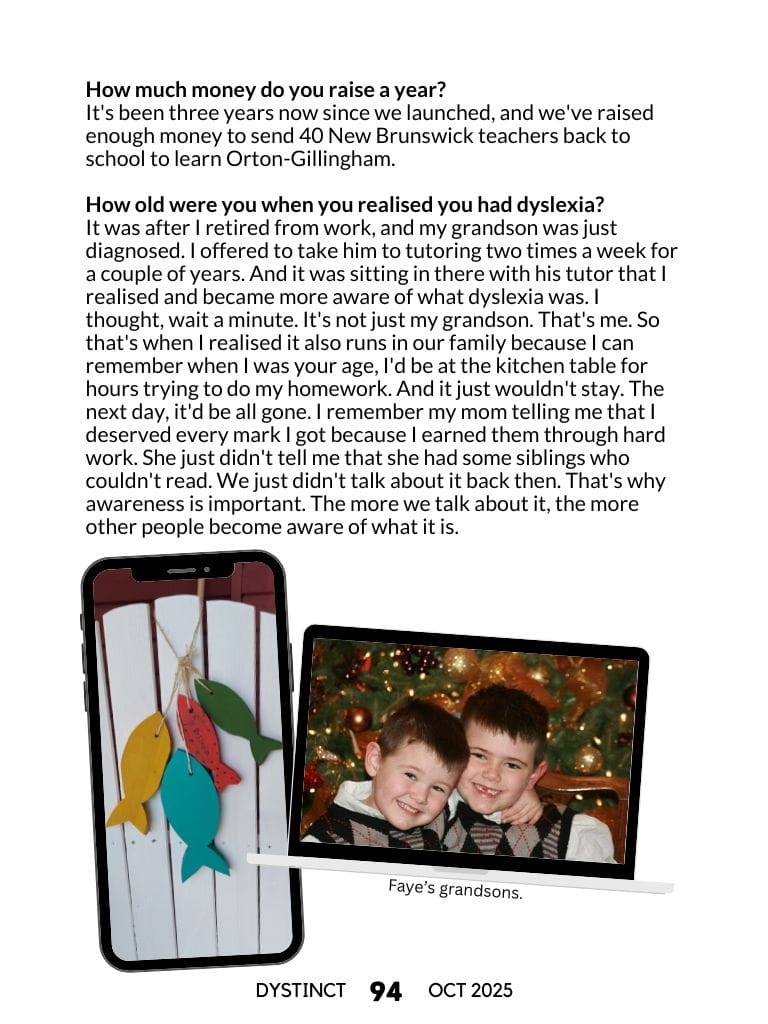
It was after I retired from work, and my grandson was just diagnosed. I offered to take him to tutoring two times a week for a couple of years. And it was sitting in there with his tutor that I realised and became more aware of what dyslexia was. I thought, wait a minute. It's not just my grandson. That's me. So that's when I realised it also runs in our family because I can remember when I was your age, I'd be at the kitchen table for hours trying to do my homework. And it just wouldn't stay. The next day, it'd be all gone. I remember my mom telling me that I deserved every mark I got because I earned them through hard work. She just didn't tell me that she had some siblings who couldn't read. We just didn't talk about it back then. That's why awareness is important. The more we talk about it, the more other people become aware of what it is.
Let's talk about where you started in your business and how you grew.
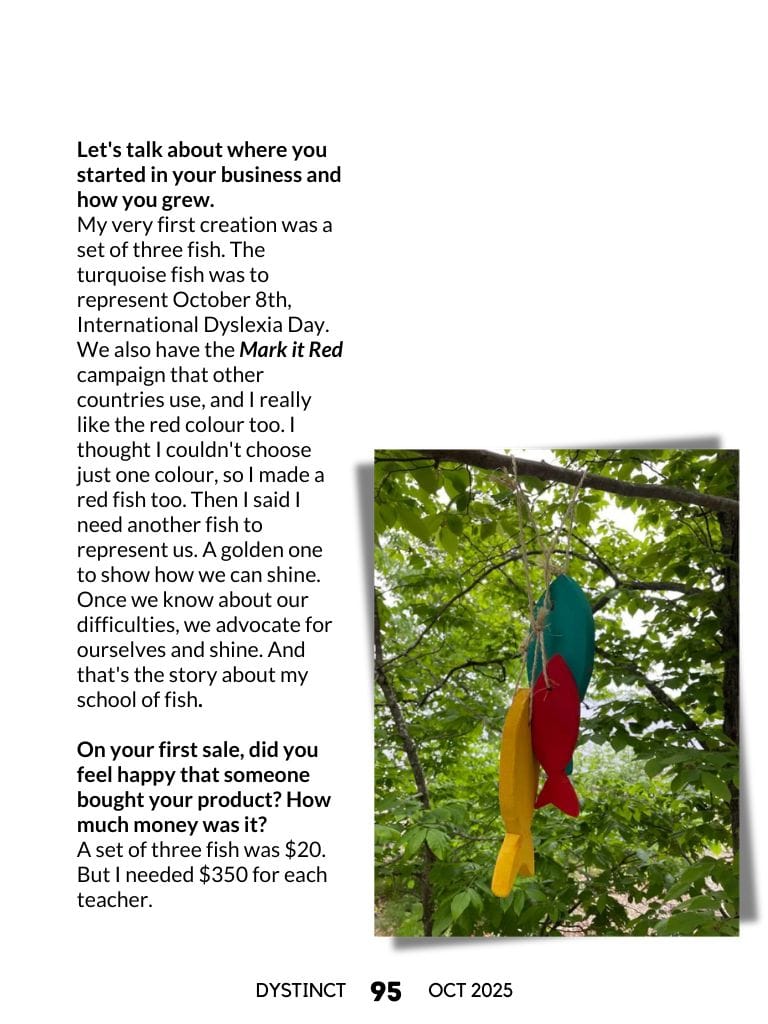
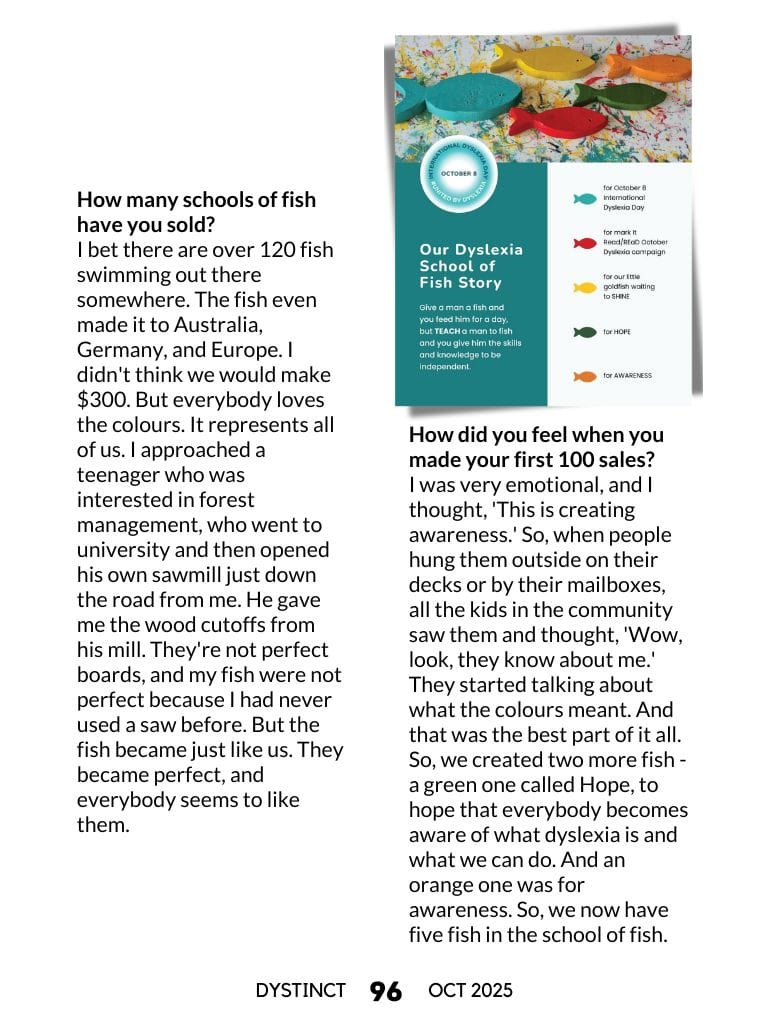
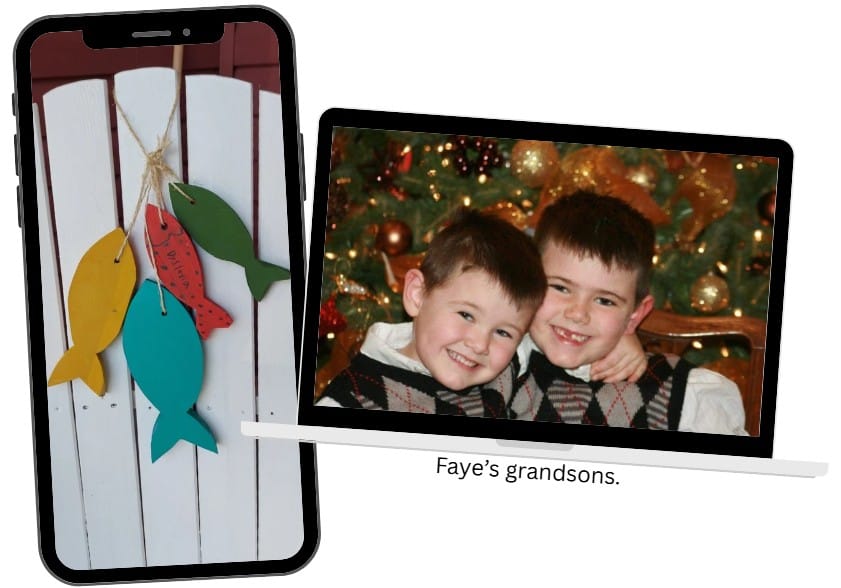
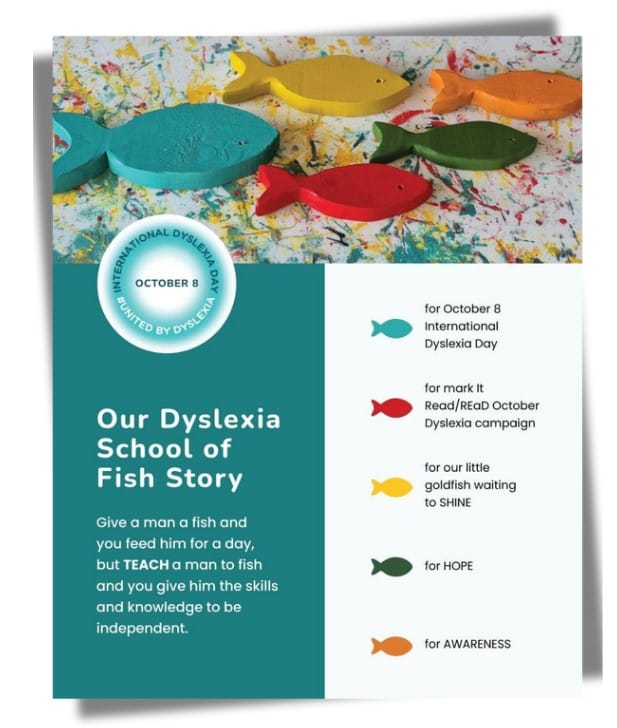
My very first creation was a set of three fish. The turquoise fish was to represent October 8th, International Dyslexia Day. We also have the Mark it Red campaign that other countries use, and I really like the red colour too. I thought I couldn't choose just one colour, so I made a red fish too. Then I said I need another fish to represent us. A golden one to show how we can shine. Once we know about our difficulties, we advocate for ourselves and shine. And that's the story about my school of fish.
On your first sale, did you feel happy that someone bought your product? How much money was it?
A set of three fish was $20. But I needed $350 for each teacher.
How many schools of fish have you sold?
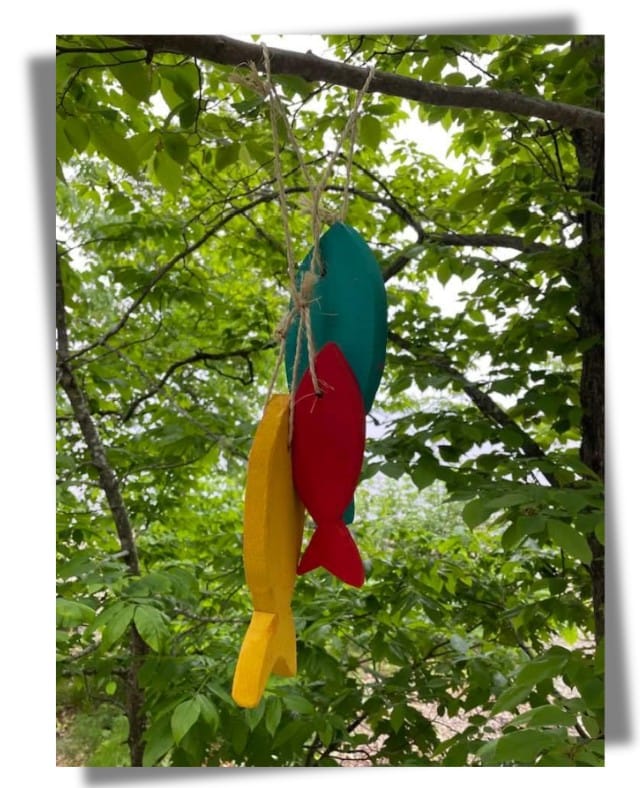
I bet there are over 120 fish swimming out there somewhere. The fish even made it to Australia, Germany, and Europe. I didn't think we would make $300. But everybody loves the colours. It represents all of us. I approached a teenager who was interested in forest management, who went to university and then opened his own sawmill just down the road from me. He gave me the wood cutoffs from his mill. They're not perfect boards, and my fish were not perfect because I had never used a saw before. But the fish became just like us. They became perfect, and everybody seems to like them.
How did you feel when you made your first 100 sales?
I was very emotional, and I thought, 'This is creating awareness.' So, when people hung them outside on their decks or by their mailboxes, all the kids in the community saw them and thought, 'Wow, look, they know about me.' They started talking about what the colours meant. And that was the best part of it all. So, we created two more fish - a green one called Hope, to hope that everybody becomes aware of what dyslexia is and what we can do. And an orange one was for awareness. So, we now have five fish in the school of fish.
You created all of them using a saw?
Yes, I did, and I'd never used one before.
So, you went from somebody who's never used barely any mechanical tools to someone who's now raised thousands of dollars on stuff that you used with mechanical tools.
Yes, I did. And it just shows you, you never know what you can do until you try it. You've got to take that first step. The fish are not perfect. Not every one of them is done really well. But I didn't strive to make it perfect. I just had a thought that maybe we could create awareness and encourage all our kids. I now tutor kids with dyslexia. I have taught 11 kids how to read. Some of my students and neighbourhood kids help me paint the fish sometimes.
Did you have any fails before you sold?
I had lots. But we always learn and try again. I couldn't decide on the colours. I had a really hard time finding just the right colours. So that's where I came up with the turquoise for our International Dyslexia Day, which is on October 8th, and the red for the Mark it Red campaign, which raises awareness of dyslexia across Canada. After we get over the feeling of not being smart enough, we do something like this, and we think, 'Well, I can do this. I can do hard things.' With these fish, we created awareness. Now, everybody in our community knows what dyslexia is. And that's the most amazing part.
That comes to show it's not bad to be diagnosed with dyslexia, right?
No, it isn't. It's such a relief when you do get a diagnosis, because you know what dyslexia is and you can tell others. I love that we have a whole month that's for us. And I love that there's one special day that's just for us.
Do you think that dyslexic people can do more than regular people?
Well, I have to be careful there because I have quite a few grandchildren, and if I said, 'I like that one better,' or 'I like that one better,' they tell me pretty quick. So, I think dyslexia makes us not afraid to try things because if we fail, we do that a lot anyway, we just get back up and try it a different way.
Have you thought about creating something about different animals?
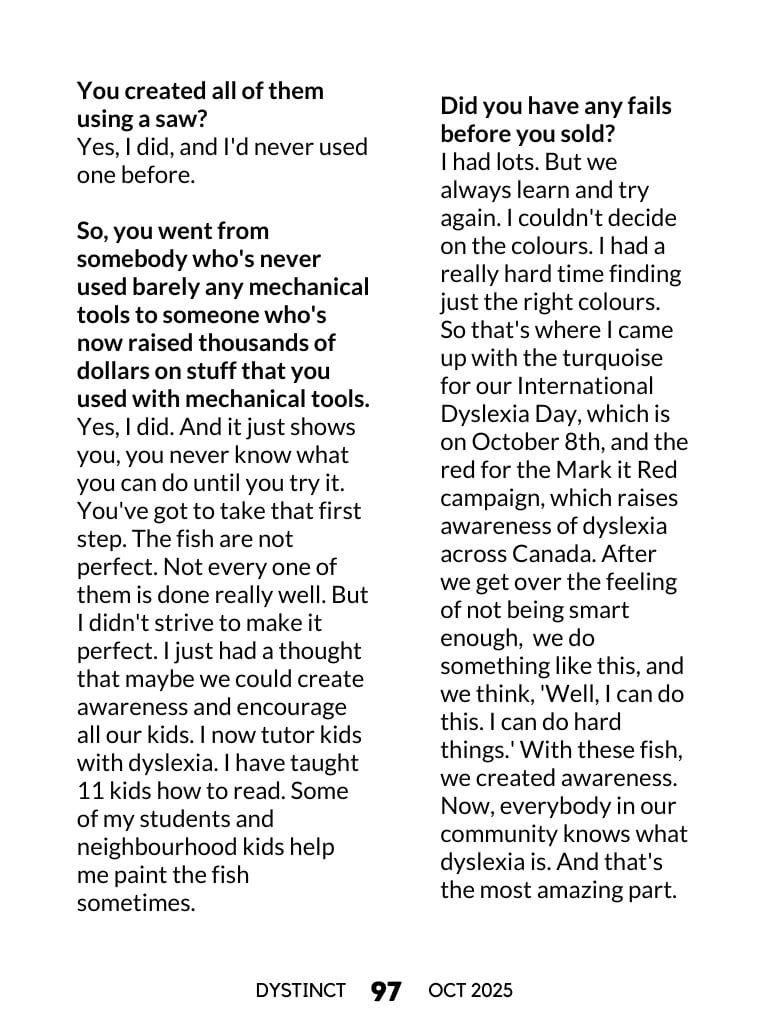
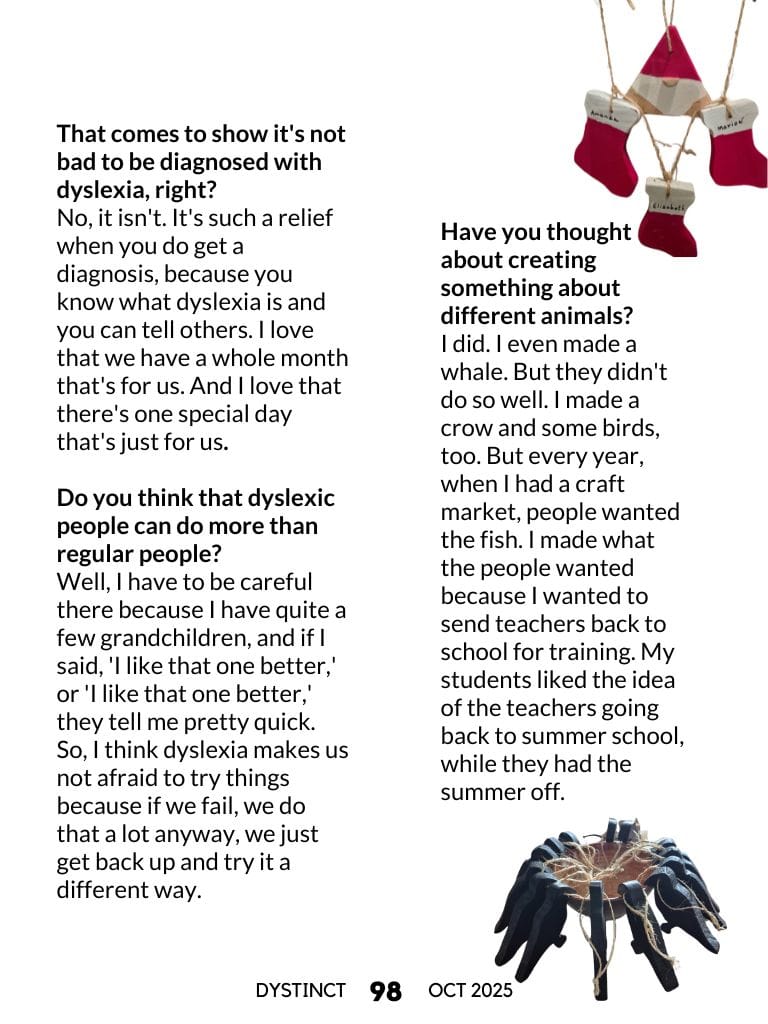
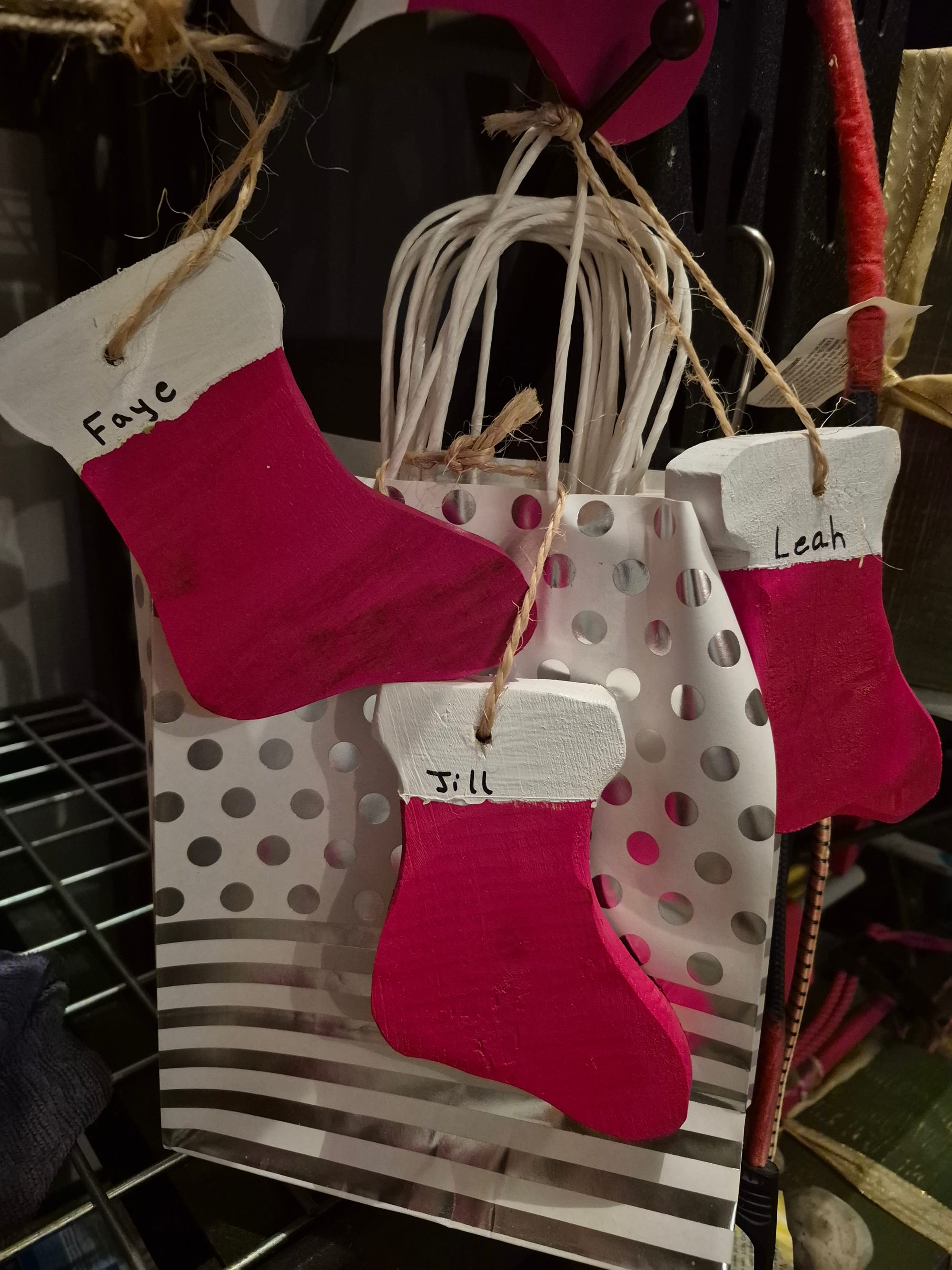
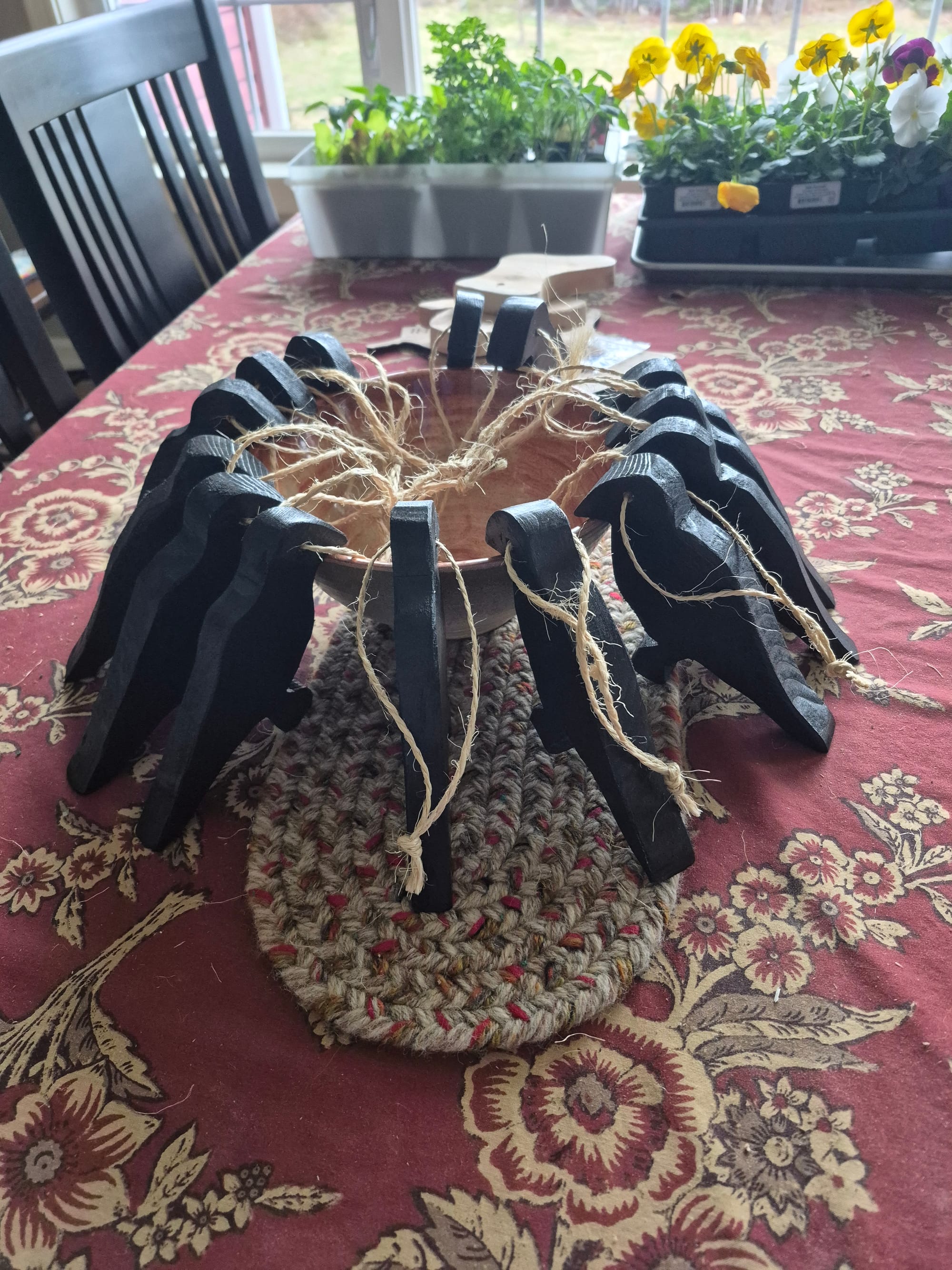
I did. I even made a whale. But they didn't do so well. I made a crow and some birds, too. But every year, when I had a craft market, people wanted the fish. I made what the people wanted because I wanted to send teachers back to school for training. My students liked the idea of the teachers going back to summer school, while they had the summer off.
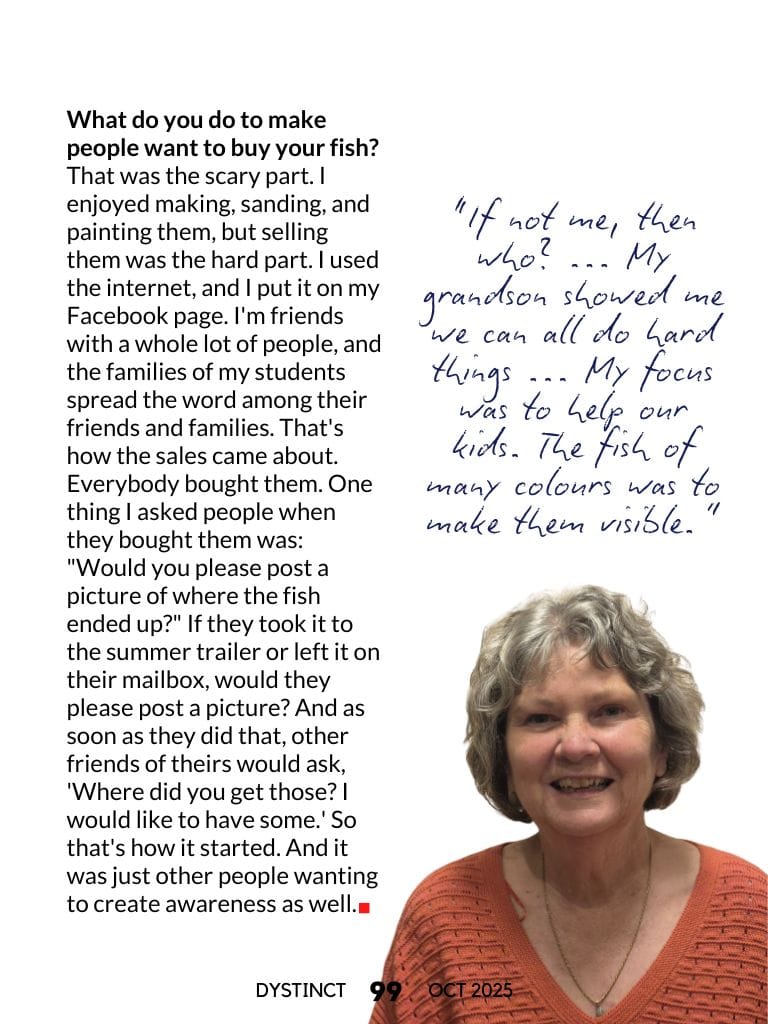
What do you do to make people want to buy your fish?
That was the scary part. I enjoyed making, sanding, and painting them, but selling them was the hard part. I used the internet, and I put it on my Facebook page. I'm friends with a whole lot of people, and the families of my students spread the word among their friends and families. That's how the sales came about. Everybody bought them. One thing I asked people when they bought them was: "Would you please post a picture of where the fish ended up?" If they took it to the summer trailer or left it on their mailbox, would they please post a picture? And as soon as they did that, other friends of theirs would ask, 'Where did you get those? I would like to have some.' So that's how it started. And it was just other people wanting to create awareness as well.
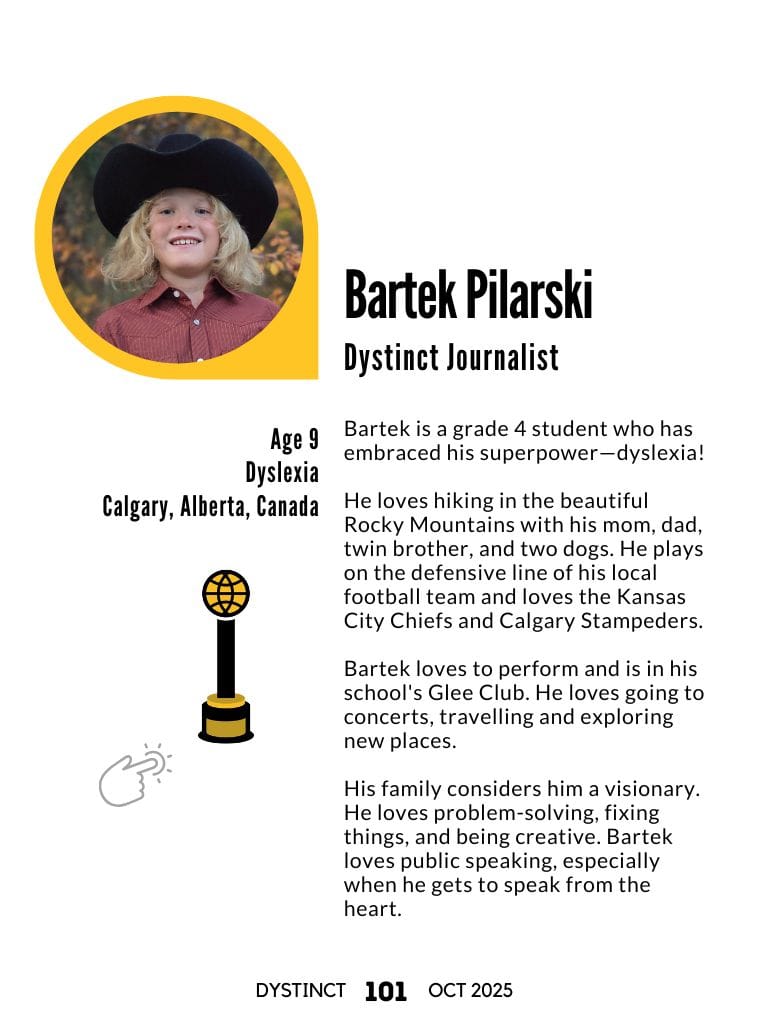
Bartek Pilarski
Dystinct Journalist | Age 9 | Dyslexia | Calgary, Alberta, Canada
Bartek Pilarski
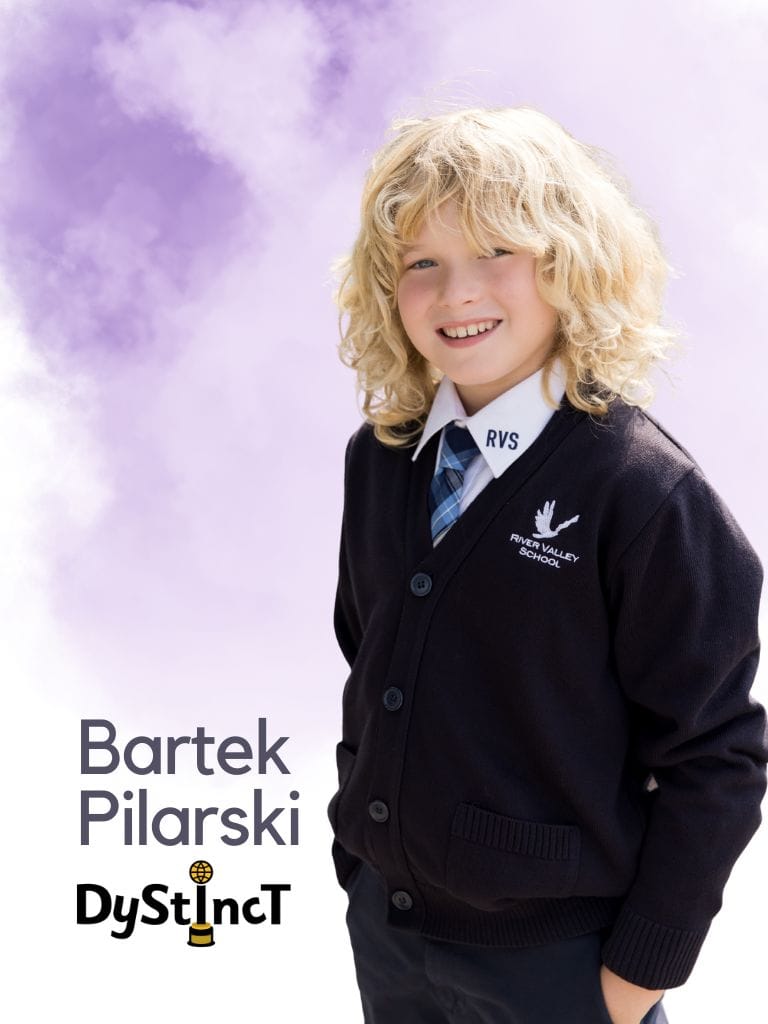
Bartek is a grade 4 student who has embraced his superpower - dyslexia!
He loves hiking in the beautiful Rocky Mountains with his mom, dad, twin brother, and two dogs. He plays on the defensive line of his local football team and loves the Kansas City Chiefs and Calgary Stampeders.
Bartek loves to perform and is in his school's Glee Club. He loves going to concerts, travelling and exploring new places.
His family considers him a visionary. He loves problem-solving, fixing things, and being creative. Bartek loves public speaking, especially when he gets to speak from the heart.
Extracts from Dystinct Magazine
Extracts from Dystinct Magazine