Issue 27: Dyslexia Miss-Understood | London Shockley
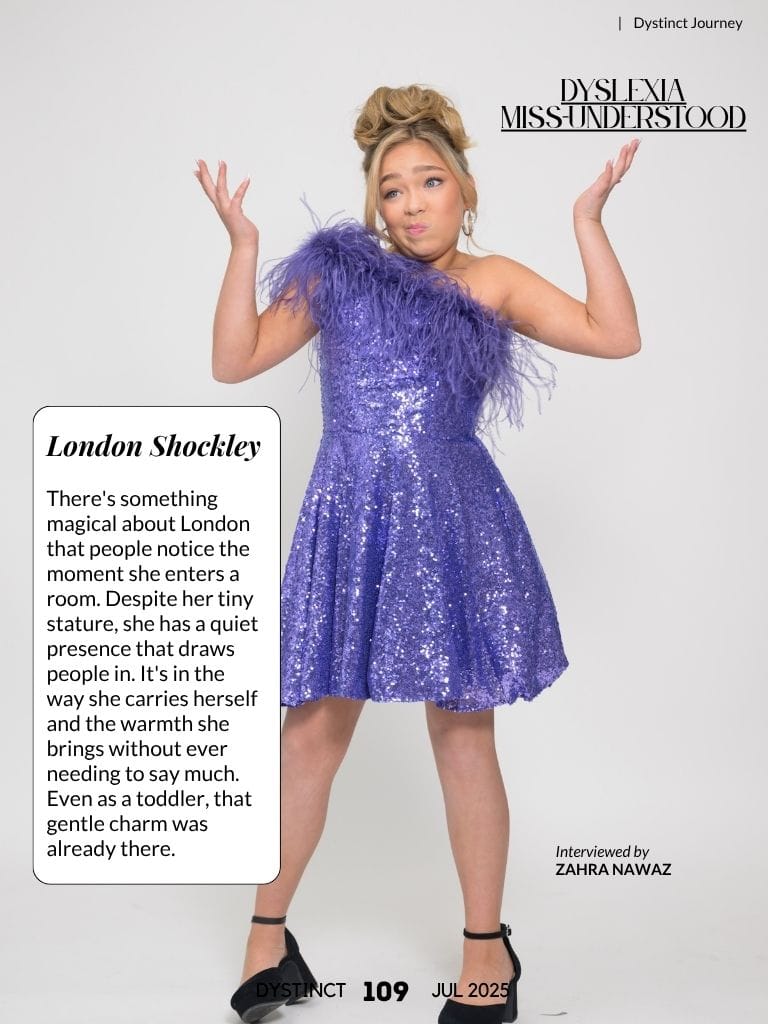
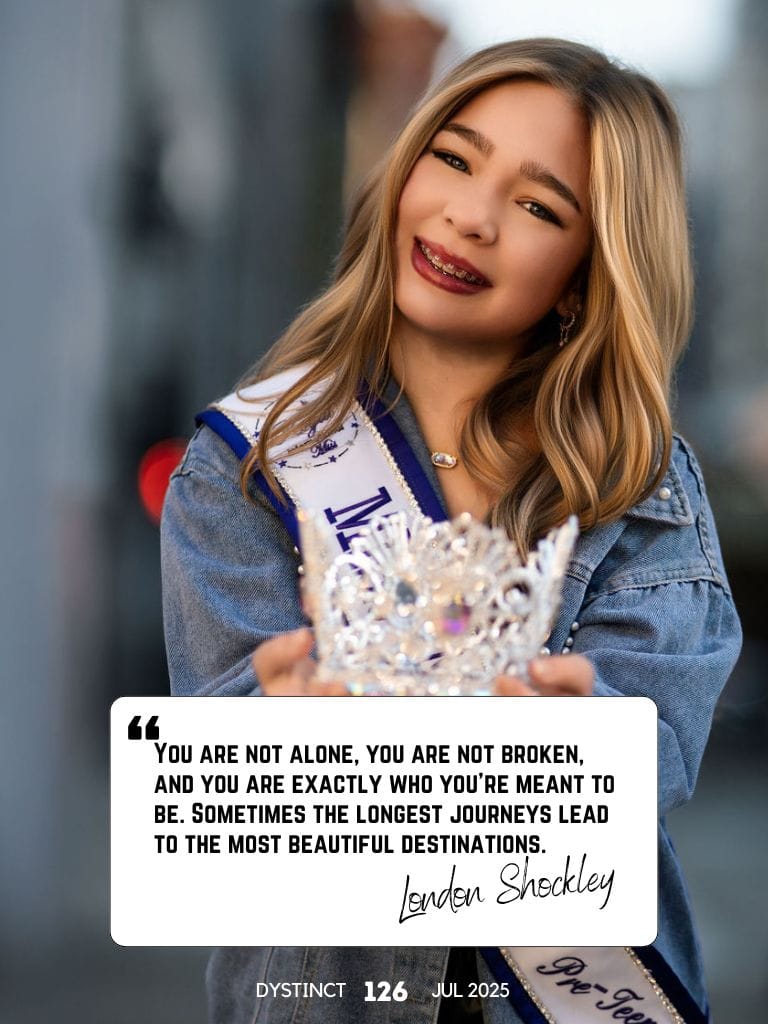
London Shockley channels her journey with dyslexia into pageantry and advocacy, using her voice, platform, and community work to raise awareness, inspire others, and ensure no child feels alone, misunderstood, or unseen in their learning journey.



Table of Contents
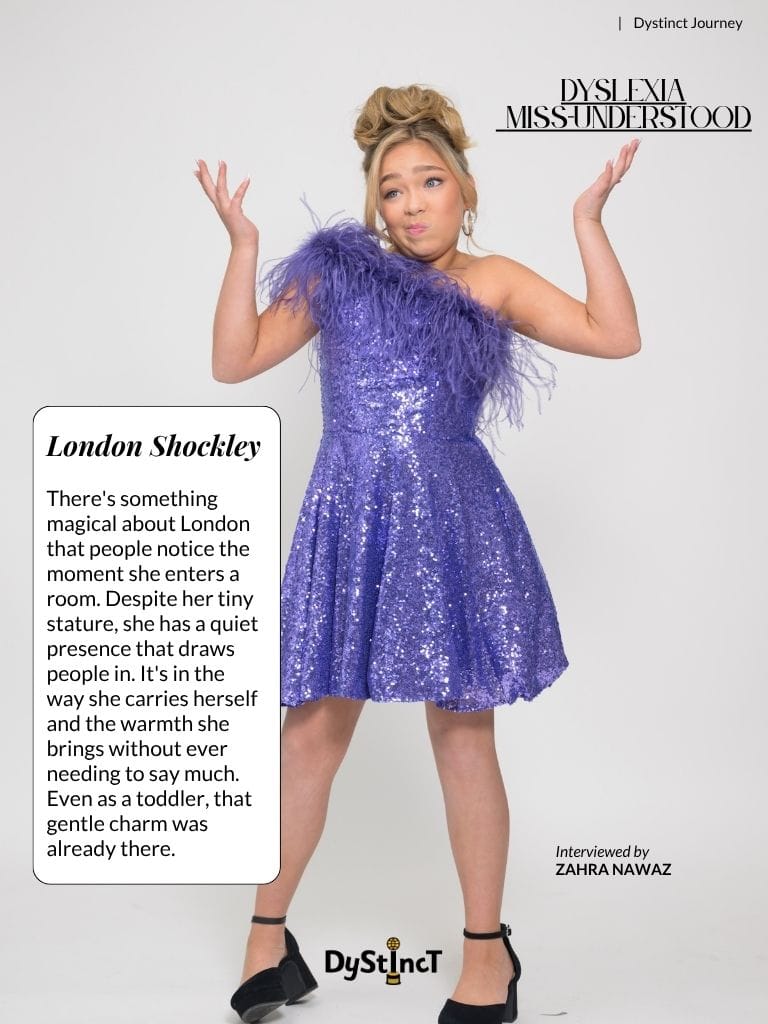
She had this extraordinary ability to connect with people.
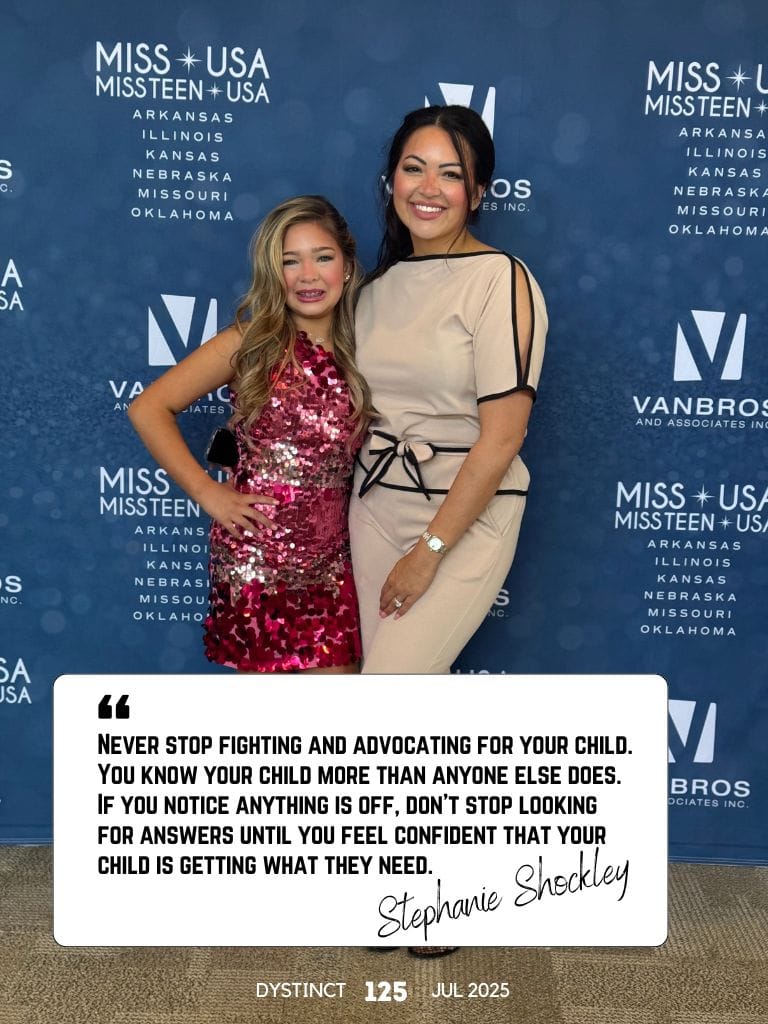
Her mum, Stephanie Shockley, recalls that when London was a toddler, she would sit perched in the shopping cart during grocery trips, waving and smiling at everyone who passed by. It only took a quick grin and a little wave before people were laughing. "She had this extraordinary ability to connect with people," Stephanie shares. "She could transform someone's day with just a look."
As a preschooler, London hit all her milestones right on time. She walked and talked early, always seeming eager to explore the world around her. Her mum remembers how tiny she was. She was so small that baby doll clothes fit her, and she absolutely loved dressing up in them.
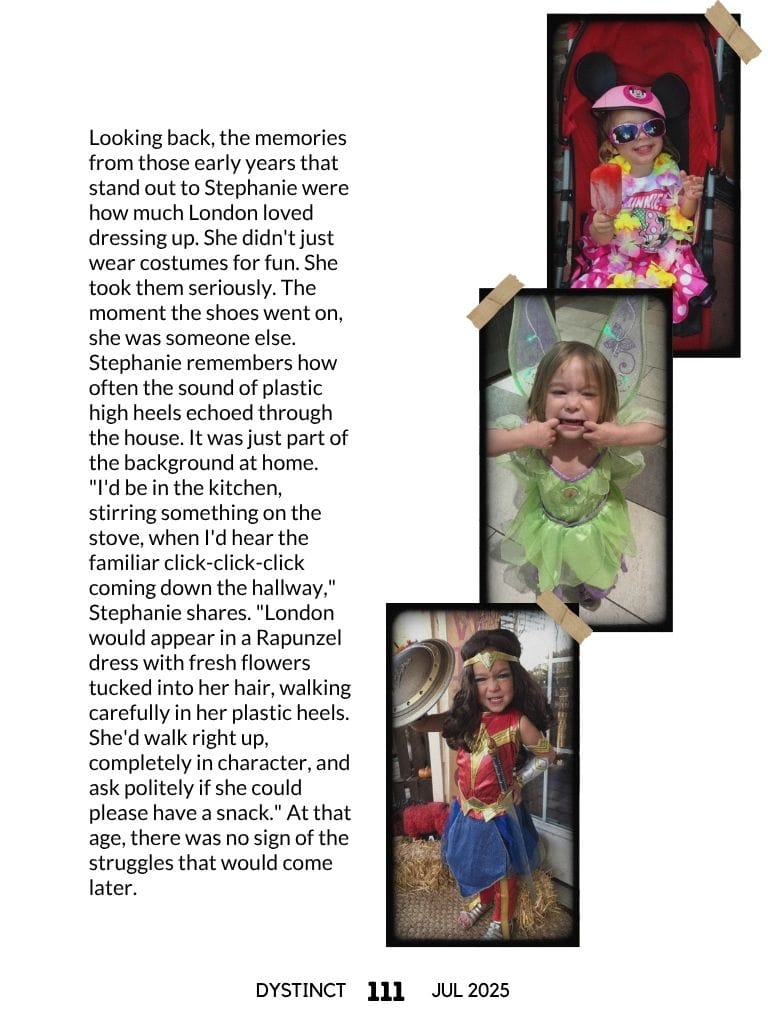
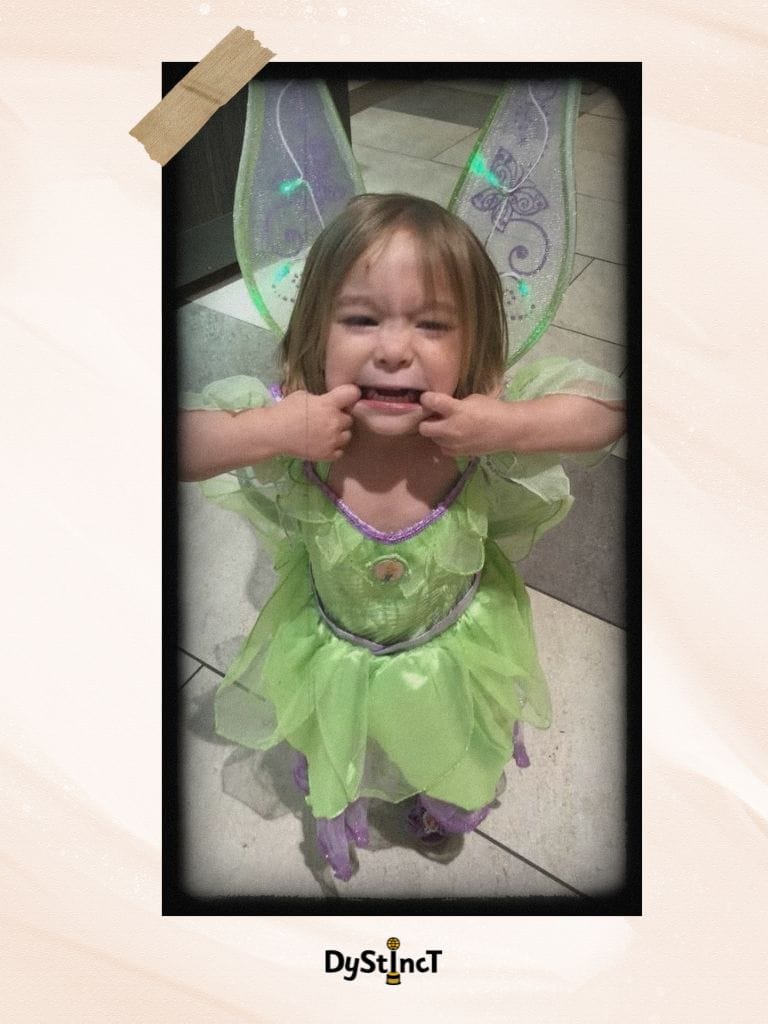
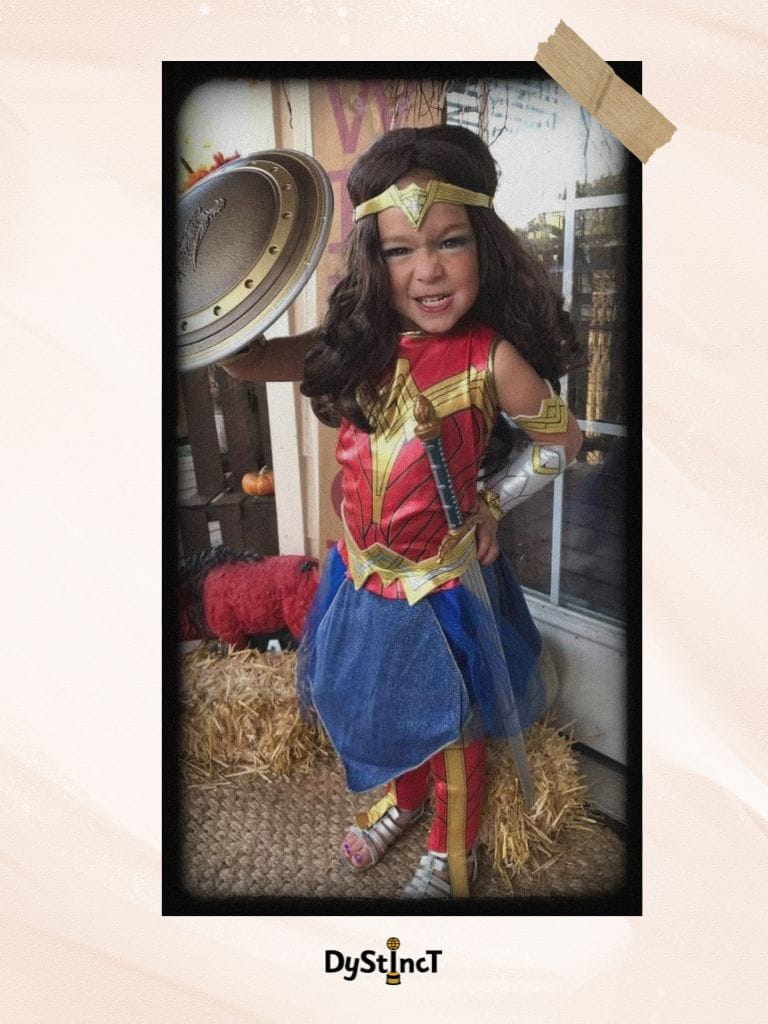
Looking back, the memories from those early years that stand out to Stephanie were how much London loved dressing up. She didn't just wear costumes for fun. She took them seriously. The moment the shoes went on, she was someone else. Stephanie remembers how often the sound of plastic high heels echoed through the house. It was just part of the background at home. "I'd be in the kitchen, stirring something on the stove, when I'd hear the familiar click-click-click coming down the hallway," Stephanie shares. "London would appear in a Rapunzel dress with fresh flowers tucked into her hair, walking carefully in her plastic heels. She'd walk right up, completely in character, and ask politely if she could please have a snack." At that age, there was no sign of the struggles that would come later.

The phone call came in second grade. Stephanie was asked to come in for a meeting about London. She walked into the school conference room expecting a routine parent-teacher conversation, but instead found herself facing what felt like a small army of staff with a stack of paperwork and a decision already made.
"They told me they'd done lots of testing because she was behind all the other kids in her class," Stephanie shares. "Hearing evaluations, vision screenings, reading assessments. They had checked everything they could think of." But when she asked what they had found, the principal gave a response that stopped her cold: "We're not really sure what's wrong with her, so we're going to put her in a special education class if that's okay."
This wasn't a child who was wrong. This was a child who was simply learning differently.
The words, 'What's wrong with her? ' landed hard. Stephanie couldn't make sense of what she was hearing. London was bright and imaginative, a child who spent her days gliding through the house in princess gowns and lighting up every room she entered. "This wasn't a child who was wrong," Stephanie says. "This was a child who was simply learning differently." How could such a dramatic decision be made without understanding the reason behind London's struggles? Stephanie refused to sign the paperwork and made a difficult decision. They would leave the school.
Switching schools meant London had to repeat second grade. The new school wouldn't allow her to move on to third grade based on her test scores. It was a hard reset, but the pattern continued. London was still behind. Still struggling. And still, no one could explain why.
I couldn't understand why something that came so easily to other kids felt impossible for my bright, capable daughter.
Those years, Stephanie says, felt like being trapped in a loop of unanswered questions. "I was watching my joyful daughter move through a system that could measure her deficits but couldn't explain them. It could label her struggles, but it couldn't unlock her potential."
By third grade, the gap was growing. Evenings became a routine of tears and frustration at the dining room table, with Stephanie sitting beside London, trying to get through the homework she couldn't finish in class. "It was heartbreaking," she says. "Tears would fall on her worksheets. I couldn't understand why something that came so easily to other kids felt impossible for my bright, capable daughter."
During that time, they finally received one piece of the puzzle: a psychiatrist diagnosed London with ADHD. It was a start. "It felt like a small victory," Stephanie shares. "At least we had a name for part of what was going on."
Still, the struggle continued. In fifth grade, London attended tutoring twice a week just to keep up, but nothing seemed to stick. Stephanie describes that year as exhausting. "I was at my wits' end," she says. "We were working so hard and getting nowhere."
Eventually, she found a local doctor who offered broader testing. The results showed that London "barely qualified" as dyslexic. The words stung. It wasn't the clear answer she had hoped for, but it gave them something to follow.
Everything shifted in sixth grade when a new facility, the Nelms Dyslexia Centre, opened nearby. "I'd heard they were different," Stephanie says. "This was a place that understood the complexity of learning differences and took the time to truly see each child." She booked an evaluation and, for the first time, felt "genuine hope that we might finally get the answers London deserved."
The results were sobering. Despite having a strong vocabulary, London struggled with Rapid Automatized Naming. "Our sixth-grade girl was only reading at a second-grade level. London was mortified to hear the results," Stephanie says. "But for me, it was a moment of profound relief. After years of chasing shadows and partial answers, we finally had a complete picture of what she was facing."
What came next was even harder. London's private school had no real support in place. They penalised her for missing class to attend reading therapy, and it quickly became clear that the school environment was holding her back.
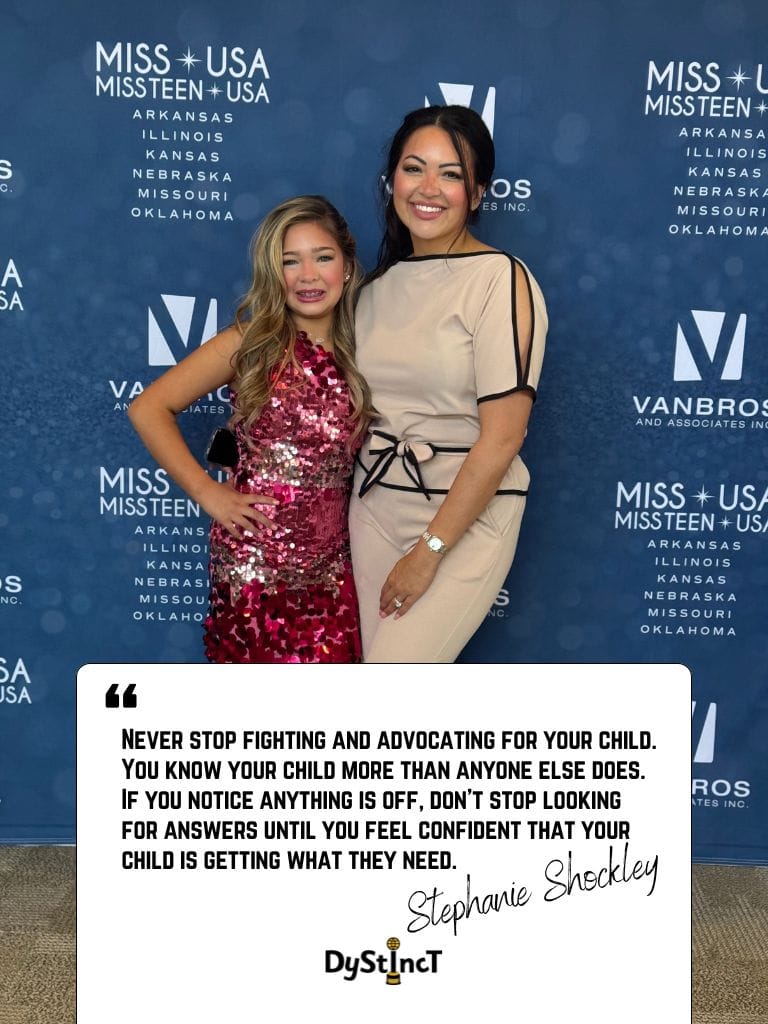
With London's diagnosis in hand, Stephanie began learning everything she could about dyslexia. "I threw myself into learning everything. The signs, the treatments, the strategies that could help," she shares. More importantly, she passed that knowledge on to London. "I was able to share it with her and teach her to understand her own mind and advocate for her needs."
She wasn't 'behind' or 'wrong.' She was dyslexic, and that came with its own set of challenges and strengths.
The change came quickly. "London's confidence shot up dramatically after receiving her diagnosis," Stephanie says. "All those years of struggle finally made sense. For the first time, she understood why things had always been harder for her. She wasn't 'behind' or 'wrong.' She was dyslexic, and that came with its own set of challenges and strengths." And with understanding came the power to move forward.
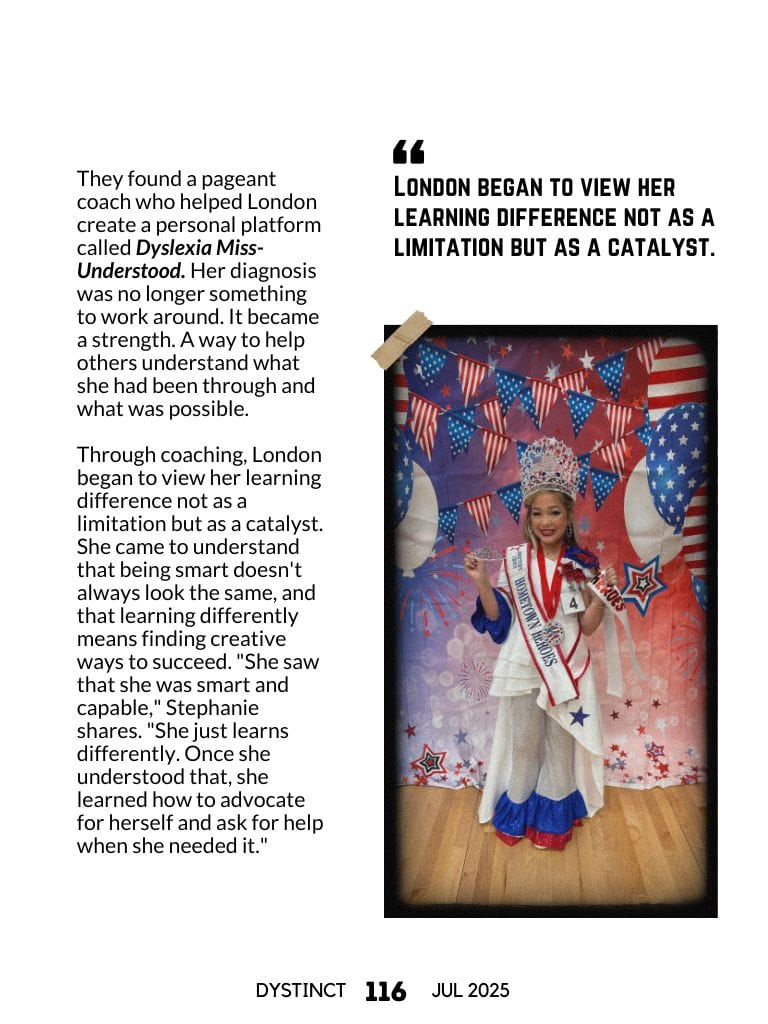
Not long after, something unexpected helped London step even more fully into her confidence. Stephanie and London were out dress shopping when someone casually mentioned that London would make a great pageant contestant. London seemed to love the idea, and they jumped in right away, turning what began as an offhand comment into something meaningful.
They found a pageant coach who helped London create a personal platform called Dyslexia Miss-Understood. Her diagnosis was no longer something to work around. It became a strength. A way to help others understand what she had been through and what was possible.
Through coaching, London began to view her learning difference not as a limitation but as a catalyst. She came to understand that being smart doesn't always look the same, and that learning differently means finding creative ways to succeed. "She saw that she was smart and capable," Stephanie shares. "She just learns differently. Once she understood that, she learned how to advocate for herself and ask for help when she needed it."
London began to view her learning difference not as a limitation but as a catalyst.
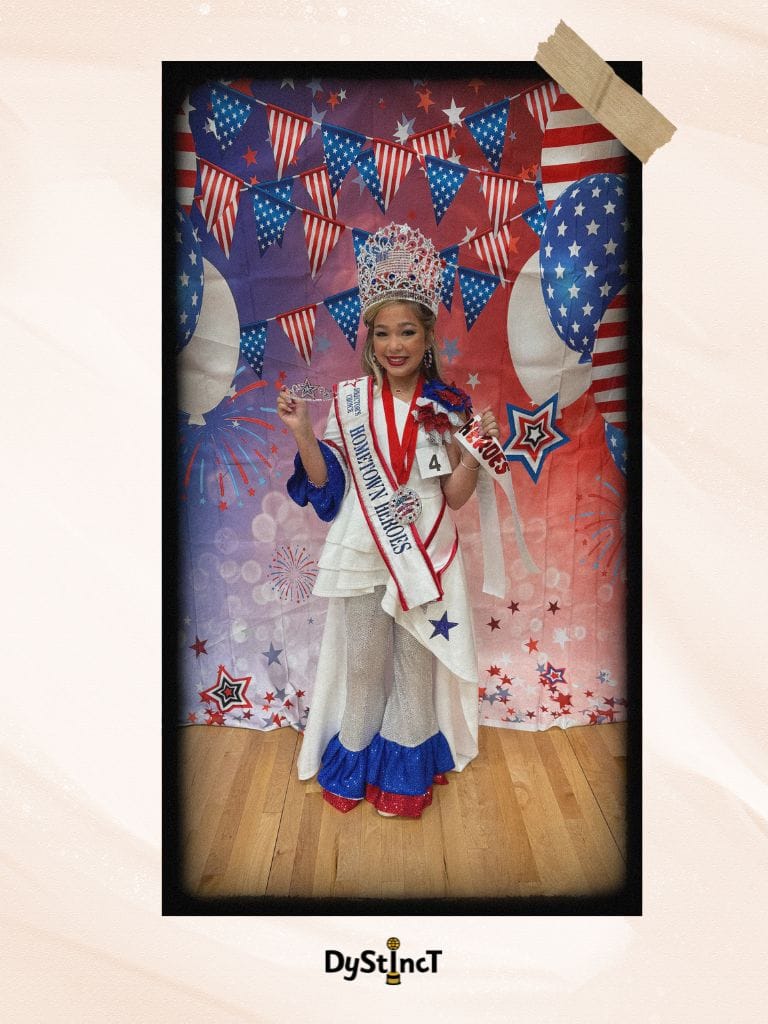
The pageant world opened up a space for London to grow creatively. She had always been artistic, but now she was exploring makeup and skincare, finding new ways to express herself and feel capable in her own skin. "She found her voice by embracing what made her different," Stephanie says. "And in doing that, she found her power."
When asked how pageants make her feel, London doesn't hesitate. "Pageants make me feel fancy and important." To London, feeling fancy and important wasn't about tiaras or trophies. It was about feeling seen.
The stage doesn't care how you process words. It cares about the joy you bring, the stories you tell, and the light you share with your audience.
London has always been a natural performer. She loves to entertain people on stage and bask in the spotlight, even though she sometimes finds public speaking nerve-wracking. It is a quiet contradiction. She thrives in the glow of stage lights but still wrestles with the spoken word. Stephanie says they have found ways to make it work. "We've learned to work with this paradox, using lots of practice and memorisation to help her achieve her dreams."
London's biggest dream is to work on Broadway and perform in musicals. It is a goal that perfectly captures London's spirit. She is creative, ambitious, and unafraid to reach for goals that challenge and inspire her. "She doesn't let her challenges hold her back," Stephanie says. "The stage doesn't care how you process words. It cares about the joy you bring, the stories you tell, and the light you share with your audience. And London has always had that light in abundance."
Outside of her advocacy and stage life, London is a lively and creative teenager. She loves swimming, riding her four-wheeler around the property, and playing with her younger brother and their dogs. Like many kids her age, she enjoys TikTok dance challenges where she can mix her love of performing with popular trends.
Pageantry had exposed London to countless platforms where girls her age spoke about causes that mattered to them. It lit a spark in her, too. She didn't just want to be seen; she wanted to be heard. Her mission became clear: to change the way people understood dyslexia. She wanted to advocate for more awareness and help people recognise the signs of dyslexia sooner. Too many children, she realised, were living through the same years of confusion and struggle that she had endured.
She didn't just want to be seen; she wanted to be heard.
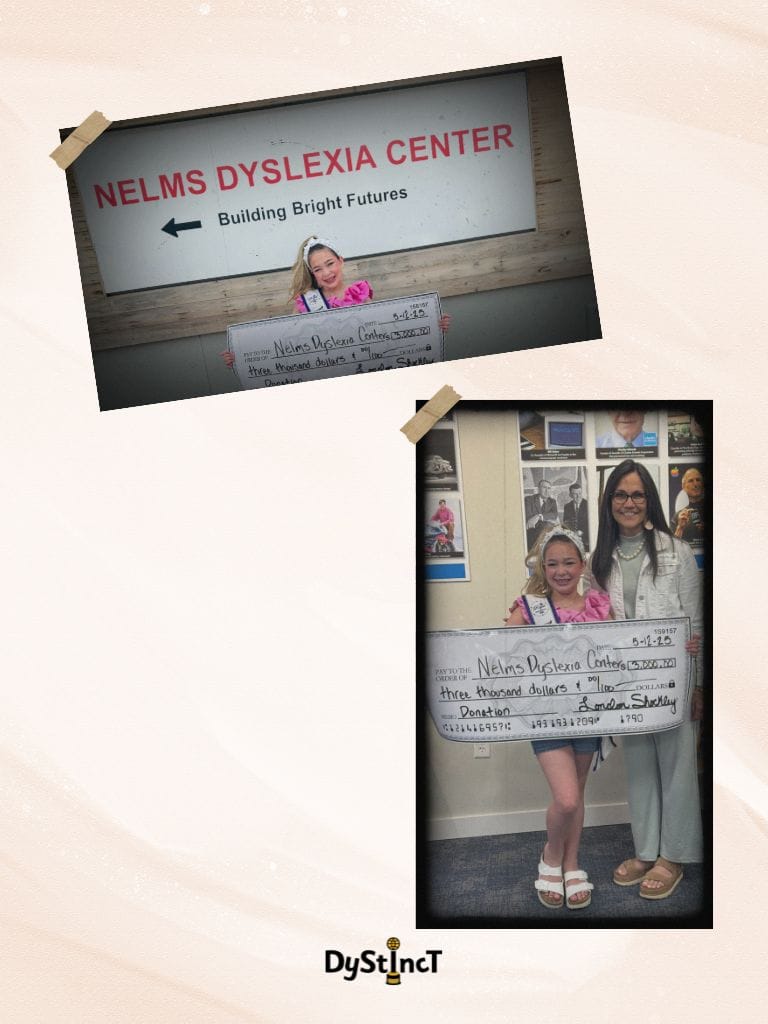
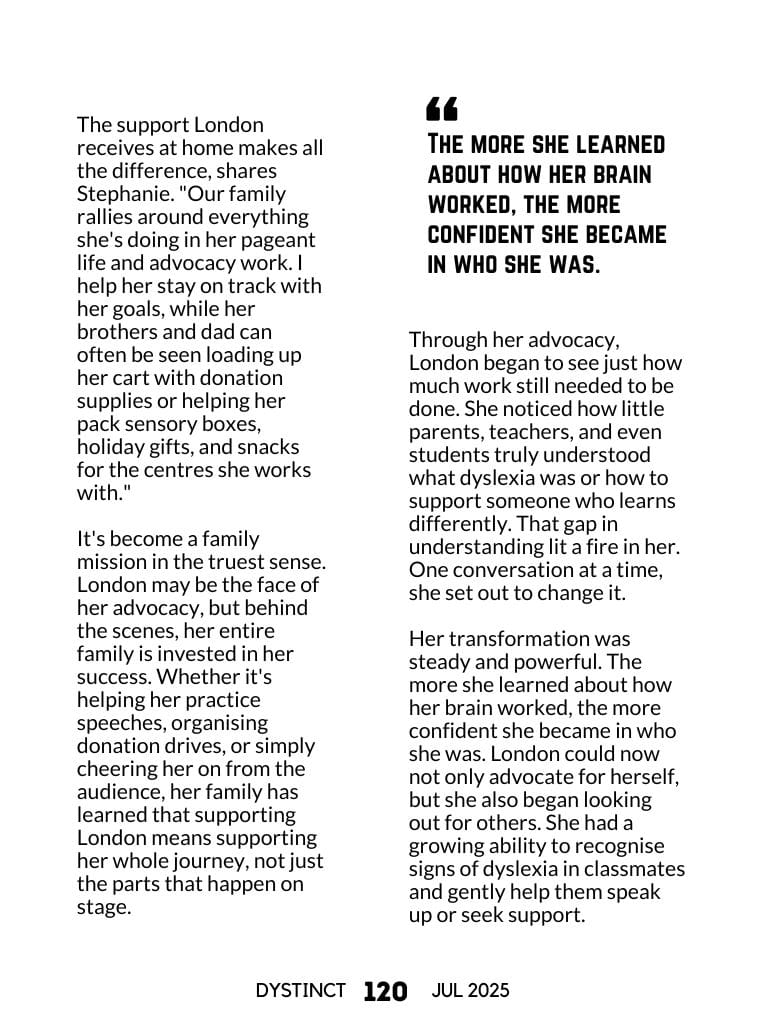
That night, London stood in front of a crowd and shared her story. She spoke about the early frustration, the long wait for answers, and the changes that came once she understood how her brain worked. After her speech, several guests came forward to say they saw themselves in her words. Some suspected they might have dyslexia but had never been evaluated. London didn't just inspire them. She helped them take their first steps toward understanding and support. Her story gave others the kind of recognition she had once needed herself.
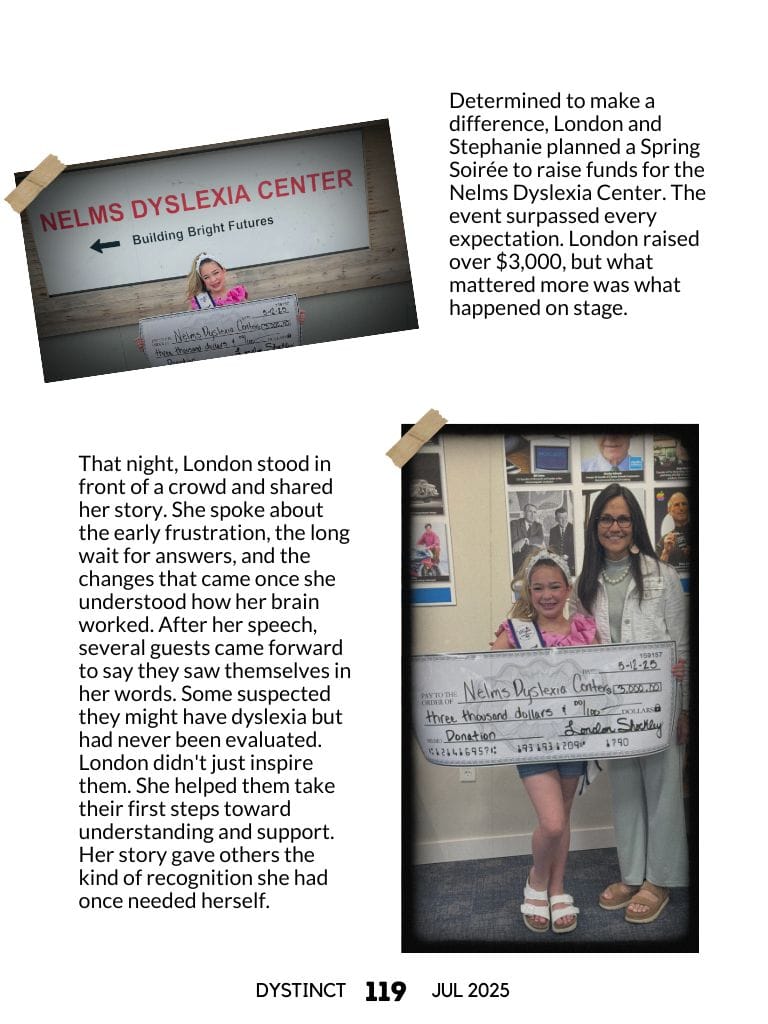
Determined to make a difference, London and Stephanie planned a Spring Soirée to raise funds for the Nelms Dyslexia Center. The event surpassed every expectation. London raised over $3,000, but what mattered more was what happened on stage.
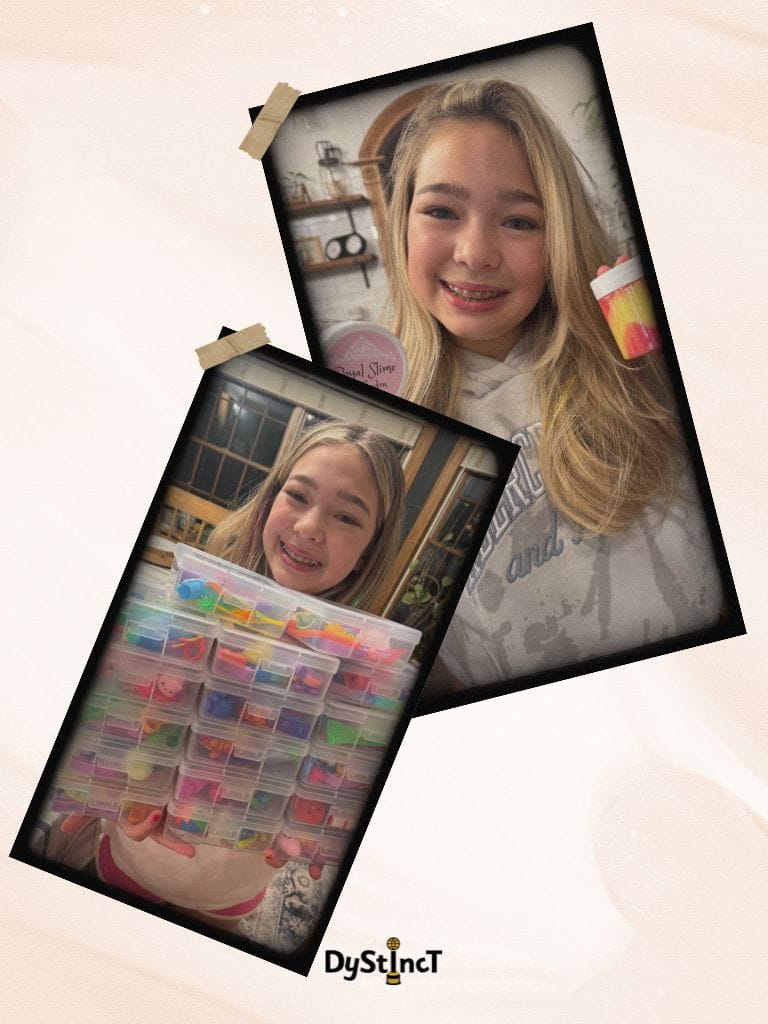
The support London receives at home makes all the difference, shares Stephanie. "Our family rallies around everything she's doing in her pageant life and advocacy work. I help her stay on track with her goals, while her brothers and dad can often be seen loading up her cart with donation supplies or helping her pack sensory boxes, holiday gifts, and snacks for the centres she works with."
It's become a family mission in the truest sense. London may be the face of her advocacy, but behind the scenes, her entire family is invested in her success. Whether it's helping her practice speeches, organising donation drives, or simply cheering her on from the audience, her family has learned that supporting London means supporting her whole journey, not just the parts that happen on stage.
The more she learned about how her brain worked, the more confident she became in who she was.
Through her advocacy, London began to see just how much work still needed to be done. She noticed how little parents, teachers, and even students truly understood what dyslexia was or how to support someone who learns differently. That gap in understanding lit a fire in her. One conversation at a time, she set out to change it.
Her transformation was steady and powerful. The more she learned about how her brain worked, the more confident she became in who she was. London could now not only advocate for herself, but she also began looking out for others. She had a growing ability to recognise signs of dyslexia in classmates and gently help them speak up or seek support.
Organisation became her secret weapon. She learned that structure helps her brain function better, so she created routines and began organising her days almost without thinking. What started as a necessity quickly became part of her rhythm. Being prepared helps her feel more grounded and less frazzled.
London’s own challenges didn't completely disappear. She often has to leave class for therapy sessions, which means missing lessons and group work. "I feel like I'm working twice as hard and still can't keep up," she explains. Even with the right support, maintaining balance can be challenging. She and Stephanie are always trying new tools and strategies to help her manage the emotional weight of feeling behind. Some days are harder than others.
Even though it feels lonely at times, you are not alone.
London also speaks honestly about what it feels like to stand out. "Sometimes, having my learning disability highlighted by receiving special services can be embarrassing," she says. However, that honesty has become an integral part of her strength. She knows that there are other children who feel the same way and who carry the same quiet shame. Her message to them is simple and heartfelt: "Know that you are not alone. There are actually so many kids that have the same struggle, and even though it feels lonely at times, you are not alone."
She is clear about how she wants struggling kids to see themselves. "Kids who are struggling need to know that they are not dumb. They just learn in a different way, and that's okay," London says. Over time, she has come to see her dyslexia not as a limitation but as a gift. "I believe kids with dyslexia are actually pretty blessed, even though they learn a different way, because they are able to think in a different way and come up with ideas that other people may not have had yet. This is why we call dyslexic people outside-the-box thinkers."
That creative thinking spills into everything she does. London has even launched a small business. She runs a mini slime studio, crafting slimes with different textures and colours, which she sells at her family's flea market booth. It began as a hobby but has grown into a passion project that brings her real pride.
London is also working on a children's picture book inspired by her own journey. She has chosen to use herself as the main character and wants the story to feature a young girl in class, daydreaming as her worksheets start to look like alphabet soup. The book will be simple and easy to read, created especially for emerging readers. Alongside its charm and relatable moments, it will also highlight some of the signs of dyslexia in a gentle manner. London hopes the story will spark awareness and help children, parents, or teachers recognise struggles that might otherwise go unnoticed.
Knowledge is the key to self-advocacy.
London's goals for this year are both personal and far-reaching. She wants to deepen her understanding of dyslexia, not just for her own growth, but so she can better support others walking a similar path. She has learned that knowledge is the key to self-advocacy, and now she is using that knowledge to open doors for others. She dreams of helping kids everywhere feel seen, understood, and proud of who they are. It is a big step for a girl who once sat at a dining room table with tears falling on her homework.
She also wants people to understand the magnitude of what is at stake. London often shares a sobering truth: nearly half of all incarcerated individuals are dyslexic. She asks a question that lingers long after it is spoken. What if those people had been identified and supported earlier? Could their paths have been different?
London believes the answer lies in awareness. When parents, teachers, and even classmates learn to recognise the signs of dyslexia, everything can change. Every adult who pushes for proper testing, every student who shows compassion, and every teacher who understands that learning differently does not mean learning less become part of a much-needed solution.
Learning differently does not mean learning less.
Her own story shows what is possible when that support finally arrives. She did not just get by; she began to thrive. And now she wants to make sure no child has to wait as long as she did to feel understood.
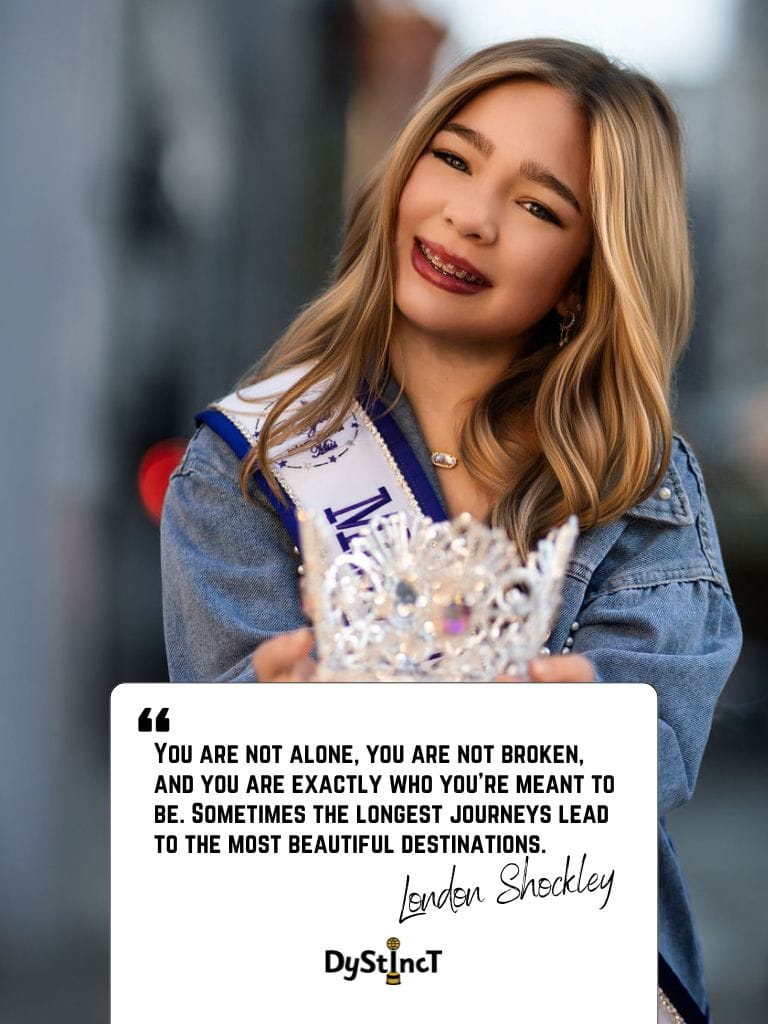
London knows there will be more challenges ahead. But she has found something steadier than ease or perfection. She has found purpose. She wants other kids who are struggling to know that they are not alone, they are not broken, and they are not less. What once felt like her biggest challenge has become her greatest gift. And now, she is determined to use that gift to help others see their own.
London Shockley
Extracts from Dystinct Magazine
Extracts from Dystinct Magazine