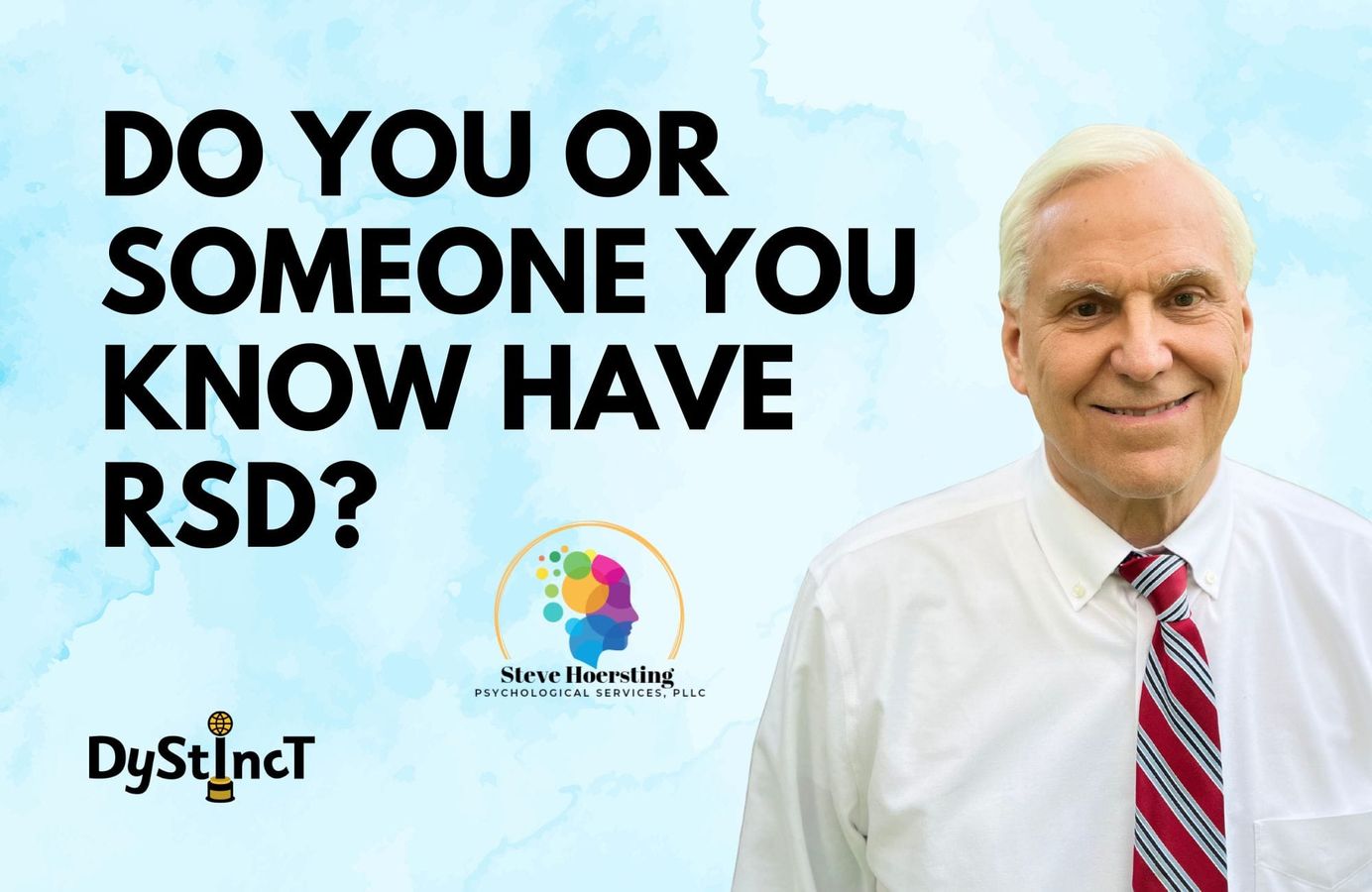
Issue 27: Do you or someone you know have RSD? Steve Hoersting
Steve Hoersting, a licensed psychological practitioner, unpacks the roots and realities of Rejection Sensitive Dysphoria (RSD), especially in neurodivergent individuals. He offers insight into how early criticism can shape deep-seated beliefs and shares practical tools like CBT and mindfulness.
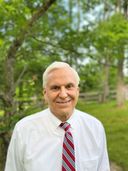
Table of Contents
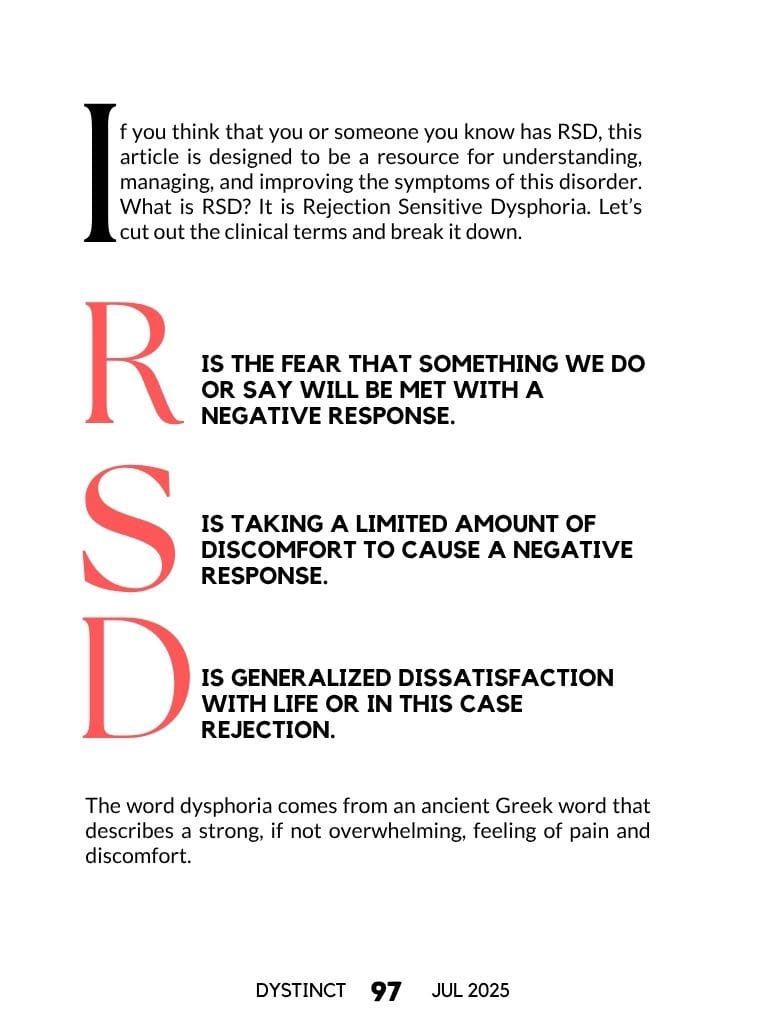
If you think that you or someone you know has RSD, this article is designed to be a resource for understanding, managing, and improving the symptoms of this disorder. What is RSD? It is Rejection Sensitive Dysphoria. Let’s cut out the clinical terms and break it down.
R - is the fear that something we do or say will be met with a negative response.
S - is taking a limited amount of discomfort to cause a negative response.
D - is generalized dissatisfaction with life or in this case rejection.
The word dysphoria comes from an ancient Greek word that describes a strong, if not overwhelming, feeling of pain and discomfort.
RSD is not an officially recognized symptom or diagnosis, but it is still a term that experts use in connection with recognized conditions. What are some signs of RSD? People with RSD typically have traits such as feeling embarrassed or self-conscious very easily, low self-esteem, and trouble believing in themselves. They often have trouble containing emotions when they feel rejected. This is often noticeable in children and teenagers with this condition. Some may react with a sudden show of anger and rage, while others may burst into tears. Instead of losing control, some people with RSD may turn their pain inward. They can look, in a snap, as if they have an onset of severe depression. Sometimes, these sudden emotional shifts can happen with other disorders. Those with RSD are typically people pleasers and become intensely focused on avoiding disapproval. They may avoid starting projects because there’s a chance of failure, and they compensate for their fear of failure or rejection by going all out or striving for perfection. However, the downside of this is that they often experience intense anxiety and may not easily make self-care and downtime a priority.
Those with RSD are typically people pleasers and become intensely focused on avoiding disapproval.
Physicians can use off-label medications to treat RSD, such as alpha-2 receptor agonists, such as clonidine and guanfacine, or stimulant medications, such as methylphenidate (Ritalin), that increase certain neurotransmitters.
In an article by Inflow in July 2021, they list seven signs that you have RSD. You dread checking your email, criticism literally ruins your day, you avoid new opportunities, people have said that you take things too personally, you are convinced that your partner is mad at you, like all the time, you ruminate over embarrassing moments, and you’ve been diagnosed with ADHD.
When an individual has repeatedly met with criticism, redirection, and negativity, it is understandable that a core belief develops that says, ‘You are not good enough.’
If you or a loved one has ADHD, Autism Spectrum Disorder, and many other disorders, it is likely that you or they have RSD. Hopefully, it has been identified and explained to you by your medical caretaker.
What if you don’t have these conditions? For years, it has been thought that only those with ADHD and ASD have this condition. That makes no sense when you think about how it is acquired. How does RSD develop? When an individual has repeatedly met with criticism, redirection, and negativity, it is understandable that a core belief develops that says, “You are not good enough.” After the core belief has been solidified, every negative reaction from others only deepens and strengthens the core belief. There is some debate among professionals bout the exact cause of RSD. Most agree that it is a combination of physiology and life.
Imagine that this belief became embedded at an early age. Then, there is a lifetime of reinforcement that this belief is true in spite of many accomplishments in one’s life. Lee Iacocca, a giant in the auto industry who designed the Mustang and took over Chrysler Corporation in its dark days, said what drove him was “The fear that people would find out he didn’t know what he was doing.”
This article is being written by someone who knows about RSD at a personal level. The purpose of this article is threefold.
One is to educate others to help them avoid adding to the RSD of someone they care about.
The second is to educate those with RSD on how to reduce the damage.
The third is to spread the word that RSD does not just happen to those with ADHD and ASD.
What about those with dyslexia, dysgraphia, dyscalculia, speech and language disorders, bipolar disorders, etc.?
I have tried many strategies over the years, but it takes so little to ignite the path to the mountain of memories and beliefs stored.
As an adult, I often become overwhelmed by the memories and core beliefs formed by the frequent requests to be quiet, sit still, get busy, etc. I have tried many strategies over the years, but it takes so little to ignite the path to the mountain of memories and beliefs stored. These pathways do not have a dimmer switch. They are either turned on or off. The ignition of these pathways not only leads to my own emotional pain and confusion but also to those I love and care about. Insecurity, anger, confusion, hopelessness, and isolation will all manifest depending on my interpretation of the event.
There is more evidence that RSD occurs in most neuro-atypical mental processes: dyslexia, dysgraphia, dyscalculia, speech-language, and mood disorders.
RSD presents itself with ADHD adults, children, and adolescents, in the context of relationships, occupation, or everyday interactions. In my case, it occurs in all three. For example, a patient I’ve seen for some time stops making appointments. I email them to see how they are doing. With no response, I assume automatically that I did something wrong. The worry begins, and the negative thoughts grow. If I eventually tell a colleague, they will likely say the rational thing, that there could be many reasons, so why assume you did something wrong? The problem is that this does not match up with my belief system. At best, I agree externally. At worst, I become angry because I think they don’t understand and are trying to pacify me.
So, what can one do to minimize the effect of RSD? One strategy is to challenge the belief that is leading to these undesired outcomes. Another strategy is to believe those who truly care about you and ask yourself, “Why would they lie to me?” The third strategy is to reinforce that there are outliers in life. Focusing on these outliers only serves to reinforce our faulty beliefs.
RSD did not start when I was 10, 18, 21, 40, or 65. This has occurred over many years, likely beginning as early as I could walk. I also found evidence that ADHD individuals are not the only ones who struggle with RSD. The research I found indicates that it is most common among those with ADHD and autism spectrum. However, there is more evidence that RSD occurs in most neuro-atypical mental processes: dyslexia, dysgraphia, dyscalculia, speech-language, and mood disorders. The question became why it is so prevalent among this group and what the common factors are.
Then, I began to think about another condition, PTSD. I often apologize when using PTSD. However, I have begun to see and hear more professionals refer to both as similar. The difference is that ADHD individuals typically are bombarded with thousands of traumas over a long period of time. The description of PTSD individuals is those who witnessed one major, horrific event.
How does RSD develop? Let’s consider the lives of children with neuro-atypical brains, such as ADHD, anxiety disorder, depression, dyslexia, autism, and nonverbal learning disorder. Life often makes no sense when comparing the gifts they might have and the problems that occur. When I was young, I never felt as good as others. As an adult, I still feel the same way. Only now, it is harder to hide from the shame. Rejection takes place in all phases of life for those with ADHD and ASD.
RSD is being investigated by many researchers, including Russell Barkley, PhD. They are studying DESR (deficient emotional self-regulation.) They are concerned that this is not part of the DSM symptoms for ADHD.
Another area being investigated is whether RSD ever goes away. Unfortunately, according to experts in the field, the answer is no. RSD does not respond well to treatment. So, the question is, should we look at it from the perspective of core beliefs about ourselves and the world that we live in? It has taken years to develop these neural pathways that are like highways that lead to a destination. Once turned on, reinforcement occurs during the process, and the cycle gets repeated. The difficult part of the process of change is being able to stop and recognize the route being traveled. But it happens so quickly, and because the beliefs developed over so many years, it is difficult, if not impossible, to erase them.
So, what are we to do? I believe a combination of mindfulness and cognitive behavior therapy offers our best hope for change. Mindfulness can help us to stay in the present moment and, therefore, not live in the past. CBT can help us to alter those core beliefs so that, if triggered, we can reduce the old RSD mindset. Mindfulness offers a way to delay the impact of RSD by techniques to remain in the present moment. We can hopefully avoid unwanted responses to comments and actions of others that we process as defaming. Hopefully, then, we can react to the actual comment rather than the message that we perceive.
A combination of mindfulness and cognitive behavior therapy offers our best hope for change.
The second part of reducing the impact of RSD and deficient emotional self-regulation is to use the principles of cognitive behavior therapy. CBT is based on research that our thoughts regulate our actions and emotions. Therefore, we are able to regulate our actions, emotions, and distorted thinking. There are ten types of distorted thoughts recognizable by the words that are contained in them: awfulizing, absolutizing, mind reading, should, never, always, terrible, and horrible. In children, these normally begin around ages 3 to 5.
Nobody likes rejection, whether it comes from peers, family, or coworkers. Rejection can be real or perceived. Yet, it’s an unavoidable part of life. Some people shake off rejection easily, while for others, it can trigger an overwhelming emotional response. Living with RSD is no fun, believe me. As I grew, there were always those outliers that popped up to remind me that I was not okay and that I was worthy of rejection. I see very many patients who relate a similar story in their middle-age years or even as young as 9 or 10. Most are above average to superior intelligence, and they have ADHD, dyslexia, dysgraphia, autism spectrum disorder, and many other neuro-atypical issues to deal with.
Rejection can be real or perceived. Yet, it’s an unavoidable part of life.
Recently, I have discovered two exceptional resources, with both leading the charge to dispel myths surrounding neuro-atypical conditions and strongly encouraging professionals and others to take corrective action. These two organizations are Children’s Mental Health Resource Center and the other is Dyslexia Inspired.
I hope that this information may benefit you or a loved one who is suffering from RSD. It’s important to remember, as I close, that these rejections many times are perceived. Therefore, is important to be mindful and to consider the many possibilities besides the one that confirms your belief of rejection.
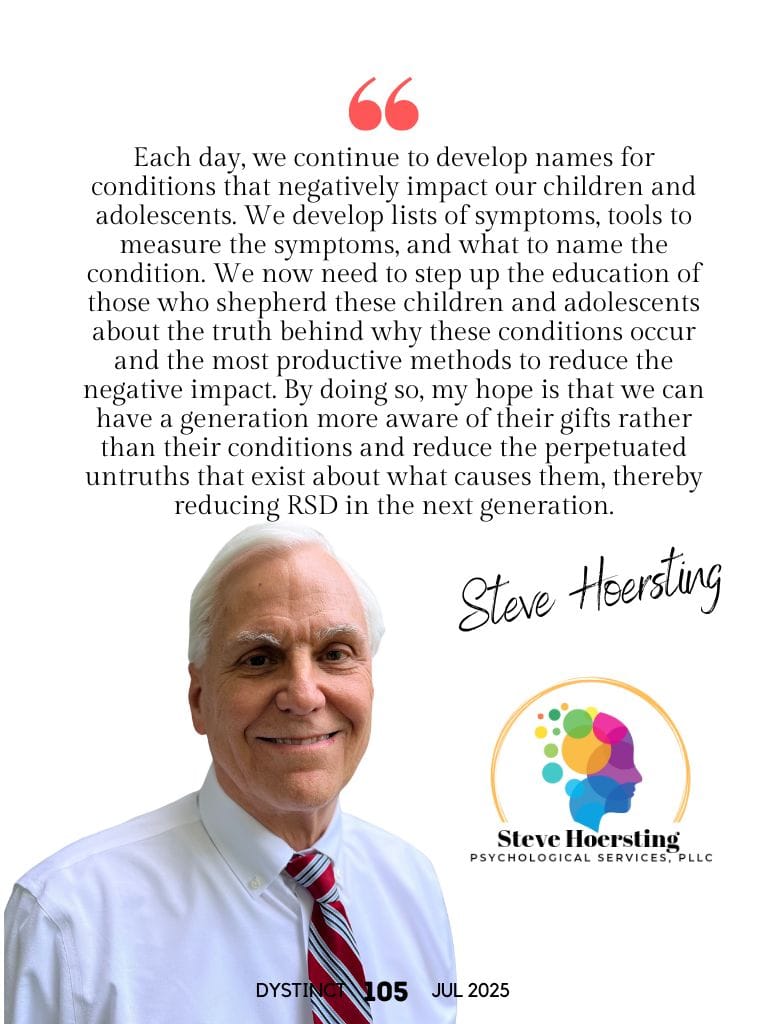
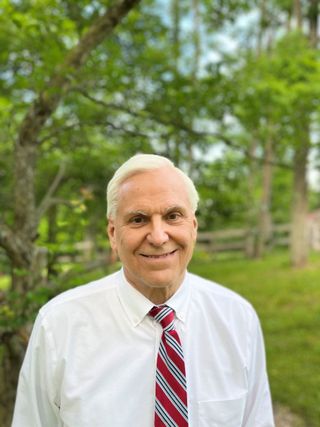
Steve Hoersting
Licensed Psychological Practitioner, ADHD/Autism Specialist, & Founder | stevehoerstingpsychologicalservices.com
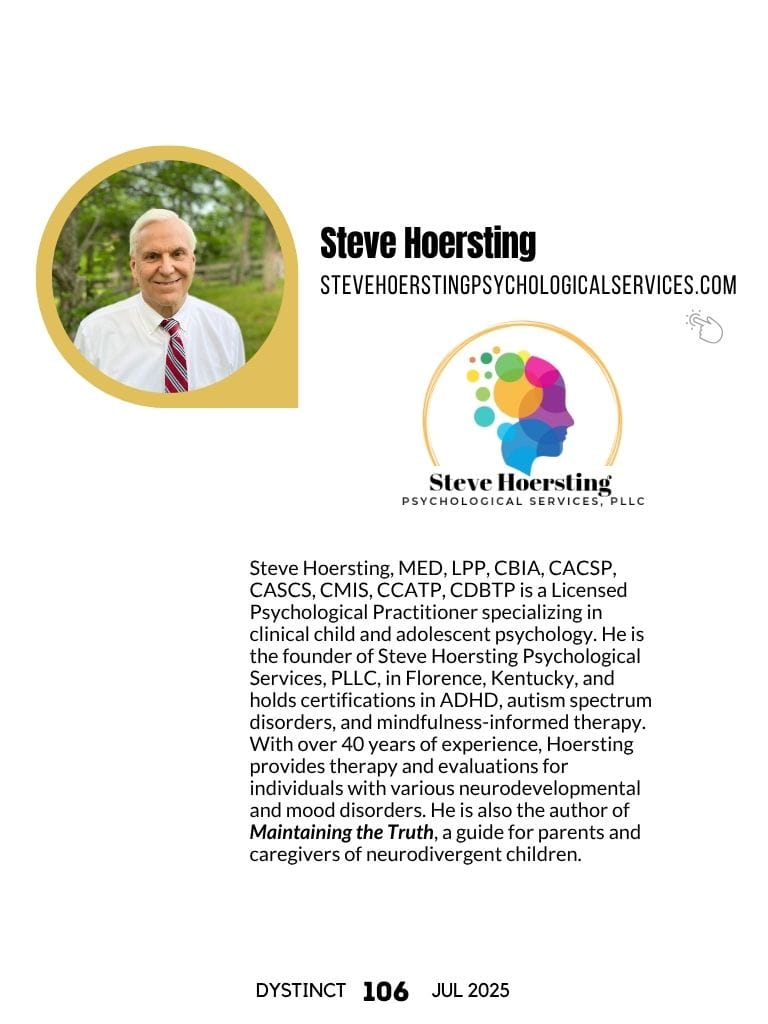
Steve Hoersting
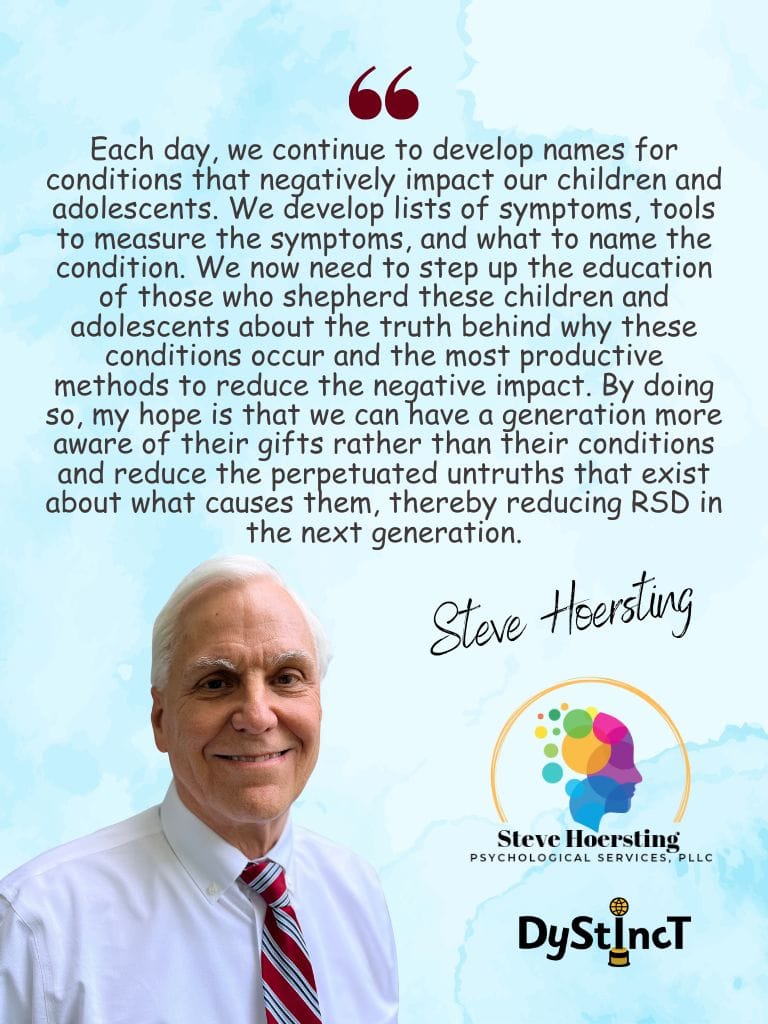
Steve Hoersting, MED, LPP, CBIA, CACSP, CASCS, CMIS, CCATP, CDBTP is a Licensed Psychological Practitioner specializing in clinical child and adolescent psychology. He is the founder of Steve Hoersting Psychological Services, PLLC, in Florence, Kentucky, and holds certifications in ADHD, autism spectrum disorders, and mindfulness-informed therapy. With over 40 years of experience, Hoersting provides therapy and evaluations for individuals with various neurodevelopmental and mood disorders. He is also the author of Maintaining the Truth, a guide for parents and caregivers of neurodivergent children.
BUY BOOK
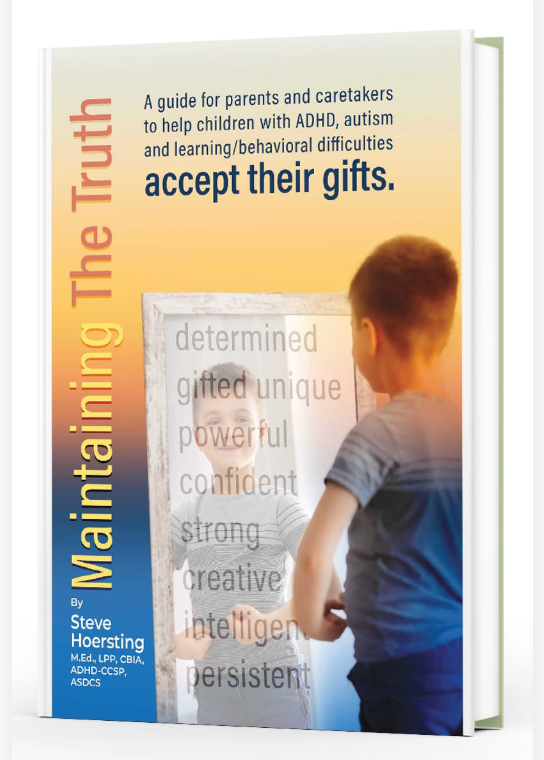
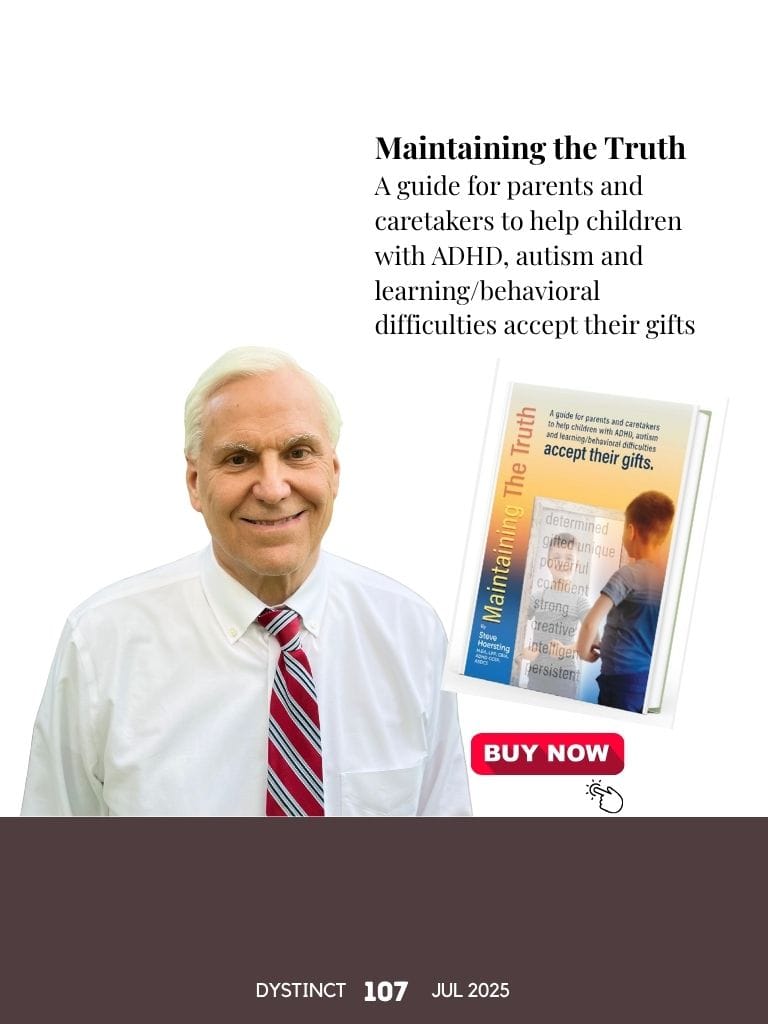
Maintaining the Truth
A guide for parents and caretakers to help children with ADHD, autism and learning/behavioral difficulties accept their gifts.
Extracts from Dystinct Magazine
Extracts from Dystinct Magazine