Issue 26: DNA In Action: Empowering the Next Generation of Dyslexic Achiever | Taylor Shay | Dyslexics Next Achievement
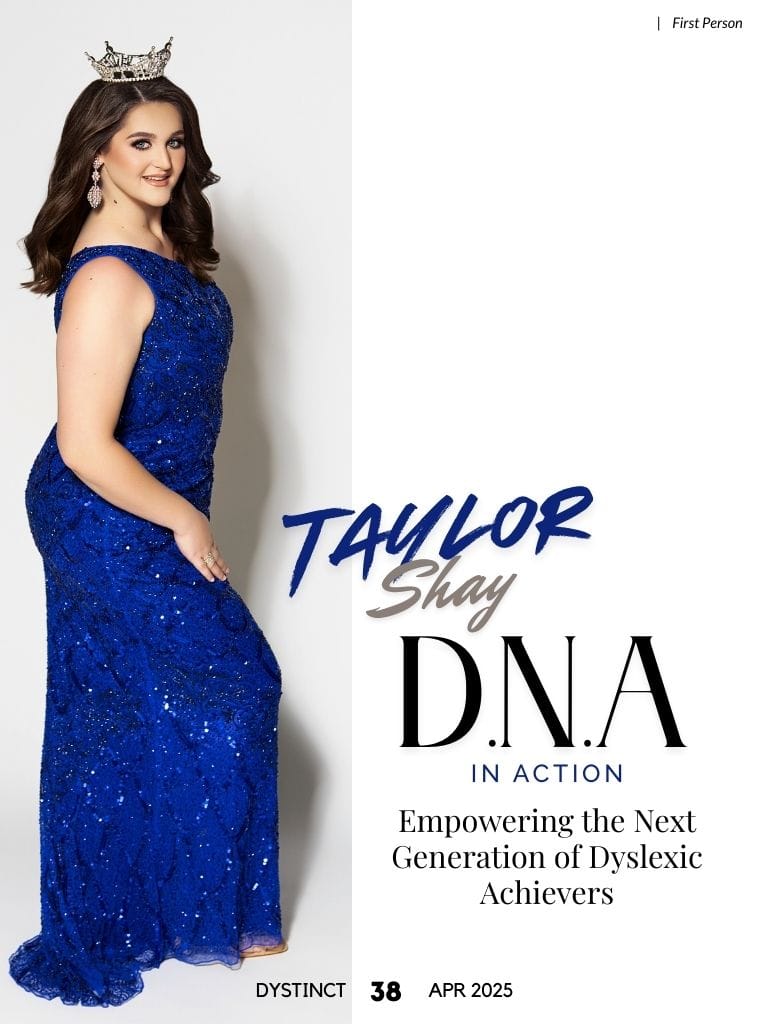
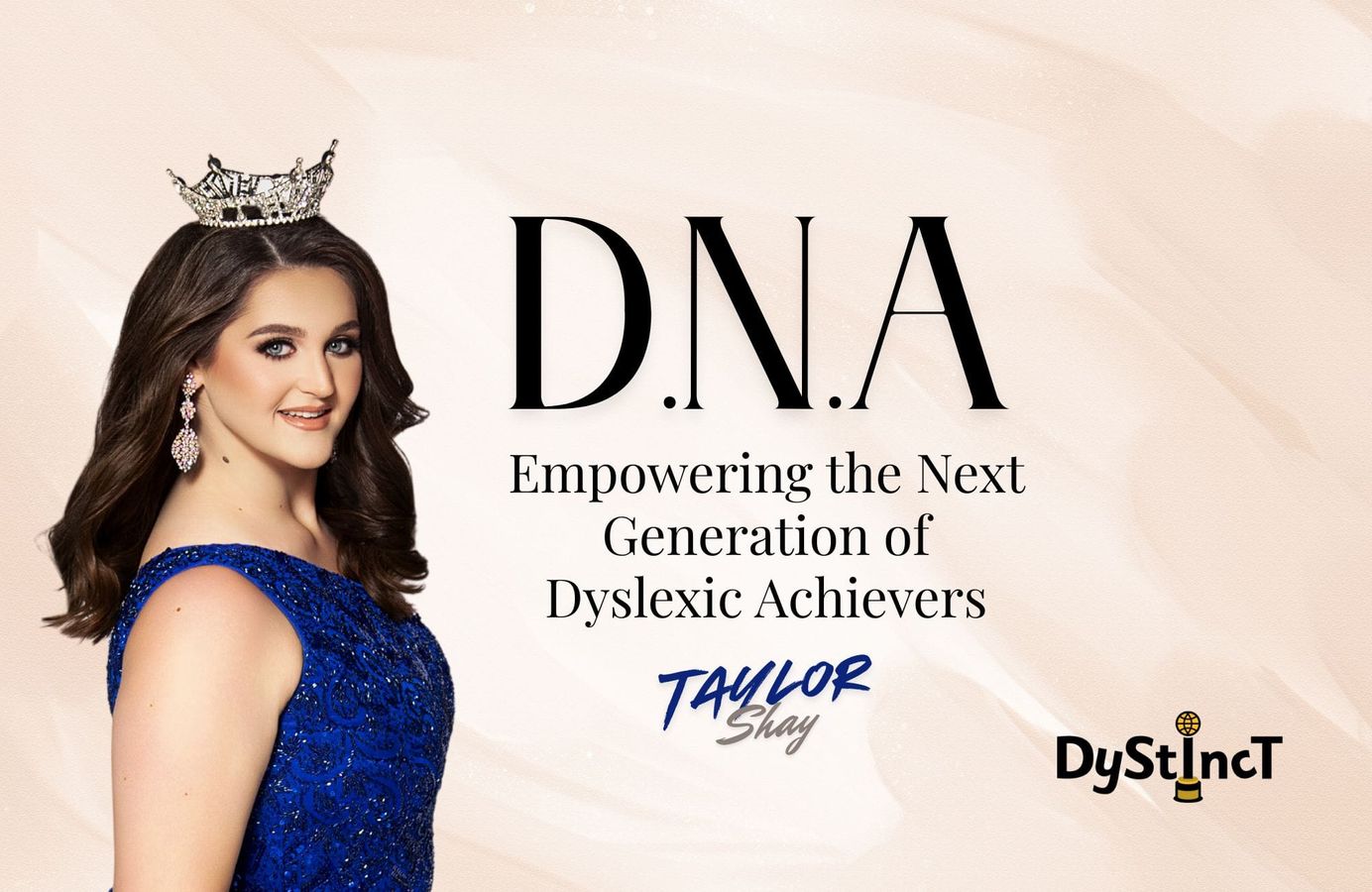
From pageants to advocacy, Taylor Shay’s journey with D.N.A. (Dyslexics Next Achievement) shows how her own struggles with dyslexia sparked a passion to help others, proving that with support and understanding, dyslexic students can shine in their own way.
Table of Contents
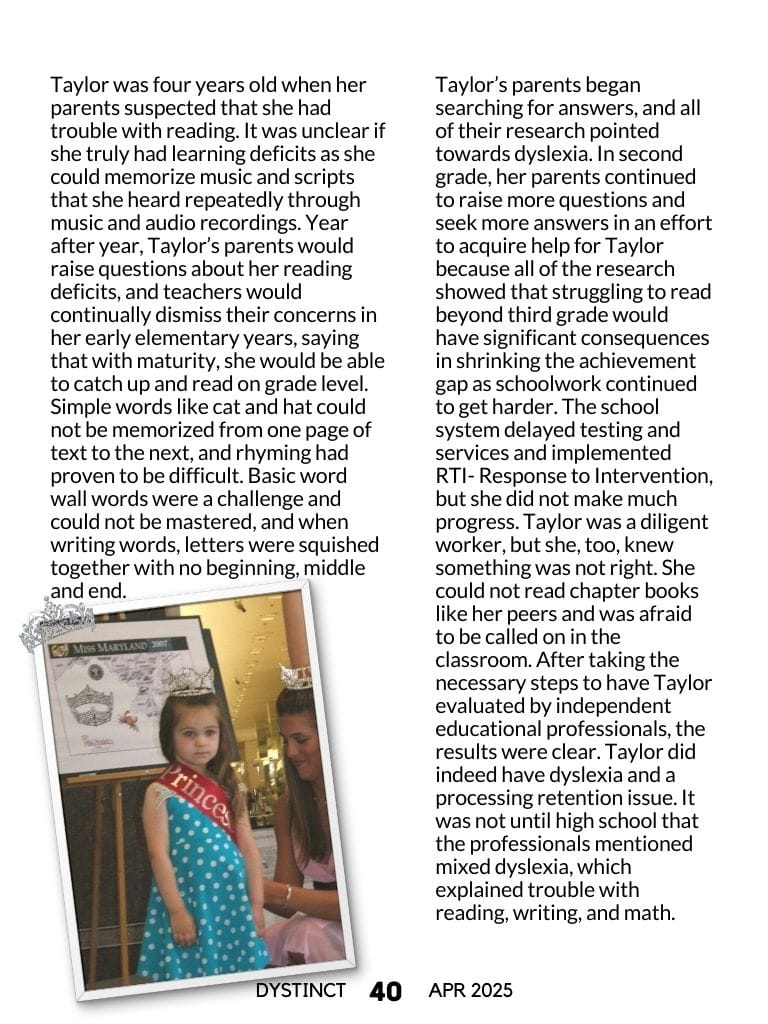
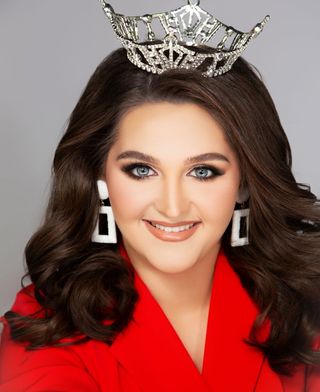
At the sweet age of three, mom thought Taylor would enjoy an opportunity to wear a rhinestone crown and fancy dress to experience the princess program sponsored by the Miss Maryland Scholarship Organization. Taylor’s passion for glitz, glam, and sparkly hats transformed her love for something much more profound. The seed that was planted and sown over time sparked Taylor’s passion and purpose at the age of 13 to volunteer, raise awareness, and advocate for change on behalf of dyslexic students.
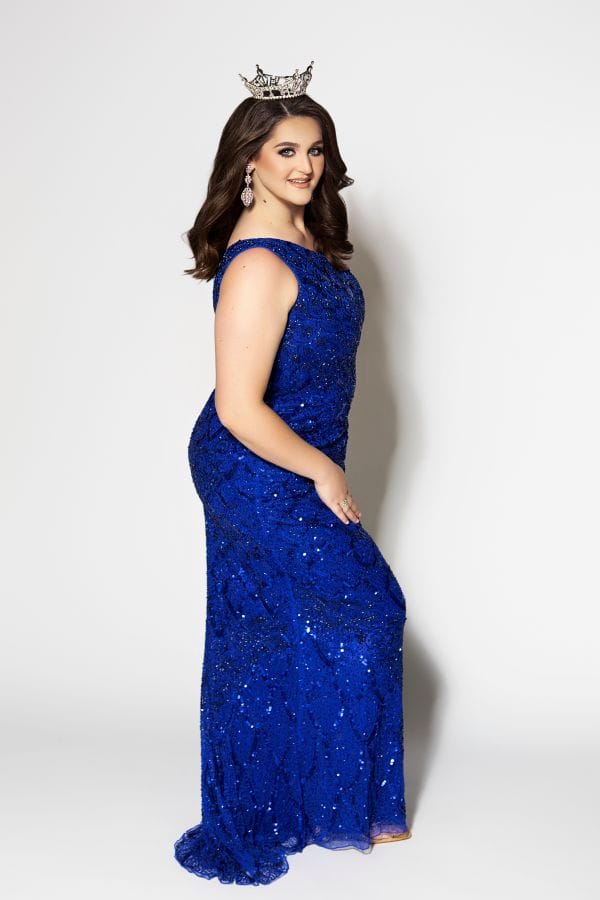
Now 21, Taylor is using her Community Service Initiative D.N.A Dyslexics Next Achievement to change the narrative for students with dyslexia. Dyslexia is a neurobiological condition that has been around for over 140 years. It is still misunderstood, underdiagnosed, and not taken seriously by school administrations for students who need educational support and accommodations in the classroom. Some call it a disability, but Taylor describes it as a learning difference and a GIFT because dyslexic students are genuine, innovative, fearless, and talented.
Advocating for Change
Advocating for Change
Taylor was four years old when her parents suspected that she had trouble with reading. It was unclear if she truly had learning deficits as she could memorize music and scripts that she heard repeatedly through music and audio recordings. Year after year, Taylor’s parents would raise questions about her reading deficits, and teachers would continually dismiss their concerns in her early elementary years, saying that with maturity, she would be able to catch up and read on grade level. Simple words like cat and hat could not be memorized from one page of text to the next, and rhyming had proven to be difficult. Basic word wall words were a challenge and could not be mastered, and when writing words, letters were squished together with no beginning, middle and end.
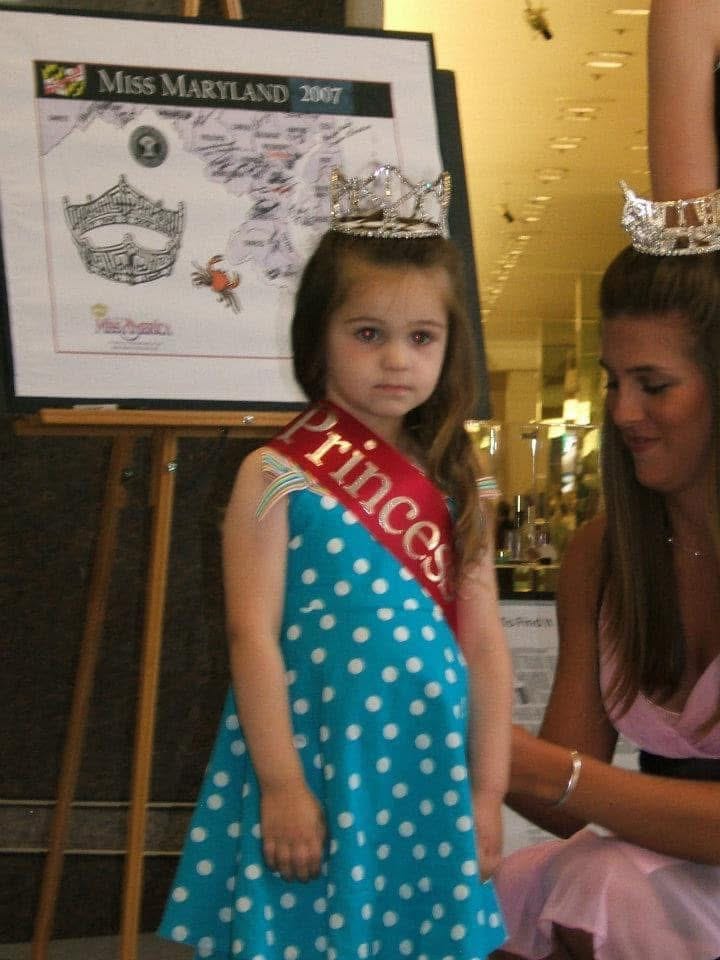
Taylor’s parents began searching for answers, and all of their research pointed towards dyslexia. In second grade, her parents continued to raise more questions and seek more answers in an effort to acquire help for Taylor because all of the research showed that struggling to read beyond third grade would have significant consequences in shrinking the achievement gap as schoolwork continued to get harder. The school system delayed testing and services and implemented RTI- Response to Intervention, but she did not make much progress. Taylor was a diligent worker, but she, too, knew something was not right. She could not read chapter books like her peers and was afraid to be called on in the classroom. After taking the necessary steps to have Taylor evaluated by independent educational professionals, the results were clear. Taylor did indeed have dyslexia and a processing retention issue. It was not until high school that the professionals mentioned mixed dyslexia, which explained trouble with reading, writing, and math.
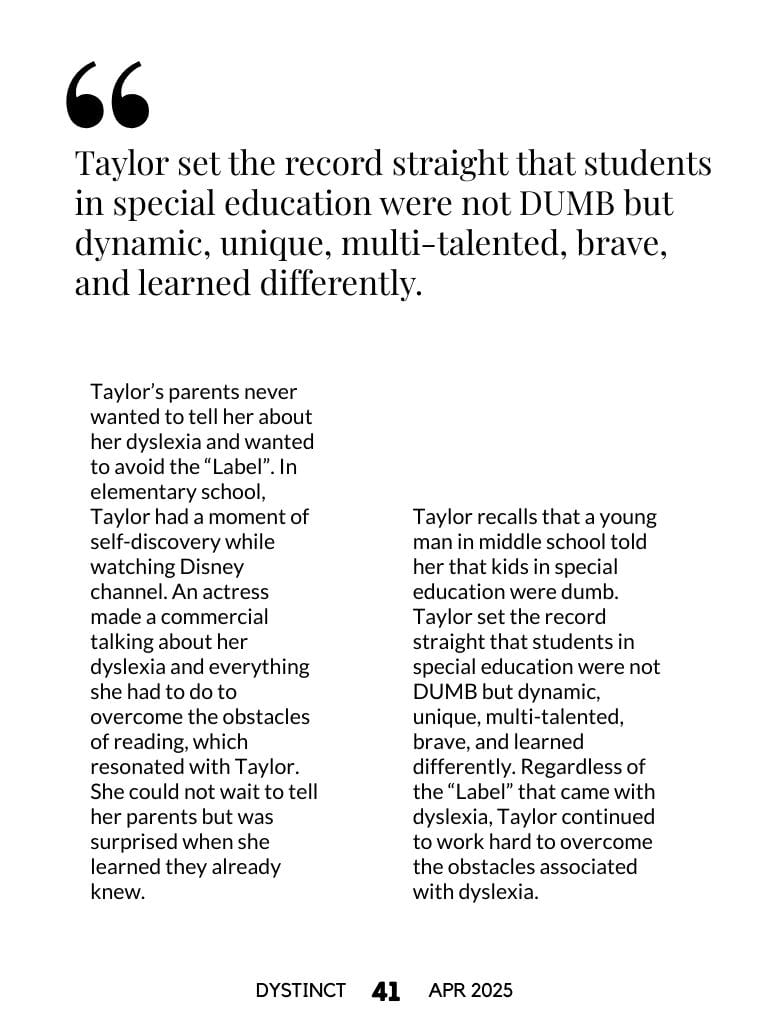
Taylor set the record straight that students in special education were not DUMB but dynamic, unique, multi-talented, brave, and learned differently.
Taylor’s parents never wanted to tell her about her dyslexia and wanted to avoid the “Label”. In elementary school, Taylor had a moment of self-discovery while watching Disney channel. An actress made a commercial talking about her dyslexia and everything she had to do to overcome the obstacles of reading, which resonated with Taylor. She could not wait to tell her parents but was surprised when she learned they already knew.
Taylor recalls that a young man in middle school told her that kids in special education were dumb. Taylor set the record straight that students in special education were not DUMB but dynamic, unique, multi-talented, brave, and learned differently. Regardless of the “Label” that came with dyslexia, Taylor continued to work hard to overcome the obstacles associated with dyslexia.
Taylor began her advocacy efforts in middle school. She requested a meeting with her guidance counselor to ask for help. The counselor dismissed Taylor’s concern, sharing that she was an honor roll student and, therefore, did not need services or tutoring. It was later discovered that the reason Taylor was on the honor roll was that the school had adopted a second-chance learning approach to master the grade and mask the need for support and accommodations. In 8th grade, it was further discovered that Taylor was still reading on a 5th-grade level. Drastic measures were in order. Taylor had not made any progress since her dismissal in the middle of 5th grade.
During the first week of 9th grade, there was an urgent call to action meeting. Taylor, her family, attorney, and the school officials all gathered in a room to discuss the struggles that she continued to have with academics. Once again, over the summer, Taylor had private educational testing conducted by a well-known national educational psychologist. The school IEP team pushed back and required that their own testing be done. After more delays and denials, however, the attorney changed the playing field.
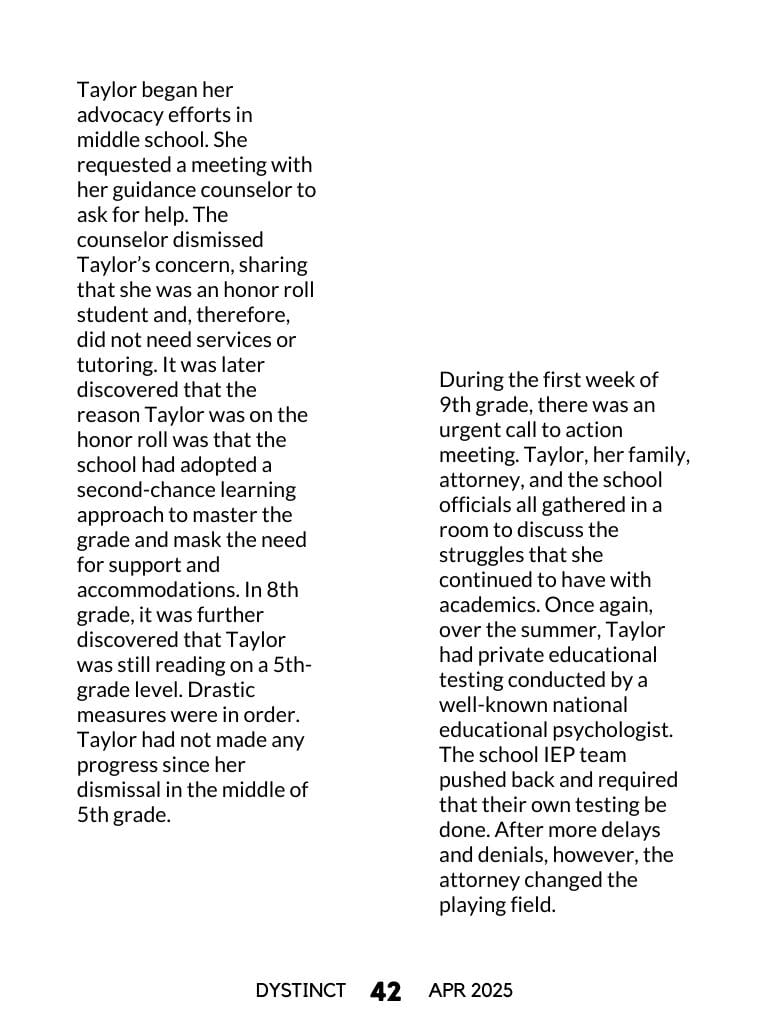
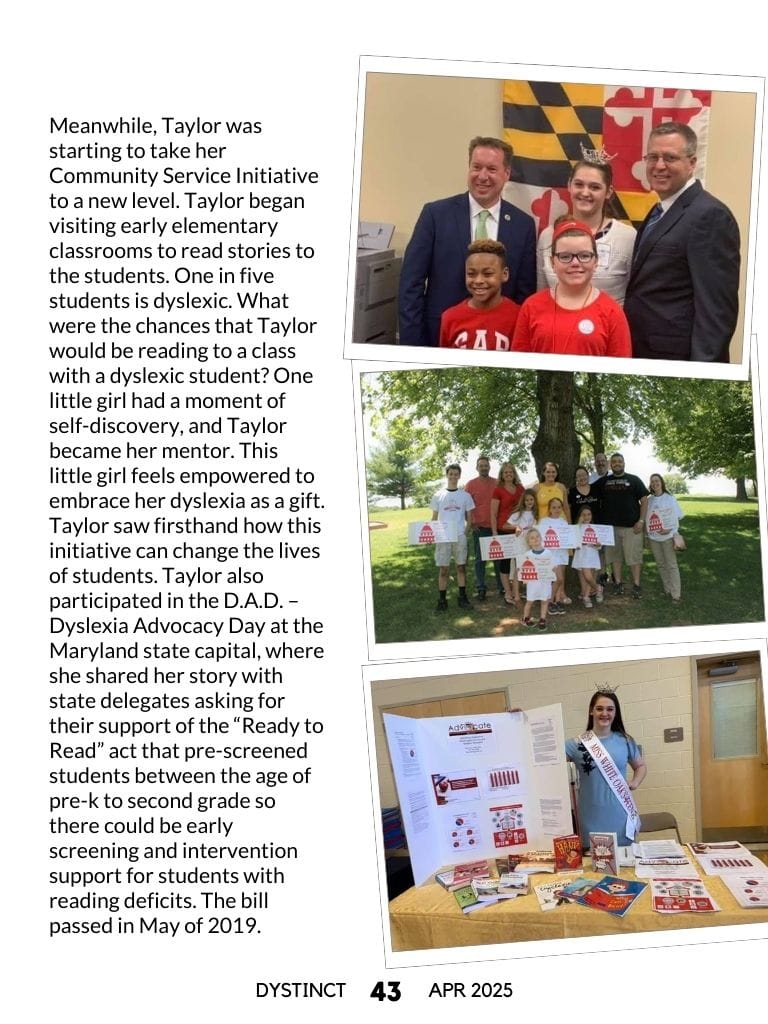
Meanwhile, Taylor was starting to take her Community Service Initiative to a new level. Taylor began visiting early elementary classrooms to read stories to the students. One in five students is dyslexic. What were the chances that Taylor would be reading to a class with a dyslexic student? One little girl had a moment of self-discovery, and Taylor became her mentor. This little girl feels empowered to embrace her dyslexia as a gift. Taylor saw firsthand how this initiative can change the lives of students. Taylor also participated in the D.A.D. – Dyslexia Advocacy Day at the Maryland state capital, where she shared her story with state delegates asking for their support of the “Ready to Read” act that pre-screened students between the age of pre-k to second grade so there could be early screening and intervention support for students with reading deficits. The bill passed in May of 2019.
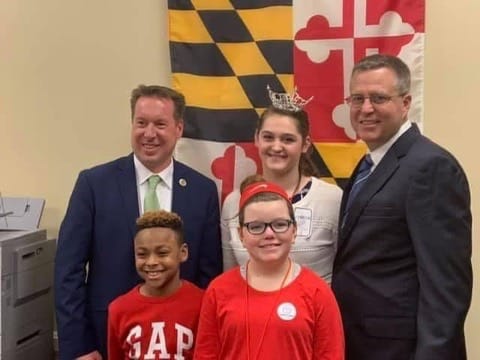
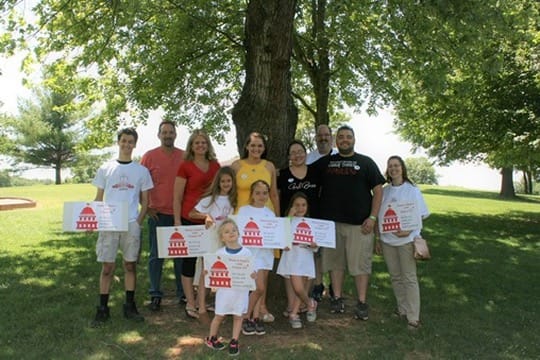
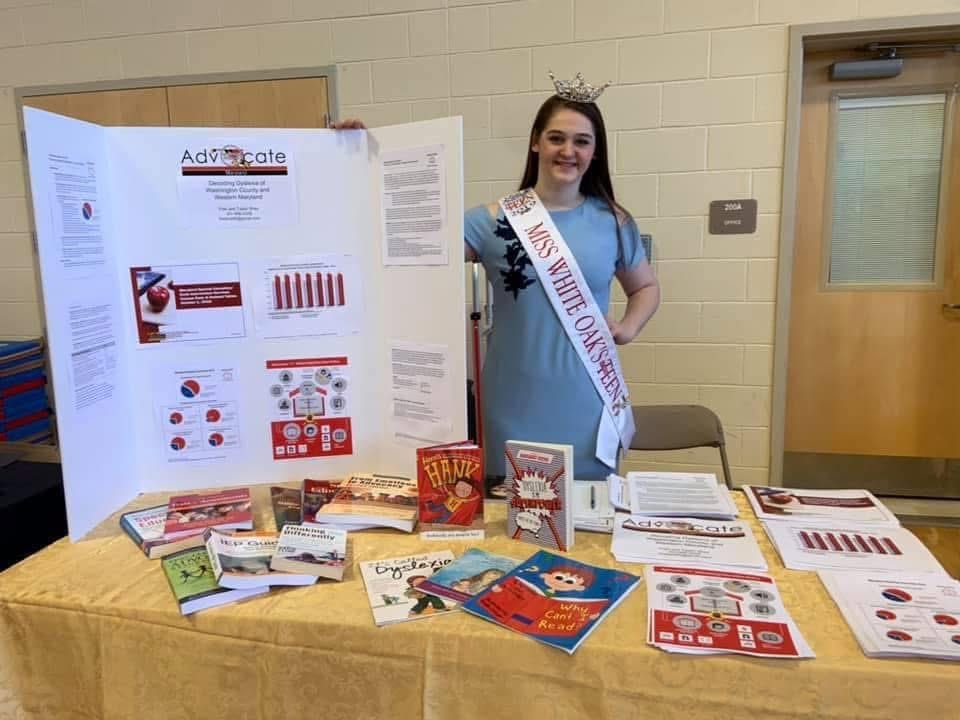
Taylor’s story started making an impact, and friends, family, and acquaintances supported and participated in dyslexia awareness days and the #IWORERED campaign, which reached all the way to Liberty University and across the nation.
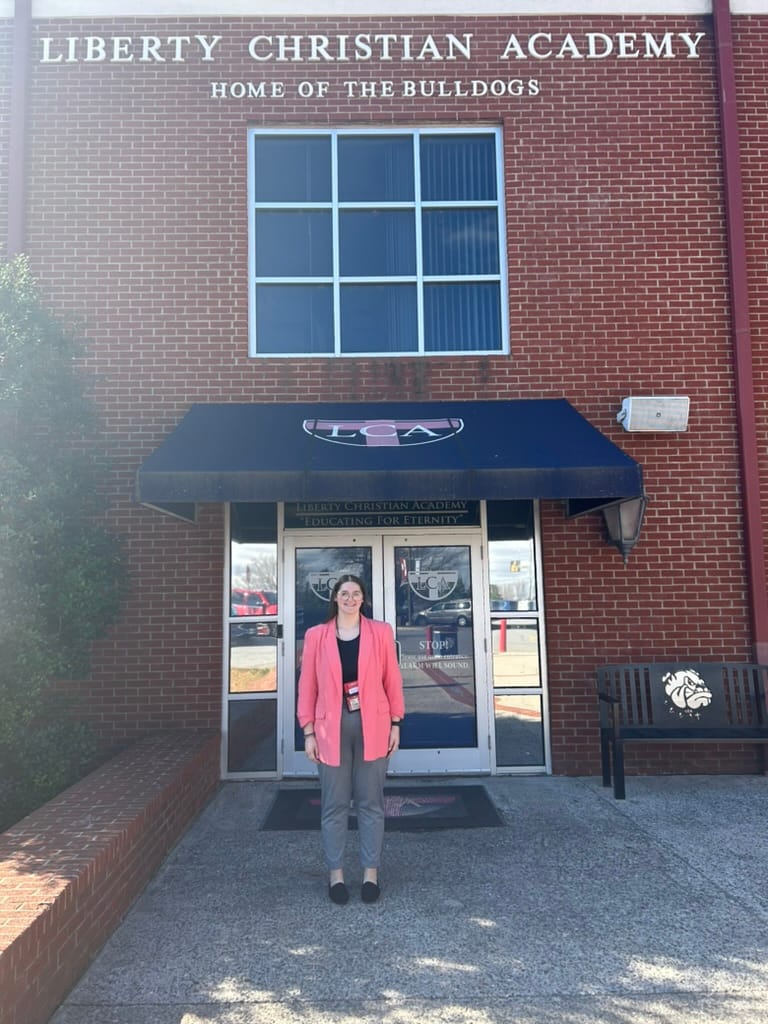
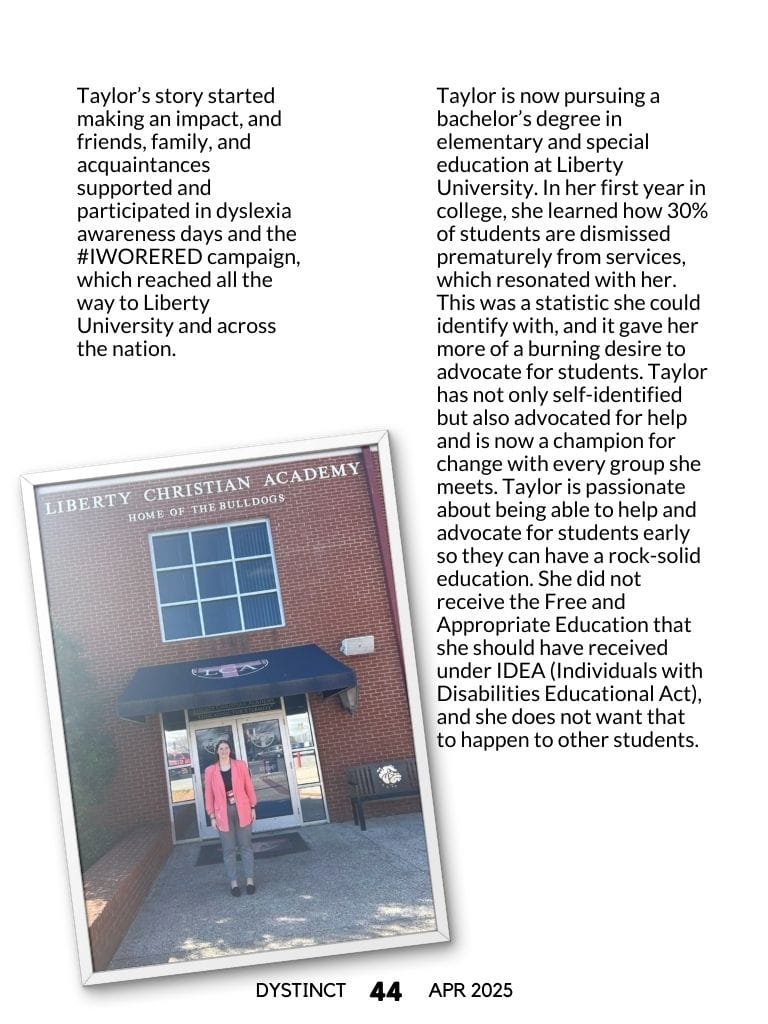
Taylor is now pursuing a bachelor’s degree in elementary and special education at Liberty University. In her first year in college, she learned how 30% of students are dismissed prematurely from services, which resonated with her. This was a statistic she could identify with, and it gave her more of a burning desire to advocate for students. Taylor has not only self-identified but also advocated for help and is now a champion for change with every group she meets. Taylor is passionate about being able to help and advocate for students early so they can have a rock-solid education. She did not receive the Free and Appropriate Education that she should have received under IDEA (Individuals with Disabilities Educational Act), and she does not want that to happen to other students.
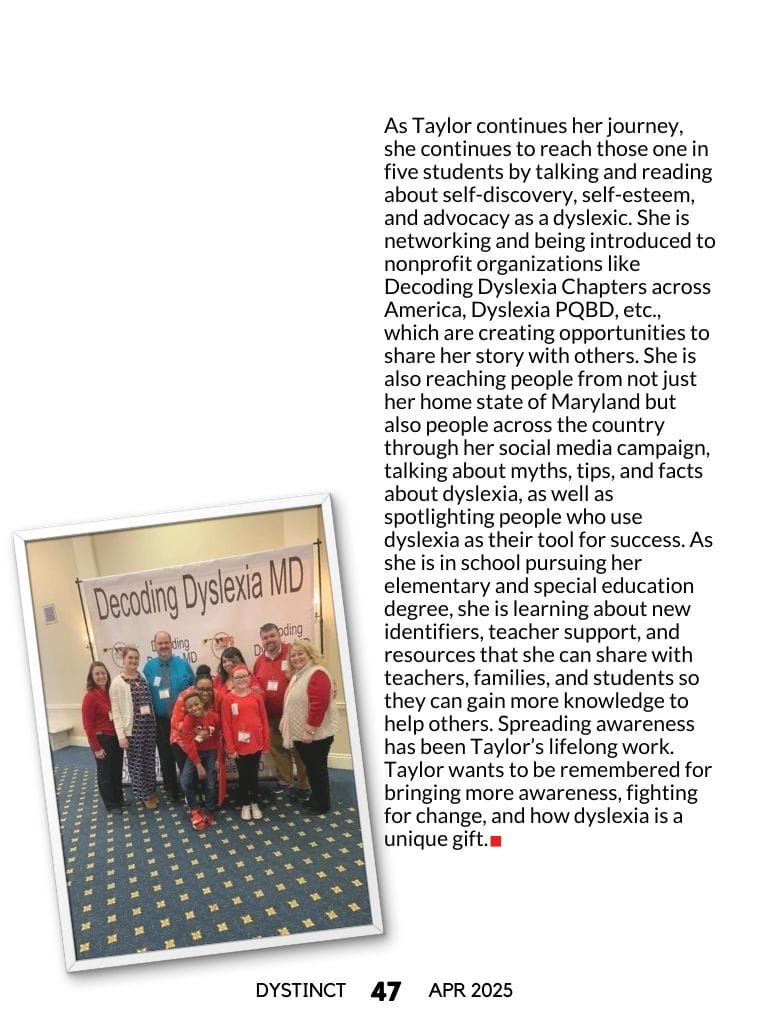
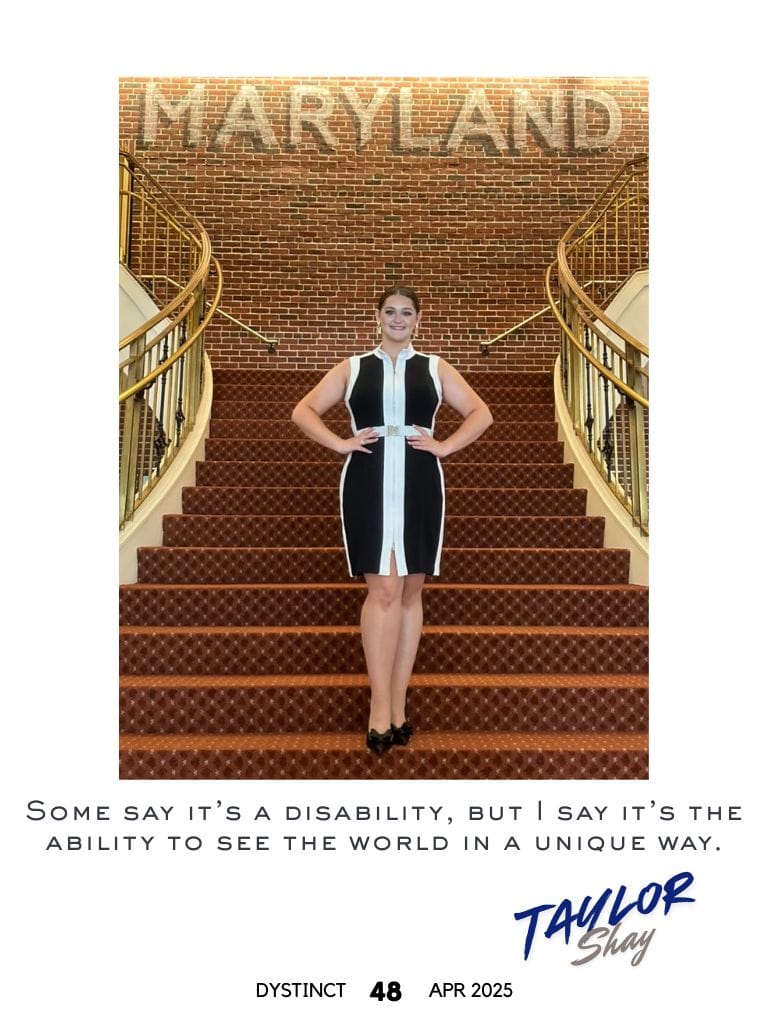
Taylor is an advocate, mentor, leader and volunteer. Dyslexia is not tangible, making it difficult to understand. Some say it’s a disability, but Taylor says it’s the ability to see the world in a unique way. Dyslexics are genuine, innovative, fearless and talented students. Taylor’s program D.N.A. - Dyslexic Next Achievement empowers the next generation of advocates and future leaders of America and celebrates student success stories. In addition, Taylor plans to grow her program to not only advocate, but to raise funds for teacher training and for students with dyslexia to pursue a post-secondary education.
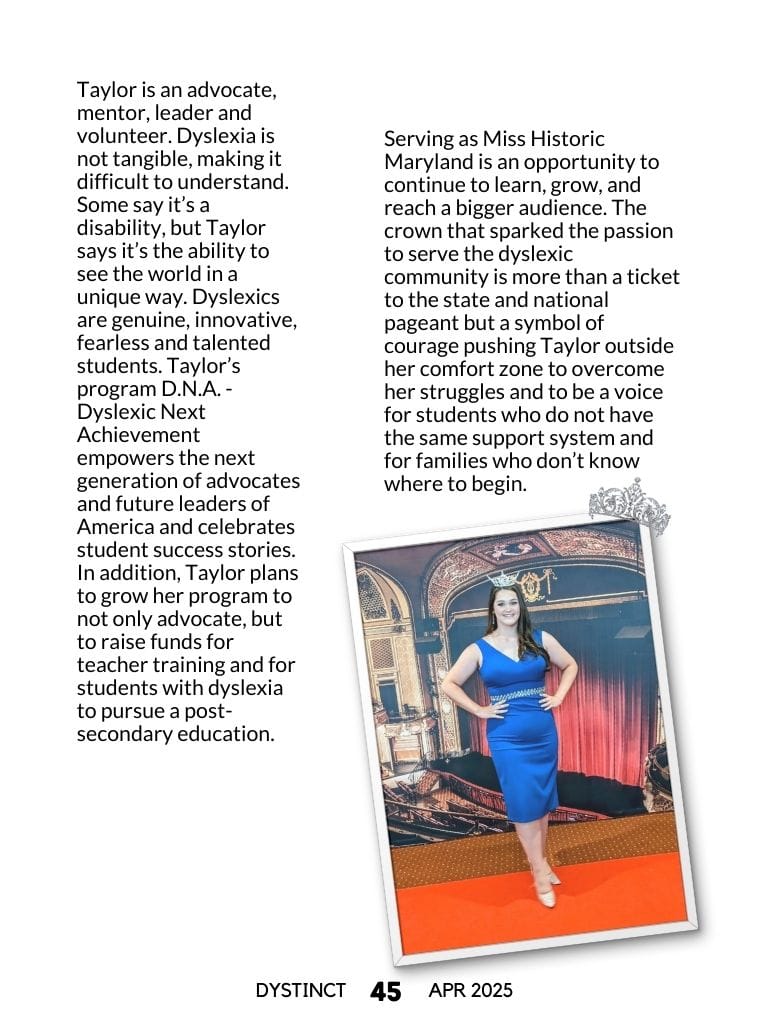
Serving as Miss Historic Maryland is an opportunity to continue to learn, grow, and reach a bigger audience. The crown that sparked the passion to serve the dyslexic community is more than a ticket to the state and national pageant but a symbol of courage pushing Taylor outside her comfort zone to overcome her struggles and to be a voice for students who do not have the same support system and for families who don’t know where to begin.
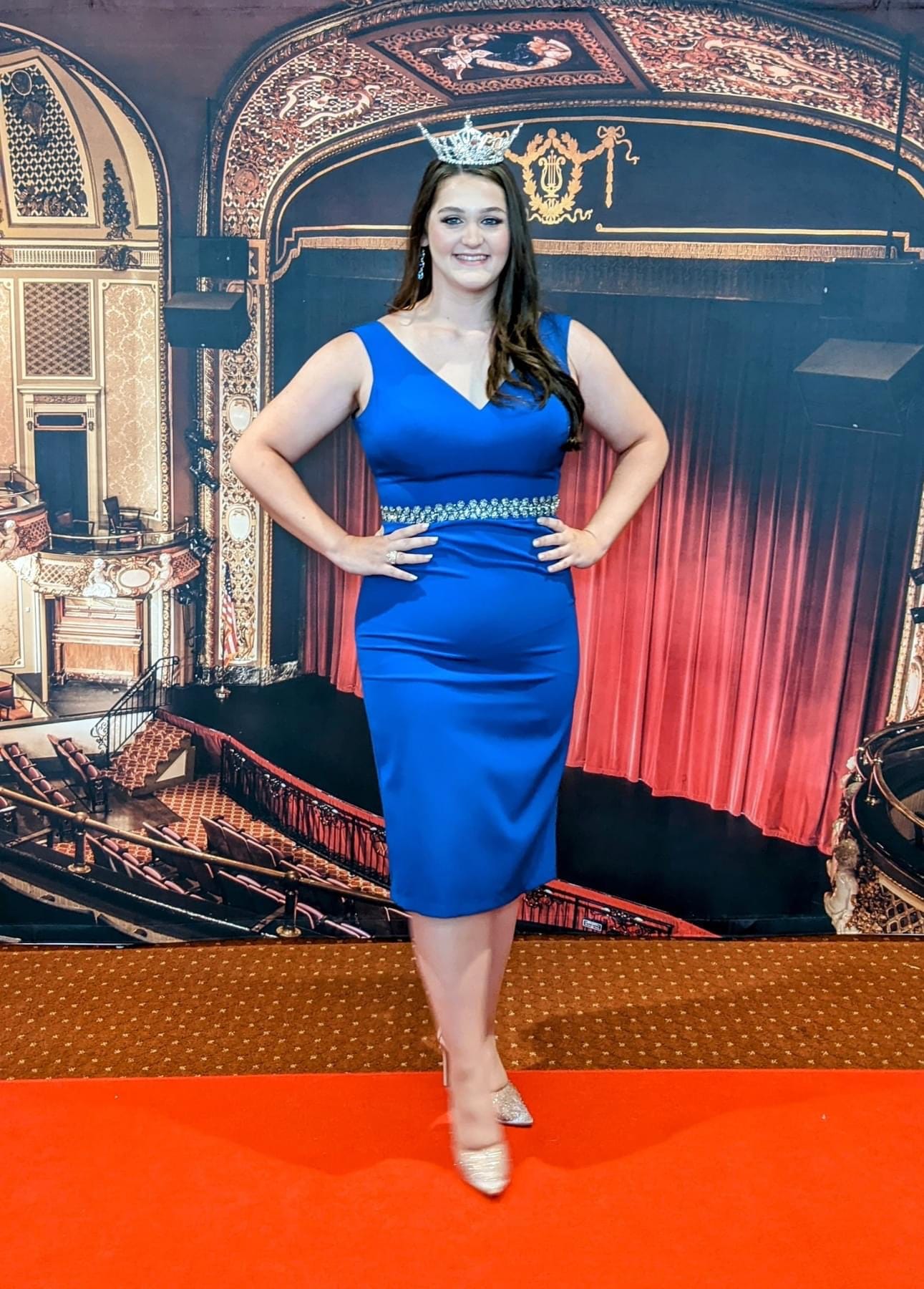
Taylor’s mission is to instruct students, parents, educators, administrators, and local and state legislators about her daily walk as a dyslexic student. As she shares her personal story with parents, school personnel across Maryland, local community organizations, literacy councils, and local/state boards of education, she is using her journey and story to advocate for those who are struggling to gain educational support and educating people on the importance of understanding the person with the gift of dyslexia. She is the voice to advocate for identified and unidentified students. She is advocating for early detection, intervention and specialized training for teachers. She encourages families and students to see that dyslexia is not the beginning of a struggling journey but a new adventure with a few obstacles. Dyslexic students are brilliant, and given the correct intervention and tools, they, too, are successful.
Dyslexia is not the beginning of a struggling journey but a new adventure with a few obstacles.
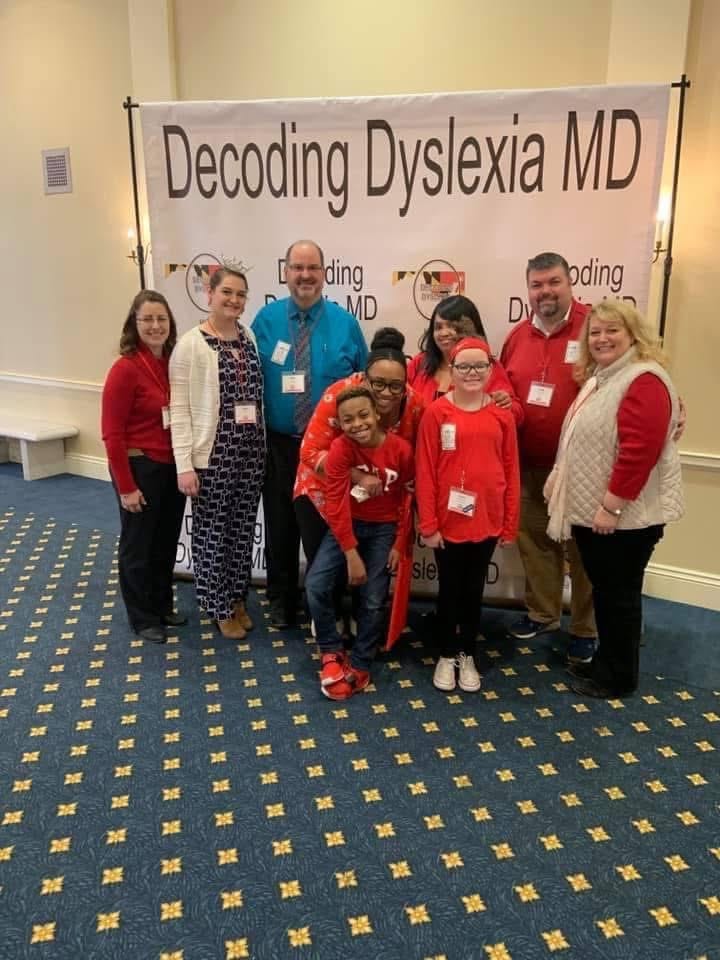
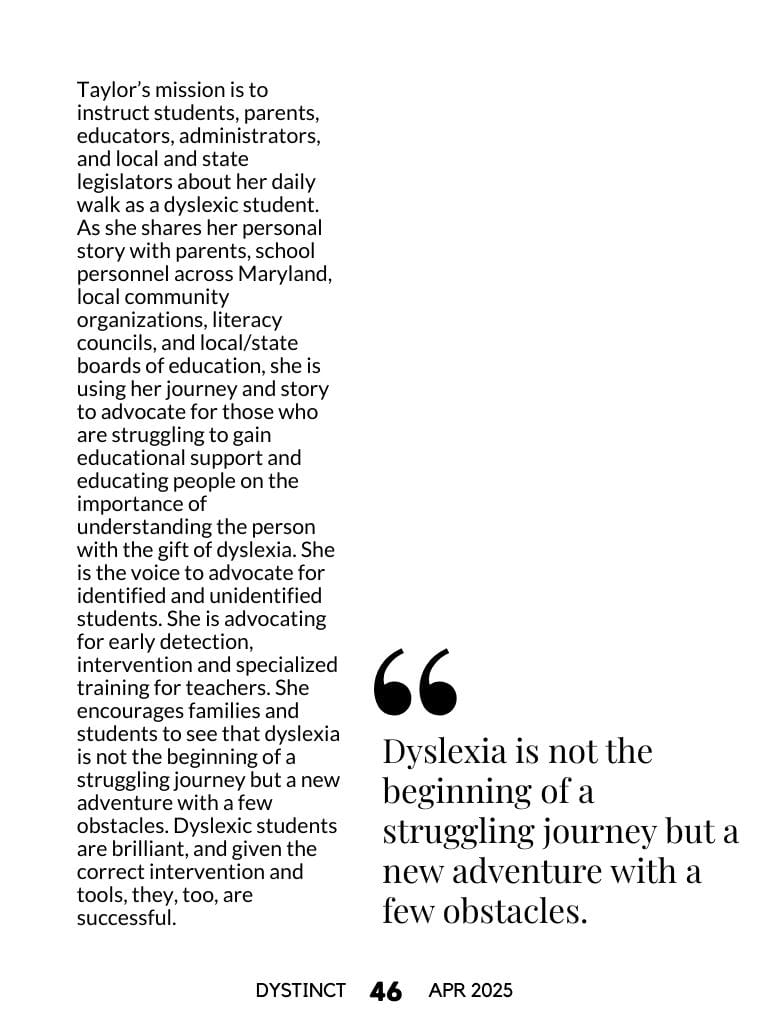
As Taylor continues her journey, she continues to reach those one in five students by talking and reading about self-discovery, self-esteem, and advocacy as a dyslexic. She is networking and being introduced to nonprofit organizations like Decoding Dyslexia Chapters across America, Dyslexia PQBD, etc., which are creating opportunities to share her story with others. She is also reaching people from not just her home state of Maryland but also people across the country through her social media campaign, talking about myths, tips, and facts about dyslexia, as well as spotlighting people who use dyslexia as their tool for success. As she is in school pursuing her elementary and special education degree, she is learning about new identifiers, teacher support, and resources that she can share with teachers, families, and students so they can gain more knowledge to help others. Spreading awareness has been Taylor’s lifelong work. Taylor wants to be remembered for bringing more awareness, fighting for change, and how dyslexia is a unique gift.
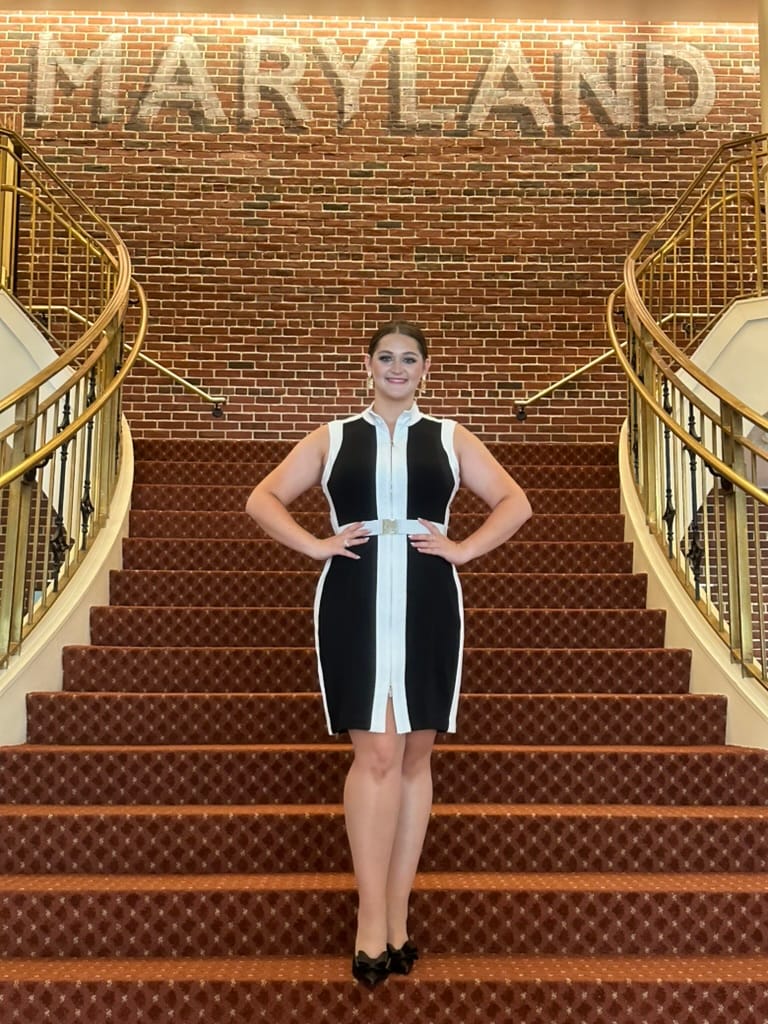
Taylor Shay
Dyslexia Advocate & Founder of D.N.A. (Dyslexics Next Achievement | instagram
Taylor Shay
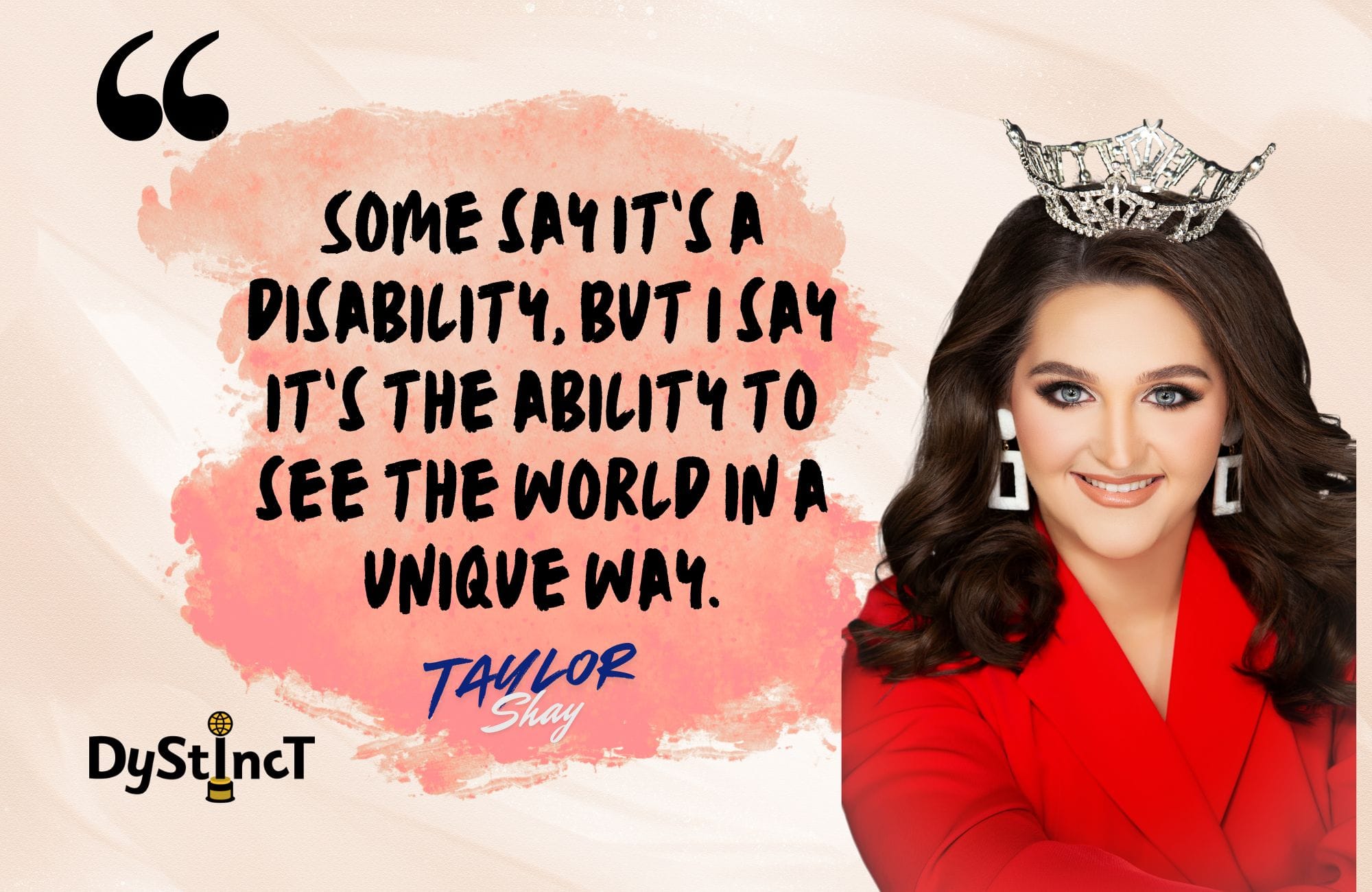
Extracts from Dystinct Magazine
Extracts from Dystinct Magazine